How Much Does a HiAce Cost What You Need To Know Today
The cost of a HiAce varies widely based on model, trim, and region, typically ranging from around $35,000 to over $70,000. Whether you need a cargo van, a passenger transporter, or a camper conversion, understanding the HiAce price breakdown helps you budget wisely. This guide covers every major factor that affects the final Toyota HiAce cost so you can shop with confidence.
If you have been shopping for a reliable commercial van or passenger transporter, you have probably come across the Toyota HiAce. It is one of the most popular vans in the world for good reason. But before you start budgeting, you need to know how much does a HiAce cost and what goes into that number. This guide breaks down everything from base pricing to hidden costs so you walk into any dealership fully prepared.
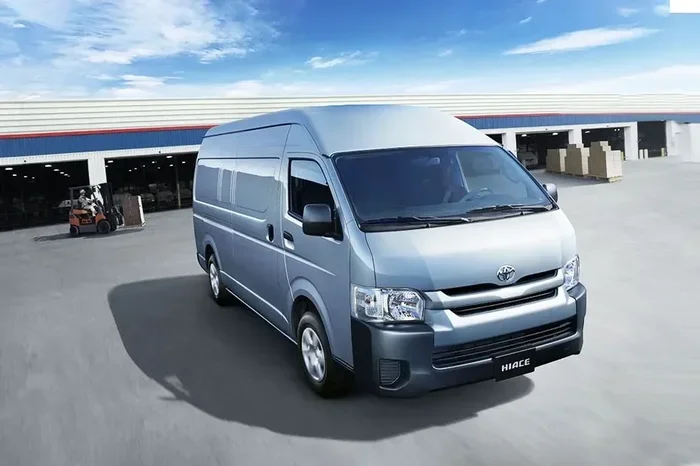
The Toyota HiAce has been a workhorse in the commercial vehicle world for decades. It comes in many shapes and sizes, from compact cargo vans to spacious passenger coaches. Because of this variety, the HiAce price can differ quite a bit from one model to the next. Let us dive deep into what you need to know today.
Key Takeaways
- Base models start affordable: Entry-level HiAce vans offer solid value for small businesses and fleet operators.
- Trim levels drive price differences: Upgrading to higher trims adds features like leather seats, advanced safety tech, and better infotainment.
- Engine choice matters: Diesel and petrol variants come with different price tags and operating costs.
- Ownership costs add up: Fuel, maintenance, insurance, and registration all factor into the total cost of owning a HiAce.
- Cargo and seating capacity affect pricing: Larger models with more seats or higher payload ratings cost more upfront.
- New vs used changes everything: A used HiAce can save you thousands, but inspection and history matter greatly.
- Ordering lead times vary: Depending on demand and your location, waiting for a new HiAce can take several weeks to months.
📑 Table of Contents
- Understanding the HiAce Price Range
- HiAce Variants and How They Affect Cost
- Factors That Influence the Final HiAce Price
- New vs Used HiAce: Which Saves You More?
- Hidden Costs of Owning a HiAce
- How Long Does It Take to Get a HiAce?
- Is the HiAce Worth the Price?
- Key Takeaways
- Final Thoughts on HiAce Pricing
Understanding the HiAce Price Range
When people ask about the HiAce cost, they usually want a single number. But the truth is, pricing depends on several factors. The base model HiAce starts at a much lower price than a fully loaded top-tier variant. Let us look at the big picture.
Base Model Pricing
The most basic HiAce cargo van offers a great starting point for small businesses. In many markets, you can find a new base model for around $35,000 to $45,000. This version keeps things simple. It gives you a sturdy frame, a capable engine, and enough cargo space to haul goods or equipment. For startups and small operations, this is often all you need.
Keep in mind that regional pricing plays a huge role. In some countries, import tariffs and taxes can push the HiAce price higher. In others, local assembly keeps costs down. Always check your local dealer for the most accurate numbers.
Higher Trim Levels and What They Add
As you move up the trim ladder, the HiAce van cost climbs. Mid-range trims might add things like power windows, air conditioning upgrades, and better audio systems. Top-tier trims can include leather seating, advanced driver assistance systems, and touchscreen infotainment. These upgrades can push the price well above $60,000 or even $70,000 for premium passenger versions.
Here is a quick look at what you typically get at each level:
- Base trim: Standard engine, basic interior, manual windows, steel wheels.
- Mid trim: Power accessories, upgraded audio, cloth seats, alloy wheels.
- Top trim: Leather seats, advanced safety features, navigation system, premium audio.
Deciding which trim makes sense for you depends on how you plan to use the vehicle. If you are running a delivery service, the base model might be all you need. If you are transporting clients or employees, investing in a higher trim could be worth every penny.
HiAce Variants and How They Affect Cost
The Toyota HiAce comes in several distinct variants. Each one serves a different purpose, and each has its own price point. Understanding these variants helps you pick the right one without overpaying.
Cargo Van Variant
The cargo van is the most affordable HiAce option. It focuses on hauling capability rather than passenger comfort. You get a large open cargo area, sturdy suspension, and a powerful engine. This variant is perfect for businesses that need to transport goods, tools, or equipment daily.
Because the cargo van has fewer comfort features, it stays at the lower end of the HiAce price spectrum. If your priority is utility over luxury, this is the one to consider.
Passenger Van Variant
The passenger van variant turns the HiAce into a people mover. These models come with multiple rows of seating, often accommodating 8 to 16 passengers depending on the configuration. The HiAce van cost for passenger versions runs higher because of the additional seating, comfort features, and safety equipment.
Schools, tour companies, and shuttle services frequently choose passenger HiAce models. The seating capacity makes them incredibly versatile for group transportation needs.
Camper and Custom Variants
Some people buy a HiAce and convert it into a camper or mobile workspace. In these cases, you pay for the base vehicle plus the conversion cost. Custom camper conversions can add $10,000 to $30,000 or more to the total HiAce cost. If you are interested in a HiAce camper, budget accordingly for both the vehicle and the build-out.
Factors That Influence the Final HiAce Price
Several key factors determine exactly how much you will pay for a HiAce. Understanding these helps you negotiate better and avoid surprises.
Engine Type and Fuel Economy
The HiAce comes with different engine options, and your choice affects the price. Diesel engines tend to cost more upfront but deliver better fuel economy over the long run. Petrol engines are usually cheaper to buy but cost more at the pump over time. If you plan to put high mileage on your van, the diesel option often makes more financial sense despite the higher initial HiAce price.
For reference, the HiAce mileage figures are quite impressive, especially with the diesel variants. This means lower running costs month after month, which offsets the higher purchase price for many buyers.
Payload and Cargo Capacity
How much weight your HiAce can carry directly impacts its price. Models with higher payload capacity use stronger suspension, reinforced frames, and larger tires. All of these add to the manufacturing cost and, therefore, the sticker price.
Think about your actual needs. If you regularly carry heavy loads, investing in a higher-capacity model makes sense. But if you only move light items, you do not need to pay extra for capacity you will never use.
Location and Market Conditions
Where you live matters a lot. In some regions, the HiAce is extremely popular, which drives up demand and prices. In other areas, lower demand means dealers may offer better deals. Additionally, import costs, local taxes, and dealer markups all vary by location.
If you live near a major port or distribution hub, you might find better prices due to higher competition among dealers. Shopping around at multiple dealerships always pays off.
New vs Used HiAce: Which Saves You More?
This is one of the most common questions people ask when they want to know how much does a HiAce cost. The answer depends on your budget, needs, and how long you plan to keep the vehicle.
Buying New
A new HiAce comes with a full warranty, the latest features, and the peace of mind that comes with a first owner. You also get the best fuel efficiency and the lowest maintenance risk in the early years. However, new vehicles depreciate the fastest in the first few years. You might lose 15 to 25 percent of the value quickly.
The advantage of buying new is that you can customize your exact configuration. You choose the color, trim, engine, and extras. This level of control is hard to find in the used market.
Buying Used
A used HiAce can save you a significant amount of money. Depending on the age and condition, you might find a well-maintained model for 30 to 50 percent less than the original price. This is a great option for budget-conscious buyers or those who just need a reliable work van without the premium price tag.
However, buying used comes with risks. You need to check the vehicle history, look for signs of wear, and get a professional inspection. A HiAce that has been poorly maintained can cost you more in repairs than the savings you gained from the lower purchase price.
Also, consider that older models may not have the same safety features or fuel efficiency as newer ones. The HiAce models from recent years tend to have better emissions standards and advanced safety systems, which adds value even in the used market.
Hidden Costs of Owning a HiAce
The sticker price is only part of the story. Several hidden costs can catch buyers off guard if they are not prepared.
Insurance and Registration
Commercial vans like the HiAce typically cost more to insure than passenger cars. The HiAce is a large vehicle with a high theft risk in some areas, which insurance companies factor into their rates. Registration fees also tend to be higher for commercial vehicles in many regions.
Maintenance and Repairs
Toyota vehicles are known for reliability, and the HiAce is no exception. Regular maintenance keeps the van running smoothly for many years. However, parts for commercial vans can be more expensive than those for standard passenger cars. Finding a qualified mechanic who works on commercial vehicles is also important. If you want to understand typical mechanic costs, check how much most mechanics make per hour to budget accordingly for service visits.
Fuel Costs Over Time
Even though the HiAce offers good fuel economy for its class, it is still a large vehicle that burns more fuel than a sedan. If you drive long distances daily, fuel costs will add up significantly. Planning your routes efficiently and maintaining proper tire pressure can help keep these costs manageable.
How Long Does It Take to Get a HiAce?
Ordering a new HiAce is not always instant. Depending on your location and the specific configuration you want, lead times can vary. In some markets, popular trims sell out quickly, and you might wait several months for delivery. In other regions, dealer lots may have multiple units ready for immediate purchase.
If you need a HiAce quickly, check with local dealers for in-stock inventory. You can also explore certified pre-owned options if waiting is not an option. Understanding the ordering timeline helps you plan your purchase and avoid frustration.
Is the HiAce Worth the Price?
After looking at all the numbers, you might wonder if the HiAce is truly worth it. The answer depends on what you need the vehicle for. For small business owners, delivery services, and group transportation operators, the HiAce offers exceptional value. Its reputation for reliability, strong resale value, and generous cargo and passenger capacity make it a smart investment.
The Toyota HiAce also holds its value well compared to many competitors in the commercial van segment. When it comes time to sell or trade in, you will likely recover a good portion of your initial investment. This strong resale value is one of the biggest advantages of owning a HiAce.
Compare this to other options in the same class, and the value proposition becomes even clearer. The HiAce delivers a blend of durability, versatility, and comfort that is hard to beat at its price point.
Key Takeaways
- Base models start affordable: Entry-level HiAce vans offer solid value for small businesses and fleet operators.
- Trim levels drive price differences: Upgrading to higher trims adds features like leather seats, advanced safety tech, and better infotainment.
- Engine choice matters: Diesel and petrol variants come with different price tags and operating costs.
- Ownership costs add up: Fuel, maintenance, insurance, and registration all factor into the total cost of owning a HiAce.
- Cargo and seating capacity affect pricing: Larger models with more seats or higher payload ratings cost more upfront.
- New vs used changes everything: A used HiAce can save you thousands, but inspection and history matter greatly.
- Ordering lead times vary: Depending on demand and your location, waiting for a new HiAce can take several weeks to months.
Final Thoughts on HiAce Pricing
So, how much does a HiAce cost? The honest answer is, it depends. The HiAce price spans a wide range based on trim, engine, variant, and region. But no matter where you land on that range, the HiAce delivers outstanding value for the money. It is a vehicle built to work hard and last long, which makes every dollar spent well worth it.
Before you make your decision, take the time to test drive different variants. Sit in the cargo van and imagine loading your daily deliveries. Sit in the passenger model and picture your team riding comfortably. This hands-on experience will help you feel confident about the HiAce cost and the value it brings to your operation.
Whether you choose a new or used model, do your research, compare dealers, and factor in all the ownership costs. With the right approach, the Toyota HiAce can be one of the best vehicle investments you ever make.
Frequently Asked Questions
What is the average cost of a new HiAce?
A new HiAce typically costs between $35,000 and $70,000 depending on the trim, engine, and variant you choose. Base cargo models sit at the lower end, while fully loaded passenger versions reach the higher end of the range.
How much does a used HiAce cost?
Used HiAce prices vary widely based on age, condition, and mileage. You can often find well-maintained used models for 30 to 50 percent less than the original new price, making them a great budget-friendly option.
Is the HiAce expensive to maintain?
Toyota HiAce vehicles are known for their reliability and relatively low maintenance costs compared to many competitors. Regular servicing keeps costs manageable, and parts are widely available in most markets.
What is the fuel economy of a HiAce?
The HiAce offers respectable fuel economy for a commercial van, especially with the diesel engine option. Exact figures vary by model and engine, but most owners report good mileage for the class.
Can I order a HiAce directly from the manufacturer?
In most cases, you order a HiAce through a local Toyota dealer. Lead times can vary depending on demand and your location. Some dealers may have units in stock for immediate purchase, while others require a wait of several weeks.
How much cargo can a HiAce carry?
The HiAce cargo capacity varies by model and configuration. Standard cargo vans offer ample space for goods and equipment, while passenger-focused models sacrifice some cargo room for seating. Check the specific model specifications for exact payload and volume figures.