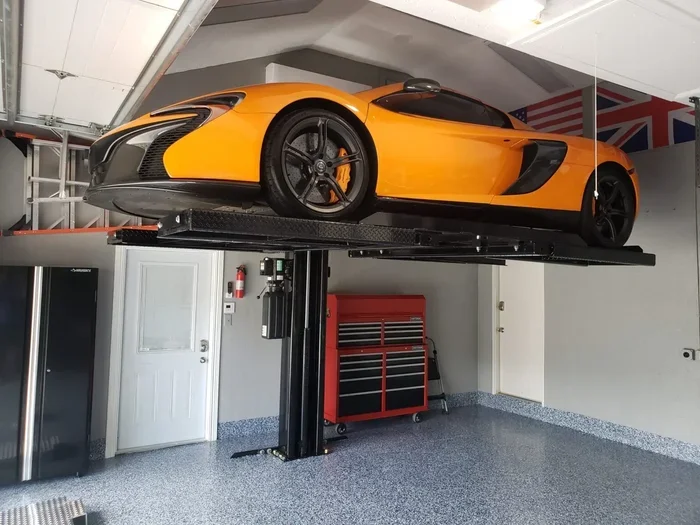
Why A Car Lift For Garage Is A Game Changer For Homeowners
A car lift for garage is one of the smartest upgrades a homeowner can make. It frees up valuable floor space, makes vehicle maintenance easier, and adds serious resale value to your property. Whether you own a two post car lift or a scissor lift, the benefits are clear and immediate.
Have you ever walked into your garage and felt like there was just not enough room? Cars take up a ton of space. Add in bikes, lawn equipment, and storage bins, and suddenly your garage feels more like a cluttered hallway than a functional workspace. The good news is that a car lift for garage can completely change the game.
Installing a vehicle lift in your home garage is not just for gearheads or professional mechanics anymore. Everyday homeowners are discovering how much easier life becomes when they can park their car up high and use the space underneath. From simple oil changes to full engine builds, a garage car lift puts you in control of your vehicle maintenance. In this guide, we will walk you through everything you need to know. We will cover the different types of lifts, how to choose the right one, and why this upgrade might be the best decision you make for your home this year.
Let us be real for a second. Most of us do not have a separate shop or a big barn. Our cars live in the garage. And that garage also needs to store seasonal items, tools, and maybe even serve as a workspace. A car lift for garage solves this problem instantly. You get your floor space back, your car gets the attention it deserves, and your home becomes more functional. Sound good? Let us dive in.
Key Takeaways
- Space Savings: A car lift for garage frees up floor space for parking, storage, or a workshop area.
- Cost Savings: Doing your own oil changes, tire swaps, and repairs at home saves hundreds per year.
- Multiple Lift Types: Two post, four post, and scissor lifts each serve different needs and budgets.
- Easy Installation: Most home garage lifts are designed for straightforward setup with basic tools.
- Safety Features: Modern lifts include locking mechanisms, load sensors, and reinforced frames for peace of mind.
- Property Value Boost: A well-installed garage lift makes your home more attractive to buyers.
📑 Table of Contents
- Why A Car Lift For Garage Is Worth The Investment
- Types Of Car Lifts For Your Garage
- How To Choose The Right Car Lift For Your Garage
- Safety Tips For Using A Garage Car Lift
- Installation And Setup Guide
- Common Mistakes To Avoid With Garage Car Lifts
- Quick Tips For Getting The Most Out Of Your Garage Lift
- Expert Insights On Garage Lifts
- Conclusion
Why A Car Lift For Garage Is Worth The Investment
When most people think about car lifts, they picture big commercial garages or racing shops. But the truth is, a garage vehicle lift is now affordable and practical for regular homeowners. The reasons to invest go way beyond just looking cool in your garage.
Reclaim Your Floor Space
The most immediate benefit of a two post car lift or any other type is the space you get back. When your car sits on the ground, it takes up the entire footprint of your garage. Put it on a lift, and suddenly you have room underneath for shelving, a workbench, or even a second vehicle. For homeowners with small garages, this is a total game changer.
Think about how much time you spend searching for things in a crowded garage. A garage lift clears the floor and makes organization much easier. You can store seasonal items, tools, and equipment in the newly freed space without tripping over your car every time you need something.
Save Money On Auto Repairs
Every time you take your car to a shop for an oil change or a tire rotation, you pay labor costs on top of parts. A hydraulic car lift at home lets you handle these jobs yourself. Over the course of a year, those savings add up fast. Even if you only do basic maintenance, you can easily save several hundred dollars annually.
Beyond simple maintenance, having a vehicle lift at home means you can spot problems early. You will see leaks, worn parts, and suspension issues much more easily when you can look underneath your car comfortably. Catching small problems early prevents expensive repairs down the road.
Boost Your Home Resale Value
Here is something not many people think about. A professionally installed car lift for garage can increase your home resale value. Homebuyers love garages that are set up as functional workspaces. A clean, well-organized garage with a garage lift signals that the home has been well maintained and offers extra utility. It is a selling point that sets your property apart.
Types Of Car Lifts For Your Garage
Not all lifts are created equal. Different types serve different purposes, and choosing the right one depends on your garage size, budget, and what you plan to do with it. Let us break down the most popular options.
Two Post Car Lift
The two post car lift is the most popular choice for home garages. It uses two vertical posts, one on each side, to raise the vehicle. This design gives you full access to the underside of your car from all angles. It is perfect for oil changes, brake jobs, and suspension work.
Two post lifts come in two styles: symmetrical and asymmetrical. Symmetrical lifts position the arms equally on both sides. Asymmetrical lifts angle the arms differently, which makes it easier to open your car doors while parked on the lift. For most homeowners, an asymmetrical two post lift is the better choice because it reduces door-to-post contact.
Pros:
- Full 360-degree access to the vehicle
- Saves maximum floor space
- Available in many weight capacities
- Looks sleek and professional
Cons:
- Requires proper floor anchoring
- Higher upfront cost than some other options
- Needs adequate ceiling height
Four Post Car Lift
A four post car lift uses four vertical posts and a ramp to drive the vehicle onto a platform. This type is incredibly stable and can handle heavier vehicles like trucks and SUVs. Many homeowners use a four post lift for long-term storage or as a platform for a scissor lift or other equipment mounted on top.
Four post lifts are also great for aligning wheels and doing heavy-duty work. Because the car sits on a flat platform, the ride up is smooth and easy. You do not have to worry about balancing the vehicle the way you do with a two post lift.
Pros:
- Extremely stable and sturdy
- Easy to drive onto the platform
- Great for heavy vehicles and long-term storage
- Can be used as a base for other equipment
Cons:
- Takes up more floor space
- Does not give full underside access without a lower lift
- Heavier and harder to move if you ever relocate
Scissor Lift
A scissor lift uses a folding platform mechanism that raises the vehicle straight up. These lifts are compact and often portable, making them a great option for homeowners with limited space. A scissor car lift is ideal for quick jobs like oil changes or tire rotations where you just need a little height.
Scissor lifts are generally more affordable than two post or four post models. They also require less complex installation. However, they do not offer the same level of access to the underside of the vehicle. If you plan to do serious mechanical work, a scissor lift might feel limiting.
Pros:
- Compact and space-efficient
- Lower cost than other lift types
- Easy to install and move
- Good for light maintenance tasks
Cons:
- Limited ground clearance underneath
- Not ideal for heavy or large vehicles
- Less access for complex repairs
Overhead Garage Lift
An overhead garage lift mounts to the ceiling and raises the vehicle straight up into the air. This design is perfect for maximizing floor space in a single-car garage. When the lift is raised, the entire floor area below becomes completely open for parking another vehicle or storing items.
Overhead lifts are becoming increasingly popular in residential garages because of their space-saving design. They work best in garages with high ceilings. If you have a standard 8-foot ceiling, you might need to look at models designed for lower clearance. The overhead lift is a fantastic option for homeowners who want to fit two cars in a single garage.
How To Choose The Right Car Lift For Your Garage
With so many options on the market, picking the right car lift for garage can feel overwhelming. Let us simplify the process with some practical guidance.
Consider Your Garage Size
Measure your garage before you buy anything. You need enough clearance for the lift to raise the vehicle fully without hitting the ceiling. A good rule of thumb is to have at least 12 inches of clearance above the highest point of your vehicle when the lift is fully raised. Also consider the floor space the lift itself will occupy.
If you have a tight two-car garage, a two post lift or an overhead lift will save you the most space. If you have a larger garage, a four post lift gives you more versatility and stability.
Check The Weight Capacity
Every lift has a maximum weight rating. Make sure the lift capacity matches or exceeds the weight of your vehicle. Most passenger cars weigh between 3,000 and 4,500 pounds. Trucks and SUVs can weigh 6,000 pounds or more. Always choose a lift with a higher capacity than your vehicle weight to be safe.
Think About Your Budget
Car lift cost varies widely depending on the type and brand. A basic scissor lift can start around $2,000. A quality two post lift typically ranges from $3,000 to $6,000. A four post lift usually falls between $2,500 and $5,000. Overhead lifts can range from $3,000 to $7,000 or more. Factor in installation costs and any floor reinforcement you might need.
Evaluate Your Skill Level
Some lifts are easier to install than others. A scissor lift is often the simplest to set up. A two post lift requires more precise anchoring and leveling. If you are not comfortable with a DIY installation, many manufacturers offer professional installation services. It is worth the extra cost to ensure everything is safe and level.
Safety Tips For Using A Garage Car Lift
A car lift for garage is incredibly useful, but safety must always come first. These machines hold your vehicle in the air, and a malfunction can be dangerous. Follow these guidelines to keep yourself and your family safe.
Always Use Proper Floor Anchoring
Most automotive lift models require bolting to a concrete floor. Never skip this step. The anchors prevent the lift from tipping or shifting while under load. If your garage has a thin or cracked slab, you may need to reinforce the floor before installation. Consult a professional if you are unsure about your floor condition.
Check The Load Rating Regularly
Do not exceed the lift weight rating ever. Overloading a lift is the number one cause of lift failures. Check the rating on the manufacturer’s plate and make sure your vehicle falls within that limit. Also inspect the lift regularly for wear on cables, hydraulics, and locking mechanisms.
Use Lift Blocks And Safety Stands
Even with a reliable garage car lift, always place lift blocks under the vehicle when you are working underneath it. Never rely solely on the lift as your only support. A hydraulic car lift can lose pressure, and you do not want your vehicle coming down while you are underneath it.
Keep The Area Clear
When the lift is raised, keep the area around it clear of clutter. Make sure no one walks under a raised vehicle unless the lift is locked and safety stands are in place. Teach children that the lift is not a toy and establish clear boundaries in your garage.
Installation And Setup Guide
Installing a car lift for garage is a project most handy homeowners can tackle over a weekend. Here is a general overview of what to expect.
Step 1: Prepare The Floor
First, make sure your garage floor is clean, level, and structurally sound. The garage floor needs to support the weight of the lift plus your vehicle. If you have any cracks or uneven spots, fill them in before you begin. Mark the exact spot where the lift will go, making sure it is centered and balanced.
Step 2: Assemble The Lift
Follow the manufacturer’s instructions carefully. Most two post lifts and four post lifts come with detailed assembly guides. You will typically need basic tools like a socket set, torque wrench, and level. Do not skip any steps, especially when it comes to tightening bolts to the correct torque specification.
Step 3: Anchor The Lift
Drill holes into the concrete floor for the anchor bolts. Use a hammer drill with the proper masonry bit. Insert the anchors and tighten them securely. For a two post car lift, make sure both posts are perfectly plumb before fully tightening. Use a level on all four sides of each post.
Step 4: Test The Lift
Before you put your car on the lift, test it with weight first. Slowly raise the lift to full height and hold it for several minutes. Check for any leaks, unusual noises, or instability. Lower it back down and repeat the process a couple of times. Once you are confident everything works correctly, you can start using it with your vehicle.
Step 5: Maintain Regularly
Keep your garage lift in top shape with regular maintenance. Check hydraulic fluid levels monthly. Inspect cables and chains for wear. Lubricate moving parts according to the manufacturer’s schedule. A well-maintained automotive lift will last for decades and keep you safe every time you use it.
Common Mistakes To Avoid With Garage Car Lifts
Even the best car lift for garage can cause problems if you make avoidable mistakes. Here are the most common ones homeowners should watch out for.
- Skipping the floor inspection: A weak or uneven floor can cause the lift to settle or shift over time. Always assess your floor before installation.
- Buying the wrong size: Measure your garage and vehicle carefully. A lift that is too small or too large will not work properly.
- Ignoring weight limits: Overloading your lift capacity is dangerous and will void your warranty.
- Neglecting maintenance: Hydraulic fluid leaks, worn cables, and loose bolts can all lead to serious accidents if not addressed promptly.
- DIYing without experience: If you have never installed a heavy mechanical system before, consider hiring a professional. The cost of professional installation is small compared to the cost of a mistake.
- Parking unevenly on the lift: Always center your vehicle on the lift platform. Off-center loading puts uneven stress on the posts and can cause the lift to tilt.
Quick Tips For Getting The Most Out Of Your Garage Lift
Here are some practical tips to help you get the most value from your car lift for garage:
- Paint the lift columns in a bright color so they are easy to see and avoid bumping into them.
- Install LED lights under the lift platform for better visibility when working underneath your car.
- Keep a maintenance log to track fluid checks, bolt inspections, and any repairs needed.
- Use the lift for storage too. Hang bikes, kayaks, or seasonal items from the posts or ceiling when the lift is raised.
- Practice driving on the lift a few times before you actually need to do maintenance. It takes a little getting used to.
- Label your lift with the weight capacity and model number in case you ever need to reference it.
Expert Insights On Garage Lifts
We spoke with several professional mechanics and garage designers about garage car lifts. Their advice was consistent: invest in quality over price. A cheaper lift might save you money upfront, but it could cost you more in repairs, maintenance, and safety concerns down the road. Look for brands with solid warranties and good customer support.
Another expert tip is to plan your garage layout before you buy a vehicle lift. Think about where you park, where you store tools, and how you move around the space. A two post car lift works best when placed near the garage door for easy vehicle access. A four post lift can go anywhere there is enough floor space and ceiling height.
One thing every expert agreed on is that a car lift for garage changes how you interact with your vehicle. Once you have one, you will wonder how you ever lived without it. The convenience of doing your own maintenance at home is hard to beat.
Conclusion
A car lift for garage is truly one of the best upgrades a homeowner can make. It transforms your garage from a cramped parking space into a fully functional workspace. You get more room, more convenience, and more control over your vehicle maintenance. With the right garage lift, you can handle oil changes, tire rotations, brake jobs, and much more without ever leaving your property.
The key is choosing the right type of lift for your space and needs. A two post car lift offers excellent access and space savings. A four post lift provides stability and versatility. A scissor lift is a budget-friendly option for lighter work. And an overhead garage lift is perfect for maximizing every square inch of your garage.
Whatever you choose, make safety your top priority. Anchor the lift properly, respect the weight limits, and maintain it regularly. With the right setup and a little practice, your car lift for garage will serve you well for years to come. Your car, your garage, and your wallet will all thank you.
Frequently Asked Questions
How much does it cost to install a car lift in a garage?
The total cost depends on the type of lift you choose. A basic scissor lift with installation can cost around $2,500 to $4,000. A two post lift typically runs between $3,500 and $7,000 including professional setup. Four post lifts and overhead models fall in a similar range. Always get quotes from at least two installers before committing.
Can any garage support a car lift?
Most standard concrete garages can support a car lift, but the floor must be structurally sound. If your garage has a thin slab, cracks, or an uneven surface, you may need floor reinforcement first. A structural engineer can assess your floor and recommend any necessary upgrades before you install a garage car lift.
What is the best car lift for a small two-car garage?
For a small two-car garage, a two post car lift is usually the best choice. It takes up minimal floor space and gives you full access underneath the vehicle. An overhead garage lift is another excellent option because it frees up the entire floor area when the car is raised. Measure your space carefully before purchasing.
How much ceiling height do I need for a car lift?
This depends on the lift type and your vehicle height. Most two post lifts require at least 10 to 12 feet of ceiling clearance. Four post lifts need slightly less because the vehicle sits lower on the platform. Scissor lifts are the most compact and work well in garages with as little as 9 feet of clearance. Always check the manufacturer’s specifications before buying.
Is it hard to maintain a garage car lift?
Not at all. Basic lift maintenance involves checking hydraulic fluid levels monthly, inspecting cables and bolts for wear, and lubricating moving parts a few times a year. Most manufacturers provide a detailed maintenance schedule. Staying on top of these simple tasks will keep your automotive lift running smoothly for many years.
Can I install a car lift myself?
Some homeowners with strong DIY skills can install a car lift for garage on their own, especially scissor and four post models. However, two post lifts require precise leveling and anchoring, which can be challenging. If you are unsure about your ability, hiring a professional installer is a smart investment. Proper installation ensures safety and keeps your warranty valid.