How Many Miles Is Too Many for Your Toyota Corolla
So, how many miles is too many for a Toyota Corolla? Most experts agree that a Corolla can comfortably last 200,000 to 300,000 miles with proper care. The Toyota Corolla is one of the most reliable sedans on the road, and its lifespan depends heavily on maintenance, driving habits, and overall condition. Whether you are buying used or keeping your current ride, understanding high mileage limits helps you make smarter decisions.
When you are shopping for a Toyota Corolla, one question keeps coming up: how many miles is too many? Whether you are browsing used car listings or deciding whether to hold onto your current ride, mileage matters. But here is the thing — mileage alone does not tell the whole story.
A Toyota Corolla with 180,000 miles that was loved and maintained can easily outperform a Corolla with 60,000 miles that sat in a driveway for years. The Toyota Corolla has earned a reputation as one of the most dependable compact sedans ever built. People drive them well past the 200,000-mile mark all the time. But there are limits, and knowing where those limits lie saves you from expensive surprises.
In this guide, we break down everything you need to know about Toyota Corolla mileage limits. We cover what counts as high mileage, the signs of wear and tear, what to look for when buying used, and how to push your Corolla well beyond the expected lifespan. By the end, you will feel confident making any mileage-related decision.
Key Takeaways
- 200,000 miles is the sweet spot: Most Toyota Corollas can handle 200,000+ miles without major issues when properly maintained.
- Maintenance is everything: Regular oil changes, fluid flushes, and timely repairs dramatically extend a Corolla’s lifespan.
- High mileage doesn’t always mean bad: A well-cared-for Corolla with 150,000 miles may be in better shape than a low-mileage car that was neglected.
- Watch for warning signs: Know the common problems that pop up at high mileage so you can catch them early.
- Resale value stays strong: Even high-mileage Corollas hold their value better than most competing sedans.
- Driving habits matter: Gentle driving and avoiding extreme conditions help your Corolla last longer.
- Get a pre-purchase inspection: Always inspect a used Corolla before buying, especially if it has over 100,000 miles.
📑 Table of Contents
- What Counts as High Mileage for a Toyota Corolla?
- Why the Toyota Corolla Holds Up So Well
- Signs That High Miles Are Taking a Toll
- How to Know If a High-Mileage Corolla Is Worth Buying
- Tips for Making Your Corolla Last Beyond 200,000 Miles
- Common Mistakes People Make With High-Mileage Corollas
- Final Thoughts
What Counts as High Mileage for a Toyota Corolla?
Let us start with the basics. When people ask about how many miles is too many for a Toyota Corolla, they usually want a number. And while there is no single magic figure, some general guidelines help.
Understanding Average Annual Mileage
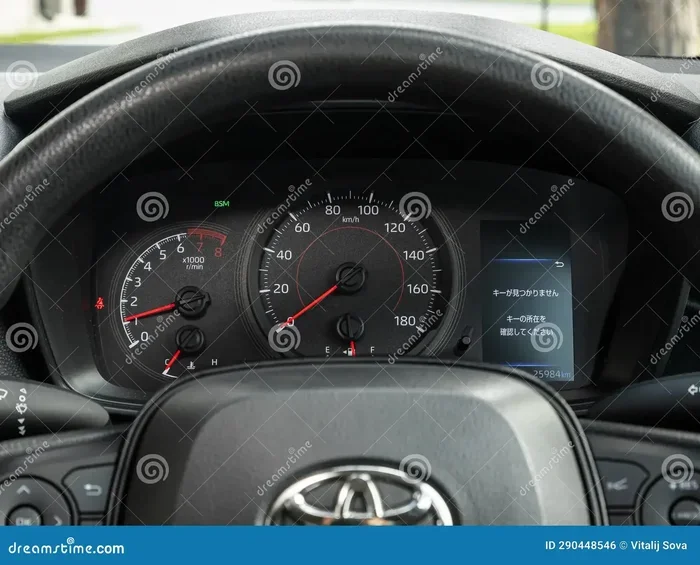
The average American driver covers about 13,000 to 15,000 miles per year. That means a five-year-old Corolla should have roughly 65,000 to 75,000 miles on the odometer. A ten-year-old model might sit around 130,000 to 150,000 miles. These numbers give you a baseline for what is normal.
When a Corolla exceeds these averages by a wide margin, people start calling it high mileage. But remember, high mileage is relative. A car driven 20,000 miles a year in a busy city faces more wear than one driven 10,000 miles a year on long highway trips.
Corolla Mileage by Generation
Different generations of the Corolla have different lifespans. Here is a quick look at what to expect:
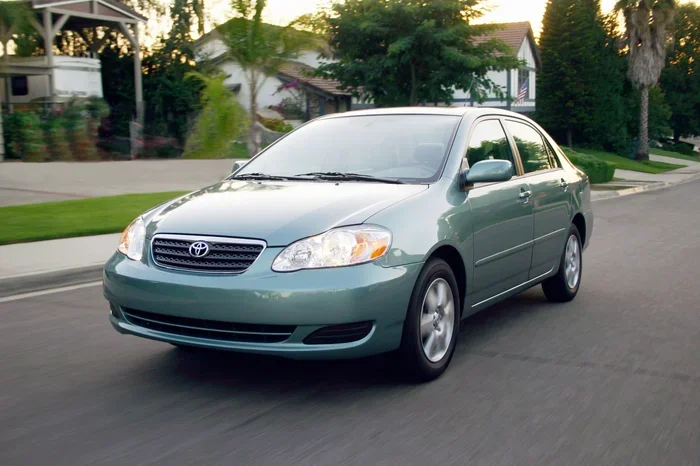
- 2003–2008 (E120/E130): These older models often hit 250,000 miles with proper care. Many still run strong today.
- 2009–2013 (E140): Solid reliability. 200,000 miles is very achievable for this generation.
- 2014–2019 (E170/E180): Modern engineering and better materials push potential lifespan even further.
- 2020–Present (E210): Too early to judge long-term, but early data looks promising for 250,000+ miles.
If you are comparing a used model, check how many miles on a car is a red flag before making an offer. A sudden spike in mileage or inconsistent service records should raise concerns.
Why the Toyota Corolla Holds Up So Well
The Corolla is not just lucky. Toyota built this car with longevity in mind. Several factors contribute to the Corolla’s legendary staying power.
Engine Reliability
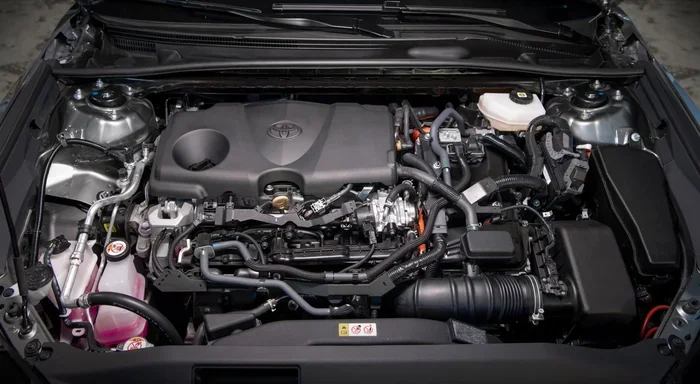
The Corolla’s engines are simple, proven designs. They use durable materials and do not rely on overly complex technology. The 1.8-liter and 2.0-liter engines found in recent models are known for running smoothly well past 200,000 miles. Unlike some engines that develop expensive problems after 100,000 miles, the Corolla engine tends to wear gradually and predictably.
Regular oil changes and coolant flushes keep these engines healthy for the long haul. Skipping these basics is the fastest way to shorten a Corolla’s engine life.
Maintenance-Friendly Design
Toyota designed the Corolla to be easy and affordable to maintain. Parts are widely available and reasonably priced. Most independent mechanics know the Corolla inside and out. You do not need a specialty shop to keep one running well.
This accessibility means more owners actually keep up with scheduled maintenance. And that consistency is what separates a Corolla that lasts 150,000 miles from one that hits 300,000.
Simple, Proven Technology
Toyota has avoided over-complicating the Corolla with flashy gadgets. Fewer electronic systems mean fewer things that can break. While modern Corollas do include more technology than older models, the core mechanical components remain straightforward and reliable.
Signs That High Miles Are Taking a Toll
Even the best-built cars show their age eventually. Knowing what to look for helps you catch problems before they become expensive repairs. Here are the most common warning signs in a high-mileage Corolla.
Warning Signs to Watch For
- Check engine light: Do not ignore this. Use an OBD-II scanner to check for codes, or visit a mechanic. Common issues include oxygen sensor failures and catalytic converter problems.
- Excessive oil consumption: If you need to add oil between changes, the engine may be wearing internally.
- Rough idling or stalling: These symptoms often point to spark plug wear, fuel injector issues, or vacuum leaks.
- Transmission hesitation: A Corolla that hesitates or jerks when shifting may need a transmission fluid change or more serious repair.
- Suspension noise: Clicking or clunking over bumps suggests worn shocks, struts, or bushings.
- Rust or corrosion: Especially on older models, check the wheel wells, undercarriage, and door frames carefully.
Common Repairs at High Mileage
Certain repairs become more likely as mileage climbs. Being aware of these helps you budget ahead:
- Timing belt replacement: Usually needed between 100,000 and 120,000 miles. This is a critical service that prevents catastrophic engine damage.
- Brake system overhaul: Rotors, pads, and calipers wear out faster on high-mileage cars. Expect to replace these every 50,000 to 70,000 miles.
- Water pump and thermostat: These components often fail together around the 150,000-mile mark.
- Suspension components: Control arms, ball joints, and tie rods wear out over time, especially in areas with rough roads.
- Exhaust system: Rust and corrosion can cause exhaust leaks, particularly in older models or cars from cold climates.
If you notice any of these issues, do not panic. Many of these repairs are routine and affordable, especially on a Corolla. The key is catching them early before they cause secondary damage.
How to Know If a High-Mileage Corolla Is Worth Buying
So you found a Corolla with 160,000 miles on the clock. Should you buy it? Not so fast. Here is how to evaluate a high-mileage Corolla the right way.
Service History Matters
A service history tells you more about a car’s condition than the odometer ever will. Look for records of regular oil changes, tire rotations, brake inspections, and fluid replacements. A Corolla with complete records at 150,000 miles is often a better buy than one with 80,000 miles and no paperwork.
Ask the seller or dealer for maintenance logs. If they cannot provide records, factor that uncertainty into your offer. A lack of service history is one of the biggest risks when buying a high-mileage vehicle.
Getting a Pre-Purchase Inspection
Always get a pre-purchase inspection from a trusted mechanic. This is non-negotiable for any car with over 100,000 miles. A professional inspection costs around $100 to $200 but can save you thousands in unexpected repairs.
During the inspection, ask the mechanic to check:
- Engine compression and overall health
- Transmission operation and fluid condition
- Suspension and steering components
- Brake system condition
- Cooling system for leaks or weakness
- Electrical systems and wiring
Think of the inspection as insurance. It gives you facts instead of guesses. And if the seller refuses an inspection, that is a red flag worth taking seriously.
Resale Value Considerations
One advantage of the Corolla is its resale value. Even high-mileage models hold their worth better than most competitors. If you are buying a used Corolla as a stepping stone, you will likely recoup a good portion of your investment when it is time to sell.
To understand what your investment is really worth, check out how to determine the actual cash value of a car before making a purchase. This helps you negotiate fairly and avoid overpaying for a vehicle that needs immediate work.
Tips for Making Your Corolla Last Beyond 200,000 Miles
If you already own a Corolla or are planning to keep one for the long haul, these tips help maximize its lifespan.
Regular Maintenance Habits
Consistency is the single most important factor in vehicle longevity. Follow the manufacturer’s maintenance schedule to the letter. Here are the essentials:
- Oil changes every 5,000 to 7,500 miles: Do not stretch intervals. Fresh oil protects the engine from wear.
- Coolant flushes every 30,000 miles: Prevents overheating and internal corrosion.
- Transmission fluid changes every 60,000 miles: Keeps shifting smooth and extends transmission life.
- Brake fluid flushes every 2 years: Brake fluid absorbs moisture over time, reducing braking effectiveness.
- Tire rotations every 5,000 miles: Promotes even wear and improves fuel economy.
- Air filter replacements: A clean air filter improves engine performance and fuel efficiency.
Many of these services are inexpensive but deliver enormous long-term value. Skipping them to save a few dollars today often leads to costly repairs tomorrow.
Driving Habits That Extend Life
How you drive affects how long your car lasts. Consider adopting these habits:
- Warm up the engine gently: Avoid revving high immediately after starting. Let the oil circulate for 30 seconds to a minute.
- Avoid hard braking: Smooth driving reduces stress on brakes, transmission, and suspension.
- Do not overload the vehicle: Exceeding the weight limit strains the engine, brakes, and suspension. If you are hauling heavy items, check how much weight can a regular car carry first.
- Address small issues quickly: A small noise today can become a major repair next month. Early intervention saves money.
- Store the car properly: If a Corolla sits unused for extended periods, it can develop battery drain, flat spots on tires, and fluid degradation.
Gentle, consistent driving is the secret weapon of cars that reach 300,000 miles. It sounds simple, but it works.
When to Let Go of Your Corolla
Even the best cars reach a point where continued ownership no longer makes financial sense. Here are signs it might be time to move on:
- Major engine or transmission failure requiring expensive repairs
- Extensive rust that compromises structural integrity
- Repair costs exceeding the car’s current market value
- Safety features that no longer meet your needs
- Failing emissions tests that require repairs exceeding the car’s worth
Knowing when to say goodbye is just as important as knowing how to keep a car running. A well-timed replacement protects your wallet and keeps you safe on the road.
Common Mistakes People Make With High-Mileage Corollas
Avoid these pitfalls that shorten the life of any vehicle, and especially high-mileage Corollas:
- Skipping scheduled maintenance: This is the number one killer of high-mileage cars. Do not miss oil changes or fluid replacements.
- Ignoring warning lights: Your car communicates problems through dashboard alerts. Address them promptly.
- Buying without an inspection: Never purchase a high-mileage car sight unseen. Always get a professional inspection.
- Using cheap parts and fluids: Low-quality oil, filters, and brake fluid accelerate wear. Stick with quality products.
- Driving through severe conditions without extra care: Extreme heat, cold, dust, and humidity all take a toll. Adjust your maintenance schedule accordingly.
If you are comparing mileage concerns across different vehicle types, check how many miles is 12 gallons of gas to understand fuel economy better. And if you are worried about how a specific mileage figure compares, see is 145000 miles a lot for additional context on high-mileage thresholds.
Final Thoughts
The answer to how many miles is too many for a Toyota Corolla is not a single number. It is a combination of maintenance history, driving conditions, and overall care. A Corolla that has been treated well can easily surpass 250,000 miles and continue running strong for years beyond that.
The Toyota Corolla remains one of the best values in the automotive world. Whether you are buying a used one or keeping your current model, understanding mileage and its implications puts you in control. Focus on the basics — regular maintenance, gentle driving, and timely repairs — and your Corolla will reward you with years of dependable service.
Do not let a high odometer reading scare you away from a good car. Instead, use the information in this guide to make informed decisions. Know what to look for, what to budget for, and when to celebrate the miles rather than fear them.
A well-maintained Toyota Corolla does not just survive high mileage. It thrives. And that is exactly what makes it one of the smartest purchases on the road today.
Frequently Asked Questions
Is 200,000 miles a lot for a Toyota Corolla?
Not really. A Toyota Corolla is built to last well beyond 200,000 miles with proper maintenance. Many owners report their Corollas reaching 250,000 to 300,000 miles without major issues. At 200,000 miles, the car is roughly halfway through its expected lifespan.
What is the average lifespan of a Toyota Corolla in miles?
Most Toyota Corollas last between 200,000 and 300,000 miles. Some well-maintained examples push past 300,000 miles. The key factors are regular oil changes, timely repairs, and avoiding severe driving conditions.
Should I buy a Toyota Corolla with over 150,000 miles?
It depends on the car’s history. A Corolla with 150,000 miles and full service records is often a great buy. But a car with the same mileage and no maintenance history could be risky. Always get a pre-purchase inspection before buying.
What mileage is considered high for a Toyota Corolla?
Anything above 150,000 miles is generally considered high mileage for a Corolla. However, high mileage does not automatically mean bad condition. Maintenance history and overall condition matter far more than the number on the odometer.
How can I make my Toyota Corolla last longer?
Stick to the manufacturer’s maintenance schedule, change oil regularly, use quality parts and fluids, and drive gently. Address small problems before they become big ones. These simple habits add years — and tens of thousands of miles — to your Corolla’s life.
Do Toyota Corollas hold their value at high mileage?
Yes. Corollas are known for strong resale value even at high mileage. A well-maintained Corolla with 150,000 or 200,000 miles still attracts buyers. Check the actual cash value before selling to ensure you get a fair price.