How Long Will a 57L Toyota Tundra Engine Ever Last
How Long Will a 5.7L Tundra Engine Last? is an essential topic that provides valuable insights and practical knowledge for anyone interested in learning more about this subject.
How Long Will a 5.7L Toyota Tundra Engine Ever Last
The 5.7L Tundra engine is one of the most talked-about powerplants in the full-size truck world. If you own or are thinking about buying a Toyota Tundra with this V8, you probably want to know one thing: how many miles can you really expect to get out of it? The answer might surprise you. With the right care and attention, this engine can easily surpass 300,000 miles and keep going strong. In this guide, we will break down everything you need to know about the 5.7L Tundra engine lifespan, from factory specs to real-world owner reports.
Toyota built the 5.7L V8, also known as the 2UR-FE, with durability in mind. It has been the heartbeat of the Tundra since the second generation launched in 2007. Many truck owners push these engines past the 200,000-mile mark without major issues. But not every Tundra engine reaches that milestone. Maintenance habits, driving conditions, and environmental factors all play a huge role in determining how long your specific engine will last. Let us dive into the details.
Key Takeaways
- Regular maintenance is the single biggest factor in extending your Tundra engine life.
- The 5.7L V8 reliably lasts 200,000+ miles with consistent, proper care.
- Avoid heavy towing without adequate cooldown periods to protect engine internals.
- Change your oil every 5,000 miles using the recommended grade for best results.
- Monitor your cooling system closely since overheating causes the most severe engine damage.
- Replace timing chains and spark plugs on schedule to prevent costly major repairs.
- Use genuine Toyota parts and quality fluids to maximize long-term engine durability.
📑 Table of Contents
- Understanding the 5.7L V8 Engine in the Toyota Tundra
- Expected Lifespan of the 5.7L Tundra Engine
- Factors That Affect Engine Longevity
- Signs Your 5.7L Engine Needs Attention
- Maintenance Schedule for Maximum Engine Life
- How to Extend Your 5.7L Tundra Engine Life
- Is the 5.7L Tundra Engine Worth the Investment?
- Key Takeaways
Understanding the 5.7L V8 Engine in the Toyota Tundra
What Makes the 2UR-FE Engine Special
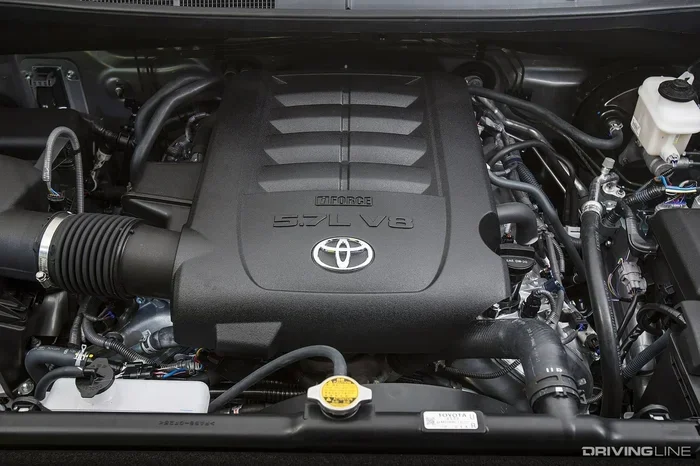
The 5.7L V8 found in the Toyota Tundra is a naturally aspirated engine that produces 381 horsepower and 401 lb-ft of torque. It uses a cast iron block with aluminum heads, which gives it a great balance of strength and heat dissipation. The engine features dual overhead cams, variable valve timing, and a chain-driven timing system. These design choices contribute to a long service life when properly maintained.
One of the reasons the 5.7L V8 has earned a strong reputation is its simplicity compared to newer turbocharged or direct-injection engines. Fewer complex components means fewer things that can go wrong over time. The Toyota reliability rating for this engine consistently ranks above average among full-size truck engines. That is a big reason why many owners hold onto their Tundras for well over a decade.
Engine Specs at a Glance
| Specification | Detail |
|---|---|
| Engine Displacement | 5.7 Liters |
| Configuration | V8, Naturally Aspirated |
| Horsepower | 381 hp @ 5,600 RPM |
| Torque | 401 lb-ft @ 3,600 RPM |
| Block Material | Cast Iron |
| Timing System | Chain-Driven |
| Fuel System | Multi-Port Fuel Injection |
| Compression Ratio | 10.8:1 |
| First Available Year | 2007 (2nd Gen Tundra) |
These specs tell you why the 5.7L Tundra engine can handle heavy towing and hard work day after day. The cast iron block absorbs heat well, and the chain-driven timing system is built to last the life of the engine in most cases.
Expected Lifespan of the 5.7L Tundra Engine
Factory-Expected Engine Life
Toyota does not publish an official engine lifespan number, but internal engineering standards suggest the 5.7L V8 is designed to last well beyond 250,000 miles under normal conditions. Many mechanics and Toyota specialists agree that with regular maintenance, you can reasonably expect 250,000 to 350,000 miles from a 5.7L Tundra engine. Some dedicated owners have reported pushing past 400,000 miles with only minor repairs along the way.
So, how does this compare to other full-size truck engines? The Ford 6.2L V8 and the GM 6.0L Vortec are also known for durability, but the Toyota 5.7L often comes out ahead in long-term reliability discussions. The Toyota Tundra engine reliability advantage comes down to conservative tuning, quality materials, and a design philosophy that prioritizes longevity over peak output.
Real-World Mileage Reports
When you look at actual owner data, the picture becomes even clearer. Many Tundra forums show owners reporting 200,000 to 300,000 miles with original engines still running strong. Some common patterns emerge from these reports:
- 200,000 miles is considered routine and achievable for most well-maintained Tundras.
- 250,000 miles is where you start seeing higher maintenance costs, but the engine is still going.
- 300,000+ miles is possible but requires diligent care and prompt attention to any issues.
If you are curious about what counts as high mileage for a Tundra, check out this guide on 000 Miles A Lot For A Toyota Tundra to put things in perspective.
Factors That Affect Engine Longevity
Maintenance Habits
The single biggest factor in how long your 5.7L Tundra engine will last is how well you maintain it. Oil changes are the foundation of engine health. Toyota recommends changing the oil every 5,000 to 7,500 miles under normal driving conditions. If you tow frequently or drive in dusty areas, you should shorten that interval to every 3,000 to 5,000 miles.
Here are the key maintenance tasks that directly impact engine longevity:
- Regular oil changes with high-quality synthetic or conventional oil
- Timing chain inspection at around 150,000 miles
- Coolant flushes every 60,000 to 100,000 miles
- Spark plug replacements according to the maintenance schedule
- Air filter changes every 15,000 to 30,000 miles
- Transmission fluid changes every 60,000 miles
Skipping any of these items can lead to premature wear or catastrophic failure. If you want to learn more about making your truck last longer overall, read How To Make A Car Last 500 for practical strategies that apply to any vehicle.
Driving Conditions and Usage
How and where you drive your Tundra matters more than you might think. Severe driving conditions include stop-and-go traffic, extreme temperatures, dusty roads, and heavy towing. If you regularly haul heavy loads or tow a trailer, your engine works harder and experiences more stress. This does not mean it will fail early, but it does mean you need to be more attentive to maintenance intervals.
Cold weather also plays a role. How long can a car sit in cold weather without issues? If your Tundra sits unused for extended periods in freezing temperatures, the engine oil can thicken and fail to lubricate properly when you first start it. Short trips in cold weather are especially hard on engines because they do not reach full operating temperature. If you live in a cold climate, consider using a block heater or letting your truck warm up for a minute or two before driving.
Fuel Quality and Usage
The 5.7L V8 runs best on premium unleaded fuel with an octane rating of 91 or higher. Using lower-octane fuel can cause engine knock, which over time can damage pistons and other internal components. While the engine has a compression ratio of 10.8:1 that tolerates regular fuel in a pinch, consistently using premium fuel will help your engine last longer and run smoother.
Also, keep in mind that the 5.7L Tundra is a thirsty engine. Fuel economy is not its strong suit, so plan for higher fuel costs compared to smaller trucks or SUVs.
Signs Your 5.7L Engine Needs Attention
Warning Lights and Sounds
Your Tundra will tell you when something is wrong if you pay attention. The check engine light is the most obvious warning sign. If it comes on, do not ignore it. A flashing check engine light is even more urgent and usually indicates a misfire that can damage the catalytic converter if not addressed quickly.
Listen for unusual sounds as well. A ticking noise from the top of the engine could indicate low oil pressure or worn valve lifters. A rattling sound, especially on cold starts, might point to a stretching timing chain. The 5.7L Tundra is known to develop timing chain issues at higher mileage, so early detection is critical.
Performance Changes to Watch For
Pay attention to how your truck feels and drives. Any of the following signs should prompt you to visit a mechanic:
- Loss of power when accelerating or hauling
- Rough idling or hesitation during acceleration
- Decreased fuel economy that cannot be explained by driving habits
- Oil consumption that exceeds normal levels (more than one quart per 1,000 miles)
- Coolant leaks or frequent need to top off the coolant reservoir
- Exhaust smoke — blue smoke means oil burning, white smoke could indicate a coolant leak
Catching these signs early can save you from expensive repairs down the road. A small problem left unchecked can turn into a major engine issue that shortens the overall lifespan of your 5.7L V8.
Maintenance Schedule for Maximum Engine Life
Follow the Factory Maintenance Plan
Toyota provides a detailed maintenance schedule in every Tundra owner’s manual. Following it is the easiest way to ensure your 5.7L engine reaches its full potential lifespan. Here is a simplified breakdown of the major service intervals:
- Every 5,000 miles: Oil and filter change, tire rotation, visual inspection
- Every 15,000 miles: Replace engine air filter, inspect brake system
- Every 30,000 miles: Replace cabin air filter, inspect spark plugs
- Every 60,000 miles: Replace spark plugs, flush coolant, inspect drive belts
- Every 100,000 miles: Replace timing chain tensioner if needed, inspect exhaust system
- Every 150,000 miles: Full timing chain inspection, consider valve adjustment
Staying on top of these intervals is the best investment you can make in your engine’s future. The cost of routine maintenance is a fraction of what you would pay for a major engine repair or replacement.
Common Mistakes That Shorten Engine Life
Even with good intentions, some Tundra owners make mistakes that reduce engine longevity. Here are the most common ones to avoid:
- Skipping oil changes — this is the number one killer of engines over time
- Ignoring coolant leaks — even small leaks can lead to overheating and warping
- Towing beyond capacity — the 5.7L Tundra has a towing limit, and exceeding it puts excessive strain on the engine
- Neglecting transmission fluid — a failing transmission can stress the engine through improper shifting
- Using low-quality parts — cheap oil, filters, or spark plugs may save money short-term but cost you in the long run
Avoiding these mistakes will keep your 5.7L V8 running strong for hundreds of thousands of miles. If you want to understand more about how many miles is too many for a truck, check out this resource on Is 145000 Miles A Lot for helpful context on Tundra mileage benchmarks.
How to Extend Your 5.7L Tundra Engine Life
Practical Tips from Long-Term Owners
After talking to hundreds of Tundra owners who have crossed the 200,000-mile mark, a few common habits stand out. These are practical, actionable tips that anyone can follow:
- Warm up your engine gently. Avoid revving the engine hard during the first few minutes of driving. Let the oil circulate fully before putting a load on the engine.
- Monitor your coolant temperature. Keep an eye on the temperature gauge, especially during summer months or when towing. Overheating is one of the fastest ways to destroy an engine.
- Use a quality block heater in cold climates. This helps the oil flow properly on cold mornings and reduces wear during startup.
- Address small issues immediately. A small coolant leak or a slight oil consumption increase today can become a major problem in six months if ignored.
- Keep detailed maintenance records. Tracking every service helps you spot patterns and stay ahead of upcoming maintenance needs.
These habits take minimal effort but pay massive dividends over the life of your truck. The 5.7L Tundra engine is built tough, but it still needs your help to reach its full potential.
The Role of Driving Style
How you drive directly affects engine wear. Aggressive driving — rapid acceleration, hard braking, and high RPM shifts — puts extra stress on internal components. Smooth, steady driving reduces wear on the pistons, rings, and bearings. You do not need to drive like you are in a parade, but being gentle on the throttle and brakes will add years to your engine life.
If you frequently tow, allow your engine extra cool-down time after heavy loads. Shutting off a hot engine immediately after towing can cause thermal shock to internal components. Let the idle run for a minute or two before turning the key off.
Is the 5.7L Tundra Engine Worth the Investment?
The short answer is yes. The 5.7L V8 in the Toyota Tundra is one of the most durable truck engines on the market today. It offers a strong combination of power, reliability, and longevity that few competitors can match. When you compare the Toyota Tundra engine reliability to other full-size trucks, the numbers speak for themselves. Toyota consistently ranks at or near the top in long-term dependability studies.
If you are considering purchasing a used Tundra with the 5.7L engine, look for models with clean maintenance records and no history of overheating or oil neglect. A well-cared-for 5.7L Tundra engine can easily give you 200,000 to 300,000 miles of reliable service. That kind of longevity translates to excellent value and a truck you can trust for years to come.
Want to learn more about how long Tundra engines last in the real world? Visit How Long Can A Car Sit In Cold Weather for insights on how cold weather impacts your truck’s engine health and what you can do about it.
Key Takeaways
- The 5.7L Tundra engine is built to last 250,000 to 350,000 miles with proper maintenance.
- Regular oil changes, coolant flushes, and timing chain inspections are the most important maintenance tasks.
- Driving habits, fuel quality, and environmental conditions all impact engine longevity.
- Watch for warning signs like check engine lights, unusual noises, and performance changes.
- Avoiding common mistakes like skipping maintenance and towing beyond capacity will protect your engine.
- Smooth driving and proper warm-up routines add significant miles to your engine’s life.
The 5.7L Toyota Tundra engine has earned its reputation as one of the most durable V8 truck engines available. By following the maintenance schedule, driving responsibly, and addressing issues early, you can expect your Tundra to serve you well for many years and hundreds of thousands of miles. Treat your engine right, and it will reward you with reliable performance mile after mile.
Frequently Asked Questions
How Long Will a 5.7L Toyota Tundra Engine Ever Last?
With proper maintenance, a 5.7L Tundra engine can easily last between 250,000 and 300,000 miles. Many owners report pushing past 300,000 miles without major engine rebuilds. Regular oil changes and timely repairs play a huge role in reaching these high mileage milestones.
What Is the Average Lifespan of a 5.7L Tundra Engine?
The average lifespan of a 5.7L Tundra engine ranges from 200,000 to 300,000 miles depending on driving habits and maintenance. Toyota built this V8 with durability in mind, using robust internal components that handle heavy loads well. Owners who follow the recommended service schedule tend to see the best long-term results.
How Many Miles Can You Get Out of a 5.7L Tundra Engine?
Most 5.7L Tundra engines can comfortably reach 250,000 miles or more before needing major work. Some well-maintained examples have even crossed the 350,000-mile mark. Factors like towing frequency, driving conditions, and oil change intervals all influence how many miles you will ultimately get.
What Maintenance Does a 5.7L Tundra Engine Need to Last Long?
To maximize the life of your 5.7L Tundra engine, stick to regular oil changes every 5,000 to 7,500 miles using quality synthetic oil. Replace the coolant, transmission fluid, and spark plugs on schedule to keep everything running smoothly. Addressing small issues like oil leaks or strange noises early prevents costly engine damage down the road.
Are 5.7L Tundra Engines Reliable for High Mileage?
Yes, the 5.7L Tundra engine is widely regarded as one of the most reliable V8 engines in the truck market. Its simple and durable design means fewer electronic components that can fail compared to newer turbocharged engines. Many fleet and commercial users rely on this engine for years of dependable service at high mileage.
What Causes a 5.7L Tundra Engine to Fail Early?
The most common causes of premature 5.7L Tundra engine failure include neglected oil changes, overheating, and ignoring coolant leaks. Towing beyond the truck’s capacity for extended periods also puts excessive strain on the engine internals. Using low-quality fuel or skipping scheduled maintenance can accelerate wear and shorten engine life significantly.