How Long Will a 2025 Toyota Tundra Last and Beyond
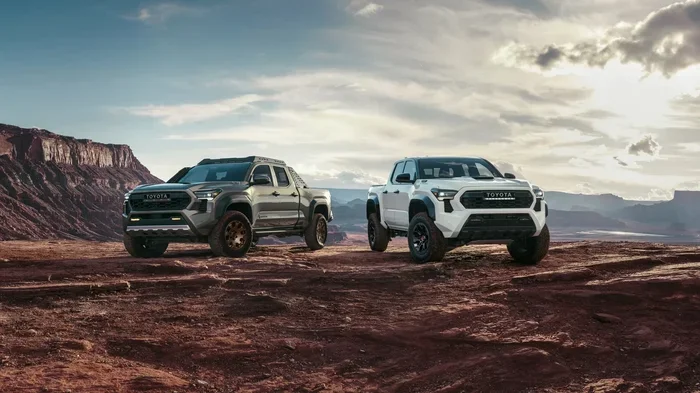
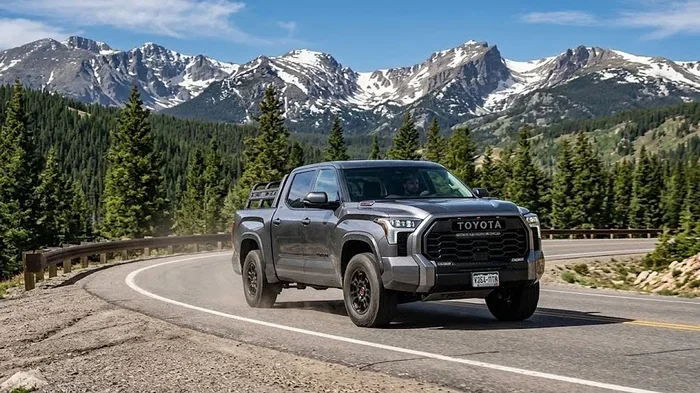
The 2025 Toyota Tundra is built to last well over 200,000 miles with proper maintenance. This full-size pickup truck combines a powerful powertrain, robust body-on-frame design, and Toyota’s legendary reliability to deliver years of dependable service. Owners who follow recommended maintenance schedules can expect their 2025 Toyota Tundra to remain a strong workhorse and daily driver for decades.
When you invest in a full-size pickup truck, you want to know it will be around for the long haul. The 2025 Toyota Tundra enters the market with a reputation built on decades of Toyota reliability. But exactly how long will a 2025 Toyota Tundra last? That is the question every potential buyer and current owner wants answered.
The good news is that Toyota has engineered the Tundra with durability at its core. From the powertrain to the frame, every component is designed to handle heavy workloads and daily driving for many years. In this guide, we will break down everything you need to know about the lifespan, maintenance needs, and long-term value of the 2025 Toyota Tundra. Whether you are buying new or considering a used model, this article covers what matters most.
Key Takeaways
- Long Lifespan: A well-maintained 2025 Toyota Tundra can easily last 200,000 to 300,000 miles or more.
- Engine Durability: The i-FORCE MAX twin-turbo V6 engine is designed for longevity and heavy-duty use.
- Maintenance Matters: Following the recommended service schedule is the single biggest factor in extending your Tundra’s life.
- Strong Resale Value: Toyota trucks hold their value exceptionally well, making the long-term ownership cost reasonable.
- Body-on-Frame Construction: This traditional design adds strength and durability compared to unibody trucks.
- Proven Track Record: Previous Tundra generations have demonstrated outstanding long-term reliability.
📑 Table of Contents
- What Makes the 2025 Toyota Tundra Built to Last
- Expected Mileage and Lifespan of the 2025 Tundra
- Maintenance Tips to Extend Your Tundra’s Life
- Common Issues That Can Affect Tundra Longevity
- Resale Value and Long-Term Ownership
- Is the 2025 Toyota Tundra Worth the Long-Term Investment
- Final Thoughts on the 2025 Toyota Tundra Lifespan
What Makes the 2025 Toyota Tundra Built to Last
The 2025 Toyota Tundra is not just another pickup truck. It represents Toyota’s commitment to building vehicles that stand the test of time. Several key factors contribute to the Tundra’s impressive longevity.
Body-on-Frame Construction
Unlike many modern trucks that use unibody designs, the Tundra uses a traditional body-on-frame structure. This means the body is mounted to a separate, heavy-duty frame. The result is a truck that can handle serious towing, hauling, and off-road abuse without compromising structural integrity. This design has been proven over decades in the truck world and remains a favorite among those who need a vehicle that can take a beating.
The i-FORCE MAX Powertrain
Under the hood, the 2025 Tundra features the i-FORCE MAX twin-turbo V6 engine. This powertrain delivers strong performance while being engineered for durability. The twin-turbo design reduces strain on individual components by distributing power more efficiently. Toyota has also focused on improving cooling systems and internal tolerances to ensure the engine runs smoothly even under heavy loads. The 10-speed automatic transmission paired with this engine is built to handle the torque output without hesitation.
Quality Materials and Build Standards
Toyota uses high-grade steel and aluminum throughout the Tundra’s construction. The cab and bed are designed to resist rust, dents, and fatigue. Every weld, bolt, and seal is inspected to meet Toyota’s exacting standards. This attention to detail is why Toyota trucks consistently rank at the top of reliability surveys year after year.
Expected Mileage and Lifespan of the 2025 Tundra
So, what is the real-world lifespan you can expect from a 2025 Toyota Tundra? The answer depends on several factors, but the numbers are encouraging.
Average Mileage Expectations
Most full-size trucks, including the Tundra, are expected to last between 200,000 and 300,000 miles with proper care. Some owners have pushed their Tundras well beyond 300,000 miles with consistent maintenance and gentle driving habits. The 2025 Toyota Tundra benefits from the latest engineering improvements, which means it may even exceed the longevity of previous generations.
If you drive an average of 15,000 miles per year, a well-maintained Tundra could easily serve you for 15 to 20 years. That is a significant return on your investment, especially considering the truck’s capability and utility.
Factors That Influence Lifespan
Several variables determine how long your Tundra will last:
- Driving habits: Gentle acceleration and braking reduce wear on engine and brake components.
- Maintenance consistency: Staying on top of oil changes, fluid flushes, and inspections prevents small problems from becoming big ones.
- Usage intensity: Trucks used primarily for light-duty commuting tend to last longer than those used for heavy towing and hauling.
- Climate and storage: Extreme temperatures and harsh road conditions can accelerate wear. Storing your Tundra in a garage helps protect it.
- Fuel quality: Using quality fuel and avoiding contaminated gasoline protects the engine internals.
For more context on what mileage counts as high for a Toyota truck, check out 000 Miles A Lot For A Toyota Tundra. That article explores how different mileage benchmarks compare and what they mean for your truck’s health.
Maintenance Tips to Extend Your Tundra’s Life
Regular maintenance is the single most important thing you can do to ensure your 2025 Toyota Tundra lasts as long as possible. Toyota has designed the Tundra with service intervals that are straightforward and manageable.
Essential Maintenance Schedule
Here are the key maintenance tasks you should never skip:
- Oil changes every 5,000 to 7,500 miles: Fresh oil keeps the engine lubricated and prevents premature wear. Use Toyota-recommended oil for best results.
- Tire rotations every 5,000 to 7,500 miles: Even tire wear extends tire life and improves safety.
- Brake inspections every 15,000 miles: Catching worn brake pads early prevents damage to rotors and calipers.
- Transmission fluid change at 60,000 miles: Clean transmission fluid ensures smooth shifting and protects internal components.
- Coolant flush every 100,000 miles: This prevents overheating and corrosion in the cooling system.
- Spark plug replacement per the maintenance schedule: Fresh spark plugs maintain engine performance and fuel efficiency.
DIY vs. Professional Service
Some maintenance tasks are simple enough for home mechanics. Oil changes, tire rotations, and air filter replacements can be done in your garage with basic tools. However, more complex services like transmission work, suspension inspections, and engine diagnostics are best left to certified Toyota technicians. They have the specialized tools and training to catch issues early.
For broader guidance on keeping any vehicle running strong, read How To Make A Car Last 500. The principles in that article apply directly to maintaining your Tundra for the long haul.
Quick Tips for Daily Owners
- Check your tire pressure weekly. Proper inflation improves fuel economy and tire longevity.
- Wash your truck regularly, especially the undercarriage. Road salt and debris cause corrosion.
- Address warning lights immediately. Ignoring a check engine light can lead to costly repairs.
- Keep a maintenance log. Documenting every service helps you stay on track and proves your care history if you sell.
Common Issues That Can Affect Tundra Longevity
No vehicle is perfect, and the 2025 Toyota Tundra is no exception. Understanding potential issues helps you stay ahead of problems before they become serious.
Known Concerns from Previous Generations
Earlier Tundra models have experienced a few recurring issues that owners should watch for:
- Transmission hesitation: Some earlier models showed slight hesitation during gear shifts. The 2025 model addresses this with updated software and improved transmission components.
- Exhaust manifold cracks: High-mileage Tundras can develop hairline cracks in the exhaust manifold. Regular inspections help catch this early.
- Suspension wear: Heavy towing can accelerate wear on shocks, bushings, and ball joints. Replacing these components on schedule prevents cascading damage.
How to Avoid Major Problems
The best way to avoid major issues is proactive care. Do not ignore unusual sounds, vibrations, or changes in performance. These early warning signs often indicate problems that are much cheaper to fix when caught early. For guidance on interpreting dashboard warnings and diagnostic codes, visit How Can I Clear A Check Engine Code. Understanding what your truck is telling you can prevent minor issues from becoming expensive repairs.
When Mileage Becomes a Red Flag
While the Tundra is built to last, there comes a point where high mileage requires extra attention. If you are shopping for a used Tundra, understanding what mileage levels should concern you is important. How Many Miles On A Car Is A Red Flag provides valuable insights into when mileage should raise concerns and what to look for in a high-mileage vehicle inspection.
Resale Value and Long-Term Ownership
One of the biggest advantages of owning a Toyota Tundra is its strong resale value. Toyota trucks consistently hold their value better than most competitors in the full-size pickup segment.
Why the Tundra Holds Value
Several factors contribute to the Tundra’s impressive resale performance:
- Brand reputation: Toyota’s reputation for reliability makes used Tundras highly desirable.
- Durability: Buyers know a well-maintained Tundra will serve them for many more years.
- Strong demand: Full-size trucks remain popular in the United States, keeping demand high.
- Limited production history: Toyota has produced Tundras for fewer years than some competitors, which adds to their collectible appeal.
If you are considering the long-term financial picture, a 2025 Tundra is a smart investment. The truck’s ability to retain value means you lose less money to depreciation over time. For a broader look at Toyota longevity, Can Toyota Camry Last 400 explores how Toyota’s commitment to durability extends across its entire lineup, reinforcing why the brand inspires such confidence.
Total Cost of Ownership
When you factor in maintenance costs, fuel economy, and resale value, the 2025 Toyota Tundra competes favorably against rivals. The i-FORCE MAX engine offers competitive fuel efficiency for a twin-turbo V6, which helps keep operating costs reasonable. And because Toyota parts are widely available and affordable, repairs are typically less expensive than for some competing brands.
| Ownership Factor | 2025 Toyota Tundra | Industry Average |
|---|---|---|
| Expected Lifespan | 200,000 – 300,000+ miles | 150,000 – 200,000 miles |
| Resale Value Retention (5 years) | 55 – 65% | 40 – 50% |
| Annual Maintenance Cost | $500 – $800 | $700 – $1,000 |
| Fuel Economy (Combined) | 20 – 24 mpg | 16 – 20 mpg |
| Powertrain Warranty | 5 years / 60,000 miles | 3 years / 36,000 miles |
Is the 2025 Toyota Tundra Worth the Long-Term Investment
The answer is a resounding yes for most buyers. The 2025 Toyota Tundra combines capability, reliability, and longevity in a package that delivers value over many years of ownership.
If you need a truck for work, towing, or weekend adventures, the Tundra is one of the strongest choices on the market. Its build quality and proven track record mean you are buying a vehicle that is designed to go the distance. The 2025 Toyota Tundra represents the culmination of decades of Toyota engineering refinement, and that shows in every aspect of the truck.
Owners who commit to regular maintenance and drive responsibly will find their Tundra serving them reliably for well beyond 200,000 miles. The truck’s strong resale value further sweetens the deal, ensuring that your investment pays off whether you keep it for a decade or sell it after a few years.
Before you buy, take time to test drive the Tundra and compare it against competitors. Pay attention to how it feels on the road, how the powertrain responds, and how comfortable the cabin is during long drives. The 2025 Tundra is designed to be as comfortable on the highway as it is capable on the job site.
Final Thoughts on the 2025 Toyota Tundra Lifespan
The 2025 Toyota Tundra is a truck built to last. With its robust body-on-frame design, durable i-FORCE MAX powertrain, and Toyota’s legendary commitment to quality, this full-size pickup is ready to serve you for 200,000 miles or more. The key to unlocking that lifespan lies in consistent maintenance, smart driving habits, and addressing small issues before they grow into big problems.
Whether you are a first-time Tundra owner or a longtime Toyota fan, the 2025 model offers the reliability and capability you expect from the brand. Invest in your truck’s care, follow the maintenance schedule, and enjoy the confidence that comes with owning one of the most durable full-size trucks on the road today.
Frequently Asked Questions
How long can a 2025 Toyota Tundra last with regular maintenance?
With consistent maintenance and responsible driving, a 2025 Toyota Tundra can last 200,000 to 300,000 miles or more. Many owners report their Tundras reaching 300,000 miles when they follow the recommended service schedule and address issues promptly.
What is the average lifespan of a Toyota Tundra?
The average lifespan of a Toyota Tundra ranges from 200,000 to 300,000 miles. This places it among the longest-lasting full-size pickup trucks available. Factors like driving habits, maintenance consistency, and usage intensity all influence where your Tundra falls within that range.
Is the 2025 Toyota Tundra reliable for daily driving?
Yes, the 2025 Toyota Tundra is highly reliable for daily driving. While it is a full-size truck built for work, it is equally comfortable as a daily commuter. Toyota engineered the Tundra with durability in mind, making it suitable for both heavy-duty tasks and everyday errands.
How does the 2025 Tundra compare to previous generations in terms of longevity?
The 2025 Tundra benefits from the latest engineering improvements, including an updated powertrain, better cooling systems, and improved electronics. These advancements suggest the 2025 model may last even longer than previous generations. Toyota has addressed many of the minor issues reported in earlier Tundra models.
What maintenance tasks are most important for extending Tundra lifespan?
The most important maintenance tasks include regular oil changes, transmission fluid flushes, brake inspections, and coolant system maintenance. Staying on top of these services prevents wear from compounding into major repairs. Using genuine Toyota parts and fluids also helps ensure optimal longevity.
Does the 2025 Toyota Tundra have a good resale value?
Yes, the 2025 Toyota Tundra holds its resale value exceptionally well. Toyota trucks consistently rank among the best for resale in the full-size pickup segment. A well-maintained Tundra can retain 55 to 65 percent of its original value after five years, making it a smart long-term investment.
=== CONCLUSION ===
The 2025 Toyota Tundra is a truck that is built to go the distance. From its durable body-on-frame construction to its powerful and efficient i-FORCE MAX engine, every element is designed for long-lasting performance. How long will a 2025 Toyota Tundra last? With proper care, the answer is comfortably 200,000 miles or more, and many owners will push well past 300,000 miles.
Your commitment to regular maintenance, mindful driving, and prompt attention to warning signs determines where your Tundra falls on that spectrum. Follow the service schedule, keep the truck clean, and address small concerns before they become big expenses. The 2025 Toyota Tundra rewards owners who invest in its care with years of dependable, capable service.
If you are searching for a full-size truck that combines reliability, capability, and long-term value, the 2025 Toyota Tundra should be at the top of your list. It is a vehicle that is not just built for today but designed to carry you well into the future.