How Haval Adapts to Different Weather Conditions Everywhere
Haval vehicles are engineered to handle extreme heat, freezing cold, heavy rain, and challenging road conditions with ease. The brand uses advanced climate control systems, all-wheel drive technology, and durable materials to keep you safe and comfortable no matter the weather. This guide covers how Haval adapts to different weather conditions and what you can do to maintain peak performance year-round.
When you own a Haval vehicle, you are not just buying a car. You are investing in a machine built to handle whatever nature throws at it. How Haval adapts to different weather conditions is a story of smart engineering, durable materials, and driver-focused design. Whether you face scorching summer highways or icy winter mornings, your Haval is ready.
Many car owners worry about how their vehicles perform in extreme temperatures. Heat can cause engines to overheat. Cold can drain batteries and make roads slippery. Rain and snow reduce visibility and traction. Haval addresses all of these challenges through thoughtful design and advanced technology. In this article, we will break down exactly how Haval vehicles handle different weather so you can drive with confidence all year long.
We will also share practical maintenance tips that help you get the most out of your Haval in every season. From checking your tire pressure monitoring system after filling air to understanding how your cooling system works in the summer, we have you covered. Let us dive into the world of Haval weather adaptation.
Key Takeaways
- Haval SUVs feature robust cooling systems that prevent overheating in extreme summer heat and stop-and-go traffic.
- Cold weather performance is enhanced through battery optimization, heated seats, and cold-start engineering.
- All-wheel drive and traction control help Haval vehicles maintain grip on wet, icy, and uneven road surfaces.
- Regular seasonal maintenance keeps your Haval running smoothly through temperature extremes and changing conditions.
- Tire pressure monitoring and all-weather tires play a critical role in safety and fuel efficiency across seasons.
- Haval’s interior climate systems adapt quickly to outside temperatures for a comfortable driving experience.
📑 Table of Contents
- Why Weather Matters for Your Haval
- How Haval Handles Extreme Heat
- How Haval Performs in Cold Weather
- Haval’s Rain and Wet Weather Features
- Seasonal Maintenance Tips for Haval Owners
- Haval’s Engineering for All-Weather Reliability
- Common Mistakes Haval Owners Make in Extreme Weather
- Expert Insights: What Mechanics Say About Haval and Weather
- Final Thoughts: Drive Confident in Any Weather
Why Weather Matters for Your Haval
Weather affects every vehicle on the road. But not all cars handle it the same way. Haval engineers design their SUVs and crossovers with climate challenges front and center. The goal is simple: keep you safe, comfortable, and in control no matter what the forecast says.
Temperature swings can stress your engine, battery, tires, and cooling system. In hot climates, your vehicle works harder to stay cool. In cold climates, fluids thicken and batteries struggle. Humidity affects electrical components. Road conditions change with every season. Understanding how your Haval responds to these factors helps you take better care of it.
The Science Behind Weather Adaptation
Haval uses a combination of computer modeling, real-world testing, and quality materials to build weather-resilient vehicles. Each model goes through rigorous testing in different climates before it reaches the market. Engineers simulate desert heat, sub-zero cold, and heavy rainfall to fine-tune every system.
This testing process ensures that your Haval can handle real-world conditions. The brand does not just meet basic standards. It pushes past them to deliver vehicles that feel confident in any environment. That level of preparation is what sets Haval apart from many competitors.
How Haval Handles Extreme Heat
Extreme heat is one of the toughest challenges for any vehicle. Temperatures inside a parked car can soar past 150 degrees Fahrenheit. The engine works harder in hot weather. Coolant systems face increased stress. Tires can expand and lose proper pressure. Haval addresses each of these issues with specific engineering solutions.
One of the first things Haval does is equip its vehicles with high-efficiency cooling systems. The radiator, water pump, and thermostat work together to keep engine temperatures in the safe zone. If you have ever parked your car on a hot summer day and seen steam rising from the hood, you know how important a good cooling system really is.
Engine Cooling and Heat Dissipation
Haval uses oversized radiators and high-flow water pumps in many of its models. These components move heat away from the engine faster than standard systems. The result is a vehicle that can handle long drives in hot climates without overheating.
If you live in a hot region, you should also pay attention to your coolant levels. Old or low coolant can lead to serious engine damage. And speaking of heat-related issues, a clogged catalytic converter can cause your car to overheat even on a mild day. Regular inspections help catch these problems early.
Interior Comfort in High Temperatures
Haval vehicles come with powerful air conditioning systems designed to cool the cabin quickly. Dual-zone and tri-zone climate control lets each passenger set their preferred temperature. The materials used in the interior are also heat-resistant. They do not fade, crack, or degrade quickly under intense sun exposure.
Many Haval models also feature UV-protective glass. This reduces the amount of heat that enters the cabin and protects your skin from harmful rays. Combined with ventilated seats in higher trims, the interior stays comfortable even on the hottest days.
It is worth noting that extreme heat can also affect your car’s exterior. Prolonged sun exposure can fade paint and dry out rubber seals. Washing and waxing your Haval regularly helps protect the paint. Checking your weatherstripping prevents leaks and keeps the cabin cool.
How Haval Performs in Cold Weather
Cold weather brings a different set of challenges. Batteries lose power in freezing temperatures. Engine oil thickens and does not flow as easily. Roads become icy and slippery. Starting your car on a winter morning can sometimes feel like a battle. Haval engineers these vehicles to face cold conditions head-on.
Haval vehicles come equipped with battery management systems that help maintain charge in low temperatures. The battery terminals are sealed to prevent corrosion from road salt and moisture. Many models also include engine block heaters as an option, which warm the engine before you turn the key.
Cold-Start Technology and Battery Performance
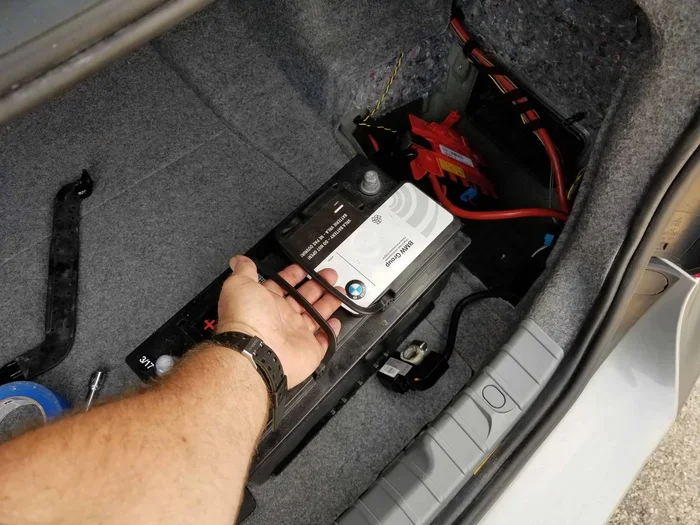
Starting a car in cold weather puts a huge strain on the battery. Haval uses high-grade batteries with cold-cranking amps rated for low-temperature performance. This means your Haval is more likely to start on the first try even when the temperature drops below freezing.
If your Haval struggles to start in the cold, it might be a battery issue. Sometimes a car not starting but battery is fine what to check situation points to other problems like a faulty starter motor or corroded connections. Keeping your terminals clean and your battery charged makes a big difference in winter.
Heated Features for Comfort
Haval understands that comfort matters in cold weather. Many models come with heated front seats, heated steering wheels, and rear-seat heating zones. These features warm you up quickly so you can focus on the road instead of shivering behind the wheel.
Windshield defrosters and heated side mirrors are standard on most Haval trims. They clear frost and ice fast so you can see clearly. Some models also offer heated wiper blades that prevent snow and ice from building up on the windshield. These small details make a huge difference during winter driving.
Traction and Stability on Icy Roads
Haval offers all-wheel drive on many of its SUV models. AWD sends power to all four wheels, which gives you better grip on snow and ice. The system adjusts power delivery in real time based on road conditions. If one wheel starts to slip, the system redirects power to the wheels with the most traction.
Electronic stability control and traction control work together with AWD to keep your Haval steady on slippery roads. These systems apply brakes to individual wheels and adjust engine power to prevent skidding. They are especially helpful on icy intersections and steep hills.
Using weather-appropriate tires is another key factor. All-season tires work well in moderate cold, but dedicated winter tires provide superior grip when temperatures drop significantly. Switching to winter tires before the harshest months can greatly improve your safety.
Haval’s Rain and Wet Weather Features
Rain creates its own set of driving challenges. Visibility drops. Roads become slick. Hydroplaning becomes a real risk. Haval addresses wet weather concerns through a combination of technology, design, and driver-assist features.
Rain-sensing wipers are available on many Haval models. These wipers automatically adjust their speed based on how hard it is raining. You do not need to fiddle with controls while driving. The system detects rainfall on the windshield and activates the wipers at the right speed. This lets you keep your hands on the wheel and your eyes on the road.
Visibility in Heavy Rain
Haval equips its vehicles with high-quality headlights that cut through rain and fog. LED headlights are standard on many trims. They provide brighter, clearer illumination than traditional halogen bulbs. Some models also offer adaptive headlights that turn with the steering wheel, lighting up curves and turns.
Defogging systems work quickly to clear moisture from the inside of the windshield. Haval uses a combination of air conditioning and rear-window defrosters to keep visibility high. The climate control system removes humidity from the cabin air, which prevents fog from forming on the glass.
Wet Road Handling and Braking
Haval’s traction control system is especially useful on wet roads. It prevents wheel spin when you accelerate on slippery surfaces. The system monitors wheel speed and adjusts throttle input to maintain grip. This is particularly helpful on flooded roads or wet highway on-ramps.
Braking distance increases on wet roads, and Haval accounts for this with advanced braking technology. Anti-lock braking systems prevent the wheels from locking up during hard stops on wet surfaces. Electronic brake-force distribution ensures that each wheel receives the right amount of braking power.
It is important to remember that no vehicle is invincible in heavy rain. Driving slowly, increasing following distance, and avoiding sudden maneuvers all help keep you safe. And if you ever notice your Haval overheating during a long drive in the rain, check for issues like a bad catalytic converter that could be contributing to temperature problems.
Seasonal Maintenance Tips for Haval Owners
Keeping your Haval in top shape through all seasons requires a proactive approach. Seasonal maintenance checks help you catch small problems before they become big ones. A little prevention goes a long way toward extending the life of your vehicle and keeping you safe on the road.
Spring and Summer Maintenance Checklist
As the weather warms up, there are specific maintenance tasks you should prioritize:
- Check your coolant level and condition. Old coolant loses its ability to regulate engine temperature. Flush and replace it according to your owner’s manual schedule.
- Inspect your air conditioning system. If the AC is not blowing cold air, it may need a refrigerant recharge or a compressor check.
- Examine your tires. Hot pavement can cause tire pressure to rise. Use a reliable gauge to check that your pressure matches the recommended level. Also look for uneven wear patterns.
- Test your battery. Heat accelerates battery degradation. A load test at a repair shop can tell you if your battery is nearing the end of its life.
- Clean your undercarriage. Salt and debris from winter roads can cause corrosion. A thorough wash helps protect your Haval’s frame and components.
Fall and Winter Maintenance Checklist
When temperatures drop, your Haval needs different attention:
- Switch to winter-grade engine oil. Thicker oil does not flow well in cold weather. Winter-grade oil keeps your engine lubricated during start-up.
- Check your battery voltage. Cold weather reduces battery capacity. Replace any battery that is more than three years old or shows signs of weakness.
- Inspect your windshield wipers. Worn wipers leave streaks and reduce visibility in rain and snow. Replace them at the first sign of poor performance.
- Verify your tire pressure. Cold air causes tire pressure to drop. Underinflated tires reduce fuel economy and increase the risk of accidents. Resetting your TPMS after adjusting pressure ensures your warning lights stay off.
- Test your heating system. A working heater is not just about comfort. It also helps defrost your windshield and keep you alert during long winter drives.
Year-Round Habits That Help
Some maintenance habits matter no matter what the season. Wash your Haval regularly to protect the paint and undercarriage. Check your fluid levels every month. Inspect your belts and hoses for cracks or wear. Keep your windshield clean inside and out for better visibility. These simple habits add up to a longer-lasting, more reliable vehicle.
Haval’s Engineering for All-Weather Reliability
Haval’s commitment to all-weather performance goes beyond individual features. The engineering philosophy behind every Haval vehicle focuses on durability, adaptability, and driver confidence. From the frame to the electronics, every component is designed with weather challenges in mind.
The body structure of Haval SUVs uses high-strength steel that resists corrosion and maintains structural integrity in all conditions. Seals and gaskets are tested to prevent water intrusion during heavy rain. Electrical connectors are coated to resist moisture and temperature fluctuations. These details may not be visible, but they make a real difference in long-term reliability.
Drivetrain Options for Every Climate
Haval offers both front-wheel drive and all-wheel drive across its lineup. FWD models are efficient and work well in mild climates. AWD models provide extra grip and stability for drivers in regions with snow, ice, or frequent rain. The availability of both options means you can choose the drivetrain that matches your local weather conditions.
The AWD system in Haval vehicles uses intelligent sensors to detect slip and adjust power delivery instantly. This happens seamlessly in the background. You do not need to manually switch between modes in most cases. The system does the work for you, giving you confidence on unpredictable roads.
Material Choices for Weather Durability
The interior materials in Haval vehicles are selected for resilience. Seat fabrics resist staining and fading from sunlight. Dashboard materials do not crack or peel in extreme heat. Rubber seals around doors and windows remain flexible in freezing temperatures, preventing water leaks.
Under the hood, Haval uses heat-resistant hoses and durable wiring insulation. These components withstand the high temperatures found in engine compartments during summer driving. The result is a vehicle that ages well and continues to perform regardless of the climate.
Software and Safety Systems
Modern Haval vehicles come loaded with driver-assist technology that adapts to weather conditions. Traction control, lane-keeping assist, and automatic emergency braking all function in rain, snow, and fog. These systems use cameras and sensors that are designed to work even in less-than-ideal visibility.
Haval’s infotainment system also provides real-time weather alerts and navigation updates. If a storm is approaching, the system can route you away from dangerous areas. This level of integration between vehicle technology and environmental awareness sets Haval apart in the competitive SUV market.
Common Mistakes Haval Owners Make in Extreme Weather
Even the best-engineered vehicle can face problems if the driver makes poor choices. Here are some common mistakes that Haval owners should avoid when driving in extreme weather.
- Ignoring the temperature gauge. If your temperature gauge starts climbing, pull over safely. Continuing to drive an overheating engine can cause catastrophic damage.
- Skipping tire rotations. Uneven tire wear reduces traction in wet and icy conditions. Rotating your tires every 5,000 to 7,500 miles promotes even wear and better grip.
- Using summer tires in winter. Summer tires harden in cold temperatures and lose grip. Winter tires stay flexible and provide better traction on snow and ice.
- Neglecting fluid top-offs. Low coolant, brake fluid, or washer fluid can cause serious problems in extreme weather. Check your fluids monthly, especially before seasonal transitions.
- Driving with dirty headlights. Dirty headlights reduce visibility by up to 90 percent in rain and fog. Clean them regularly with a glass-safe cleaner.
Avoiding these simple mistakes keeps your Haval performing at its best and keeps you safer on the road. A little attention goes a long way.
Expert Insights: What Mechanics Say About Haval and Weather
Automotive professionals who work on Haval vehicles regularly share valuable insights about weather-related performance. Many mechanics agree that Haval’s cooling systems are among the best in the compact SUV segment. The oversized radiators and quality water pumps hold up well under repeated heat stress.
When it comes to cold weather, mechanics often praise Haval’s battery management. The sealed terminals and cold-cranking battery design help prevent the frustrating no-start situation that plagues many vehicles in winter. However, mechanics do recommend replacing batteries every three to four years as a preventive measure.
One recurring tip from experienced Haval technicians is to never ignore warning lights. If your check engine light, temperature warning, or battery light comes on, get it checked promptly. Small issues can escalate quickly, especially when weather puts extra stress on your vehicle.
Final Thoughts: Drive Confident in Any Weather
How Haval adapts to different weather conditions is a testament to the brand’s commitment to engineering excellence and driver safety. From scorching deserts to snowy mountain passes, Haval vehicles are built to perform. The combination of advanced cooling systems, all-wheel drive, heated features, and durable materials ensures that your Haval is ready for whatever comes its way.
Regular maintenance is the key to unlocking this all-weather capability. Follow the seasonal checklists shared in this guide. Pay attention to your tire pressure, coolant levels, and battery health. Address small issues before they grow into expensive repairs. And always drive according to the conditions, not just the speed limit.
Your Haval is more than a vehicle. It is a reliable companion that handles weather challenges with intelligence and resilience. Treat it well, and it will reward you with years of safe, comfortable driving in every climate.
Frequently Asked Questions
Can a Haval handle extreme desert heat?
Yes, Haval vehicles are designed with high-efficiency cooling systems that handle extreme heat. The oversized radiators, quality coolant, and heat-resistant interior materials work together to keep the engine and cabin comfortable. Regular maintenance, especially coolant checks, helps ensure peak performance in desert conditions.
Do Haval vehicles need special tires for winter driving?
While Haval SUVs come with all-season tires that work well in moderate cold, dedicated winter tires provide superior grip when temperatures drop below freezing. Winter tires stay flexible in cold weather and offer better traction on snow and ice. Switching to winter tires before the harshest months is a smart safety move.
How often should I check my Haval’s coolant in hot weather?
You should check your coolant level at least once a month during hot weather. Also inspect the condition of the coolant. If it looks rusty or dirty, it may be time for a flush and replacement. Following the maintenance schedule in your owner’s manual is the best approach.
Why does my Haval battery struggle in cold weather?
Cold weather reduces a battery’s ability to hold a charge. The chemical reactions inside the battery slow down in freezing temperatures. Haval batteries are designed for cold-cranking performance, but age and neglect can weaken them. Replacing your battery every three to four years helps prevent cold-weather starting issues.
Does Haval’s AWD system work well in heavy rain?
Yes, Haval’s all-wheel drive system is effective in heavy rain. It distributes power to all four wheels, improving traction on wet surfaces. The system works automatically and adjusts in real time. Combined with traction control and anti-lock brakes, AWD significantly enhances safety during rainy drives.
What should I do if my Haval overheats on a hot day?
If your Haval overheats, pull over safely and turn off the engine. Let it cool for at least 15 minutes before checking the coolant level. Never open the radiator cap while the engine is hot. If the problem persists, have your vehicle towed to a mechanic. Overheating can cause serious engine damage if ignored.
=== CONCLUSION ===
How Haval adapts to different weather conditions everywhere is a story of smart engineering, durable materials, and driver-focused innovation. Whether you face blistering heat, freezing cold, heavy rain, or icy roads, your Haval is equipped to handle it all. The brand’s commitment to all-weather reliability means you can drive with confidence in any climate.
By following the maintenance tips and seasonal checklists in this guide, you will keep your Haval running at its best all year long. Pay attention to your cooling system, battery health, tire pressure, and drivetrain. Small efforts make a big difference in long-term performance and safety.
Now that you understand how Haval adapts to different weather conditions, you are better prepared to enjoy every season behind the wheel. Drive safe, stay proactive, and let your Haval prove why it is one of the most weather-ready SUVs on the road today.