How Do I Check the Value of My Car Without the Hassle
Finding out what your car is worth doesn’t have to be stressful or confusing. Whether you’re selling, trading in, or just curious, checking your car’s value takes just a few minutes using free online tools and simple steps. This guide walks you through every method, factor, and tip to get the most accurate car value estimate possible.
Have you ever wondered what your car is actually worth? Maybe you’re thinking about selling it. Perhaps you want to trade it in for a newer model. Or maybe you just want to know where you stand financially. Whatever the reason, checking your car’s value is something every car owner should do at least once a year.
The good news? You don’t need to be a car expert. You don’t need to spend hours researching. And you definitely don’t need to pay a fortune for an appraisal. With the right tools and a little know-how, you can get a solid estimate in under ten minutes. This guide shows you exactly how do I check the value of my car — without any of the hassle.
We’ll cover every method, every factor, and every tip that matters. By the end, you’ll feel confident walking into any negotiation with real numbers behind you. Let’s get started.
Key Takeaways
- Use online valuation tools: Platforms like Kelley Blue Book, Edmunds, and NADA Guides give instant car worth estimates in minutes.
- Multiple factors matter: Mileage, condition, service history, and market demand all shape your vehicle’s market value.
- Know the difference between values: Trade-in, private party, and retail prices vary — understand which one you need.
- Get a professional appraisal: For the most accurate vehicle appraisal, consider a certified expert or dealer assessment.
- Avoid common mistakes: Skipping a vehicle history report or ignoring cosmetic issues can cost you hundreds of dollars.
- Boost your car’s value: Small fixes, cleaning, and organized records can significantly increase your resale value.
📑 Table of Contents
- Why Knowing Your Car’s Value Matters
- The Best Ways to Check Your Car’s Value
- What Affects the Value of Your Car
- Step-by-Step: How to Get an Accurate Car Valuation
- Tips to Maximize Your Car’s Value
- Common Mistakes People Make When Valuing Their Car
- Understanding the Different Types of Car Values
- When to Re-Check Your Car’s Value
- Final Thoughts
Why Knowing Your Car’s Value Matters
Your car is probably one of the biggest purchases you’ll ever make. But unlike a house or a savings account, vehicles lose value over time. This process is called car depreciation, and it happens fast. Most cars drop about 15% to 25% of their value in the first year alone.
So why does knowing your car’s value matter so much? Here are a few big reasons:
- Selling smarter: You’ll know what a fair price looks like. No more guessing or accepting lowball offers.
- Trading in wisely: Dealers sometimes lowball trade-in offers. When you know your trade-in value, you can push back.
- Insurance claims: After an accident, your insurer uses your car’s value to determine payout. Being informed protects you.
- Loan decisions: If you’re refinancing or taking out a loan, lenders need to know your car’s worth.
- Financial planning: Understanding your asset’s value helps you make smarter money moves overall.
Ignoring your car’s value is like ignoring your bank balance. It just doesn’t make sense. The more you know, the better decisions you’ll make.
The Best Ways to Check Your Car’s Value
There are several reliable methods to find out what your car is worth. Each has its strengths. Let’s walk through them one by one.
Use Online Car Valuation Tools
This is the easiest and fastest way to get started. Free tools like Kelley Blue Book, Edmunds, and NADA Guides give you instant estimates. You just enter your car’s year, make, model, trim, mileage, and condition. The tool spits out a number — sometimes a range of numbers.
Here’s what most of these tools offer:
- Trade-in value: What a dealer would likely pay you.
- Private party value: What a private buyer might pay.
- Retail value: What a dealer would ask for a similar car.
Each number serves a different purpose. If you’re selling to a dealer, focus on trade-in. If you’re selling to an individual, private party value matters most. These car valuation tools are surprisingly accurate when you enter honest information about your vehicle.
Check Comparable Sales
Also known as “comps,” this method looks at what similar cars are selling for right now. You can search local listings on sites like Autotrader, Cars.com, or Facebook Marketplace. Look for cars with the same year, mileage, and condition as yours.
This approach gives you a real-world snapshot. Online tools use averages, but comps show you what people are actually paying today. It’s one of the best ways to validate your market value.
Get a Professional Appraisal
For the most precise number, consider a certified appraiser. You can find them through the American Society of Appraisers or local dealerships. An appraiser inspects your car inside and out, reviews service records, and delivers a formal vehicle appraisal.
This method costs money — usually between $100 and $300. But it’s worth it if you’re dealing with a high-value car, a classic, or a complex ownership situation like an estate settlement.
Ask a Dealer for an Estimate
Many dealerships offer free trade-in evaluations. You can visit a few local dealers and ask them to look at your car. They’ll give you a ballpark figure on the spot.
Just remember: dealers are running a business. Their offer will likely be lower than what your car could fetch privately. Use this as a baseline, not the final word on your car worth.
What Affects the Value of Your Car
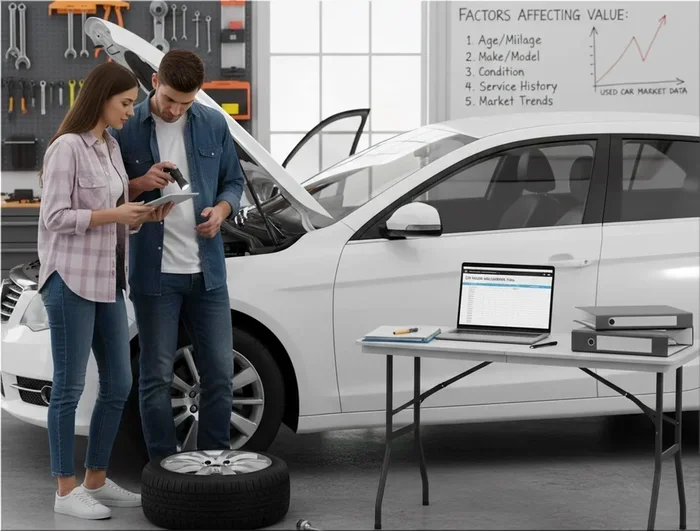
Not all cars hold their value equally. Several factors play a big role in determining your vehicle value. Understanding these helps you set realistic expectations.
Mileage
Mileage is one of the biggest factors. A car with 30,000 miles will almost always be worth more than one with 100,000 miles. The average American drives about 13,000 miles per year. So a five-year-old car with 65,000 miles is considered average. Lower mileage generally means higher resale value.
Condition
Car buyers look at both the inside and outside. Does the paint have scratches? Are the seats stained? Do the tires have good tread? Interior condition matters just as much as exterior. A well-maintained interior signals that the car was cared for.
Mechanical condition is huge too. If the engine runs smoothly and there are no warning lights, buyers feel more confident. A full vehicle inspection before pricing your car can reveal hidden issues that could lower your value.
Service History and Records
Did you keep up with oil changes? Tire rotations? Brake replacements? Buyers love a complete service history. It proves the car was maintained properly. Cars with documented service records often sell for more than those without. If you don’t have records, start gathering them now — they matter more than you think.
Market Demand
Some cars are just popular. SUVs, trucks, and fuel-efficient sedans tend to hold value better in most markets. Meanwhile, niche or luxury cars can swing wildly in price depending on demand. Checking current market trends gives you a realistic picture of your car pricing today.
Age and Model
Newer models with modern features hold value longer. Cars that are known for reliability — like Toyota and Honda models — also depreciate more slowly. On the flip side, brands with poor reliability ratings tend to lose value faster. Research your specific model’s reputation to understand where it stands.
Step-by-Step: How to Get an Accurate Car Valuation
Now that you know the methods and factors, let’s put it all together. Here’s a simple step-by-step process to get your car’s accurate value.
Step 1: Gather Your Car’s Details
Before you start, collect all the important information. You’ll need:
- Year, make, and model
- Trim level and engine size
- Current mileage
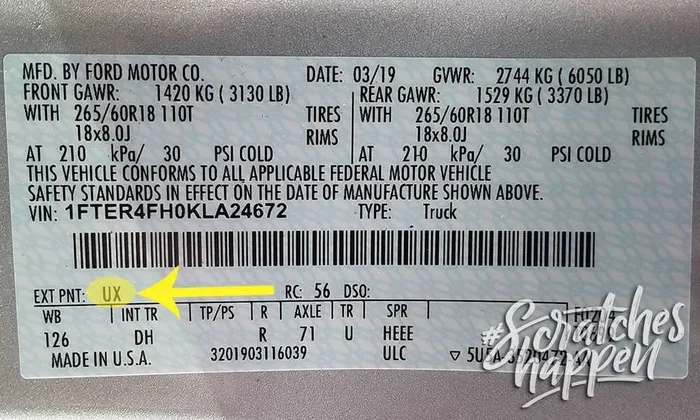
- Vehicle Identification Number (VIN)
- List of any upgrades or extras (leather seats, sunroof, navigation, etc.)
Step 2: Pull a Vehicle History Report
Services like Carfax and AutoCheck provide detailed vehicle history reports. These show accidents, title status, ownership history, and service records. A clean history report boosts confidence — and value. Buyers pay more for cars with no accident history.
You can often run a basic report for free or a small fee. It’s one of the smartest steps you can take before pricing your car.
Step 3: Run Online Valuations
Visit at least two or three valuation sites. Enter your details honestly. Don’t inflate your car’s condition just to get a higher number. Use the results as a range, not a single answer. Most experts suggest averaging the numbers from multiple sources for the best car value estimate.
Step 4: Check Local Listings
Browse cars for sale in your area that match yours. Note the asking prices and how quickly similar cars are selling. This gives you a ground-level view of what buyers in your region are willing to pay.
Step 5: Adjust for Your Car’s Unique Factors
Does your car have a dent that needs fixing? Are the brakes new? These details shift the value up or down. Make honest adjustments based on what you see. A car in excellent condition with fresh maintenance might sit at the high end of the range.
Step 6: Get a Second Opinion
If the number feels off, get another opinion. Visit a dealer, talk to a mechanic, or use a second set of online tools. Multiple perspectives help you zero in on a fair and accurate price.
Tips to Maximize Your Car’s Value
Want to get the most money for your car? Small efforts can make a big difference. Here are some practical tips that work.
- Clean it thoroughly: A deep interior wash and exterior wax can make a car look years younger. First impressions matter a lot in sales.
- Fix minor issues: Replace burned-out bulbs, fix small dents, and address squeaky brakes. These are cheap fixes that boost perceived value.
- Organize your records: A folder with maintenance receipts shows buyers you took care of the car. It builds trust and justifies a higher price.
- Time your sale: Sell convertibles in spring and SUVs in fall. Seasonal demand affects car depreciation and pricing.
- Highlight the extras: New tires, fresh oil, and upgraded sound systems are selling points. Make them visible and known.
These steps don’t cost much, but they can add hundreds of dollars to your final price. It’s worth the effort.
Common Mistakes People Make When Valuing Their Car
Even well-meaning car owners make mistakes when figuring out their car’s value. Here are a few to avoid.
Relying on Only One Source
No single tool is perfect. Kelley Blue Book might say one thing. Edmunds might say another. Using just one source gives you an incomplete picture. Always cross-reference multiple tools to get a reliable car worth estimate.
Overestimating Condition
It’s human nature to be optimistic about our own cars. But buyers see things you might miss. Be brutally honest about scratches, mechanical issues, and wear and tear. An inflated price just leads to a longer time on the market.
Ignoring Depreciation
Every car loses value over time. If you don’t account for car depreciation, you’ll set an unrealistic price. Check what similar cars from the same year are selling for and adjust accordingly.
Skipping the Vehicle History Report
Buyers want transparency. Skipping a history report can cost you trust — and money. A clean report is one of the strongest selling points you can offer. Always run one before listing your car.
Forgetting About Fees and Taxes
If you’re selling privately, remember that the final amount the buyer pays includes taxes and transfer fees. Factor these into your expectations so there are no surprises.
Understanding the Different Types of Car Values
Not all car values are the same. Confusing them can lead to disappointment. Here’s a quick breakdown of the most common types.
Trade-In Value
This is what a dealer offers you for your car when you buy a new one from them. It’s usually the lowest number because the dealer needs to make a profit after reconditioning the vehicle. It’s convenient, but you’ll typically get less than selling privately.
Private Party Value
This is what you can expect to receive when selling directly to another person. It’s higher than trade-in value because there’s no dealer markup. Most sellers aim for this number because it represents the best balance of effort and reward.
Retail Value
This is what a dealer charges a buyer for a similar car. It’s the highest number because it includes the dealer’s profit margin, reconditioning costs, and overhead. You rarely see this number unless you’re buying from a dealer.
Wholesale Value
This is what dealers pay when buying cars at auction or from other dealers. It’s lower than trade-in value and is mostly relevant in the industry. As a private seller, you’ll rarely deal with wholesale numbers.
Understanding these differences helps you set the right expectations. When someone asks how do I check the value of my car, knowing these categories makes all the difference.
When to Re-Check Your Car’s Value
Your car’s value isn’t static. It changes over time. Here are the best moments to re-check it:
- Before listing your car for sale
- When considering a trade-in for a new vehicle
- During annual insurance reviews
- After major maintenance or repairs
- When market conditions shift significantly
- If you’ve made improvements or upgrades
Making it a habit to check your car’s value once or twice a year keeps you informed. You’ll always know where you stand financially. It’s a small effort with big payoff.
Final Thoughts
Checking your car’s value doesn’t have to be complicated or time-consuming. With free online tools, a little patience, and honest self-assessment, you can get a solid number in minutes. Whether you use Kelley Blue Book, Edmunds, or local comparable sales, the key is to be thorough and realistic.
Remember that your car’s market value is shaped by many factors — mileage, condition, history, and demand. No single number tells the whole story. But by following the steps in this guide, you’ll walk into any sale or trade-in conversation with confidence and knowledge.
Take the time to understand what your car is really worth. It’s one of the smartest things you can do as a car owner. And once you know your number, you’ll never feel stuck or unsure again.
Frequently Asked Questions
What is the most accurate way to check my car’s value?
The most accurate approach combines multiple methods. Use online tools like Kelley Blue Book and Edmunds, check local comparable listings, and consider getting a professional appraisal. No single method is perfect, but together they give you the clearest picture of your car value.
How often should I check my car’s value?
At least once or twice a year is a good practice. You should also check before selling or trading in your vehicle. Market conditions change, and so does your car’s worth as mileage increases and wear adds up.
Does cleaning my car really increase its value?
Yes, absolutely. A clean car creates a much better first impression. Buyers are willing to pay more for a vehicle that looks well cared for. A professional detailing job can sometimes add hundreds of dollars to your perceived value without costing much.
What is the difference between trade-in value and private party value?
Trade-in value is what a dealer offers you. It’s lower because the dealer needs profit. Private party value is what you’d get selling directly to another person. It’s higher because there’s no middleman taking a cut. Always aim for the private party number when selling on your own.
Can a bad vehicle history report lower my car’s value?
Yes, significantly. Accident history, salvage titles, and multiple ownership changes can all reduce your car’s worth. Buyers use vehicle history reports to assess risk. A clean report is one of the strongest assets you can have when pricing your car.
Are free online car valuation tools reliable?
They’re a great starting point and surprisingly accurate for most everyday vehicles. Tools like Kelley Blue Book and Edmunds use large datasets and industry trends. However, they may not account for unique factors like custom upgrades or regional demand differences. Always use them alongside other methods for the best results.
=== CONCLUSION ===
Now you know exactly how do I check the value of my car without any hassle. You’ve learned about the best online tools, the key factors that shape your vehicle value, and the common mistakes to avoid. You’ve seen how small efforts like cleaning and organizing records can make a big difference at sale time.
The most important takeaway? Knowledge is power. When you understand your car’s market value, you’re never at a disadvantage. You can sell with confidence, trade in wisely, and plan your finances with clarity.
So go ahead — pull up those valuation tools, run your numbers, and take control of your car’s worth today. A few minutes of effort now can save you hundreds of dollars later.