Does the Toyota RAV4 Have Transmission Problems Often
The Toyota RAV4 is one of the most reliable SUVs on the road, but some model years do experience transmission problems. Most issues stem from the CVT transmission found in certain years, with symptoms like slipping, jerking, or delayed shifting. Regular maintenance and early attention to warning signs can help you avoid costly repairs and keep your RAV4 running smoothly for years to come.
The Toyota RAV4 has been one of the best-selling compact SUVs for years. It is reliable, fuel-efficient, and practical for families. But like any vehicle, it is not perfect. One question many RAV4 owners and buyers ask is whether the RAV4 has transmission problems.
The short answer is yes, some RAV4 models do experience transmission issues. However, the story is more nuanced than a simple yes or no. Certain model years, specific transmission types, and driving habits all play a role. This guide breaks down everything you need to know about RAV4 transmission reliability.
Whether you own a RAV4 or are thinking about buying one, understanding potential transmission problems helps you make smart decisions. You will learn which years to watch out for, what symptoms to look for, and how to prevent costly repairs. Let us dive in.
Key Takeaways
- Certain RAV4 model years are more prone to transmission issues: especially 2013-2018 models with the CVT transmission.
- Common symptoms include slipping, jerking, and delayed engagement: these are signs you should get your RAV4 checked right away.
- Regular transmission fluid changes can prevent many problems: sticking to the maintenance schedule is your best defense.
- Warranty coverage may apply to transmission repairs: you can take your Toyota to any dealership for warranty work if your vehicle is still covered.
- Hybrid RAV4 models have a different transmission setup: they tend to have fewer traditional transmission issues but still need proper care.
- Repair costs vary widely: minor fixes are affordable, but full transmission replacements can be expensive without warranty coverage.
📑 Table of Contents
- Understanding the Toyota RAV4 Transmission
- Common Toyota RAV4 Transmission Problems
- Model Years With Known Transmission Issues
- What Causes RAV4 Transmission Problems?
- How to Prevent Transmission Problems in Your RAV4
- Transmission Repair Costs for the Toyota RAV4
- When to Seek Professional Help
- The Bottom Line: Is the Toyota RAV4 Worth It?
Understanding the Toyota RAV4 Transmission
The RAV4 has used different transmissions over the years. Knowing which type your vehicle has is the first step in understanding potential problems.
CVT Transmission (Most Common)
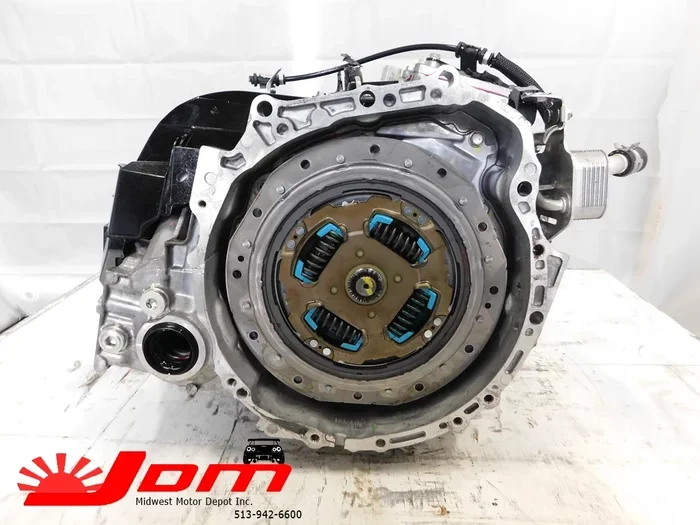
Most modern RAV4 models use a Continuously Variable Transmission, or CVT. A CVT does not have traditional gears. Instead, it uses a belt and pulley system to provide seamless acceleration. This design improves fuel economy and gives smooth driving.
However, CVTs have a reputation for being less durable than traditional automatic transmissions. The belt inside the CVT can wear over time, especially under heavy loads or in stop-and-go traffic. This is the root cause of many RAV4 transmission complaints.
Traditional Automatic Transmission (Older Models)
Older RAV4 models, particularly those from the early 2000s, used a conventional 4-speed or 5-speed automatic transmission. These are generally more robust and longer-lasting. Many owners of these older models report fewer transmission issues compared to the CVT versions.
Hybrid Transmission Setup
The RAV4 Hybrid uses a different powertrain entirely. It combines an electric motor with a gasoline engine and uses a planetary gear set rather than a traditional CVT. The hybrid system is generally more reliable in terms of transmission function. But it still has its own unique components that can wear over time.
If you want to learn more about hybrid-specific concerns, check out whether you can drive a RAV4 without the hybrid battery or what happens if the hybrid system fails.
Common Toyota RAV4 Transmission Problems
Transmission problems in the RAV4 show up in several ways. Recognizing these symptoms early can save you from expensive repairs.
Slipping Gears
This is one of the most common complaints. The RAV4 may feel like it is shifting unexpectedly or losing power during acceleration. You might notice the engine revving higher without a corresponding increase in speed. This usually indicates a worn CVT belt or low transmission fluid.
Jerking or Shuddering
A jerking sensation during acceleration is another frequent issue. Drivers describe it as a vibration or shudder that happens when the vehicle starts moving from a stop. This is often caused by worn CVT pulleys or contaminated transmission fluid.
Delayed Engagement
When you shift from Park to Drive, there should be an immediate response. If your RAV4 hesitates or takes a few seconds to engage, this is a red flag. Delayed engagement often points to internal wear in the transmission or a failing pump.
Transmission Overheating
CVT transmissions generate more heat than traditional automatics. In hot climates or during heavy towing, the transmission can overheat. Overheating accelerates wear on internal components and can lead to premature failure.
Warning Lights on the Dashboard
The check engine light or a transmission warning light may illuminate when something is wrong. Sometimes these lights are triggered by sensor issues rather than actual transmission damage. However, you should never ignore them. If you see a warning light, get your vehicle diagnosed promptly. You can also check whether the wrench light means an oil change or something more serious.
Model Years With Known Transmission Issues
Not all RAV4s are created equal. Some model years have higher rates of transmission complaints than others.
| Model Year Range | Transmission Type | Common Issues | Severity |
|---|---|---|---|
| 2001-2005 | 4-Speed Automatic | Minimal issues reported | Low |
| 2006-2012 | 5-Speed Automatic | Occasional rough shifting | Low to Moderate |
| 2013-2018 | CVT | Slipping, jerking, shuddering | Moderate to High |
| 2019-Present | CVT (Updated) | Fewer complaints, improved design | Low to Moderate |
The 2013 through 2018 model years are the ones most commonly associated with transmission problems. Toyota made design improvements in the 2019 and newer models, which has reduced complaints significantly. If you are shopping for a used RAV4, this table can help you avoid problem years.
What Causes RAV4 Transmission Problems?
Understanding the root causes helps you take preventive action. Here are the most common reasons RAV4 transmissions fail prematurely.
Low or Contaminated Transmission Fluid
Transmission fluid is the lifeblood of your gearbox. It lubricates moving parts and keeps the transmission cool. Over time, fluid breaks down and becomes contaminated. Low fluid levels accelerate wear and can cause overheating. Regular fluid checks and changes are essential.
Driving Habits
How you drive matters more than you might think. Aggressive acceleration, towing heavy loads, and frequent stop-and-go driving all put extra stress on the CVT. If you regularly haul cargo or drive in mountainous terrain, your transmission works harder and wears faster.
Lack of Regular Maintenance
Many RAV4 owners forget about transmission service until something goes wrong. Skipping scheduled maintenance is one of the biggest contributors to premature transmission failure. A transmission flush and fluid replacement at the recommended intervals can add years to your gearbox’s life.
Manufacturing Defects
In some cases, the problem is not the owner’s fault. Toyota issued recalls and technical service bulletins for certain RAV4 years with known CVT defects. If your vehicle is affected, repairs may be covered under warranty. This is another reason to stay on top of recalls and service bulletins for your model.
How to Prevent Transmission Problems in Your RAV4
Prevention is always better than repair. Here are practical steps you can take to keep your RAV4 transmission healthy.
- Change your transmission fluid on schedule. Most mechanics recommend a fluid change every 30,000 to 60,000 miles. Check your owner’s manual for the exact interval.
- Avoid aggressive driving. Smooth acceleration and gentle braking reduce stress on the transmission.
- Do not overload your vehicle. Exceeding the towing capacity or carrying excessive weight strains the CVT.
- Address warning signs immediately. If you notice slipping, jerking, or strange noises, get your RAV4 inspected right away. Early intervention prevents minor issues from becoming major repairs.
- Keep up with regular service. Routine maintenance at a Toyota dealership or trusted mechanic catches small problems before they grow.
Quick Tips for RAV4 Owners
- Check your transmission fluid level every few months.
- Use only Toyota-recommended transmission fluid.
- Avoid shifting from Drive to Reverse while the vehicle is still moving.
- Let your RAV4 warm up for a minute or two before driving in cold weather.
- Keep a record of all maintenance services for warranty claims.
Common Mistakes RAV4 Owners Make
Many owners unknowingly shorten their transmission’s lifespan. Here are mistakes to avoid:
- Ignoring warning lights: The check engine light or transmission warning should never be ignored.
- Skipping fluid changes: Dirty fluid causes friction and heat buildup inside the transmission.
- Driving with low fluid: This is one of the fastest ways to destroy a CVT.
- Delaying repairs: Small issues become big expenses when left unaddressed.
Transmission Repair Costs for the Toyota RAV4
The cost of fixing a RAV4 transmission depends on the severity of the problem and your warranty coverage.
- Fluid change and flush: $150 to $300. This is the cheapest and most effective preventive measure.
- CVT belt replacement: $1,500 to $3,500. This is a common repair for slipping CVTs in older RAV4 models.
- Transmission rebuild: $3,500 to $5,500. A rebuild replaces worn internal components and can extend the life of your transmission.
- Full transmission replacement: $5,500 to $8,000+. This is the most expensive option and usually a last resort.
These costs can add up quickly. This is why staying on top of maintenance is so important. If your RAV4 is still under warranty, many of these repairs may be covered. You can also check whether Toyota dealers can service your vehicle for warranty work, even if you bought it elsewhere.
For those dealing with warning lights related to transmission issues, understanding what triggers the engine management light can help you decide when to seek professional help.
When to Seek Professional Help
Not every transmission issue requires a trip to the mechanic. But certain signs mean you should get expert help immediately.
- Your RAV4 refuses to shift gears or gets stuck in one gear.
- You hear grinding or whining noises from the transmission area.
- The vehicle shakes violently during acceleration.
- Transmission fluid appears dark brown or smells burnt.
- Warning lights stay on after restarting the vehicle.
If you experience any of these symptoms, do not keep driving. Continuing to drive a damaged transmission can cause catastrophic failure and dramatically increase repair costs.
The Bottom Line: Is the Toyota RAV4 Worth It?
Despite the transmission issues in certain years, the Toyota RAV4 remains one of the most reliable compact SUVs available. The vast majority of RAV4s never experience major transmission problems. With proper maintenance and attention to warning signs, your RAV4 can easily last well over 200,000 miles.
The key is to know your vehicle’s history. If you are buying a used RAV4, research the specific model year and ask for service records. If you already own one, stay proactive with maintenance and address issues early.
The Toyota RAV4 is a solid, dependable SUV, and transmission problems do not define the vehicle. They are manageable when you know what to look for and how to respond. Keep your RAV4 well-maintained, drive responsibly, and enjoy the ride for many years to come.
Frequently Asked Questions
Are Toyota RAV4 transmission problems covered under warranty?
Yes, if your RAV4 is still within the powertrain warranty period, transmission repairs are typically covered. The basic warranty covers most issues for 3 years or 36,000 miles, while the powertrain warranty extends to 5 years or 60,000 miles. You can take your Toyota to any dealership for warranty work as long as the vehicle qualifies. Always check your specific warranty terms for details.
Which Toyota RAV4 model years have the most transmission problems?
The 2013 through 2018 model years are the most commonly reported for transmission issues, particularly with the CVT transmission. These years experienced slipping, jerking, and shuddering more frequently than other generations. The 2019 and newer models saw significant design improvements that reduced these complaints considerably.
How often should I change my RAV4 transmission fluid?
Toyota recommends changing the transmission fluid every 30,000 to 60,000 miles for most RAV4 models. However, if you drive in severe conditions like heavy traffic, hot climates, or tow frequently, you should change it more often. Regular fluid changes are the single best way to prevent transmission problems.
Can I drive my RAV4 if it has transmission problems?
It depends on the severity of the issue. Minor symptoms like slight hesitation may not be dangerous, but you should get it checked soon. If your RAV4 is slipping, shaking, or refusing to shift, stop driving and have it towed to a mechanic. Continuing to drive a damaged transmission can cause complete failure and much higher repair costs.
Is the RAV4 Hybrid transmission more reliable than the gas-only version?
Generally, yes. The RAV4 Hybrid uses a planetary gear set rather than a traditional CVT, which tends to be more durable. Hybrid models also benefit from regenerative braking, which reduces wear on the transmission. However, the hybrid system has its own components that require maintenance, so it is not completely maintenance-free.
What is the average cost to repair a RAV4 transmission?
Costs range widely depending on the issue. A simple fluid change costs around $150 to $300, while a CVT belt replacement runs $1,500 to $3,500. A full transmission rebuild or replacement can cost $3,500 to $8,000 or more. Regular maintenance is the best way to avoid these expensive repairs and keep your RAV4 running reliably.