Do Lexus Use Toyota Parts Here Is What You Need To Know
Yes, Lexus uses many Toyota parts because Lexus is a luxury division of Toyota Motor Corporation. This means Lexus vehicles share components, platforms, and parts with Toyota models, which can save you money on repairs and maintenance. Understanding this connection helps you make smarter decisions about servicing and parts replacement for your Lexus.
Do Lexus Use Toyota Parts? The answer might surprise you. The short version is yes. Lexus and Toyota share a deep connection that goes far beyond just sharing a logo. When you own a Lexus, you are part of the Toyota family. This relationship affects everything from how your car is built to what parts are used when something breaks.
Many Lexus owners do not realize this connection. They assume their luxury vehicle needs special exclusive parts. But the truth is that Lexus vehicles use many Toyota parts. This shared parts ecosystem can save you hundreds or even thousands of dollars over the life of your car.
In this article, we will break down everything you need to know. We will cover how Lexus and Toyota share parts, what this means for your wallet, and how to handle repairs the smart way. Whether you drive a Lexus RX, a Lexus ES, or any other model, this guide has you covered.
Key Takeaways
- Shared Heritage: Lexus is a luxury brand under Toyota Motor Corporation, so many parts overlap between the two brands.
- Cost Savings: Using Toyota parts on a Lexus can significantly reduce repair and maintenance costs.
- Dealer Flexibility: You can get your Lexus serviced at a Toyota dealer in many cases.
- OEM Compatibility: Many Lexus and Toyota parts are interchangeable due to shared platforms and engineering.
- Quality Standards: Both brands meet Toyota’s high manufacturing standards, so parts quality remains consistent.
- Warranty Considerations: Using Toyota parts on a Lexus may still be covered under certain warranty conditions.
📑 Table of Contents
The Toyota and Lexus Connection
Toyota Motor Corporation launched Lexus in 1989. The goal was simple. Create a luxury brand that could compete with BMW, Mercedes-Benz, and Audi. But instead of building everything from scratch, Toyota used its existing strengths. This included platforms, engines, and parts that were already proven in the marketplace.
Lexus vehicles are built on Toyota platforms. Many Lexus models share the same chassis as Toyota sedans and SUVs. For example, the Toyota Camry and the Lexus ES share a lot of the same underlying structure. The Toyota Highlander and the Lexus RX also have deep connections. This means many components are identical or very similar.
This is not unusual in the auto industry. Many car companies share parts across their brands. But Toyota took it a step further. The level of sharing between Toyota and Lexus is remarkably high. This makes life easier for owners and more affordable for everyone involved.
How Lexus and Toyota Share Platforms
When automakers build a new car, they start with a platform. Think of the platform as the skeleton of the vehicle. It includes the frame, suspension setup, and mounting points for the engine and transmission. Lexus and Toyota often use the same platform for different models.
Here are some examples of shared platforms between Toyota and Lexus:
- Toyota Camry / Lexus ES: Both sedans share the same platform in many generations. This means the suspension, engine mounts, and structural components are often identical.
- Toyota RAV4 / Lexus NX: These compact SUVs share a platform. Many underbody parts, brakes, and suspension components overlap.
- Toyota Highlander / Lexus RX: These mid-size SUVs are closely related. Many mechanical parts are shared between the two.
- Toyota Avalon / Lexus ES (older models): In some years, these full-size sedans were built on the same base.
When platforms are shared, so are many of the parts. This is the core reason why Lexus uses Toyota parts. The engineering is the same. The manufacturing process is the same. The parts fit both brands.
Which Lexus Parts Come From ToyotaNot every part on a Lexus comes from Toyota. But a surprising number do. Let us break this down into categories so it is easy to understand.
Mechanical Components
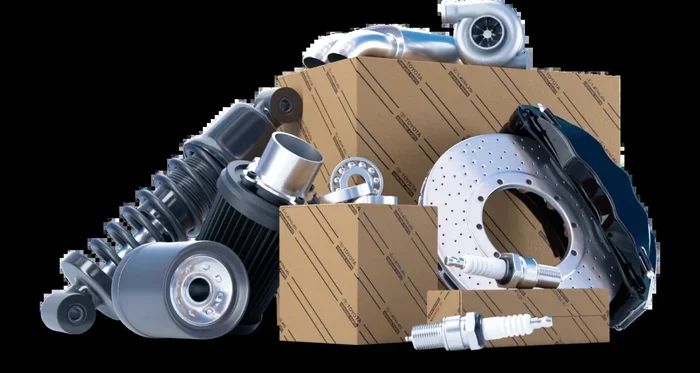
The mechanical parts of a Lexus often come directly from Toyota’s parts bin. This includes items like:
- Engine components: Many Lexus engines are Toyota engines with luxury tuning. The internals, such as pistons and crankshafts, are often identical.
- Transmission parts: Transmissions used in Lexus vehicles are frequently Toyota units or variations of Toyota designs.
- Brake components: Brake calipers, rotors, and pads on many Lexus models are shared with Toyota equivalents.
- Suspension parts: Shock absorbers, struts, and control arms are often the same across shared platforms.
Electrical and Electronic Parts
Modern vehicles rely heavily on electronics. Lexus and Toyota share many electrical components as well:
- Sensors: Oxygen sensors, temperature sensors, and speed sensors are often interchangeable.
- Window regulators: The mechanisms that roll your windows up and down are frequently shared.
- Lighting components: Headlights, taillights, and interior lighting fixtures can overlap between models.
Body and Interior Parts
Some body and interior parts are shared, though Lexus often adds luxury touches. For example, door handles, mirrors, and window switches may be the same. The difference usually comes down to trim, finish, and branding rather than function.
Can You Use Toyota Parts on a Lexus?
This is one of the most common questions Lexus owners ask. The answer is generally yes. Because Lexus and Toyota share so many components, Toyota parts often fit Lexus vehicles perfectly. This applies to both mechanical parts and some body components.
However, there are some important caveats. Not every Toyota part will work on every Lexus. The fit depends on the specific model, year, and platform. Always check part numbers and compatibility before making a purchase.
Where Toyota Parts Work Great on Lexus
Some areas where Toyota parts are a perfect match for Lexus include:
- Brake pads and rotors: On shared platforms, these are often identical.
- Air filters and cabin filters: These are frequently interchangeable.
- Windshield wiper blades: Same sizes and fittings on many models.
- Oil filters and fuel filters: These are often the same across Toyota and Lexus versions of the same platform.
Where Toyota Parts May Not Fit
There are areas where Lexus parts are unique and cannot be swapped with Toyota parts:
- Luxury interior trim pieces: Leather seats, wood trim, and special dash components are Lexus-specific.
- Exclusive Lexus engines: Some Lexus models use engines that Toyota does not offer in its standard lineup.
- Advanced luxury features: Adaptive suspension, premium audio systems, and specialized comfort features are unique to Lexus.
Cost Benefits of Shared Parts
One of the biggest advantages of the Toyota-Lexus parts relationship is cost savings. Lexus is a luxury brand. Luxury parts tend to be expensive. But because Lexus shares many parts with Toyota, you can often buy the same component for less.
Here is how the cost savings add up:
- OEM parts pricing: A Toyota OEM part is often cheaper than the Lexus-branded version of the same part. The part is physically identical in many cases.
- Aftermarket options: Because Toyota parts are more widely used, there are more aftermarket alternatives available. This drives prices down even further.
- Dealer markup: Toyota dealers may charge less for parts that are shared with Lexus because the demand is spread across a larger vehicle base.
Over the life of a vehicle, these savings can be substantial. A brake job that costs $400 at a Lexus dealer might cost $250 using Toyota-sourced parts. Multiply that across multiple repairs, and the difference is significant.
Servicing Your Lexus at a Toyota Dealer
Many Lexus owners wonder if they can take their vehicle to a Toyota dealer for service. The answer is yes, in most cases. Toyota dealers have access to the same parts catalog and technical information for Lexus vehicles. This is because both brands fall under the Toyota Motor Corporation umbrella.
You can get your Lexus serviced at a Toyota dealer for routine maintenance and many repairs. Oil changes, tire rotations, brake inspections, and filter replacements are all standard services that any Toyota dealer can handle for a Lexus.
However, there are some limitations. Major repairs or warranty work may need to go through an authorized Lexus dealer. Always check with your service advisor before scheduling work. And remember, you can take your Toyota to any dealership for warranty work under certain conditions, but Lexus-specific warranty work is best handled at a Lexus dealership.
If you are looking to save money on routine service, a Toyota dealer can be a great option. They have the training, the tools, and the parts to service your Lexus properly.
Understanding OEM vs Aftermarket Parts for Lexus
When it comes to replacing parts on your Lexus, you have options. Understanding these options helps you make the best decision for your vehicle and your budget.
OEM Parts
OEM stands for Original Equipment Manufacturer. These are parts made by the same supplier that built the part for the factory. OEM Lexus parts carry the Lexus branding. But as we have discussed, many OEM Lexus parts are actually Toyota parts under the Lexus label.
OEM parts offer the best fit and finish. They come with warranty coverage and meet all factory specifications. If you want guaranteed quality, OEM parts are the way to go.
Aftermarket Parts
Aftermarket parts are made by third-party manufacturers. They are not affiliated with Toyota or Lexus. Many aftermarket parts are excellent quality and cost significantly less than OEM options.
Popular aftermarket brands for Lexus and Toyota parts include companies that specialize in brakes, filters, and suspension components. Always choose reputable aftermarket brands with good reviews and warranties.
Remanufactured and Used Parts
Another option is remanufactured or used parts. These can offer even deeper savings. However, they come with more risk. Only use remanufactured or used parts from trusted sources. And never compromise on safety-critical components like brakes or steering parts.
Common Mistakes Lexus Owners Make With Parts
Even informed Lexus owners can make mistakes when it comes to parts. Here are some common errors to avoid:
- Assuming all Lexus parts are unique: Many Lexus parts are actually Toyota parts. Do not pay a luxury premium for a part that is shared with the Toyota lineup.
- Skipping part number verification: Always verify the part number for your specific Lexus model and year. A part that fits a Toyota Camry may not fit a Lexus ES in every generation.
- Ignoring Toyota dealer options: Many Lexus owners only visit Lexus dealers. But Toyota dealers can often service your vehicle at a lower cost with the same quality parts.
- Using the wrong grade of fluids: Lexus vehicles may require specific fluid specifications. Always check your owner manual before topping off or changing fluids.
Key Takeaways
- Shared Heritage: Lexus is a luxury brand under Toyota Motor Corporation, so many parts overlap between the two brands.
- Cost Savings: Using Toyota parts on a Lexus can significantly reduce repair and maintenance costs.
- Dealer Flexibility: You can get your Lexus serviced at a Toyota dealer for routine maintenance and many repairs.
- OEM Compatibility: Many Lexus and Toyota parts are interchangeable due to shared platforms and engineering.
- Quality Standards: Both brands meet Toyota’s high manufacturing standards, so parts quality remains consistent.
- Warranty Considerations: Using Toyota parts on a Lexus may still be covered under certain warranty conditions.
Final Thoughts
So do Lexus use Toyota parts? The answer is a clear yes. Lexus and Toyota share a deep technical relationship that benefits owners in many ways. From shared platforms to interchangeable parts, this connection makes owning a Lexus more affordable and convenient.
Next time you need a repair or replacement part, remember that you have options. You do not always need to go to a Lexus dealer or pay Lexus prices. Toyota parts can work perfectly on your Lexus. And Toyota dealers can often handle your service needs at a lower cost.
Understanding the Toyota-Lexus connection empowers you as a car owner. You can make informed decisions about repairs, maintenance, and budgeting. Whether you are a first-time Lexus owner or a long-time enthusiast, this knowledge saves you time and money.
Take care of your Lexus with confidence. The parts are there, the dealers are ready, and the savings are real. Your Lexus is a Toyota at heart, and that is a good thing.
Frequently Asked Questions
Are Lexus and Toyota parts the same?
Many Lexus and Toyota parts are identical, especially on shared platforms. However, some Lexus-specific parts are unique to the luxury brand. Always verify part compatibility for your specific model and year before purchasing.
Can I take my Lexus to a Toyota dealer for service?
Yes, you can get your Lexus serviced at a Toyota dealer for routine maintenance and many repairs. Toyota dealers have access to the same parts catalog and technical information. However, for warranty-specific work, a Lexus dealer may be required.
Are Toyota parts cheaper than Lexus parts?
Yes, Toyota parts are often cheaper than their Lexus counterparts because the Lexus brand carries a luxury markup. Since many parts are physically identical, buying the Toyota version can save you significant money.
Will using Toyota parts void my Lexus warranty?
Using Toyota parts on a Lexus generally does not void your warranty. However, if a part causes a failure, the warranty claim could be denied. Always use high-quality parts and keep records of your repairs.
Which Lexus models share the most parts with Toyota?
Lexus models built on Toyota platforms share the most parts. These include the Lexus ES (shared with the Toyota Camry), Lexus RX (shared with the Toyota Highlander), and Lexus NX (shared with the Toyota RAV4). These shared platforms mean many mechanical and electrical components are interchangeable.
How can I find out if a Toyota part fits my Lexus?
The best way is to check the part number against your Lexus owner manual or consult a parts specialist at a Toyota dealer. They can confirm compatibility for your specific Lexus model, year, and trim level before you purchase any part.