Car Door Edge Guards The Simple Upgrade Every Driver Needs
Car door edge guards are a small but mighty accessory that protects your vehicle from scratches, dings, and daily wear and tear. They are easy to install, affordable, and instantly improve the look and longevity of your car doors. In this guide, you will learn about the different types of door edge guards, how to choose the right one, and how to install them like a pro. Whether you are a new car owner or a seasoned driver, this simple upgrade will save you time, money, and headaches.
This is a comprehensive guide about car door edge guards.
Key Takeaways
- Scratch and Ding Prevention: Door edge guards shield your car doors from the most common sources of damage, including key scrapes and door dings in parking lots.
- Easy DIY Installation: Most door edge guards use adhesive backing and can be installed in under 30 minutes without any special tools.
- Multiple Material Options: From chrome and rubber to carbon fiber and PVC, there is a guard style to match every car and budget.
- Paint Protection and Resale Value: Keeping your door edges pristine helps maintain your vehicle’s paint and boosts resale value over time.
- Cost-Effective Upgrade: Door edge guards are one of the most affordable car accessories you can buy, offering big protection for a small price.
- Enhanced Aesthetic Appeal: Beyond protection, these guards give your car a polished, finished look that turns heads.
[FEATURED_IMAGE_PLACEHOLDER]
What Are Car Door Edge Guards?
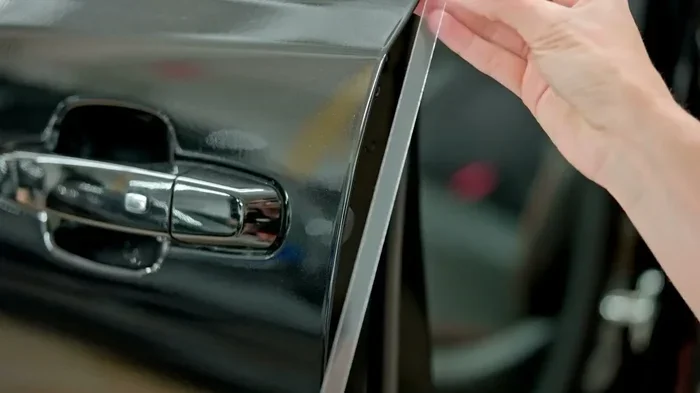
Car door edge guards are protective strips or trim pieces that attach to the outer edge of your vehicle doors. They cover the vulnerable metal or painted surface where the door meets the frame. Think of them as a shield for one of the most exposed parts of your car.
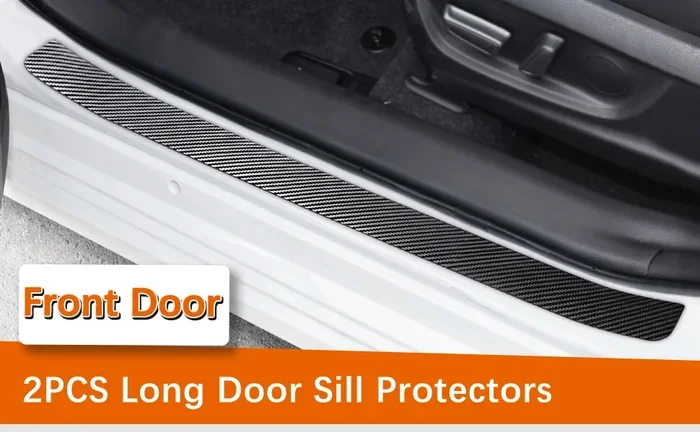
These guards come in many materials, including rubber, chrome, PVC, carbon fiber, and painted trim. They stick on using strong adhesive or screw into pre-drilled holes. The goal is simple: prevent damage before it happens.
Most drivers do not think about door edge protection until they see a scratch or a chip. By then, the damage is done. That is exactly why these guards are so valuable. They work silently in the background, saving you from costly repairs and frustration.
Also known as door edge trim, door bumpers, or door edge caps, these accessories have been around for decades. But modern versions look better and last longer than ever. Whether you drive a sedan, SUV, or truck, there is a guard that fits your vehicle perfectly.
Why Door Edges Are So Vulnerable
Your car door edges take a beating every single day. When you open your door in a tight parking space, the edge can easily scrape against another vehicle or a wall. Over time, these tiny scrapes add up and cause real damage to your paint and metal.
Here are the most common ways door edges get damaged:
- Door dings in parking lots from nearby cars or shopping carts
- Key scrapes during unlocking or closing
- Weather exposure that causes paint chipping and rust
- Accidental impacts with poles, walls, and other objects
- Road debris kicked up by other vehicles
Each of these situations can leave a mark. And once the paint is compromised, moisture gets in. That leads to rust, which is far more expensive to fix than a simple guard would be.
Why Every Driver Should Install Door Edge Guards
If you have ever walked back to your car and spotted a fresh scratch on the door edge, you know the feeling. It is frustrating and disappointing. Door edge guards exist to prevent exactly that kind of disappointment.
But protection is not the only reason to install them. These guards also enhance the appearance of your vehicle. A clean chrome or black trim along the door edge gives your car a finished, polished look. It is one of those small details that make a big difference.
Let us talk about the top reasons every driver should consider this upgrade:
- Scratch Prevention: Guards create a physical barrier between your door edge and anything it might contact.
- Cost Savings: A single paint repair can cost anywhere from $150 to $500. A set of guards costs a fraction of that.
- Easy Maintenance: Guards are simple to clean. A quick wipe keeps them looking great.
- Resale Value: A well-maintained car with no door edge damage sells for more.
- Peace of Mind: You park with confidence, knowing your doors are protected.
- Visual Upgrade: Guards add a sleek, custom look to any vehicle.
How Door Edge Guards Save You Money
Let us do some quick math. A basic door edge guard set costs between $15 and $60, depending on the material and brand. Now compare that to the cost of repairing a single deep scratch or chip on your door edge. A professional paint touch-up runs $150 minimum. A full panel repaint can exceed $500.
Over the life of your vehicle, the savings add up fast. Even if you only avoid one repair, the guard pays for itself many times over. And because these guards also prevent rust, you are protecting the structural integrity of your car as well.
Many insurance companies also appreciate proactive vehicle protection. While door edge guards may not directly lower your premium, keeping your car in excellent condition always helps with claims and resale negotiations.
Types of Car Door Edge Guards
Not all door edge guards are the same. Different materials and designs serve different purposes and appeal to different tastes. Understanding your options helps you pick the right one for your needs and your vehicle.
Chrome Door Edge Guards
Chrome guards are the most popular option for a polished, premium look. They feature a shiny chrome finish that complements any car color. These guards are typically made from ABS plastic with a chrome plating, which gives them durability and a brilliant shine.
Chrome guards are relatively affordable and easy to find. They work well on sedans, SUVs, and trucks alike. The main downside is that they can show fingerprints and smudges, so you will need to wipe them down regularly.
Rubber and Silicone Door Edge Guards
Rubber and silicone guards prioritize function over flash. They absorb impact and provide excellent protection against scrapes and dings. These materials are flexible, which allows them to conform to the shape of your door edge.
Rubber guards are often black and blend in discreetly with your vehicle. They are weather-resistant and hold up well in rain, snow, and extreme heat. If you want pure protection without a flashy look, rubber or silicone is an excellent choice.
PVC and Plastic Door Edge Guards
PVC guards are lightweight and affordable. They come in many colors and finishes, including black, chrome, and body-color matched options. PVC is durable enough for everyday use and resists UV damage well.
These guards are a great middle-ground option. They offer good protection at a low price point. Many OEM-style accessories use PVC because it is easy to mold into precise shapes that fit specific vehicle models.
Carbon Fiber and Fiberglass Door Edge Guards
For drivers who want a sporty, high-performance look, carbon fiber and fiberglass guards are the way to go. These materials are extremely lightweight and strong. They resist impact better than most plastic options and look incredibly sleek.
Carbon fiber guards tend to cost more than other options. But for enthusiasts, the combination of protection and style is well worth the investment. They are especially popular on sports cars and performance vehicles.
Painted and Body-Matched Guards
Painted door edge guards are custom-matched to your vehicle color code. They blend seamlessly with your car and look like a factory-installed feature. Many dealerships and aftermarket shops offer this option.
The downside is the higher cost and the potential for color fading over time. However, if you want a seamless, OEM-quality look, painted guards are the best choice available.
How to Choose the Right Door Edge Guard for Your Car
With so many options on the market, choosing the right guard can feel overwhelming. But it does not have to be. A few simple considerations will guide you to the perfect choice.
Consider Your Vehicle Type and Model
Start by checking whether your car has a specific door edge guard model designed for it. Many manufacturers produce guards tailored to specific makes and models. These pre-cut guards fit perfectly and look the most natural.
If a model-specific guard is not available, universal guards are a great alternative. They come in longer strips that you can cut to size. Just measure your door edge carefully before purchasing.
Think About Your Driving Environment
Where do you park your car most often? If you park in tight urban spaces or crowded parking garages, you need maximum protection. In that case, choose a thick rubber or silicone guard that absorbs impact well.
If you park in a driveway or garage most of the time, a thinner chrome or PVC guard may be sufficient. Your environment matters more than you might think when it comes to door edge scratch prevention.
Match Your Style and Budget
Your personal style plays a role too. Do you prefer a subtle, understated look or a bold, chrome-accented appearance? Set a budget before you shop. Most quality guards range from $10 to $60 per set, so you can find something that fits almost any budget.
Here is a quick comparison of the most popular guard types:
| Type | Price Range | Durability | Best For |
|---|---|---|---|
| Chrome | $15 – $40 | High | Aesthetic appeal and shine |
| Rubber/Silicone | $10 – $30 | Very High | Maximum impact protection |
| PVC | $10 – $25 | Moderate | Budget-friendly protection |
| Carbon Fiber | $30 – $60 | Very High | Sporty look and strength |
| Painted/Body-Matched | $25 – $60 | High | Seamless factory look |
Check the Adhesive Quality
The adhesive is what holds your guard in place. Cheap adhesive fails quickly, especially in hot weather or rain. Look for guards that use 3M adhesive or similar high-quality bonding technology. These adhesives hold strong through temperature changes, car washes, and daily use.
Some guards also come with screws for extra security. If you want the most permanent and reliable installation, consider a guard that offers both adhesive and screw options.
Step-by-Step Installation Guide for Door Edge Guards
Installing door edge guards is one of the easiest car upgrades you can do. You do not need mechanic skills or special tools. With about 30 minutes and a few household items, you can protect every door on your vehicle.
What You Will Need
Before you start, gather these supplies:
- Door edge guard set (pre-cut or universal)
- Isopropyl alcohol or rubbing alcohol
- Microfiber cloth
- Measuring tape (for universal guards)
- Scissors or utility knife
- Masking tape
- Hair dryer or heat gun (optional, for better adhesion)
Step 1: Clean the Door Edge Thoroughly
Start by cleaning the door edge where the guard will go. Use isopropyl alcohol and a microfiber cloth to remove dirt, grease, and wax. The surface must be completely clean and dry for the adhesive to bond properly.
Take your time with this step. Any residue or moisture will weaken the bond. Clean the entire length of the door edge, not just the areas where the guard will sit.
Step 2: Measure and Cut the Guard (If Needed)
If you are using a universal guard, measure your door edge length carefully. Mark the cutting line with a piece of masking tape. Use sharp scissors or a utility knife to cut the guard to size. Cut slowly and evenly for a clean edge.
Pre-cut guards skip this step entirely. Just peel and apply.
Step 3: Apply the Guard
Peel off the adhesive backing slowly. Start at the front edge of the door and press the guard down firmly as you work your way to the rear. Use your fingers or a soft cloth to press the guard onto the surface.
Apply even pressure along the entire length. Make sure there are no bubbles or gaps. If the guard has an adhesive that gets better with heat, use a hair dryer on a low setting to warm the adhesive as you go. This helps it bond more strongly.
Step 4: Press and Cure
Once the guard is applied, press down on it firmly again. Then let it cure for at least 24 hours before opening and closing the door frequently. This allows the adhesive to reach full strength.
After the curing period, your guard is ready to go. You can wash your car as normal, and the guard will hold strong for years.
Common Installation Mistakes to Avoid
- Skipping the cleaning step which leads to poor adhesion
- Applying the guard in direct sunlight or extreme heat, which can weaken the adhesive
- Stretching the guard during application, which causes it to lift later
- Not pressing firmly enough along the edges
- Opening the door too soon before the adhesive has cured
Maintenance Tips for Long-Lasting Door Edge Protection
Once your guards are installed, they do not require a lot of maintenance. But a little care goes a long way in keeping them looking great and functioning well for years.
Regular Cleaning
Wipe your door edge guards with a damp microfiber cloth every few weeks. This removes dirt, road grime, and any fingerprints (especially on chrome guards). Use a mild car soap if needed, but avoid harsh chemicals that can damage the guard material.
Inspect for Wear Periodically
Every few months, inspect your guards for any signs of peeling, cracking, or lifting. Catching these issues early means you can fix them before moisture or dirt gets underneath. A quick reapplication of adhesive can fix minor lifting.
Protect Against Extreme Weather
In very hot climates, the adhesive can soften over time. In very cold climates, it can become brittle. If you live in an extreme climate, consider checking your guards more frequently and using a heat gun to re-bond any areas that start to lift.
When to Replace Your Guards
Most quality door edge guards last between 3 and 7 years. If you notice significant peeling, cracking, or loss of adhesion, it is time for a replacement. The good news is that new guards are inexpensive and the installation process is quick and easy.
Replacing old guards is also a great opportunity to upgrade to a better material or a style you prefer. Car accessories evolve, and you may find a new option that suits your taste better than your original choice.
Common Mistakes Drivers Make with Door Edge Guards
Even with the best intentions, some drivers make mistakes that reduce the effectiveness of their door edge guards. Avoiding these pitfalls ensures you get the full benefit of your investment.
Choosing the Wrong Size
One of the most common mistakes is buying a guard that does not fit properly. A guard that is too short leaves part of the door edge exposed. A guard that is too long may overlap onto the door surface and look awkward. Always measure twice before cutting or purchasing.
Ignoring Surface Preparation
Skipping the cleaning step is the fastest way to guarantee poor adhesion. Dirt, wax, and oils create a barrier between the adhesive and the door surface. Take the extra five minutes to clean properly. Your guards will last much longer as a result.
Applying in Bad Conditions
Do not apply guards in direct sunlight, in freezing temperatures, or in humid rain. The ideal conditions are a cool, shaded, dry environment. If you must install outdoors, choose an overcast day with moderate temperatures.
Using Low-Quality Guards
Cheap guards from unknown brands often use poor adhesive and thin materials. They peel off quickly and provide minimal protection. Investing in a reputable brand with good reviews pays off in durability and performance.
Neglecting to Check the Adhesive Over Time
Even the best adhesive can weaken over time, especially with exposure to extreme temperatures and road conditions. Make it a habit to check your guards every few months. A quick touch-up can extend their life significantly.
Expert Insights: Why Mechanics Recommend Door Edge Guards
Many professional mechanics and auto detailers recommend door edge guards to their customers. Here is why:
Prevention is always cheaper than repair. A $20 set of guards can prevent a $300 paint job. That is a no-brainer in the automotive world. Mechanics see the damage that unprotected door edges sustain every single day, and they wish more drivers would take this simple preventive step.
Door edge damage is one of the most common car complaints. From parking lot scrapes to weather-related chipping, the door edge is constantly under attack. Guards provide a simple, effective defense that any driver can implement.
Modern guards look better than ever. Gone are the days of bulky, ugly plastic strips. Today’s door edge guards are sleek, slim, and designed to complement your vehicle’s factory styling. Many people cannot even tell they are there unless they look closely.
Installation is truly beginner-friendly. You do not need to visit a shop or pay for professional installation. The process takes less than an hour, and most kits come with clear instructions. If you can apply a phone screen protector, you can install door edge guards.
Final Thoughts
Car door edge guards are one of the simplest and most effective upgrades you can make to your vehicle. They protect your doors from scratches, dings, rust, and daily wear. They are affordable, easy to install, and available in styles that suit every taste and budget.
Whether you are a new driver or someone who has been on the road for decades, door edge guards offer value that goes far beyond their price tag. They save you money on repairs, preserve your vehicle’s appearance, and give you peace of mind every time you park.
Do not wait until you see your first scratch on the door edge. Take action now and protect your investment. Pick the right door edge guard for your car, follow the installation steps in this guide, and enjoy the benefits for years to come. Your car will thank you every time you open that door.
This small upgrade proves that sometimes the best car improvements are the simplest ones. Car door edge guards are truly the upgrade every driver needs.
Frequently Asked Questions
How long do car door edge guards last?
Most quality door edge guards last between 3 and 7 years with proper care. The lifespan depends on the material, the quality of the adhesive, and your driving environment. Rubber and silicone guards tend to last the longest because they are flexible and weather-resistant. Regular cleaning and occasional inspections help maximize their durability.
Can I install door edge guards myself?
Absolutely. Door edge guard installation is one of the easiest DIY car upgrades. Most guards use adhesive backing and require no special tools. You simply clean the surface, peel the backing, and press the guard onto the door edge. The entire process takes about 30 minutes for all doors on a standard vehicle.
Will door edge guards affect my car’s resale value?
Yes, in a positive way. Door edge guards protect the paint and metal on your door edges from damage. A car with clean, scratch-free door edges looks much better to potential buyers. Buyers notice these details, and a well-maintained exterior contributes to a higher resale price.
Do door edge guards work in extreme weather?
High-quality door edge guards are designed to withstand a wide range of temperatures. They handle heat, cold, rain, and snow effectively. However, the adhesive may perform best when applied in moderate conditions. If you live in an extreme climate, choose guards with strong 3M-style adhesive and inspect them periodically for any lifting.
Can I remove door edge guards without damaging my car?
Yes, most door edge guards can be removed cleanly. If they were applied with adhesive, use a hair dryer to gently warm the guard, which softens the adhesive. Then peel it off slowly. Any remaining adhesive residue can be cleaned with isopropyl alcohol. The door surface underneath should remain undamaged.
What is the best material for door edge guards?
The best material depends on your priorities. Chrome offers the best aesthetic appeal and works well for drivers who want a polished look. Rubber and silicone provide the most durable impact protection. PVC is the most budget-friendly option. Carbon fiber is ideal for enthusiasts who want a sporty appearance combined with strength. Choose the material that best matches your style and driving needs.
Frequently Asked Questions
What is car door edge guards?
car door edge guards is an important topic with many practical applications.