How Much Does Car Depreciation Per Year Really Cost
Car depreciation per year is one of the biggest hidden costs of owning a vehicle. On average, a new car loses about 15% to 25% of its value in the first year and roughly 15% to 18% annually for the next several years. Understanding car depreciation per year helps you make smarter buying decisions, time your resale perfectly, and keep more money in your pocket. Vehicle depreciation affects every car owner, whether they realize it or not. This guide breaks down the real numbers, the key factors, and the strategies that actually work.
Owning a car feels like a necessity for most people. You drive it to work, run errands, and take road trips with family. But here is something many car owners overlook: your vehicle is losing value every single day. Car depreciation per year is one of the most significant costs of vehicle ownership, yet few people truly understand how it works or how much it actually costs.
When you buy a new car, it starts losing value the moment you drive it off the lot. Over five years, most cars lose about 45% to 55% of their original purchase price. That means if you spend $30,000 on a new sedan, it could be worth only $13,500 to $16,500 after five years. Car depreciation per year adds up fast, and it affects every car owner whether they realize it or not.
Understanding vehicle depreciation gives you a major advantage. You can choose the right car, buy at the right time, and sell at the right moment to minimize your losses. This guide breaks down everything you need to know about car depreciation per year, including the numbers, the factors, and the strategies that actually work.
Key Takeaways
- Cars lose value fast: Most vehicles drop 15% to 25% in the first year alone, making car depreciation per year a major expense.
- Multiple factors matter: Mileage, condition, brand reputation, and market demand all influence how quickly your car loses value.
- Some vehicles hold value better: Trucks, SUVs, and certain reliable brands depreciate much slower than luxury or sports cars.
- You can slow it down: Regular maintenance, smart buying habits, and proper timing can significantly reduce vehicle depreciation.
- Timing your sale is key: Selling at the right moment can save you thousands of dollars in lost value.
- Depreciation is tax deductible: Business owners can claim auto depreciation rate deductions on qualifying vehicles.
📑 Table of Contents
What Is Car Depreciation Per Year?
Understanding Vehicle Depreciation
Car depreciation per year refers to the decline in a vehicle’s value over time. It is the difference between what you paid and what the car is worth now. Every vehicle experiences this loss, but the rate varies widely depending on several factors.
The auto depreciation rate for most new cars is steepest in the first few years. This is because new cars are immediately classified as “used” the moment they are sold. A brand-new vehicle loses its “new car” status, and buyers of used cars expect a lower price. This is the core reason behind new car depreciation being so aggressive in the first year.
Think of it this way. You buy a car for $35,000. By the time you arrive home, it might already be worth $28,000. That $7,000 loss happened before you even finished your first tank of gas. This is why car depreciation per year is often called the silent killer of your car investment.
How Depreciation Works in Practice
A typical car depreciation schedule looks something like this:
- Year 1: 15% to 25% value loss
- Year 2: 15% to 18% additional loss
- Year 3: 10% to 15% additional loss
- Year 4: 10% additional loss
- Year 5: 10% additional loss
These numbers represent a general vehicle depreciation rate across most passenger cars. The actual numbers can vary based on the specific vehicle, how it is driven, and market conditions. Using a depreciation calculator can give you a more precise estimate for your particular car.
The car value over time follows a curve that is steep at the beginning and then levels out. After about five to seven years, the rate of car value loss slows significantly. This is why many experts recommend keeping a car for at least five years to let the steepest depreciation drop happen before you buy again.
How Much Does a Car Depreciate Per Year on Average?
New Car Depreciation Rates
The average new car loses about 20% of its value in the first year. By the end of year two, it has lost roughly 30% of its original value. After five years, the typical new car depreciation figure sits around 45% to 55%. These are averages, and some vehicles depreciate faster or slower.
For example, a $40,000 new SUV might be worth $32,000 after one year, $28,000 after two years, and about $20,000 after five years. That is a loss of $20,000, or half the purchase price. This is a huge car ownership cost that many buyers fail to consider before signing the paperwork.
Luxury vehicles tend to depreciate even faster. A $70,000 luxury sedan might lose 30% or more in the first year alone. Fastest depreciating cars include certain luxury brands, electric vehicles with rapidly improving technology, and models that fall out of fashion quickly.
Used Car Depreciation Trends
Used car depreciation is less dramatic than new car depreciation. A three-year-old car has already gone through the steepest part of the curve. Buying a used car is one of the most effective ways to reduce car depreciation per year impact on your wallet.
A new car bought for $35,000 loses about $7,000 in year one. A used car bought for $25,000 (three years old) might only lose $2,500 in year four. That is a massive difference in annual depreciation rate. This is why many savvy buyers choose the used car route.
The car depreciation chart for used vehicles is much flatter. After the first five years, the steepest losses are already behind you. A well-maintained used car can hold its value reasonably well for years after that.
New vs Used Depreciation Comparison
Here is a side-by-side look at how car depreciation per year compares between new and used vehicles over a five-year period:
| Year | New Car Value (Started at $35,000) | Used Car Value (Started at $25,000) |
|---|---|---|
| Year 0 (Purchase) | $35,000 | $25,000 |
| Year 1 | $28,000 (-20%) | $22,500 (-10%) |
| Year 2 | $24,500 (-12.5%) | $20,250 (-10%) |
| Year 3 | $21,000 (-14.3%) | $18,225 (-10%) |
| Year 4 | $18,200 (-13.3%) | $16,403 (-10%) |
| Year 5 | $15,750 (-13.5%) | $14,763 (-10%) |
| Total Loss | -$19,250 (55%) | -$10,237 (41%) |
This table illustrates a key point: the used car path saves you over $9,000 in total vehicle depreciation over five years. The depreciation formula clearly favors buying slightly used when you want to minimize long-term value loss.
Key Factors That Affect Car Depreciation Per Year
Not all cars depreciate at the same rate. Several key factors determine how quickly your vehicle loses value. Understanding these car depreciation factors can help you make better choices as a buyer and seller.
Mileage and Wear
Mileage is one of the biggest drivers of car depreciation per year. Higher mileage means more wear and tear on the engine, transmission, brakes, and tires. Buyers know this, which is why high-mileage cars sell for less.
The average American drives about 13,500 miles per year. A car with significantly more than that will show up as a less attractive option on the resale value market. Keeping your mileage low is one of the simplest ways to protect your vehicle retention value.
Quick Tip: Try to stay under 10,000 miles per year if possible. If you have a long commute, consider a fuel-efficient vehicle that won’t rack up miles as quickly.
Vehicle Condition and Maintenance
A well-maintained car holds its value much better than a neglected one. Regular oil changes, tire rotations, brake inspections, and timely repairs all contribute to a healthier car worth over time.
Interior condition matters too. Stains, odors, torn seats, and excessive wear inside the cabin can significantly reduce what buyers are willing to pay. Exterior damage like dents, scratches, and paint chips also hurt your car value over time.
Common Mistake: Many owners skip routine maintenance to save money short-term. This backfires when it is time to sell, because the lack of service records and visible wear lowers the perceived value of the vehicle.
Market Demand and Brand Reputation
Some brands and models hold value much better than others. Toyota, Honda, and Subaru vehicles are known for reliability and strong vehicle retention value. These brands consistently rank at the top of car depreciation charts for slowest value loss.
On the other hand, brands with frequent model changes, reliability issues, or falling demand tend to depreciate faster. The market demand for specific vehicle types also plays a role. Trucks and SUVs currently hold value better than sedans in many markets.
Color, trim level, and optional features also matter. Popular colors like white, black, and silver tend to sell faster. Unique or bold colors can limit your buyer pool and reduce your car investment return.
Fastest vs Slowest Depreciating Vehicles
Cars That Lose Value Quickly
Certain types of vehicles are notorious for rapid car depreciation per year. Luxury cars, sports cars, and vehicles with expensive maintenance costs tend to fall off the value cliff quickly.
Electric vehicles present an interesting case. As battery technology improves rapidly, older EV models can lose value quickly because newer models offer better range and features. However, some popular EVs like the Tesla Model 3 have shown better-than-expected vehicle depreciation rates.
Here are some general examples of vehicles that depreciate fast:
- Luxury sedans from European brands
- Sports cars with low production numbers
- Vehicles with expensive or complex technology
- Models that receive major redesigns every few years
- Cars with known reliability problems
Vehicles That Hold Their Value
Some vehicles are famous for defying the auto depreciation rate. These are the models that retain the highest percentage of their original value over time.
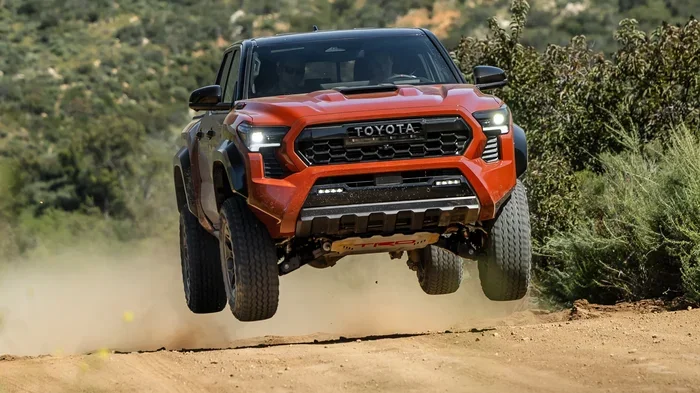
Trucks like the Toyota Tacoma and Ford F-Series consistently rank as some of the best at holding value. The Jeep Wrangler also shows remarkable vehicle retention value thanks to its loyal fan base and strong resale demand.
Here are some vehicles known for slow depreciation:
- Toyota Tacoma and Toyota 4Runner
- Jeep Wrangler
- Honda Civic and Honda CR-V
- Ford F-150 and other full-size trucks
- Subaru Outback and Subaru Forester
If you want to minimize car depreciation per year, choosing a vehicle from these categories is a smart strategy. The depreciation formula works in your favor when you pick a model with proven reliability and strong demand.
How to Minimize Car Depreciation Per Year
The good news is that you are not powerless against car depreciation per year. There are several practical steps you can take to slow down value loss and protect your investment.
Smart Buying Habits
How you buy a car has a huge impact on how much it depreciates. Here are some car buying tips that can help:
- Buy slightly used. A two- to three-year-old vehicle has already absorbed the steepest depreciation. You save thousands upfront and lose less value going forward.
- Choose popular colors and options. Standard colors and sought-after features broaden your buyer pool when it is time to sell.
- Consider certified pre-owned vehicles. These come with warranties and inspection records, which boost buyer confidence and resale value.
- Research before you buy. Check car depreciation charts and reviews to understand which models hold value best in your segment.
Maintenance and Care Tips
Keeping your car in excellent condition is the most effective way to reduce car depreciation per year. Here is what you should focus on:
- Follow the manufacturer’s maintenance schedule exactly.
- Keep all service records organized and available.
- Address repairs promptly, no matter how small.
- Wash and wax the exterior regularly to protect the paint.
- Clean the interior thoroughly and address stains immediately.
- Avoid smoking or eating inside the vehicle.
- Use quality parts and fluids for all repairs.
Expert Insight: A complete service history can add hundreds or even thousands of dollars to your vehicle’s resale value. Buyers are willing to pay a premium for cars with documented maintenance because it reduces their perceived risk.
Timing Your Sale
When you sell your car matters more than many people realize. Selling at the right time can mean the difference between a good price and a disappointing one.
The best time to sell is often just before a new model year begins. Buyers shopping for new models create demand for the outgoing year’s vehicles. Additionally, selling in spring or early summer tends to yield better prices because more buyers are actively shopping.
Common Mistake: Many owners wait too long to sell. After about seven to ten years, maintenance costs start eating into any remaining value. Selling before major repairs are needed is a key strategy for maximizing your return.
Is Car Depreciation Per Year Tax Deductible?
Business Use and Depreciation Deductions
If you use your vehicle for business purposes, car depreciation per year may be tax deductible. The IRS allows business owners to deduct the auto depreciation rate as part of the vehicle’s cost recovery.
There are two main methods for claiming this deduction. The standard mileage rate method lets you deduct a set amount per business mile driven. The actual expense method allows you to deduct the actual depreciation, along with gas, maintenance, and other costs. The depreciation formula under the actual expense method follows a specific schedule set by the IRS.
How to Claim Vehicle Depreciation
To claim a depreciation deduction, you need to keep detailed records of business use. This includes a mileage log, receipts for all expenses, and documentation of the vehicle’s purchase price and date of service.
Quick Tip: Consult a tax professional before claiming vehicle depreciation. The rules can be complex, and claiming incorrectly can trigger an audit. A tax advisor can help you maximize your deduction while staying compliant with IRS regulations.
Also keep in mind that if you use your vehicle for both personal and business purposes, you can only deduct the business portion of depreciation. The personal use portion does not qualify for a deduction.
Conclusion
Car depreciation per year is an unavoidable part of vehicle ownership. Every car loses value over time, and the costs add up significantly over a ownership lifetime. But understanding how car depreciation per year works puts you in a much stronger position to minimize those losses.
By buying smart, maintaining your vehicle properly, timing your sale carefully, and choosing models known for strong vehicle retention value, you can save thousands of dollars over the life of your car. The auto depreciation rate might be steep, but it does not have to destroy your finances.
Take the time to research your options. Use a depreciation calculator to estimate future value loss. Review car depreciation charts for the models you are considering. The more you know about car depreciation per year, the better decisions you will make as a buyer, owner, and eventual seller.
Your car is more than just transportation. It is a financial commitment. Treat it that way, and you will come out ahead. The goal is not to stop depreciation entirely, because that is impossible. The goal is to make car depreciation per year work for you by understanding it, planning for it, and minimizing its impact on your budget.
Frequently Asked Questions
How much does a car depreciate in the first year?
Most new cars lose between 15% and 25% of their value in the first year. This means a car purchased for $30,000 could be worth $22,500 to $25,500 after just 12 months. The exact amount depends on the make, model, mileage, and overall condition of the vehicle.
What is the average car depreciation rate per year?
The average annual auto depreciation rate is about 15% to 18% for the first five years of ownership. After year five, the rate typically slows to about 10% to 15% per year. These numbers vary based on the vehicle type, brand reputation, and market demand.
Can I reduce car depreciation per year?
Yes, you can significantly reduce car depreciation per year through regular maintenance, keeping mileage low, choosing popular models, and timing your sale strategically. Buying a slightly used vehicle is also one of the most effective ways to avoid the steepest early depreciation.
Which cars have the lowest depreciation rate?
Vehicles like the Toyota Tacoma, Jeep Wrangler, Honda Civic, Ford F-150, and Subaru Outback are known for their low vehicle depreciation rate. These models have strong resale demand, proven reliability, and loyal customer bases that help them retain value better than most competitors.
Is car depreciation tax deductible?
If you use your vehicle for business purposes, you can deduct car depreciation per year on your taxes using either the standard mileage rate or the actual expense method. You must keep detailed records of business use and consult a tax professional to ensure proper claiming.
How can I estimate my car’s future value?
You can use online depreciation calculators and car depreciation charts from sources like Kelley Blue Book or Edmunds. These tools factor in your vehicle’s make, model, year, mileage, and condition to estimate its car worth at any point in the future.