Blue Wraps for Cars Make a Bold and Beautiful Statement
Blue wraps for cars offer a bold, eye-catching way to transform your vehicle without permanent changes. Whether you prefer a glossy finish or a matte blue look, custom car wraps give you endless style options. This guide covers everything from cost and installation to maintenance and design ideas. You will learn why blue vinyl wrap is a top choice for car enthusiasts who want a beautiful, protective finish.
There is something undeniably striking about a car wrapped in blue. Whether it is a sleek midnight navy or a vibrant electric sapphire, blue wraps for cars turn heads on every street. This color has a long history of representing confidence, creativity, and calm energy all at once.
If you have been thinking about changing your car’s look, a blue vinyl wrap might be the perfect solution. Unlike a traditional paint job, a wrap gives you a completely new appearance without any permanent commitment. It is one of the smartest ways to customize your car and stand out from the crowd.
In this guide, we will walk you through everything you need to know about blue car wraps. We will explore the different types available, break down costs, explain the installation process, and share tips for keeping your wrap looking flawless. By the end, you will have a clear picture of why so many car owners are choosing this bold option.
Key Takeaways
- Versatile Style: Blue wraps for cars come in many shades, from deep navy to bright electric blue, letting you find the perfect match for your personality.
- Paint Protection: A vinyl wrap acts as a shield for your original paint, helping preserve resale value.
- Affordable Customization: Compared to a full paint job, blue car wrap costs significantly less while delivering stunning results.
- Reversible: Unlike paint, wraps are removable, making them ideal for renters or anyone who likes to change styles often.
- Durable Finish: Quality automotive wrap materials last 5 to 7 years with proper care.
- Easy Maintenance: Simple washing and occasional waxing keep your blue vehicle wrap looking fresh for years.
📑 Table of Contents
- Why Blue Wraps for Cars Are So Popular
- Types of Blue Car Wraps You Can Choose
- How Much Does a Blue Car Wrap Cost?
- The Blue Wrap Installation Process
- Maintaining Your Blue Car Wrap
- Blue Wraps for Cars vs. Traditional Paint Jobs
- Common Mistakes to Avoid with Blue Car Wraps
- Expert Insights on Choosing the Perfect Blue Wrap
- Final Thoughts on Blue Wraps for Cars
Why Blue Wraps for Cars Are So Popular
Color choice matters when it comes to vehicle customization. Blue is consistently one of the most popular car colors worldwide, and for good reason. It looks clean, modern, and stylish on nearly every body type and model.
But the popularity of blue wraps for cars goes beyond just aesthetics. Here are some key reasons drivers are making the switch:
A Color That Works on Every Car
Blue is a universally flattering color. It looks stunning on sedans, SUVs, trucks, and even compact cars. A gloss blue wrap on a sports car gives it a sporty, aggressive feel. The same shade on a family SUV creates a sense of trust and reliability. This versatility is a big reason why so many people choose blue for their vehicle wrap projects.
Standing Out Without Going Overboard
Bright red or yellow can feel overwhelming on a large vehicle. Blue, on the other hand, grabs attention while still looking refined. A matte blue wrap gives a subtle, sophisticated vibe. A chrome blue wrap adds a flashy, high-end touch. You can go bold or keep it understated — the choice is yours.
Emotional Connection to the Color
Studies show that blue is associated with trust, stability, and calm. Many car owners feel a personal connection to this color. When you wrap your car in blue, you are not just changing its appearance — you are expressing something about yourself. This emotional pull makes blue car wrap projects deeply satisfying for owners.
Types of Blue Car Wraps You Can Choose
Not all blue wraps are created equal. The automotive wrap industry offers a wide range of blue shades and finishes. Understanding your options helps you pick the perfect look for your vehicle.
Gloss Blue Wrap
A gloss blue wrap is the most classic choice. It has a shiny, reflective surface that makes the color pop. This finish works beautifully on cars that you want to look sleek and polished. Gloss wraps are also easier to clean because the smooth surface repels dirt and water more effectively than matte finishes.
Matte Blue Wrap
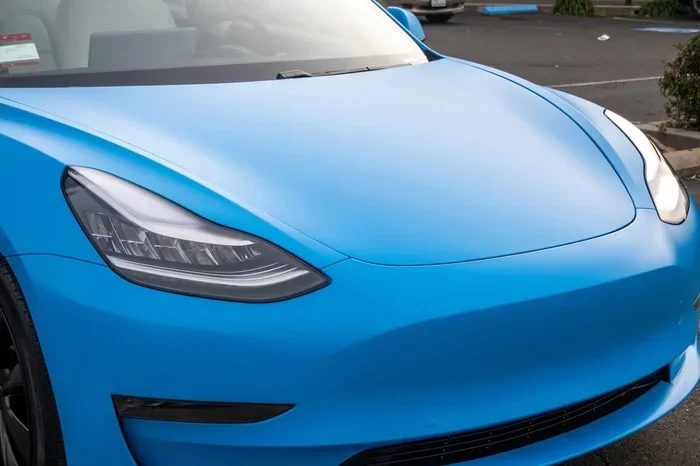
Matte blue wraps have become incredibly popular in recent years. They have a flat, non-reflective finish that gives a modern, understated look. A matte finish hides minor imperfections in the car’s surface better than gloss. It also resists fingerprints and smudges, which makes daily maintenance a breeze.
Satin Blue Wrap
A satin blue wrap falls right between gloss and matte. It has a soft, silky sheen that adds depth to the color without being overly shiny. Satin finishes are a favorite among car enthusiasts who want something unique but not too flashy. This finish also tends to show fewer scratches than gloss options.
Chrome Blue Wrap
If you want to make a real statement, a chrome blue wrap is hard to beat. This finish has a metallic, mirror-like quality that catches light from every angle. Chrome blue looks especially impressive on dark-colored cars. However, it does require more careful maintenance to keep it looking its best.
Matte Chrome Blue Wrap
For the best of both worlds, consider a matte chrome blue wrap. It combines the modern look of matte with the eye-catching sparkle of chrome. This hybrid finish is trending fast in the custom car wrap world and offers a truly unique appearance.
How Much Does a Blue Car Wrap Cost?
Cost is one of the biggest factors when considering blue wraps for cars. The good news is that wrapping is generally much more affordable than a professional paint job. Let us break down what you can expect to pay.
Average Cost Breakdown
The total cost of a blue vehicle wrap depends on several factors, including the size of your car, the type of vinyl used, and the complexity of the design. Here is a general price range:
- Partial Wrap: $500 to $1,500 — covers specific panels like the hood, roof, or doors.
- Full Wrap: $2,000 to $5,000 — covers the entire vehicle for a complete transformation.
- Premium Vinyl: $3,500 to $7,000 — includes high-end materials like chrome or specialty finishes.
- Design Add-Ons: $200 to $1,000 — custom graphics, patterns, or multi-color designs.
Factors That Affect Wrap Cost
Several things influence the final price of your blue car wrap:
- Vehicle Size: Larger vehicles like trucks and SUVs require more material, which increases the cost.
- Vinyl Quality: Premium brands like 3M and Avery Dennison cost more but last longer and look better.
- Finish Type: Chrome and satin finishes typically cost more than standard gloss or matte.
- Installation Complexity: Curves, edges, and unique body shapes require more skill and time.
- Geographic Location: Wrap shops in major cities often charge more than those in smaller towns.
Is a Blue Car Wrap Worth the Investment?
Absolutely. When you compare the cost of a blue vinyl wrap to a custom paint job, the wrap wins on value. A quality paint job can easily cost $5,000 or more. Plus, a wrap protects your original paint, which helps maintain your car’s resale value. Over time, a vehicle wrap proves to be a smart financial decision.
The Blue Wrap Installation Process
Understanding how a blue car wrap is installed helps you set realistic expectations. The process is precise and requires professional skill to achieve a flawless finish.
Step 1: Surface Preparation
The first step is thoroughly cleaning the car. Any dirt, dust, or grease on the surface can cause the wrap to bubble or peel. Technicians often use a special adhesive promoter to ensure the vinyl bonds properly to the paint. This preparation step is critical for a long-lasting result.
Step 2: Measuring and Cutting
Next, the wrap material is carefully measured and cut to fit your specific vehicle. Precision matters here. Even small errors can lead to visible seams or uneven edges. A skilled installer will match the wrap to every curve and contour of your car’s body.
Step 3: Application
The vinyl is applied section by section using a squeegee to press out air bubbles. Heat guns are used to stretch the material around curves and tight spots. This step requires patience and experience. Rushing the application can lead to wrinkles, misalignment, or premature peeling.
Step 4: Final Inspection
Once the wrap is fully applied, the technician inspects every inch of the vehicle. They check for bubbles, loose edges, or alignment issues. A quality installation should look seamless, as if the car was painted that color from the factory.
How Long Does Installation Take?
A full automotive wrap typically takes one to three days, depending on the vehicle size and design complexity. Partial wraps can be completed in a single day. It is important to let the wrap cure for 24 to 48 hours before driving it in extreme weather or washing it.
Maintaining Your Blue Car Wrap
Proper maintenance is the key to making your blue wraps for cars last for years. The good news is that caring for a wrap is simple and does not require any special products.
Daily Care Tips
- Wash Regularly: Hand wash your wrapped car every one to two weeks using a mild soap and a soft microfiber cloth.
- Avoid High-Pressure Washers: Direct high-pressure spray near edges and seams can lift the vinyl over time.
- Dry Gently: Use a clean, soft towel to pat dry. Avoid abrasive materials that could scratch the surface.
- Park in the Shade: Prolonged sun exposure can fade any wrap over time. A garage or covered parking spot is ideal.
Waxing and Sealing
You can apply a non-abrasive car wax to your blue vehicle wrap every three to four months. This adds a protective layer and enhances the shine. Make sure the wax is safe for use on vinyl wraps — avoid products with harsh chemicals or abrasive compounds.
Dealing with Minor Damage
Small scratches or chips in a wrap are usually repairable. A professional can touch up minor damage without replacing entire panels. For larger tears or peeling edges, it is best to visit your wrap shop promptly. Addressing small issues early prevents them from becoming bigger problems.
Wrap Lifespan
A well-maintained blue car wrap typically lasts between five and seven years. The lifespan depends on the quality of the vinyl, the frequency of washing, and how much sun exposure the car receives. When the time comes to remove the wrap, your original paint will be preserved underneath.
Blue Wraps for Cars vs. Traditional Paint Jobs
When you want to change your car’s color, you generally have two options: a blue vehicle wrap or a custom paint job. Both have their advantages, but they serve different needs and budgets.
Cost Comparison
A full paint job almost always costs more than a wrap. Paint jobs also take longer to complete and require the car to be at the shop for an extended period. A blue car wrap is faster, cheaper, and just as visually impressive.
Protection and Preservation
This is where wraps really shine. A vinyl wrap acts as a protective layer over your original paint. It shields the car from UV rays, minor scratches, bird droppings, and road debris. Paint jobs offer no such protection. In fact, repainting a car can actually decrease its resale value if not done perfectly.
Reversibility
One of the biggest advantages of a blue vinyl wrap is that it is completely reversible. You can remove the wrap at any time and return the car to its original color. This makes wraps an excellent choice for renters, lease car owners, or anyone who likes to change their car’s look frequently.
Customization Options
Wraps offer far more design flexibility than paint. You can choose from dozens of blue shades, finishes, and patterns. You can even add graphics, stripes, or custom logos to your custom car wrap. Paint is limited to a flat color unless you pay extra for specialty finishes.
Quick Comparison Table
| Feature | Blue Wrap | Paint Job |
|---|---|---|
| Average Cost | $2,000 – $5,000 | $5,000 – $10,000+ |
| Installation Time | 1 – 3 days | 1 – 2 weeks |
| Reversible | Yes | No |
| Paint Protection | Yes | No |
| Lifespan | 5 – 7 years | 10+ years |
| Design Flexibility | Very High | Limited |
| Resale Value Impact | Positive | Neutral to Negative |
Common Mistakes to Avoid with Blue Car Wraps
Even though blue wraps for cars are relatively straightforward, some common mistakes can shorten the lifespan of your wrap or ruin its appearance. Being aware of these pitfalls helps you get the best results.
Skipping Professional Installation: DIY wrap kits are tempting, but they rarely look as good as a professional job. Improper application leads to bubbles, wrinkles, and premature peeling. Always invest in a skilled installer for the best outcome.
Choosing Low-Quality Vinyl: Cheap vinyl may save money upfront, but it fades faster and peels sooner. Stick with reputable brands that offer wrap warranty coverage. Premium materials are worth every penny.
Ignoring Edge Care: The edges of a wrap are the most vulnerable areas. Avoid scraping them against tight parking spaces or rough surfaces. Keeping edges clean and intact extends the wrap’s life significantly.
Using Harsh Cleaning Products: Never use abrasive cleaners, bleach, or solvent-based chemicals on your wrapped car. Stick to pH-neutral soaps and dedicated vinyl cleaners for the best results.
Neglecting Regular Maintenance: Even though wraps are durable, they still need regular care. Skipping washes and waxing allows grime buildup that can degrade the vinyl over time. A little effort goes a long way.
Expert Insights on Choosing the Perfect Blue Wrap
We spoke with several experienced automotive wrap professionals to get their top tips for choosing the right blue wrap. Here is what they had to say:
“The shade of blue matters more than people realize,” says Jake Torres, a certified wrap installer with over ten years of experience. “Darker blues like navy look elegant on luxury sedans. Lighter blues like electric or sky blue pop beautifully on sporty coupes. Always consider your car’s shape and size when choosing the shade.”
“Finish choice changes everything,” adds Maria Chen, a car customization specialist. “A matte finish hides imperfections and looks modern. A gloss finish makes the car look shiny and new. Satin is the trending choice right now because it offers a unique middle ground that clients love.”
Their advice is clear: take your time choosing the right shade and finish. Your blue car wrap is a big investment, and the right choices will keep you happy for years.
Final Thoughts on Blue Wraps for Cars
Blue wraps for cars are more than just a trend — they are a smart, stylish, and versatile way to transform your vehicle. Whether you choose a deep navy matte or a brilliant electric gloss, a blue wrap delivers stunning results that turn heads wherever you go.
The benefits go far beyond looks. A blue vinyl wrap protects your original paint, preserves resale value, and costs a fraction of what a custom paint job would. It is reversible, customizable, and available in more finishes and shades than you can imagine.
If you have been on the fence about wrapping your car, now is the perfect time to take the leap. Find a reputable wrap installation shop near you, discuss your design options, and get ready to enjoy a completely new look for your vehicle. With proper care and maintenance, your blue car wrap will look incredible for years to come.
Remember, your car is an extension of your personality. Why settle for a boring, standard color when you can make a bold and beautiful statement with blue wraps for cars? The road ahead has never looked this good.
Frequently Asked Questions
How long do blue wraps for cars last?
A quality blue car wrap typically lasts between five and seven years. The lifespan depends on the vinyl quality, how often you wash the car, and how much sun exposure it gets. Proper maintenance can extend the life of your wrap significantly.
Can I wash my blue wrapped car in an automatic car wash?
It is best to avoid automatic car washes, especially the brush-type ones. The rotating brushes can cause small scratches and lift the edges of the wrap over time. Hand washing with a soft cloth and mild soap is the safest method for maintaining your vehicle wrap.
Will a blue wrap damage my car’s original paint?
No. In fact, a vinyl wrap protects your original paint from UV rays, minor scratches, and environmental damage. When the wrap is removed, the paint underneath should remain in excellent condition, which helps preserve your car’s resale value.
How much does a full blue car wrap cost?
The cost of a full blue vehicle wrap ranges from $2,000 to $5,000 for standard vinyl. Premium materials like chrome or specialty finishes can push the price to $3,500 or higher. The final cost depends on your car’s size, the vinyl brand, and the complexity of the installation.
Can I wrap just part of my car in blue?
Yes, partial wraps are a popular and affordable option. You can wrap the hood, roof, mirror caps, or side panels in blue while keeping the rest of the car in its original color. A partial wrap typically costs between $500 and $1,500 and still delivers a striking visual impact.
Is it hard to remove a blue car wrap?
No, removal is straightforward when done by a professional. The wrap is heated gently, and the vinyl is peeled off carefully. Most wraps come off cleanly without leaving residue or damaging the original paint underneath. It is a simple and painless process that makes blue wraps for cars so appealing to renters and lease owners.
=== CONCLUSION ===
Blue wraps for cars offer a fantastic way to transform your vehicle’s appearance without the high cost or permanence of a paint job. From choosing the perfect shade to maintaining the finish, this guide has covered everything you need to know to make an informed decision. A blue car wrap protects your paint, saves you money, and lets your personality shine through every time you hit the road.
Take the next step today. Explore your options, find a trusted wrap professional, and start your journey toward a bold, beautiful blue ride that turns heads everywhere you go.