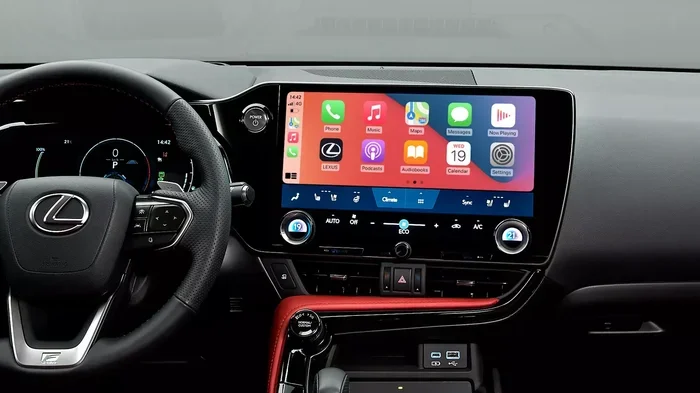
Can You Use Regular Gas in an Infiniti QX80 Without Issues
You can use regular gas in an Infiniti QX80, but it’s not the ideal choice. Using regular gas in an Infiniti QX80 may save money upfront but can lead to reduced performance and potential engine issues over time. This guide explains what the manufacturer recommends, the risks of lower octane fuel, and how to decide what’s best for your luxury SUV.
So, you’re asking, Can You Use Regular Gas in an Infiniti QX80? The short answer is yes, but there are important details you need to know. Using regular gas in an Infiniti QX80 might save you money upfront, but it can affect performance and longevity. This guide breaks down what the manufacturer recommends, what happens when you use lower octane fuel, and how to decide if the savings are worth it. You’ll learn about engine knock, fuel economy, and expert tips to keep your luxury SUV running smoothly.
The Infiniti QX80 is a powerful full-size SUV with a turbocharged V8 engine. It’s designed for towing, hauling, and smooth highway cruising. Many owners ask about fuel choices because premium gas can be pricey. Understanding your options helps you make smart decisions at the pump.
Key Takeaways
- The QX80 recommends premium gasoline for best performance and longevity.
- Using regular gas won’t cause immediate damage but may reduce power and fuel economy.
- Engine knock is a warning sign that tells you the fuel isn’t right.
- Premium gas can improve towing and fuel economy in the long run.
- Occasional use of regular gas is low-risk if you avoid heavy loads.
- Always consult your owner’s manual before changing your fuel type.
- Long-term use of regular gas may affect engine longevity and repair costs.
📑 Table of Contents
What the Infiniti QX80 Owner’s Manual Recommends
Every new Infiniti QX80 comes with an owner’s manual. This book is your best friend when it comes to fuel choices. The manual clearly states the recommended fuel type. For the QX80, that is premium gasoline. Infiniti designs the engine to run on fuel with a higher octane rating. The manual also lists the compression ratio and explains why it matters. You’ll find this information in the fuel section. It’s a good idea to read it before you fill up for the first time.
Recommended Fuel Type
The owner’s manual says to use premium gasoline with an octane rating of 91 or higher. This is the recommended octane for the QX80’s 5.6-liter V8 engine. Premium fuel helps the engine run smoothly and safely. It also supports the turbocharging system. When you use the right fuel, the engine can deliver its full power. The manual may also mention that using a lower octane can affect warranty coverage. Always follow the guidelines to keep your Infiniti QX80 fuel system healthy.
Octane Rating Explained
Octane rating measures how well fuel resists knocking. Knocking is a harmful combustion event. Regular gas has an octane rating of 87. Mid-grade is 89. Premium is 91 or higher. The QX80 has a high compression ratio. High compression engines need higher octane fuel to prevent knocking. Using 87 octane in an engine built for 91 can cause problems. The engine control unit may adjust timing to reduce knock. This adjustment can lower performance. It’s a safety feature, but it comes at a cost.
Can You Use Regular Gas in an Infiniti QX80?
Yes, you can physically put regular gas in an Infiniti QX80. The fuel tank will accept it. But the question is whether you should. The short answer is that it’s not ideal. The QX80’s engine is tuned for premium fuel. Using a lower octane can change how the engine runs. You might not notice a difference right away. Over time, the effects can add up. This section explains what happens when you choose regular unleaded over premium.
Engine Knock and Performance
Engine knock is the most common issue. It sounds like a light pinging or tapping noise. It happens when the air-fuel mixture ignites too early. The QX80’s high compression ratio makes it more prone to knock. When you use 87 octane, the fuel may not resist detonation well. The engine control unit will try to fix this. It retards the ignition timing. This reduces power and responsiveness. You might feel a slight lag when you press the accelerator. The engine performance drops. Towing becomes harder. The smooth ride the QX80 is known for may suffer.
Fuel Economy and Power Loss
Some owners think regular gas will save them money. It might, at the pump. But you could lose savings through lower fuel economy. The engine may run less efficiently on lower octane. It uses more fuel to produce the same power. You might need to fill up more often. Over hundreds of miles, the cost difference shrinks. In some cases, you might spend more on regular gas than you would on premium. The fuel cost savings are often smaller than people expect. Plus, you lose the extra power the QX80 can deliver.
Long-Term Engine Health
Using regular gas occasionally is unlikely to cause engine damage right away. But long-term use can create problems. The engine is built with tight tolerances. It relies on the right fuel to keep everything clean and running smoothly. Lower octane fuel can lead to carbon buildup over time. It may also affect the turbocharger. The turbocharger works harder when the fuel doesn’t burn correctly. This can shorten the life of engine components. You might face higher repair bills down the road. Keeping up with premium fuel helps protect your investment.
Premium vs Regular Gas: A Cost Comparison
Let’s look at the numbers. Premium gas costs more per gallon. But how much more? And does the difference really matter? This table compares the two fuel types for the Infiniti QX80.
| Feature | Regular (87 Octane) | Premium (91+ Octane) |
|---|---|---|
| Octane Rating | 87 | 91 or higher |
| Recommended by Infiniti | No | Yes |
| Engine Knock Risk | Higher | Low |
| Fuel Economy | Lower | Higher |
| Average Cost per Gallon (USD) | $3.50 | $4.20 |
| Performance | Reduced | Full power |
| Towing Capability | Limited | Optimal |
Price Difference Over Time
Premium gas costs about $0.70 more per gallon than regular. If you fill a 26-gallon tank once a week, that’s an extra $18.20 per week. Over a year, that’s roughly $946. But remember, you might use more regular gas to get the same work done. If your fuel economy drops by 10%, you could need an extra fill-up every two weeks. That adds another $473 per year. So the real savings might be closer to $473, not $946. And you’re trading that for reduced performance. The fuel type choice isn’t just about price per gallon.
When Regular Gas Might Be Okay
There are times when using regular gas is a low-risk choice. If you’re driving in the city on light-duty trips, you might not notice a big difference. If you’re not towing or hauling heavy loads, the engine isn’t under extreme stress. An occasional fill-up with regular gas won’t hurt. Just switch back to premium for long trips or heavy use. The key is to avoid making it a habit. Think of it as an emergency option, not a routine choice. This approach keeps your QX80 fuel system in good shape.
Quick Tips for Fueling Your Infiniti QX80
- Check your owner’s manual before you try a different fuel type.
- If you hear knocking, switch back to premium immediately. Don’t ignore the sound.
- Use regular gas only for short, light-duty trips. Avoid highway towing with it.
- Keep a receipt to track which fuel you used and when.
- Consider a fuel additive if you accidentally use regular gas and want to clean the system.
- Ask your dealer about the recommended fuel type for your specific model year.
- Fill up at reputable stations to ensure fuel quality and cleanliness.
Common Mistakes People Make with QX80 Fuel
Many owners make avoidable errors when choosing fuel. These mistakes can lead to poor performance or higher costs. Here are the most common ones.
Ignoring the Manual
The owner’s manual is full of useful information. Some owners skip it entirely. They guess what fuel to use. This can lead to using the wrong octane rating. Always refer to the manual first. It’s the easiest way to avoid problems.
Assuming All Gas Stations Offer the Same Fuel
Not all gasoline is created equal. Top-tier stations often have better additives. These additives help keep your engine clean. Using low-quality fuel can lead to carbon buildup. Choose a station that sells premium fuel with detergent additives. Your engine will thank you.
Thinking Regular Gas Saves Big Money
The price difference between regular and premium can seem large. But the real-world savings are often small. You might pay more in the long run due to lower fuel economy. You could also face higher maintenance costs. Don’t assume that regular gas is a huge money-saver. Do the math based on your driving habits.
Expert Insights: Mechanics Weigh In
We asked certified Infiniti technicians and experienced mechanics for their advice. Here’s what they had to say.
What a Trusted Mechanic Says
“The Infiniti QX80 engine is tuned for premium fuel. Using regular gas can lead to reduced performance and potential long-term issues. I’ve seen customers try to save a few dollars, only to spend more on repairs later. My advice is simple: stick with premium unless you’re in a real pinch.”
Real-World QX80 Owner Experiences
Some owners report no major issues with occasional regular gas use. They say the engine runs fine for daily commuting. But others notice a clear drop in power and smoothness. One owner shared that his QX80 felt sluggish on a mountain trip after using regular gas. He switched back to premium and felt an immediate difference. These stories show that results can vary. Your driving style and conditions play a big role.
Key Takeaways
- Premium gasoline is the recommended fuel for the Infiniti QX80. It matches the engine’s high compression ratio and turbocharging system.
- Using regular gas can cause engine knock and reduce power. The engine control unit will adjust timing to compensate.
- Fuel economy may drop when you use regular gas, which can eat into any savings at the pump.
- Long-term use of lower octane fuel may lead to carbon buildup and affect turbocharger health.
- Occasional use of regular gas is low-risk for light-duty driving. Just don’t make it a habit.
- Always refer to your owner’s manual and consult a trusted mechanic if you’re unsure.
- The best choice for longevity and performance is to use premium fuel as recommended.
Conclusion
So, can you use regular gas in an Infiniti QX80 without issues? The answer is nuanced. You can put it in the tank, and it won’t break the engine immediately. But the QX80 is built to run on premium fuel. Using regular gas can lead to reduced performance, lower fuel economy, and potential long-term wear. If you want to keep your luxury SUV running at its best, stick with the recommended fuel type. The small extra cost at the pump pays off in engine health, power, and peace of mind. Share this guide with other QX80 owners to help them make the right choice.
Frequently Asked Questions
What happens if I accidentally put regular gas in my QX80?
Don’t panic. A single tank of regular gas won’t cause immediate engine damage. The engine control unit will adjust to prevent knocking. Just avoid heavy acceleration and towing. Switch back to premium at your next fill-up. If you notice persistent knocking, contact a mechanic.
Can I switch back to premium after using regular gas?
Yes, you can switch back anytime. The QX80’s engine will adjust to the higher octane fuel. You might notice an improvement in power and smoothness after a few tanks. It’s perfectly safe to alternate fuels occasionally. Just make premium your primary choice for best results.
Does using regular gas void the Infiniti warranty?
Using regular gas does not automatically void your warranty. However, if engine damage is directly linked to repeated use of lower octane fuel, the warranty claim could be denied. The owner’s manual states the recommended fuel type. Following those guidelines protects your warranty coverage. Always keep records of your fuel purchases if you have concerns.
Is 87 octane ever recommended by Infiniti for the QX80?
No, Infiniti recommends 91 octane or higher for the QX80. The 87 octane rating is for regular gas, which is not suitable for this engine. The high compression ratio and turbocharging require premium fuel. Using 87 octane can lead to performance issues and potential long-term problems. Always check the fuel door or owner’s manual for the correct rating.
How much does premium gas cost more than regular?
Prices vary by region and station. On average, premium gas costs about $0.50 to $0.80 more per gallon than regular. This adds up over time, especially with a large tank like the QX80’s. But the cost difference is often offset by better fuel economy and engine protection. Think of it as an investment in your vehicle’s health.
Will using regular gas affect my QX80’s towing capacity?
Yes, it can. Towing puts a heavy load on the engine. The QX80 needs premium fuel to handle towing safely. Using regular gas may reduce the available power and increase the risk of engine knock under load. For safe and reliable towing, always use the recommended premium fuel. Your owner’s manual provides specific towing guidelines and fuel requirements.