Can You Put a Hitch on a Hybrid Car and Start Towing
Yes, you can put a hitch on a hybrid car and start towing, but it depends on your specific model, engine type, and towing capacity. Many popular hybrids like the Toyota RAV4 Hybrid and Ford Escape Hybrid come with factory tow packages that make trailer towing a breeze. This guide walks you through everything from hitch types and installation costs to safety tips and maintenance advice for hybrid car towing.
So you just bought a hybrid car and now you want to tow something. Maybe it is a small camper trailer for weekend getaways. Maybe you need to haul a boat to the lake. Or perhaps you are moving apartments and need to pull a utility trailer. Whatever the reason, the big question is the same: can you put a hitch on a hybrid car? The short answer is yes. The longer answer depends on your specific vehicle, its towing capacity, and how you plan to use it. Let us walk through everything you need to know about hybrid car towing so you can make a smart, safe decision.
Towing with a hybrid vehicle is not as complicated as some people make it sound. Modern hybrids are engineered with stronger frames and smarter powertrains. Many manufacturers now offer factory tow packages that include everything from hitches to wiring harnesses. But there are important limits and considerations you need to understand before you start pulling a trailer. This guide breaks it all down in plain, simple language.
Key Takeaways
- Hybrid cars can tow: Many hybrid models support trailer towing, but always check your vehicle’s specific towing capacity first.
- Factory tow hitches are best: OEM-installed hitches ensure proper fit, wiring, and safety for your hybrid vehicle.
- Installation costs vary: Bolt-on hitch kits for hybrids typically range from $200 to $800, plus labor charges.
- Towing affects fuel economy: Expect a noticeable drop in MPG when towing a trailer with a hybrid car.
- Safety comes first: Always respect your hybrid’s towing limits and use proper braking and wiring systems.
- Maintenance matters: Towing with a hybrid requires extra attention to brakes, battery health, and cooling systems.
📑 Table of Contents
- Understanding Hybrid Cars and Towing Basics
- Which Hybrid Cars Can Handle a Hitch
- How to Install a Hitch on a Hybrid Car
- Towing Capacity and Safety Considerations
- Pros and Cons of Towing with a Hybrid
- Maintenance Tips for Hybrid Cars When Towing
- Common Mistakes People Make When Towing with a Hybrid
- Final Thoughts
Understanding Hybrid Cars and Towing Basics
Before you dive into hitches and trailers, it helps to understand what makes a hybrid car different from a regular gasoline vehicle. A hybrid uses two power sources: a gasoline engine and an electric motor. These work together to deliver power and save fuel. But when you add a trailer, both systems feel the extra load.
How Hybrid Powertrains Handle Extra Weight
When you tow a trailer, your engine and electric motor work harder. The gasoline engine burns more fuel. The electric motor draws more power from the battery pack. This means your fuel economy drops significantly compared to driving without a trailer. Most hybrid owners see a 20 to 40 percent decrease in MPG when towing. That is something to plan for before you hit the road.
Here are the basics of how hybrid systems respond under tow load:
- Gasoline engine: Works harder to pull the extra weight of the trailer.
- Electric motor: Assists during acceleration but drains the battery faster.
- Battery pack: May heat up more quickly during extended towing.
- Braking system: Needs to stop a heavier combined weight, so brakes wear faster.
- Transmission: Runs hotter under load, especially in older hybrid models.
Understanding these factors helps you make smarter choices about what you tow and how you tow it. Hybrid car towing is absolutely possible. But it requires respect for the machine’s limits.
Which Hybrid Cars Can Handle a Hitch
Not all hybrids are created equal when it comes to towing. Some models are built specifically for pulling trailers. Others are not designed to tow at all. Here is a look at popular hybrid vehicles and their towing capabilities.
Hybrid SUVs With Factory Towing Packages
SUVs are the most common hybrids for towing. They have the frame strength, engine power, and ground clearance needed for trailer duty. Here are some top options:
- Toyota RAV4 Hybrid: Offers a towing capacity of up to 1,750 pounds with the proper tow package. This makes it great for small trailers and jet skis.
- Ford Escape Hybrid: Can tow up to 1,500 pounds. It comes with a factory tow package that includes a Class II hitch receiver.
- Toyota Highlander Hybrid: Towing capacity reaches 5,000 pounds when equipped with the factory tow package. This is one of the best hybrid SUV towing options on the market.
- Ford Explorer Hybrid: Can pull up to 5,600 pounds. It is one of the strongest hybrid towing vehicles available.
- Chevrolet Tahoe Hybrid: Offers up to 6,200 pounds of towing capacity, making it a heavy-duty hybrid hauler.
Hybrid Sedans and Compacts
Smaller hybrid cars generally have lower towing limits or none at all. Here is what you need to know:
- Toyota Prius: Most Prius models are not rated for towing. The manufacturer does not recommend pulling a trailer with this vehicle.
- Honda Accord Hybrid: Not designed for towing. The frame and powertrain are optimized for passenger comfort, not trailer pulling.
- Hyundai Ioniq Hybrid: No towing capacity. This car is built for efficiency, not hauling.
If you want to towing with a Prius or any compact hybrid, you will likely run into problems. The engine simply does not have enough power, and the manufacturer does not support it. Always check your owner’s manual or call the dealer to confirm your specific model’s towing rating.
How to Install a Hitch on a Hybrid Car
Once you confirm your hybrid can tow, the next step is installing a hitch. There are several options available, and the right one depends on your vehicle and towing needs.
Types of Hitches for Hybrid Vehicles
Not all hitches are the same. Here are the main types you will encounter when shopping for a hybrid tow hitch kit:
- Class I Receiver Hitch: Light-duty hitch rated for 1,000 to 1,500 pounds of towing capacity. Great for small cargo trailers and bike racks.
- Class II Receiver Hitch: Medium-duty hitch rated for 1,500 to 3,500 pounds. Common on hybrid SUVs like the RAV4 Hybrid.
- Class III Receiver Hitch: Heavy-duty hitch rated for 3,500 to 5,000 pounds. Used on larger hybrid SUVs and trucks.
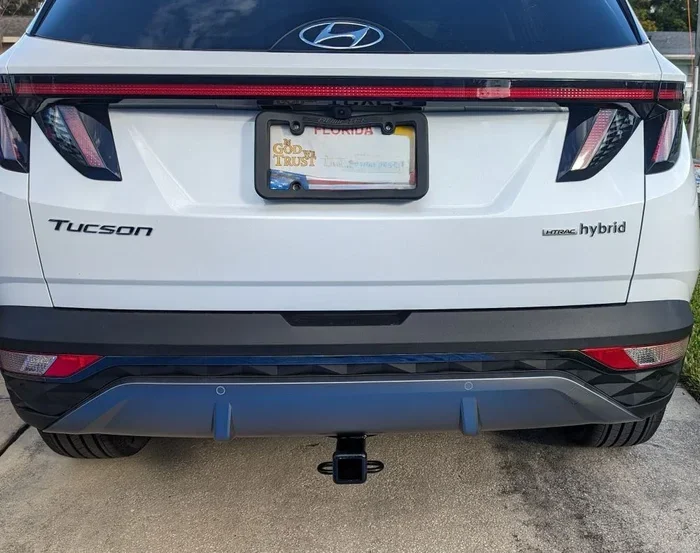
- Bolt-On Hitch: A bolt-on hitch hybrid installation method that does not require cutting or welding. This is the most popular option for hybrid owners.
- Flush-Mount Hitch: A sleeker option that sits flush with the bumper. It looks cleaner but may cost more to install.
Factory vs. Aftermarket Hitches
You have two main paths when installing a hitch: factory or aftermarket.
Factory hitches come with your vehicle from the dealership. They are designed specifically for your model. The wiring is pre-installed, the fit is perfect, and your warranty usually stays intact. If your hybrid came with a factory tow hitch hybrid option, this is always the best route.
Aftermarket hitches are installed by a third-party shop. They are less expensive upfront but require more research to ensure compatibility. A professional installer will bolt the hitch to your vehicle’s frame or bumper. Most bolt-on hitch hybrid installations take between one and three hours.
Tow Hitch Installation Cost
Here is a rough breakdown of what you can expect to pay for tow hitch installation cost:
- DIY bolt-on kit: $200 to $500 for the hitch and hardware. You save on labor but need basic tools and mechanical skills.
- Professional installation: $200 to $800 for labor, depending on your location and vehicle model.
- Factory-installed hitch: $300 to $1,000 when purchased through the dealership. This includes wiring and calibration.
- Flush-mount hitch: $400 to $1,200 for the kit and installation combined.
Remember that these costs do not include the trailer itself, wiring harnesses, or any accessories you may need. Budget accordingly before you start your trailer hitch installation project.
Towing Capacity and Safety Considerations
Safety should always come first when towing with any vehicle, and hybrids are no exception. Understanding your hybrid car towing capacity limits is critical before you load up a trailer.
How to Find Your Hybrid’s Towing Capacity
Your vehicle’s towing capacity is listed in the owner’s manual. You can also find it on a sticker inside the driver’s door jamb or by checking the manufacturer’s website. Here are the key numbers to look for:
- Gross Vehicle Weight Rating (GVWR): The maximum weight of your vehicle plus passengers and cargo.
- Gross Combined Weight Rating (GCWR): The maximum weight of your vehicle plus the trailer plus everything inside both.
- Trailer Weight Rating: The maximum weight the hitch can safely handle.
- Tongue Weight: The downward force the trailer puts on the hitch. This should be about 10 to 15 percent of the total trailer weight.
Never exceed these ratings. Doing so puts stress on your engine, transmission, brakes, and frame. It also voids your warranty and creates dangerous driving conditions.
Hybrid Towing Safety Tips
Follow these safety tips every time you tow with your hybrid:
- Distribute weight evenly: Place heavier items over the axle and lighter items toward the front of the trailer.
- Use the right wiring: Connect your trailer lights and brakes to the hybrid’s wiring harness. This is required by law in most states.
- Check tire pressure: Both your hybrid’s tires and the trailer’s tires should be properly inflated before every trip.
- Use a weight distribution hitch: If your trailer is heavy, a weight distribution system helps balance the load and improves stability.
- Drive slower: Hybrids handle differently when towing. Reduce your speed and increase your following distance.
- Monitor battery temperature: Keep an eye on your hybrid’s battery gauge during long tows. Overheating can cause serious damage.
These simple steps make hybrid towing safety much easier to manage. They also help protect your investment in your vehicle.
Pros and Cons of Towing with a Hybrid
Like any vehicle choice, towing with a hybrid has advantages and disadvantages. Understanding both sides helps you decide if it is right for your lifestyle.
The Pros of Hybrid Towing
- Better fuel economy than trucks: Even when towing, most hybrids get better MPG than traditional gas trucks and SUVs.
- Quieter operation: The electric motor reduces engine noise, making towing trips more comfortable.
- Instant torque from the electric motor: This provides smooth acceleration when pulling away from a stop with a loaded trailer.
- Lower emissions: Towing with a hybrid produces fewer emissions than towing with a gas-only vehicle.
- Regenerative braking: The hybrid’s regenerative system helps recharge the battery while slowing down, even under tow load.
The Cons of Hybrid Towing
- Reduced fuel economy under load: Towing cuts your MPG significantly, sometimes by half or more.
- Battery degradation concerns: Frequent towing may put extra strain on the hybrid battery pack over time.
- Lower towing capacity than gas trucks: Most hybrids cannot tow as much as full-size gas-powered trucks.
- Higher upfront costs: Hybrid vehicles and tow packages cost more than comparable gas models.
- Limited model options: Not every hybrid supports towing, so your choices are more restricted.
Weighing these hybrid car towing pros and cons helps you decide if a hybrid is the right towing vehicle for your needs. For light to moderate towing, hybrids are excellent. For heavy-duty hauling, a gas truck or diesel may be a better fit.
Maintenance Tips for Hybrid Cars When Towing
Towing puts extra stress on any vehicle, and hybrids are no different. Regular maintenance keeps your hybrid running strong and safe while pulling a trailer.
Brake Maintenance
Your brakes work harder when towing. The combined weight of your vehicle and trailer requires more stopping power. Plan to inspect your brake pads and rotors more frequently. Most hybrid owners who tow regularly need brake service every 15,000 to 20,000 miles instead of the standard 30,000 to 40,000 miles.
Battery Health
The hybrid battery pack is the heart of your vehicle. Towing generates more heat and draws more power from the battery. To keep it healthy:
- Monitor battery temperature during long tows.
- Avoid towing in extreme heat whenever possible.
- Have the battery inspected at every service appointment.
- Replace the battery coolant fluid according to the maintenance schedule.
Cooling System Checks
Hybrids use cooling systems for both the engine and the battery pack. Towing increases the workload on both systems. Check your coolant levels regularly and watch for any signs of overheating. If your temperature gauge rises while towing, pull over safely and let the vehicle cool down before continuing.
Tire and Suspension Care
Extra weight from a trailer wears your tires faster. Check tire pressure before every trip and inspect the tread regularly. Your suspension components also take a beating when towing, so have them inspected at least twice a year.
Following these towing hybrid car maintenance tips extends the life of your vehicle and keeps you safe on the road.
Common Mistakes People Make When Towing with a Hybrid
Avoid these common errors that hybrid owners make when they start towing:
- Ignoring the owner’s manual: Your manual has specific towing guidelines for your exact model. Skipping this step can lead to expensive repairs.
- Overloading the trailer: Just because your hitch can handle a weight does not mean your hybrid’s engine and brakes can. Stay well under the maximum capacity.
- Skipping the wiring harness: Driving without proper trailer lighting is dangerous and illegal in most states.
- Neglecting tire pressure: Underinflated tires are the number one cause of trailer accidents. Check them every time you tow.
- Forgetting about tongue weight: Too much or too little tongue weight causes trailer sway. Use a tongue weight scale to verify proper distribution.
These mistakes are easy to avoid with a little planning. Taking the time to do things right saves money, prevents accidents, and keeps your hybrid running smoothly for years.
Final Thoughts
Can you put a hitch on a hybrid car and start towing? Absolutely. Many hybrid models are perfectly capable of handling light to moderate towing with the right setup. The key is choosing a hybrid that supports towing, installing the proper hitch, and following all safety guidelines. Whether you are pulling a small utility trailer or a large camper, a hybrid can do the job efficiently and reliably.
Remember to respect your vehicle’s limits. Check your towing capacity, invest in quality equipment, and maintain your hybrid regularly. Towing with a hybrid is a smart, eco-friendly choice that gives you the freedom to haul what you need without sacrificing too much fuel economy. Start with the right vehicle, do the installation properly, and enjoy the open road with your trailer in tow.
Frequently Asked Questions
Can any hybrid car tow a trailer?
No, not every hybrid can tow a trailer. Only models with a factory tow package or approved towing capacity should be used for towing. Always check your owner’s manual or contact the manufacturer to confirm your specific hybrid’s towing rating before installing a hitch.
Does towing a trailer reduce a hybrid’s fuel economy?
Yes, towing significantly reduces fuel economy in any hybrid vehicle. Most owners experience a 20 to 40 percent drop in MPG when pulling a trailer. The gasoline engine and electric motor both work harder under the extra load, which burns more fuel.
How much does it cost to install a tow hitch on a hybrid car?
The total cost depends on the hitch type and installation method. A bolt-on aftermarket hitch kit costs $200 to $500, while professional installation adds $200 to $800 more. Factory-installed hitches from the dealership run $300 to $1,000 including wiring and setup.
Is it safe to tow with a hybrid car?
Yes, towing with a hybrid is safe as long as you stay within the vehicle’s rated towing capacity and follow all safety guidelines. Use proper wiring, distribute weight evenly, check tire pressure, and monitor your hybrid’s battery temperature during long trips.
What is the best hybrid for towing?
The Toyota Highlander Hybrid and Ford Explorer Hybrid are among the best hybrids for towing. The Highlander can tow up to 5,000 pounds and the Explorer can tow up to 5,600 pounds. Both come with factory tow packages that include hitches and wiring.
Will towing damage my hybrid battery?
Towing can put extra strain on the hybrid battery over time, but it does not necessarily cause damage. As long as you stay within towing limits and maintain your vehicle properly, the battery should remain healthy. Avoid frequent towing in extreme heat and monitor battery temperature on long trips.