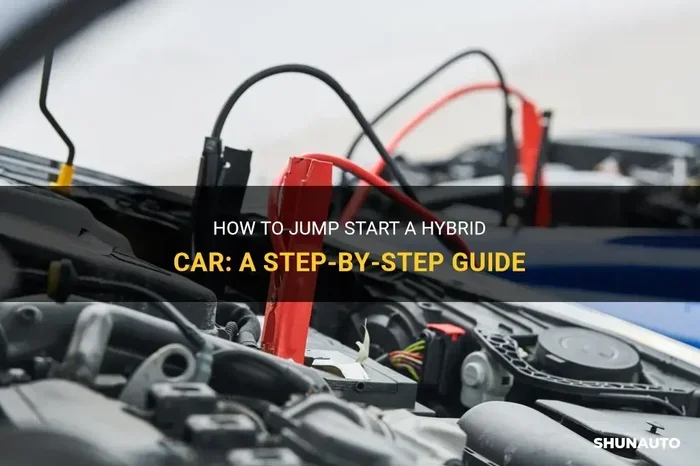
Can You Jump Start a Dead Hybrid Car Heres the Answer
Yes, you can jump start a dead hybrid car, but the process is different from a regular gasoline vehicle. Hybrid vehicles use both a 12-volt auxiliary battery and a high-voltage traction battery, and understanding both is key. This guide walks you through every step safely and clearly. You will learn when it is safe, what tools you need, and common mistakes to avoid. Jump starting a hybrid requires extra care, and this article covers it all.
Have you ever been stranded with a dead hybrid car and wondered if jump starting is even possible? The answer is yes, but it is not as simple as jumping a regular gasoline car. Hybrid vehicles use two completely different battery systems, and knowing which one to work with makes all the difference. Can you jump start a dead hybrid car? Absolutely, but you need the right knowledge and the right tools. This guide gives you a clear, step-by-step answer so you can handle the situation with confidence and stay safe.
Many hybrid owners panic when their car will not start, especially because the hybrid system adds layers of complexity that regular cars do not have. The good news is that jump starting a hybrid follows a logical process once you understand the basics. Whether you drive a full hybrid, a mild hybrid, or a plug-in hybrid, the principles remain the same. Let us break it all down so you are prepared for any emergency.
Key Takeaways
- Yes, you can jump start a dead hybrid car: The process is similar to a regular car but requires extra caution with the hybrid system.
- Always locate the 12-volt auxiliary battery first: This is the battery you jump start, not the high-voltage traction battery.
- Never touch the orange cables: Orange cables indicate high-voltage components and can be extremely dangerous.
- Use proper jump cables and a working vehicle: Low-quality cables or wrong connections can damage your hybrid system.
- Wait 10 minutes after a successful jump: This allows the hybrid system to recognize the charge and stabilize.
- Know when to call for help: If you see warning lights, smell burning, or feel unsure, roadside assistance is the safest choice.
- Regular hybrid battery maintenance prevents dead batteries: Simple habits can extend the life of both your auxiliary and traction batteries.
📑 Table of Contents
Understanding How a Hybrid Car Battery Works
Before you attempt to jump start anything, it helps to understand what is inside your hybrid car. Hybrid vehicles use two separate battery systems, and confusing them can lead to serious problems. Each system serves a different purpose and operates at different voltage levels.
The Role of the 12-Volt Auxiliary Battery
Every hybrid car has a standard 12-volt auxiliary battery. This is the battery that powers your lights, radio, computer systems, and starter motor. When your hybrid car will not turn on, it is usually this 12-volt battery that has died. This is the battery you jump start. It works just like the battery in a regular gasoline car.
The 12-volt battery is small and easy to access in most hybrid models. You can usually find it under the hood, though some manufacturers place it in the trunk or under a rear seat. Check your owner manual to locate yours. When people ask, can you jump start a dead hybrid car, they are almost always referring to this 12-volt battery.
The High-Voltage Traction Battery
Your hybrid also has a high-voltage traction battery. This is the big battery pack that powers the electric motor and helps the gasoline engine. These batteries operate at 200 to 400 volts or more, depending on the model. They are sealed, insulated, and designed to last the life of the vehicle.
You should never attempt to jump start or tamper with the high-voltage battery. The orange cables in a hybrid indicate high-voltage components. Touching them can cause severe injury or death. Understanding this difference is the most important part of hybrid car maintenance and safety. The traction battery recharges itself through regenerative braking and the gasoline engine, so it rarely needs external help.
| Battery Type | Voltage | Location | Jump Startable? |
|---|---|---|---|
| 12-Volt Auxiliary Battery | 12V | Under hood, trunk, or rear seat | Yes |
| High-Voltage Traction Battery | 200V-400V+ | Under floor or rear compartment | No – Never attempt |
Can You Jump Start a Dead Hybrid Car?
The short answer is yes. You can jump start a dead hybrid car using the 12-volt auxiliary battery, just like you would with a conventional vehicle. However, there are specific precautions you must follow to protect both yourself and the hybrid system. Jump starting a hybrid is safe when done correctly, but dangerous when done carelessly.
When Jump Starting Is Safe
Jump starting is safe when the following conditions are met. First, your hybrid car will not start because the 12-volt battery is dead. Second, the high-voltage traction battery still has some charge or is functioning normally. Third, you have a working vehicle with a healthy 12-volt battery and proper jump cables. Fourth, you follow the correct connection order and safety steps.
Most hybrid owners face this situation after leaving lights on or during extremely cold weather. The hybrid 12-volt auxiliary battery can drain just like any other car battery. In these cases, jump starting is a perfectly safe and effective solution. The hybrid computer system will reboot once it receives enough power.
When You Should NOT Jump Start
There are situations where jump starting is not safe. If you smell burning or see smoke under the hood, do not attempt a jump start. If the hybrid warning light is flashing or blinking rapidly on the dashboard, stop and call for roadside assistance. If the high-voltage battery has been physically damaged, such as after a collision, do not touch any cables or components.
Also, avoid jump starting if the hybrid inverter shows signs of failure. The inverter converts DC power from the battery to AC power for the electric motor. A damaged inverter can cause electrical shorts during a jump start. When in doubt, it is always better to wait for professional help.
Step-by-Step Guide to Jump Starting a Hybrid Car
Now that you know it is safe to proceed, let us walk through the process. Following these steps in order protects your hybrid system and ensures a successful emergency start. Take your time and do not rush through any step.
What You Need
Before you begin, gather these items. Having everything ready makes the process smoother and safer.
- A working vehicle with a fully charged 12-volt battery
- Heavy-duty jump cables rated for at least 400 amps
- Your hybrid car owner manual for reference
- Safety gloves and eye protection
- A flat, stable parking surface
Some owners also carry a portable jump starter unit. These compact devices are a great investment for hybrid owners. They let you start your car without needing another vehicle. Make sure any jump starter you buy is rated for hybrid applications.
The Jump Starting Process
Follow these steps carefully to jump start your hybrid car safely.
- Turn off both vehicles. Make sure the working vehicle and your hybrid are both turned off. Remove the keys from the ignition.
- Locate the 12-volt battery in your hybrid. Open the hood or trunk and find the auxiliary battery terminals. They are usually labeled with a positive (+) and negative (-) symbol.
- Connect the red clamp to the positive terminal of your dead hybrid battery. Make sure the clamp grips the metal terminal firmly.
- Connect the other red clamp to the positive terminal of the working vehicle battery.
- Connect the black clamp to the negative terminal of the working vehicle battery.
- Connect the remaining black clamp to an unpainted metal surface on your hybrid car. This serves as a ground. Choose a bolt or bracket away from the battery and any orange high-voltage cables.
- Start the working vehicle and let it run for 5 minutes. This charges your dead hybrid battery through the cables.
- Attempt to start your hybrid car. Press the power button or turn the key as you normally would.
- If it starts, let both vehicles run for 10 minutes. This allows the hybrid system to stabilize and the battery to charge further.
- Disconnect the cables in reverse order. Remove the black ground clamp first, then the black clamp from the working vehicle, then the red clamps.
Quick Tip: After a successful jump start, drive your hybrid for at least 20 minutes. This gives the hybrid battery time to recharge through the regenerative braking system. If your car dies again shortly after, the battery may need replacement.
Common Mistakes to Avoid
Jump starting a hybrid car comes with unique risks that regular cars do not have. Avoiding these common mistakes keeps you safe and protects your vehicle.
- Connecting cables to the wrong terminals: Reversing positive and negative can fry your hybrid computer system. Always double-check before making any connection.
- Touching orange cables or components: Orange means high voltage. Even a small touch can cause a dangerous electrical shock.
- Jump starting a damaged battery: If the battery case is cracked or leaking, do not attempt a jump start. You risk a fire or explosion.
- Rushing the process: Taking shortcuts can lead to incorrect connections or insufficient charging time. Be patient and follow each step.
- Using cheap or thin jump cables: Low-quality cables cannot deliver enough current to start a hybrid. Invest in heavy-duty cables that handle at least 400 amps.
- Ignoring warning lights after a jump start: If the hybrid warning light stays on after starting, something is wrong. Have the vehicle inspected by a professional.
One of the biggest mistakes people make is assuming a hybrid car works exactly like a regular car. While the jump start process shares similarities, the electrical system is more complex. Taking a few extra minutes to understand your specific model can save you time, money, and risk.
Hybrid Battery Maintenance Tips
Prevention is always better than cure. Keeping your hybrid battery systems in good shape reduces the chances of a dead battery situation. Here are practical tips every hybrid owner should follow.
- Drive your hybrid regularly: The hybrid powertrain needs regular use to keep both batteries healthy. If you leave a car sitting for weeks, the 12-volt battery can drain.
- Check the 12-volt battery voltage monthly: Use a multimeter to check the voltage. A healthy battery reads 12.6 volts or higher when the car is off.
- Keep the battery terminals clean: Corrosion on the terminals can prevent proper charging. Clean them with a wire brush and baking soda solution.
- Avoid extreme temperatures when possible: Both hot and cold weather strain car batteries. Park in a garage when you can.
- Replace the 12-volt battery every 3-5 years: Even if it seems fine, age degrades battery performance. Proactive replacement prevents unexpected failures.
- Monitor hybrid system warnings: If your dashboard shows any hybrid-related warning lights, address them early before they become bigger problems.
These simple habits go a long way in hybrid car maintenance. A well-maintained hybrid system is less likely to leave you stranded and will perform better for years.
When to Call for Roadside Assistance
Sometimes, jump starting is not the right solution. Knowing when to call for professional help keeps you safe and prevents further damage to your vehicle.
Signs Your Hybrid Battery Needs Replacement
Watch for these warning signs that indicate your battery may need replacement rather than a simple jump start.
- The car will not start even after a full jump start attempt
- The hybrid warning light stays on after the engine starts
- You hear clicking sounds when you turn the key or press the start button
- The battery case is swollen, cracked, or leaking fluid
- Your fuel economy has dropped significantly
- The regenerative braking system is not working properly
- You smell a persistent rotten egg or sulfur odor near the battery
If you notice any of these signs, do not keep trying to jump start the car. Each failed attempt can drain the working vehicle’s battery and potentially damage the hybrid inverter. Call a trusted mechanic or roadside assistance service. They have the tools and expertise to diagnose the real problem safely.
In many cases, a dead 12-volt battery is an easy and affordable fix. But ignoring the root cause can lead to more expensive repairs down the road. Always get a professional inspection after a jump start if the battery dies again quickly.
Frequently Asked Questions
Can you jump start a dead hybrid car without another vehicle?
Yes, you can use a portable jump starter device. These compact units work just like another vehicle and are especially useful for hybrid cars. Make sure the jump starter is rated for hybrid applications and follow the manufacturer’s instructions carefully.
Is it safe to jump start a hybrid car in the rain?
It is not recommended. Water increases the risk of electrical shorts and shock. If you must jump start in wet conditions, keep all cable connections dry and off the ground. Use rubber gloves and ensure no cable ends are touching water or wet surfaces.
What happens if you accidentally touch the orange cables in a hybrid?
Orange cables carry high voltage and can cause severe electrical shock or burns. Never touch them, even if the car is turned off. The high-voltage system can hold a dangerous charge even when the vehicle is not running. Always keep your hands and tools away from orange components.
How long should you let a hybrid run after a jump start?
Let the hybrid run for at least 10 to 20 minutes after a successful jump start. This allows the hybrid battery and electrical system to stabilize. Driving the car for 20 minutes is even better, as regenerative braking helps recharge the 12-volt battery.
Can a dead hybrid battery be recharged instead of replaced?
Yes, in many cases a dead hybrid battery can be recharged by a professional using specialized equipment. However, if the battery is old or physically damaged, replacement may be the only option. A mechanic can test the battery and advise you on the best course of action.
Do mild hybrids need a different jump starting process?
Mild hybrids use a smaller electric motor and battery than full hybrids. The jump starting process for the 12-volt auxiliary battery is essentially the same. Always check your owner manual for model-specific instructions, but the basic steps apply to all hybrid types.
Final Thoughts
Can you jump start a dead hybrid car? The answer is a clear yes. With the right knowledge, tools, and precautions, you can handle this situation safely and effectively. Remember that you are jump starting the 12-volt auxiliary battery, not the high-voltage traction battery. Always follow the correct connection order, avoid orange high-voltage components, and take your time with each step.
Hybrid vehicles offer incredible fuel efficiency and eco-friendly driving, but they do come with unique challenges. Understanding your hybrid battery systems puts you ahead of most car owners. Regular maintenance, smart driving habits, and knowing when to call for help will keep your hybrid running smoothly for years to come.
Next time your hybrid car will not start, stay calm. You now have the knowledge and confidence to tackle the problem head-on. Keep a quality set of jump cables in your trunk, share this guide with fellow hybrid owners, and remember that preparation is the best defense against any roadside emergency.