Are 2004 Ford F-150s Reliable – The Real Truth Inside
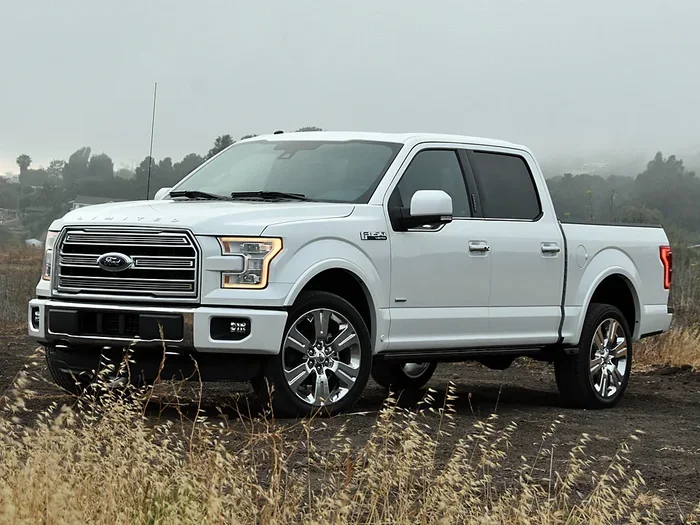
Are 2004 Ford F-150s Reliable? The short answer is yes, with some important caveats. The 2004 Ford F-150 remains a popular choice among truck fans, but it does come with known issues like engine knocking, transmission concerns, and rust spots. Regular maintenance and smart buying decisions can help you get many more years of solid service from this classic full-size pickup.
Are 2004 Ford F-150s Reliable? This is a question that crosses the minds of every truck buyer looking at used full-size pickups. The 2004 Ford F-150 sits in that sweet spot where it is old enough to be affordable but young enough to still have life left in it. Over the years, the F-150 has earned a reputation as one of the most dependable trucks on American roads. But reliability is not just about the brand name. It depends on the specific model year, the engine option, how it was maintained, and what kind of driving it has seen.
The 2004 model year brought several updates to the F-150 lineup. Ford introduced new trim levels, improved safety features, and refined the powertrain options. The truck came with either a 4.2L V6, a 4.6L V8, or the now-famous 5.4L Triton V8. Each engine has its own strengths and weaknesses. Some owners have logged over 300,000 miles with proper care. Others have faced expensive repairs within the first 100,000 miles. So what gives?
The truth about the reliability of the 2004 Ford F-150 lies somewhere in the middle. It is not a perfect truck. It is not a total lemon either. Like any vehicle, it has its quirks and common failure points. The good news is that most of these issues are well-documented. That means you can take steps to avoid them or catch them early. This guide breaks down everything you need to know about the reliability of the 2004 Ford F-150. We will cover the engines, the common problems, the maintenance needs, and what real owners are saying.
Whether you are thinking about buying one or already own one, this article will give you a clear picture. We want you to feel confident in your decision. No fluff. No filler. Just honest, practical information about one of America’s most iconic trucks.
Key Takeaways
- The 5.4L Triton V8 is the most common engine: It offers solid power but is prone to spark plug blowout issues over time.
- Transmission problems can be costly: The 4R70W and 4R75W automatic transmissions need regular fluid changes to stay healthy.
- Rust is the biggest enemy: Frame and body rust affect many 2004 models, especially in northern climates.
- Regular maintenance is non-negotiable: Owners who stay on top of oil changes, coolant flushes, and brake inspections see far fewer problems.
- Resale value remains strong: The 2004 F-150 holds value well thanks to its reputation and parts availability.
- Towing capacity is impressive: With up to 9,200 pounds towing capacity, this truck handles serious workloads.
- Buy with a vehicle history report: Always check for accidents, flood damage, and maintenance records before purchasing.
📑 Table of Contents
What Makes the 2004 Ford F-150 Special?
A Brief History of the F-150 Lineup
The Ford F-150 has been America’s best-selling truck for decades. The 2004 model year was part of the ninth-generation F-Series, which ran from 2004 to 2008. This generation brought a more modern design compared to the older models. Ford focused on improving comfort, safety, and efficiency without sacrificing the toughness that truck buyers expect.
The 2004 F-150 came in several body styles. You had the regular cab, the extended cab, and the crew cab options. Bed lengths varied too, giving buyers plenty of choices. The trim levels included the XL, STX, XLT, Lariat, and King Ranch. Each trim offered different levels of comfort and features. The XLT and Lariat trims were the most popular because they balanced features and price well.
One thing that made the 2004 F-150 stand out was its available 5.4L Triton V8 engine. This engine became a legend in the Ford truck world. It offered strong towing and hauling capability. The 4.6L V8 was also a popular choice for those who wanted a simpler, more fuel-efficient option. The 4.2L V6 was the base engine, mainly found in lower-trim XL models.
Key Specifications at a Glance
- Engine Options: 4.2L V6, 4.6L V8, 5.4L Triton V8
- Transmission: 4-speed automatic (4R70W / 4R75W)
- Drivetrain: Rear-wheel drive or 4-wheel drive
- Towing Capacity: Up to 9,200 pounds
- Payload Capacity: Up to 1,400 pounds
- Fuel Economy: 13-16 mpg city, 17-19 mpg highway
- Body Styles: Regular cab, extended cab, crew cab
- Bed Lengths: 5.5-foot, 6.5-foot, 8-foot
These numbers tell you that the 2004 Ford F-150 was built as a serious work truck. It was not designed for luxury. But it was designed to last. The combination of a simple powertrain and robust construction gave this truck a solid foundation for reliability.
Engine and Powertrain Reliability
The 5.4L Triton V8: Power and Problems
The 5.4L Triton V8 is the engine most people associate with the 2004 Ford F-150. It produced around 235 horsepower and 330 pound-feet of torque. That is plenty of power for towing, hauling, and everyday driving. The 5.4L Triton V8 is a cast-iron block engine with aluminum heads. It is known for its durability and longevity. Many owners have pushed these engines past 300,000 miles without a major rebuild.
However, the 5.4L Triton V8 has a well-known weakness. The spark plugs in this engine are prone to blowout. The spark plugs sit in the aluminum heads, and the threads can strip over time. This is a serious issue because it can lead to engine damage if not addressed. The symptoms include rough idling, misfires, and loss of power. If you are buying a used 2004 F-150 with the 5.4L engine, ask about spark plug service history. A mechanic can check the threads for signs of stripping.
Another concern with the 5.4L Triton V8 is the camshaft phaser. This component controls valve timing and can fail over time. A failing phaser causes a rattling noise on startup, especially in cold weather. Replacing it is not cheap, but it is manageable if caught early. Regular oil changes with the correct oil weight go a long way in preventing this issue.
The 4.6L V8: A More Simple Option
The 4.6L V8 is the smaller sibling of the 5.4L Triton. It produced around 231 horsepower and 293 pound-feet of torque. This engine is simpler and has fewer components that can fail. The 4.6L V8 is known for being more fuel-efficient than the 5.4L. It also has fewer reported reliability issues. The spark plug blowout problem is less common in the 4.6L, though it can still occur.
Owners who use their F-150 for light-duty work and daily driving often prefer the 4.6L V8. It provides enough power for most needs without the complexity of the larger engine. Maintenance costs are generally lower too. If you are looking for a reliable daily driver, the 4.6L V8 is a solid choice in the 2004 Ford F-150 lineup.
The 4.2L V6: The Base Engine
The 4.2L V6 was the entry-level engine for the 2004 F-150. It produced 202 horsepower and 246 pound-feet of torque. This engine is adequate for light-duty tasks and everyday driving. It is not meant for heavy towing. The 4.2L V6 is generally reliable and has fewer reported problems than the V8 options. However, it lacks the power and capability that many F-150 buyers are looking for.
If you plan to use the truck for towing or hauling, the V6 is not the best choice. But if you just need a dependable work truck for light jobs, the 4.2L V6 gets the job done. Fuel economy is slightly better with the V6 as well. Just keep in mind that the 4.2L V6 is becoming harder to find in the used market.
Transmission Reliability
The 2004 Ford F-150 used either the 4R70W or 4R75W automatic transmission. Both are four-speed units that were paired with the various engine options. These transmissions are generally reliable, but they do have known issues. The 4R75W, which was used with the 5.4L V8, is more prone to solenoid pack failures. This can cause shifting problems and rough transitions between gears.
The 4R70W transmission, found in the 4.6L and 4.2L models, is simpler and tends to be more trouble-free. However, both transmissions need regular fluid changes to stay healthy. Neglecting transmission fluid is one of the fastest ways to cause premature failure. The fluid should be changed every 60,000 miles or so. Use the correct Ford-spec transmission fluid for best results.
Common transmission symptoms to watch for include slipping between gears, delayed engagement, and rough shifting. If you notice any of these signs, get the truck inspected right away. Early intervention can save you from a costly transmission rebuild.
Common Problems Owners Report
Rust and Corrosion Issues
Rust is one of the biggest concerns with the 2004 Ford F-150. The truck was built in an era when Ford used more steel and less corrosion-resistant materials. Frame rust is a common problem, especially in northern states where road salt is used in winter. The frame rails can weaken significantly if rust is left unchecked.
Body rust also appears in several spots. The rear wheel wells, the lower panels, and the bed corners are common rust areas. Some owners also report rust on the rocker panels and the cab corners. Before buying a 2004 F-150, inspect these areas carefully. A thorough rust inspection can save you thousands of dollars in repair costs down the road.
If you already own a 2004 F-150 and notice rust forming, address it immediately. Small surface rust can be treated with a wire brush and rust converter. Deeper rust may require panel replacement. Keeping the truck washed regularly, especially in winter, helps prevent rust from forming in the first place.
Electrical Gremlins
Electrical issues are another common complaint among 2004 F-150 owners. The power window switches are known to fail over time. The driver’s side window switch is the most common culprit. Water intrusion can cause the switches to malfunction or stop working entirely. Replacing the switches is not expensive, but it does require some effort.
The instrument cluster can also develop problems. The gauges may flicker or go blank unexpectedly. This is often caused by a loose connection behind the dash. Some owners have also reported issues with the HVAC controls, the radio, and the power mirrors. These are typically minor issues, but they can be frustrating to deal with.
The 2004 F-150 does not have the complex electronics found in newer trucks. This is actually a plus when it comes to reliability. Simple electrical systems are easier to diagnose and repair. If you are comfortable working on your own truck, most of these fixes are within reach.
Braking System Wear
The braking system on the 2004 Ford F-150 is robust but not immune to wear. The front disc brakes wear out at a normal rate for a truck of this size. Rear drum brakes are common on lower-trim models and tend to last longer. Owners who tow heavy loads or drive in mountainous terrain may find the brakes wear faster than expected.
Common brake problems include warped rotors, worn brake pads, and leaking calipers. The ABS module is another component that can fail. Symptoms of ABS problems include a flashing ABS light and a pulsing feeling in the brake pedal during hard stops. Regular brake inspections and timely pad replacements keep the system working properly.
Suspension and Steering Components
The 2004 F-150 uses a solid front axle with coil springs in the front and leaf springs in the rear. This setup is simple and durable, but the components do wear over time. Common suspension problems include worn ball joints, tie rod ends, and control arm bushings. These parts are relatively inexpensive but labor-intensive to replace.
Steering issues often manifest as looseness or play in the steering wheel. This can be caused by worn steering linkage or a failing steering rack. The steering rack seal is a common leak point on higher-mileage trucks. Catching these issues early prevents more expensive damage to other steering components.
Maintenance Tips for Long-Term Reliability
Stick to a Regular Maintenance Schedule
The single most important factor in keeping a 2004 Ford F-150 reliable is regular maintenance. Ford provides a recommended maintenance schedule in the owner’s manual. Following it closely can prevent most major issues before they start. Here are the key maintenance tasks to stay on top of:
- Oil changes every 5,000 to 7,500 miles: Use 5W-20 synthetic blend or full synthetic oil for the best protection. Clean oil keeps the engine running smoothly and prevents premature wear.
- Transmission fluid changes every 60,000 miles: Fresh fluid keeps the transmission shifting smoothly and extends its lifespan significantly.
- Coolant flushes every 30,000 miles: The 5.4L Triton V8 runs hot. Clean coolant prevents overheating and corrosion inside the cooling system.
- Brake fluid flushes every 2 years: Brake fluid absorbs moisture over time, which can lead to brake fade and component corrosion.
- Spark plug replacements at 100,000 miles: The 5.4L Triton V8 is particularly sensitive to worn spark plugs. Fresh plugs prevent misfires and keep the engine running strong.
- Timing chain inspection at 150,000 miles: The timing chain can stretch over time. Early detection of chain stretch prevents catastrophic engine damage.
DIY Maintenance Tips for Owners
Many maintenance tasks on the 2004 F-150 are simple enough for home mechanics. You can change the oil and filter yourself with basic tools. Checking and topping off fluids is easy and should be done weekly. Inspecting belts and hoses for cracks takes just a few minutes. Replacing air filters and cabin filters is straightforward and costs very little.
Keeping a maintenance log is one of the best habits you can develop. Write down every service, repair, and inspection. This log becomes invaluable when you want to sell the truck. It shows potential buyers that the truck was well cared for. A complete maintenance record can also help you command a higher resale price.
When to See a Professional Mechanic
While many tasks are DIY-friendly, some repairs are best left to professionals. Transmission work, engine diagnostics, and electrical troubleshooting require specialized tools and expertise. If you are not confident in your mechanical skills, find a trusted local mechanic. Building a relationship with a good shop ensures your truck gets quality care every time.
Real Owner Reviews and Ratings
What Owners Are Saying
Owner reviews paint a mixed but generally positive picture of the 2004 Ford F-150. Many owners praise the truck for its durability and work capability. They appreciate the simple, no-nonsense design that makes repairs easy. The 5.4L Triton V8 receives mixed reviews. Some owners love its power and longevity. Others have dealt with spark plug blowout and cam phaser issues.
Owners who have kept their 2004 F-150 for many years often say it was one of the best truck purchases they ever made. The truck holds up well under heavy use. Fuel economy is a common complaint, but most owners expect that from a full-size V8 truck. The ride comfort and hauling capability receive high marks across the board.
Reliability Ratings from Trusted Sources
Consumer Reports and J.D. Power give the 2004 Ford F-150 average reliability ratings. The truck scores well in predicted reliability but has some noted weak points. The powertrain is generally rated as above average. Body and electrical systems score closer to the industry average. These ratings align with what owners report in real-world driving.
On owner satisfaction surveys, the F-150 consistently ranks high. Owners feel confident in their truck’s ability to get the job done. The combination of capability, simplicity, and parts availability keeps the F-150 at the top of the full-size truck segment.
Should You Buy a 2004 Ford F-150?
The Pros and Cons at a Glance
Before you make a decision, let us weigh the pros and cons of buying a 2004 Ford F-150.
Pros:
- Strong towing and hauling capability
- Simple, easy-to-repair design
- Parts are widely available and affordable
- Comfortable and spacious interior
- Good resale value
- Multiple engine options for different needs
- Proven V8 engines with long potential lifespan
Cons:
- Rust can be a serious problem in certain climates
- 5.4L Triton V8 spark plug blowout is a known issue
- Fuel economy is below average for today’s standards
- Transmission can develop issues at higher mileages
- Electrical gremlins can be annoying
- Safety features are outdated compared to modern trucks
What to Look for When Buying
If you decide to buy a 2004 Ford F-150, there are a few things you should check before handing over your money. First, always get a vehicle history report. Services like Carfax and AutoCheck can reveal accident history, title issues, and service records. A clean history report gives you peace of mind.
Second, have a trusted mechanic inspect the truck before purchase. A pre-purchase inspection typically costs between $100 and $200. It is money well spent. The mechanic will check the engine, transmission, brakes, suspension, and electrical systems. They can spot problems you might miss.
Third, pay close attention to the undercarriage. Look for rust, especially on the frame and suspension components. A truck with a rusted frame is a safety hazard and a money pit. Do not let a good price tempt you into buying a truck with frame rust.
Fourth, test drive the truck thoroughly. Listen for unusual noises. Test all the lights, switches, and gauges. Check that the transmission shifts smoothly. The test drive is your best opportunity to spot problems before they become your problems.
The Bottom Line
So, are 2004 Ford F-150s reliable? The answer is yes, with conditions. A well-maintained 2004 Ford F-150 can provide years of dependable service. The truck is capable, simple, and affordable. But it requires attention and care. If you buy one with a history of neglect or hidden damage, you are setting yourself up for frustration.
The 2004 Ford F-150 is not a perfect truck. It has known weaknesses that every buyer should be aware of. But for those willing to put in the work, it rewards you with a capable and reliable workhorse. Whether you need a truck for work, play, or both, the 2004 F-150 remains a solid choice in the used truck market.
Do your homework before buying. Know the common problems. Inspect the truck carefully. Stay on top of maintenance. Follow these principles, and your 2004 Ford F-150 will serve you well for many years to come. The real truth about the reliability of this truck is that it depends largely on how well it has been cared for. Treat it right, and it will treat you right.
Frequently Asked Questions
What is the lifespan of a 2004 Ford F-150?
With proper maintenance, a 2004 Ford F-150 can easily last 250,000 to 300,000 miles or more. The engine and transmission are built to handle high mileage, but regular care is essential. Owners who stay on top of oil changes, fluid flushes, and component replacements see the best longevity results.
What are the most common problems with the 2004 Ford F-150?
The most reported issues include spark plug blowout in the 5.4L Triton V8, transmission solenoid failures, rust on the frame and body, and electrical problems with window switches. These are all well-documented issues that can be managed with proper maintenance and timely repairs.
Is the 2004 Ford F-150 good for towing?
Yes, the 2004 Ford F-150 has a towing capacity of up to 9,200 pounds when properly equipped. The 5.4L Triton V8 is the best engine for towing duties. Always make sure the truck is properly configured with the right hitch and braking setup for safe towing.
How much does it cost to maintain a 2004 Ford F-150?
Annual maintenance costs for a 2004 Ford F-150 typically range from $500 to $1,000 for routine services. Major repairs like transmission work or engine work can cost significantly more. Keeping up with regular maintenance helps prevent expensive repairs down the road.
Are there any recalls for the 2004 Ford F-150?
Yes, there were several recalls for the 2004 Ford F-150, including issues with the fuel tank, seat belt pretensioners, and cruise control. You can check the NHTSA website for a complete list of recalls. Make sure any recall repairs have been completed before purchasing a used model.
Is the 2004 Ford F-150 a good daily driver?
The 2004 Ford F-150 can make a great daily driver, especially the 4.6L V8 or 4.2L V6 models. These engines offer adequate power for commuting and daily tasks. The truck is comfortable, reliable, and easy to work on. Just be prepared for below-average fuel economy compared to modern vehicles.
=== CONCLUSION ===
Are 2004 Ford F-150s Reliable? The answer comes down to care and condition. The 2004 Ford F-150 is a dependable truck with a proven track record. Its simple design, strong engines, and affordable parts make it a smart choice for truck buyers. But reliability is not automatic. It requires regular maintenance, careful inspection, and smart buying decisions.
Whether you are looking for a work truck, a daily driver, or a weekend hauler, the 2004 F-150 delivers. Just be aware of the common problems and take steps to avoid them. The truck will reward your effort with years of solid performance. The real truth about the 2004 Ford F-150 is that it is a reliable truck in the right hands. Make sure those hands are yours, and you will have a trustworthy companion on the road for miles to come.