Can I Program a Transponder Key Myself Without Help
Yes, you can program a transponder key yourself in many cases, but it depends on your vehicle make, model, and year. This guide walks you through everything you need to know about transponder key programming at home. You will learn what tools you need, the step-by-step process, and when to call a professional locksmith for help. Save money and time by understanding how car key programming works before you start.
Programming a transponder key on your own might sound intimidating. But the truth is, many car owners do it every day. You do not need to be a car expert or spend hundreds of dollars at a dealer. With the right information and a little patience, you can handle this task yourself.
The process of transponder key programming has become more accessible over the years. Car manufacturers have made it easier for owners to program spare keys. At the same time, affordable key programming tools have hit the market. This means you can save a lot of money compared to calling a locksmith programming service or visiting a dealership.
In this article, we will walk you through everything you need to know. We will cover how transponder keys work, what tools you need, and the exact steps to program a key on your own. We will also share common mistakes to avoid and tell you when it is best to seek professional help.
Whether you lost your only key, want a spare, or are just curious about DIY car key programming, this guide has you covered. Let us dive in.
Key Takeaways
- DIY programming is possible: Many vehicles allow you to program a transponder key yourself with the right tools and instructions.
- You need the right equipment: An OBD-II programmer or key programming tool is essential for most DIY attempts.
- Check your vehicle first: Not all cars support self-programming. Luxury and newer models often require dealer-level equipment.
- Avoid common mistakes: Using the wrong key blank or skipping steps can waste time and money.
- Know when to call a pro: If DIY programming fails, a locksmith programming service can save you from costly errors.
- Aftermarket keys work too: You can use a chip key or aftermarket key for many vehicles with the right key cloning method.
- Security matters: Always follow programming instructions carefully to avoid triggering your vehicle security system.
📑 Table of Contents
- What Is a Transponder Key and How Does It Work?
- Can You Actually Program a Transponder Key Yourself?
- Tools and Equipment You Need for DIY Programming
- Step-by-Step Guide to Programming Your Own Transponder Key
- When You Should Call a Professional Instead
- Common Mistakes to Avoid When Programming a Transponder Key
- Key Takeaways
- Conclusion
What Is a Transponder Key and How Does It Work?
Before you try to program anything, it helps to understand what a transponder key actually is. A transponder key is not just a regular metal key. It contains a small electronic chip embedded in the plastic head of the key.
This chip sends a signal to your car’s immobilizer system. The immobilizer is a security feature that prevents your engine from starting unless the correct signal is received. Think of it as a secret handshake between your key and your car.
When you insert the key into the ignition, the car reads the chip’s unique code. If the code matches what the car expects, the engine will start. If it does not match, the car stays dead. This is why a regular key blank will not start a car with a transponder system.
How the Immobilizer System Protects Your Vehicle
The vehicle security system has been a standard feature in most cars since the mid-1990s. It was introduced to reduce car theft. Without the correct key fob programming signal, a thief cannot simply hotwire the car.
The immobilizer works in the background every time you turn the key. You do not see it working, but it is always active. This is why proper key synchronization matters so much. If the signal is wrong, the car simply will not cooperate.
Types of Transponder Keys
Not all transponder keys are the same. There are a few different types you might encounter:
- Basic transponder keys: These have a simple chip inside the key head. They are common in older vehicles.
- Remote head keys: These combine a transponder chip with a remote for remote keyless entry. You can lock and unlock the car with a button.
- Smart keys or proximity keys: These are newer and do not even need to be inserted into the ignition. The car detects them automatically.
- Flip keys: These have a fold-out metal key blade hidden inside a remote fob housing.
Knowing which type you have makes a big difference when you start auto key programming. The programming process varies depending on the key type and your vehicle.
Can You Actually Program a Transponder Key Yourself?
The short answer is yes, in many cases. But the longer answer is that it depends on several factors. Your vehicle make, model, and year all play a role. The type of key you have matters too. And your comfort level with technology matters as well.
Some cars make self-programming very easy. Others require specialized equipment that only a dealer or locksmith has. Let us break this down so you know what to expect.
Vehicles That Support DIY Programming
Many popular car brands allow owners to program spare keys without professional help. Here are some examples:
- Ford: Many Ford models from the 2000s onward support self-programming through a simple key-turning sequence.
- Chevrolet: Several Chevy trucks and SUVs allow you to program a duplicate key using the ignition cycle method.
- Toyota: Toyota and Lexus vehicles often have a straightforward programming process that takes just a few minutes.
- Honda: Honda cars from certain years let you program keys by following a specific sequence of steps.
- Jeep: Many Jeep models support onboard programming for additional keys.
For these vehicles, all you typically need is a working key and a blank aftermarket key with the correct chip. The process usually involves turning the ignition on and off a specific number of times.
Vehicles That Require Professional Equipment
On the other hand, some vehicles will not let you program a key without specialized tools. Luxury brands and newer models often fall into this category:
- BMW, Mercedes-Benz, Audi: These brands use advanced key programming systems that require dealer-level diagnostic tools.
- Newer models (2015 and later): Many recent vehicles have enhanced security features that prevent DIY programming.
- European imports: Some European cars require a key programming tool that connects to the OBD-II port and downloads firmware.
If your car falls into this category, do not worry. You can still save money by using a locksmith programming service instead of going to the dealership. We will talk more about this later.
What to Check Before You Start
Before you begin any DIY transponder key programming, do a little homework first:
- Check your owner’s manual for key programming instructions.
- Look up your specific model online to see if self-programming is supported.
- Make sure you have at least one working key. Most systems require a working key to program a new one.
- Know your vehicle identification number (VIN). You may need it to order the correct key blank.
Taking these small steps upfront can save you a lot of frustration later.
Tools and Equipment You Need for DIY Programming
You do not need a garage full of expensive tools. But you do need a few specific items to program a transponder key successfully. Let us go over what you will need.
Essential Tools
- A blank transponder key blank: This must match your vehicle’s key profile. You can find aftermarket keys online for a fraction of the dealer price.
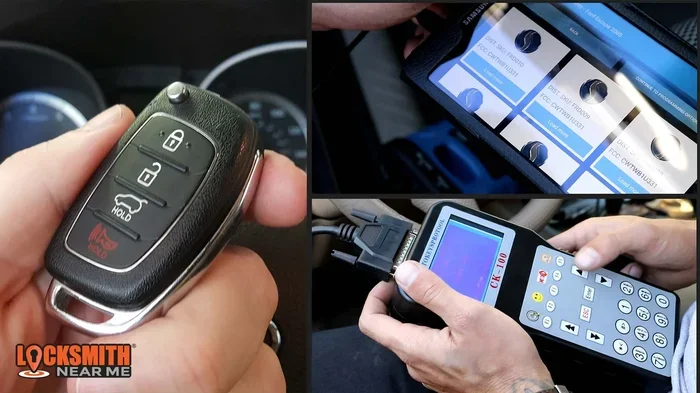
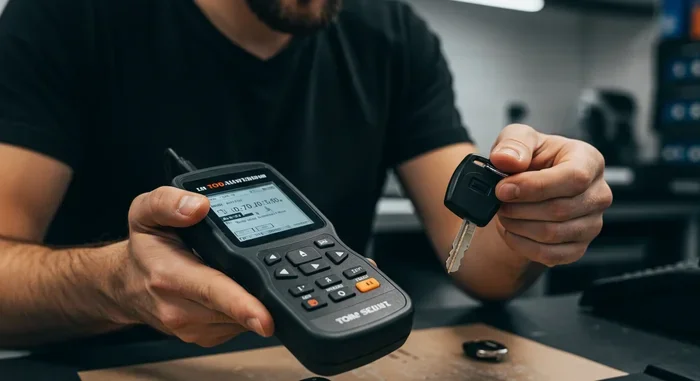
- A key programming tool: Devices like the Xhorse VVDI Key Tool or Zed-Bull can program many different key types. These range from $50 to $300.
- An OBD-II programmer: This connects to your car’s diagnostic port and can program keys directly to the immobilizer system.
- A working original key: Most DIY methods require at least one key that already works.
- A computer or smartphone: Some programming tools need an app or software to function.
Optional but Helpful Items
- A key cutting machine: If you are using an uncut blank, you will need to cut the key to match your original. Some hardware stores will cut keys for free or a small fee.
- Online programming guides: Websites and YouTube videos often have model-specific instructions that walk you through the process.
- A backup key: Always have a spare. If something goes wrong during key cloning, you do not want to be locked out.
The cost of DIY tools can range from under $50 for basic programming devices to over $300 for advanced units. Compare this to the cost of a locksmith or dealer, which can run $100 to $400 or more per key. The investment in a key programming tool can pay for itself quickly if you need multiple keys or help friends and family.
Step-by-Step Guide to Programming Your Own Transponder Key
Now let us get into the actual process. While every vehicle is different, the general steps are similar for most cars that support DIY key programming.
Step 1: Prepare Your Keys and Vehicle
Start by sitting in the driver’s seat with all doors closed. Have your working key and your new blank key ready. Make sure the new key is the correct blank for your vehicle. Check the key programming instructions for your specific model before you begin.
Turn the ignition to the OFF position. Remove all keys from the ignition. This resets the system and prepares it for programming mode.
Step 2: Enter Programming Mode
The method for entering programming mode varies by vehicle. Here are the most common approaches:
- Ignition cycling method: Turn the ignition from OFF to ON (do not start the engine) and back to OFF. Repeat this cycle a specific number of times. The number of cycles and the timing matter. Check your vehicle-specific guide for exact steps.
- Door lock method: Insert and remove the working key from the door lock a certain number of times, then turn the ignition to a specific position.
- Button combination method: Press a combination of buttons on the dashboard or steering column within a set time frame.
Once you complete the correct sequence, the doors may lock and unlock automatically. This usually means you have entered programming mode successfully.
Step 3: Program the New Key
Within the programming window (usually 30 seconds to a few minutes), insert the new blank key into the ignition. Turn it to the ON position and wait for the security light to turn off. This signals that the car has recognized the new chip key.
Remove the key and turn the ignition back to OFF. Then try starting the engine with the new key. If it starts, you have successfully completed the transponder key programming.
Step 4: Exit Programming Mode
After programming the new key, exit programming mode by turning the ignition off and removing the key. Test all keys to make sure they work. Try starting the car with each key.
If the new key does not work, do not panic. Go back and double-check each step. Timing and sequence matter a lot in car key programming.
Quick Tips for Success
- Work in a quiet environment: Turn off the radio and close windows so you can hear any clicks or beeps.
- Follow the timing precisely: Many DIY programming methods are time-sensitive. Rushing through steps is the number one cause of failure.
- Use a quality blank key: Cheap aftermarket keys from unknown sellers may have faulty chips that will not program correctly.
- Have your VIN ready: Some online guides ask for your VIN to provide the exact programming sequence.
When You Should Call a Professional Instead
DIY programming works great for many situations. But there are times when it is better to let a professional handle the job. Knowing when to call for help saves you time, money, and frustration.
Situations That Require a Locksmith
You should consider calling a locksmith programming professional if:
- Your vehicle does not support onboard self-programming.
- You have lost all keys and cannot enter programming mode.
- Your car uses a smart key or proximity system that requires advanced equipment.
- You have tried DIY programming multiple times and it has not worked.
- Your key fob programming involves more than just the ignition key (such as remote functions).
How Much Does Professional Programming Cost?
The cost of professional transponder key programming varies widely. A locksmith typically charges between $75 and $200 per key. A dealership may charge $200 to $400 or more. The key replacement cost depends on your vehicle, the key type, and where you live.
Keep in mind that a locksmith can also cut the key for you. This saves you from having to find a separate key-cutting service. Many locksmiths offer mobile services and can come to your location.
The Risk of Getting It Wrong
There is a small risk of locking yourself out of the programming process. Some vehicles limit the number of programming attempts. If you exceed the limit, you may need a dealer to reset the system. This is why following the programming instructions carefully is so important.
Also, using the wrong key programming tool or the wrong method can sometimes cause issues with the vehicle security system. If you are not confident, it is always safer to hire a professional.
Common Mistakes to Avoid When Programming a Transponder Key
Even experienced DIYers make mistakes. Here are the most common errors people make when trying to program a transponder key on their own.
Using the Wrong Key Blank
This is the most common mistake. Not all transponder keys use the same chip. The key blank must have a compatible transponder chip that matches your vehicle’s immobilizer system. Buying the cheapest key you find online often leads to failure.
Skipping the Programming Sequence
Every vehicle has a specific sequence for entering programming mode. Skipping a step or doing them out of order will not work. You must follow the exact steps in the correct order with the correct timing.
Not Having a Working Key
Most DIY programming methods require at least one working key. If you have lost all your keys, you cannot use the onboard programming method. In this case, you need a locksmith or dealer to create a new key from scratch using your vehicle identification number.
Rushing the Process
Transponder key programming requires patience. The system needs time to recognize the new key. If you rush through the steps or remove the key too quickly, the programming will fail.
Ignoring the Security Light
The security light on your dashboard is your best friend during programming. If it stays on or flashes, something is wrong. Pay close attention to what the light does at each step. It tells you whether the car has accepted the new key.
Not Testing All Keys After Programming
After you program a new key, always test every key you have. This includes the original working key and the new one. Sometimes programming a new key can reset or affect the existing keys. Testing ensures everything works before you need to use the keys in an emergency.
Expert Insight
Experienced locksmiths recommend always having at least two working keys for your vehicle. If you only have one key and it breaks or gets lost, you will be in a difficult situation. Programming a spare key proactively can save you from a stressful and expensive emergency.
Key Takeaways
- DIY programming is possible: Many vehicles allow you to program a transponder key yourself with the right tools and instructions.
- You need the right equipment: An OBD-II programmer or key programming tool is essential for most DIY attempts.
- Check your vehicle first: Not all cars support self-programming. Luxury and newer models often require dealer-level equipment.
- Avoid common mistakes: Using the wrong key blank or skipping steps can waste time and money.
- Know when to call a pro: If DIY programming fails, a locksmith programming service can save you from costly errors.
- Aftermarket keys work too: You can use a chip key or aftermarket key for many vehicles with the right key cloning method.
- Security matters: Always follow programming instructions carefully to avoid triggering your vehicle security system.
Conclusion
Can I program a transponder key myself? The answer is yes, in most cases. With the right knowledge, tools, and a little patience, you can successfully program a transponder key at home. This can save you significant money compared to dealer or locksmith costs.
Start by understanding how your vehicle security system works and what type of key you have. Gather the right equipment and follow the programming instructions carefully. Avoid the common mistakes we outlined, and always test your keys after programming.
If at any point you feel stuck or unsure, do not hesitate to call a professional. A locksmith programming service can handle even the most complex key programming situations. The goal is to get a working key, not to prove you can do it alone.
Take what you have learned from this guide and apply it with confidence. Whether you are programming a spare key or replacing a lost one, you now have the knowledge to tackle the job. Good luck with your transponder key programming!
Frequently Asked Questions
Can I program a transponder key myself without any special tools?
For some vehicles, yes. Many older cars and certain models from Ford, Chevy, Toyota, and Honda allow you to program a spare key using just the ignition and door lock method. However, newer or luxury vehicles typically require a key programming tool or OBD-II programmer to complete the transponder key programming process.
How much does it cost to program a transponder key yourself?
The cost is mainly the price of the blank key and any programming equipment you need. A quality aftermarket transponder key costs between $10 and $40. A basic key programming tool ranges from $50 to $300. Compare this to the $100 to $400 you might pay a locksmith or dealer for the same service.
What happens if I fail to program the transponder key correctly?
Most vehicles allow multiple programming attempts, but some limit the number. If you exceed the limit, you may need a dealer to reset the immobilizer system. Always follow the programming instructions carefully and double-check each step before proceeding to avoid wasting attempts.
Can I use an aftermarket key for DIY programming?
Yes, many aftermarket chip keys work perfectly fine for DIY transponder key programming. Make sure you purchase the correct blank that matches your vehicle’s key profile and chip type. Check the product description and compare it to your original key before ordering.
Do I need the original key to program a new transponder key?
In most DIY programming methods, yes. You need at least one working key to enter programming mode and add a new key. If you have lost all keys, you will need a locksmith or dealer to create a new key using your vehicle identification number and specialized equipment.
How long does it take to program a transponder key yourself?
The actual programming process usually takes between 10 and 30 minutes once you are familiar with the steps. Researching your specific vehicle’s method may take a little extra time beforehand. Having all your tools and the correct key programming instructions ready will make the process smooth and quick.