AC Compressor for a 2011 Hyundai Sonata Everything You Need
Finding the right AC Compressor for a 2011 Hyundai Sonata can save you time, money, and a lot of summer frustration. This guide covers everything from warning signs of a failing compressor to step-by-step replacement tips. You will learn how to spot problems early, choose the correct parts, and keep your Sonata cool all season long.
There is nothing worse than turning on your car’s air conditioning on a hot summer day and getting nothing but warm air. If you own a 2011 Hyundai Sonata, you know how important a working AC system is. The AC Compressor for a 2011 Hyundai Sonata is the heart of the entire cooling system. When it goes bad, your comfort — and your safety on long drives — takes a hit.
This article covers everything you need to know about the AC compressor in your 2011 Sonata. We will walk through the symptoms of a failing compressor, the replacement cost, the difference between OEM and aftermarket parts, and even some DIY tips. Whether you are a seasoned gearhead or a complete beginner, this guide has something for you.
The 2011 Hyundai Sonata is a reliable sedan, but like all vehicles, its parts wear out over time. The AC compressor is one of those components that can fail unexpectedly. Understanding how it works and what to look for can make a huge difference. Let us dive in and get you the answers you need.
Key Takeaways
- Early detection saves money: Knowing the symptoms of a failing AC compressor helps you avoid costly repairs down the road.
- OEM vs aftermarket parts: Both options have pros and cons, and choosing the right one depends on your budget and needs.
- Replacement cost varies: Expect to pay between $500 and $1,200 for parts and labor combined.
- DIY is possible: With the right tools and guidance, you can replace the compressor yourself and save on labor costs.
- Regular maintenance matters: Simple habits like checking refrigerant levels and cleaning the condenser can extend compressor life.
- Common mistakes are avoidable: Skipping the accumulator or using the wrong refrigerant causes repeat failures.
📑 Table of Contents
- Understanding the AC Compressor in Your 2011 Hyundai Sonata
- Warning Signs Your AC Compressor Is Failing
- AC Compressor Replacement Cost for the 2011 Hyundai Sonata
- Step-by-Step Guide to Replacing the AC Compressor
- Maintaining Your AC Compressor for Longevity
- Common Mistakes to Avoid During AC Compressor Replacement
- Choosing the Right AC Compressor for Your 2011 Hyundai Sonata
- When to See a Professional vs DIY
- Conclusion
Understanding the AC Compressor in Your 2011 Hyundai Sonata
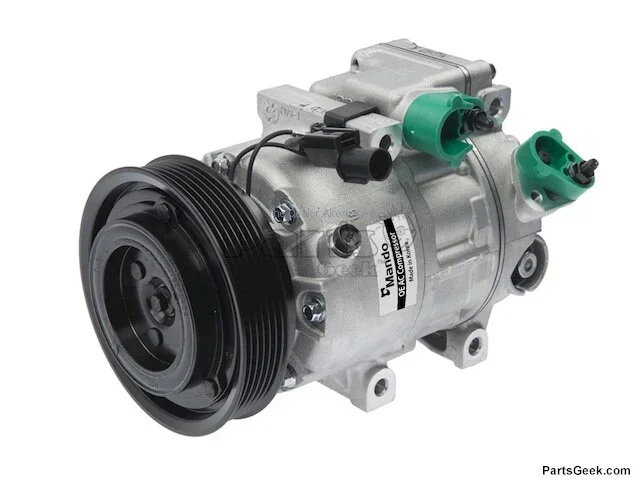
The AC compressor is the engine of your car’s air conditioning system. It pressurizes the refrigerant and circulates it through the system. Without a working compressor, the refrigerant cannot flow, and your car cannot cool down. In the 2011 Hyundai Sonata, the AC compressor is driven by a belt connected to the engine.
How the AC Compressor Works
Here is a simple way to think about it. The compressor takes low-pressure refrigerant gas and squeezes it into high-pressure gas. This hot, pressurized gas then flows to the condenser, where it cools down and becomes a liquid. From there, it moves through the expansion valve and evaporator, which is where the cold air comes from. It is a continuous cycle, and the compressor keeps it all moving.
The AC compressor for a 2011 Hyundai Sonata is designed to handle this cycle thousands of times. It is built to last, but it is not indestructible. Age, mileage, and lack of maintenance can all shorten its lifespan.
Common Causes of AC Compressor Failure
Several things can cause an AC compressor to fail prematurely. Understanding these causes can help you prevent problems before they start.
- Low refrigerant levels: When the system is low on refrigerant, the compressor works harder and overheats.
- Dirty condenser coils: Debris buildup on the condenser restricts airflow and puts extra strain on the compressor.
- Electrical issues: Faulty wiring or a bad AC compressor relay can prevent the compressor from engaging properly.
- Worn compressor clutch: The clutch engages and disengages the compressor. When it wears out, the compressor cannot function correctly.
- Contaminated refrigerant: Moisture or debris in the refrigerant system can damage internal compressor components.
- Blocked orifice tube: A clogged orifice tube causes pressure imbalances that stress the compressor.
Regular Hyundai Sonata AC repair and maintenance can address most of these issues before they lead to a full compressor failure.
Warning Signs Your AC Compressor Is Failing
Catching the early signs of a failing compressor can save you hundreds of dollars. Many drivers ignore the warning signals until the problem becomes severe. Do not make that mistake. Here are the most common symptoms to watch for.
Warm Air From the Vents
This is the most obvious sign. If your 2011 Sonata air conditioning blows warm or lukewarm air, the compressor may not be pumping refrigerant properly. It could also be a simple refrigerant leak, but either way, it needs attention.
Strange Noises From the Engine Bay
A healthy AC compressor makes a quiet humming sound. If you hear grinding, squealing, or loud clunking noises when you turn on the AC, the internal components may be worn or damaged. These sounds often mean the compressor is failing and needs immediate inspection.
AC Compressor Clutch Not Engaging
When you turn on the AC, you should see the compressor clutch engage. If the clutch stays still, the compressor is not receiving power, or the clutch itself is bad. This is a common issue with Hyundai AC system problems and should be checked by a mechanic.
Frequent AC Cycling
Your AC system should cycle on and off at regular intervals. If it turns on and off constantly, the compressor may be struggling to maintain proper pressure. This short-cycling puts extra stress on the entire system.
Visible Leaks Under the Car
Oil or refrigerant leaks near the compressor are a clear red flag. You might notice oily residue or wet spots around the AC compressor area. Leaks reduce refrigerant levels and eventually cause compressor failure.
Quick Tip
Turn on your AC for a few minutes every week, even in winter. This keeps the seals lubricated and prevents them from drying out, which can lead to leaks and compressor damage.
AC Compressor Replacement Cost for the 2011 Hyundai Sonata
The cost of replacing an AC compressor for a 2011 Hyundai Sonata varies depending on several factors. Where you live, the type of parts you choose, and whether you do the work yourself all play a role in the final price.
Parts and Labor Breakdown
On average, you can expect to pay between $500 and $1,200 for a full compressor replacement. The parts alone usually cost between $300 and $600. Labor charges range from $200 to $600, depending on the shop’s hourly rate and the complexity of the job.
OEM vs Aftermarket Parts
Choosing between OEM (Original Equipment Manufacturer) and aftermarket parts is a big decision. Here is a quick comparison to help you decide.
| Factor | OEM Parts | Aftermarket Parts |
|---|---|---|
| Price | Higher ($400-$700) | Lower ($200-$450) |
| Quality | Factory standard | Varies by brand |
| Warranty | Usually included | Varies by seller |
| Fit and Finish | Perfect match | Generally good, but check reviews |
| Availability | Dealer only | Widely available online |
OEM parts offer peace of mind because they match the original specifications of your 2011 Sonata AC compressor. Aftermarket parts can save you a lot of money, but you need to choose a reputable brand. Brands like Sanden, Delphi, and Denso are well-known for quality car AC compressor replacement parts.
Can You Save Money by Doing It Yourself?
If you have basic mechanical skills and the right tools, replacing the AC compressor yourself can save you $200 to $400 in labor costs. You will need a refrigerant recovery machine, a torque wrench, and basic hand tools. Many online tutorials walk you through the process step by step. However, handling refrigerant requires certification in many states, so check your local laws before attempting a DIY air conditioning repair.
Step-by-Step Guide to Replacing the AC Compressor
For those who want to tackle this project themselves, here is a simplified overview of the replacement process. Always refer to your vehicle’s service manual for specific instructions.
Step 1: Gather Your Tools and Parts
Before you start, make sure you have everything you need. You will need the new AC compressor for a 2011 Hyundai Sonata, a new accumulator or receiver-drier, AC refrigerant oil, and the proper tools. Having everything ready prevents delays and frustration.
Step 2: Recover the Refrigerant
Never release refrigerant into the atmosphere. It is illegal in most places and harmful to the environment. Use a refrigerant recovery machine to safely extract the old refrigerant from the system.
Step 3: Remove the Old Compressor
Disconnect the electrical connector, remove the compressor belt, and unbolt the compressor from the engine mount. Carefully label all the hoses so you know where they connect during reassembly.
Step 4: Install the New Compressor
Mount the new compressor in the same position as the old one. Bolt it down securely and reconnect the hoses. Install a new accumulator or receiver-drier at this time, as it is a best practice to replace it whenever you open the system.
Step 5: Recharge the System
Once the new compressor is installed, you need to recharge the system with refrigerant and add the proper amount of AC refrigerant oil. Follow the manufacturer’s specifications for the correct oil type and amount.
Step 6: Test the System
Start the engine, turn on the AC, and check for proper cooling. Listen for unusual noises and inspect all connections for leaks. Let the system run for at least 15 minutes to ensure everything is working correctly.
Expert Insight
Professional mechanics always recommend replacing the accumulator and orifice tube when you replace the AC compressor. Skipping these parts can lead to contamination in the new compressor and premature failure.
Maintaining Your AC Compressor for Longevity
Prevention is always better than repair. A few simple maintenance habits can significantly extend the life of your Hyundai Sonata AC compressor and keep your cooling system running smoothly for years.
Regular AC System Inspections
Have a mechanic inspect your AC system at least once a year, preferably before summer. They can check refrigerant levels, inspect hoses and seals, and identify potential problems early. A routine car AC maintenance checkup costs very little compared to a full compressor replacement.
Keep the Condenser Clean
The condenser sits in front of the radiator and can accumulate dirt, bugs, and debris over time. Clean it regularly with water and a soft brush. A clean condenser allows proper airflow, which reduces the workload on the compressor.
Check the Cabin Air Filter
While the cabin air filter does not directly affect the compressor, a clogged filter reduces airflow through the entire system. This forces the AC to work harder and can indirectly stress the compressor. Replace your cabin air filter every 12,000 to 15,000 miles.
Use the AC Year-Round
Running the AC periodically, even in cooler months, keeps the seals soft and the compressor lubricated. Seals that dry out crack and cause refrigerant leaks, which lead to compressor damage.
Address Small Problems Immediately
Do not ignore small signs like reduced cooling performance or occasional clicking noises. These can indicate early-stage compressor wear. Addressing them quickly prevents the problem from escalating into a full-blown failure.
Common Mistakes to Avoid During AC Compressor Replacement
Even experienced DIYers can make mistakes when replacing an AC compressor. Here are the most common errors and how to avoid them.
- Skipping the accumulator replacement: Old refrigerant oil and debris remain in the system and contaminate the new compressor.
- Using the wrong refrigerant: The 2011 Hyundai Sonata uses R-134a refrigerant. Using R-12 or a substitute can damage the system.
- Not replacing the orifice tube: A clogged orifice tube restricts refrigerant flow and causes the new compressor to fail prematurely.
- Overfilling or underfilling refrigerant: Both conditions cause poor cooling and put extra stress on the compressor.
- Neglecting the compressor clutch: If the clutch is worn, replacing only the compressor means the new unit may still not engage properly.
- Ignoring the belt tension: A loose or misaligned belt causes the compressor to slip and wear out faster.
Avoiding these mistakes will help ensure your AC compressor replacement lasts for many years and saves you from repeat trips to the shop.
Choosing the Right AC Compressor for Your 2011 Hyundai Sonata
Not all compressors are created equal. When shopping for a replacement AC Compressor for a 2011 Hyundai Sonata, consider these factors to make the best choice.
Check Compatibility
Make sure the compressor is specifically designed for the 2011 Hyundai Sonata. Different model years and engine configurations may require different compressors. Always double-check the part number before purchasing.
Look for Warranty Coverage
A good compressor should come with a warranty of at least one year. Some premium aftermarket compressors offer lifetime warranties, which gives you extra protection against defects.
Read Customer Reviews
Before buying any part, read reviews from other Sonata owners. Real-world feedback helps you identify reliable brands and avoid products with known issues.
Consider the Total Kit
Some sellers offer compressor replacement kits that include the compressor, accumulator, orifice tube, and refrigerant oil. These kits can save you money and ensure you have everything needed for a complete repair.
When to See a Professional vs DIY
Deciding between a professional mechanic and a DIY approach depends on your skills, tools, and comfort level.
Choose a professional if: You do not have a refrigerant recovery machine, you are uncomfortable handling refrigerant, or the job involves complex electrical diagnostics. A certified technician can also perform a full system evacuation and recharge, which ensures no moisture or contaminants remain in the system.
Choose DIY if: You have the right tools, some mechanical experience, and access to a refrigerant recovery machine. Doing it yourself gives you full control over the parts and process, and it can save you a significant amount of money.
Either way, the goal is the same: get your 2011 Hyundai Sonata AC compressor working properly so you can stay cool and comfortable on the road.
Conclusion
The AC Compressor for a 2011 Hyundai Sonata is a critical component that directly affects your comfort and driving experience. Whether you are dealing with a failing compressor, planning a replacement, or simply looking to maintain your current system, the information in this guide gives you a solid foundation. From recognizing the early warning signs to choosing the right parts and avoiding common mistakes, you now have the knowledge to make informed decisions.
Regular maintenance, prompt attention to small problems, and choosing quality parts are the keys to a long-lasting AC compressor. Do not wait until you are sweating in traffic to take action. Follow the tips in this article, and your 2011 Sonata will keep you cool all summer long.
Stay proactive, stay cool, and enjoy the drive.
Frequently Asked Questions
How do I know if my AC compressor is bad on a 2011 Hyundai Sonata?
Common signs include warm air from the vents, strange noises from the engine bay, the AC clutch not engaging, frequent AC cycling, and visible oil leaks near the compressor. If you notice any of these symptoms, have your AC system inspected by a professional as soon as possible.
What is the average cost to replace the AC compressor on a 2011 Hyundai Sonata?
The total cost typically ranges from $500 to $1,200, including parts and labor. The parts alone cost between $300 and $600, while labor ranges from $200 to $600 depending on your location and the shop’s rates.
Can I drive my 2011 Hyundai Sonata with a bad AC compressor?
Yes, you can still drive the car, but the AC will not work properly. If the compressor clutch is seized, it may put extra strain on the engine belt, which could affect other accessories. It is best to address the issue promptly to avoid further damage.
How long does an AC compressor last on a Hyundai Sonata?
With proper maintenance, an AC compressor can last 10 to 15 years or more. However, factors like refrigerant leaks, contaminated oil, and lack of regular use can shorten its lifespan significantly.
Should I replace the accumulator when I replace the AC compressor?
Yes, it is strongly recommended. The accumulator stores refrigerant and removes moisture from the system. When you open the system to replace the compressor, replacing the accumulator prevents contamination and protects your new compressor from premature failure.
What refrigerant does a 2011 Hyundai Sonata use?
The 2011 Hyundai Sonata uses R-134a refrigerant. Using the wrong type of refrigerant can damage the AC system and void any warranty on replacement parts. Always verify the correct refrigerant type before recharging your system.