A Screw Jack Used to Lift a Car Is a Simple Machine
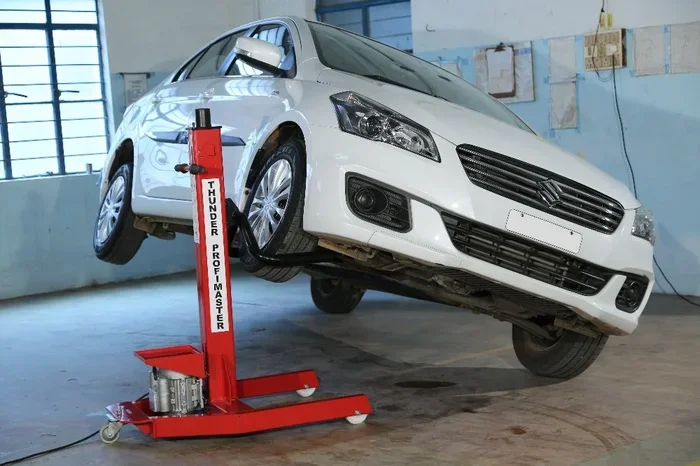
A screw jack used to lift a car is a simple machine that converts rotational force into vertical lifting power. It relies on a threaded shaft and worm gear to multiply force, making it possible to raise heavy vehicles with minimal effort. Understanding how this device works helps you choose the right jack, use it safely, and maintain it for years of dependable service.
A screw jack used to lift a car is a simple machine that has been helping people raise heavy vehicles for over a century. You see them in garages, race tracks, and even roadside repair scenes. But what makes this device so effective? And why is it considered one of the most fundamental simple machines in automotive work?
The answer lies in its elegant design. A screw jack takes the basic principle of an inclined plane and wraps it around a cylindrical shaft. When you turn the handle, the threads convert rotational motion into linear motion. This transformation multiplies your input force dramatically. The result? A single person can lift a car that weighs thousands of pounds.
In this article, we will explore everything you need to know about the screw jack. We will cover how it works, the different types available, and why it remains a go-to tool in automotive lifting. Whether you are a DIY mechanic or a curious car owner, this guide will give you practical knowledge you can use today.
Key Takeaways
- A screw jack is a simple machine: It uses the inclined plane principle wrapped around a threaded shaft to multiply force and lift heavy loads like cars.
- Multiple types exist: Ball screw jacks, roller screw jacks, and worm gear screw jacks each serve different automotive lifting needs.
- Mechanical advantage is the key: The screw jack reduces the input force needed, making it easy for one person to lift a vehicle.
- Safety matters most: Always use jack stands, check load capacity, and inspect your screw jack before every use.
- Regular maintenance extends life: Lubrication, cleaning, and proper storage keep your screw jack working reliably for years.
- Choosing the right jack depends on your vehicle weight: Match the screw jack load capacity to your car or truck for safe operation.
📑 Table of Contents
- What Is a Screw Jack and How Does It Work?
- The Simple Machine Principle Behind Screw Jacks
- Types of Screw Jacks Used in Automotive Applications
- Benefits and Advantages of Using a Screw Jack
- How to Choose the Right Screw Jack for Your Vehicle
- Maintenance Tips and Common Mistakes to Avoid
- Why Screw Jacks Remain Essential in Automotive Work
- Conclusion
What Is a Screw Jack and How Does It Work?
A screw jack is a mechanical lifting device that uses a screw thread to raise or lower heavy loads. In automotive applications, it is most commonly used to lift cars, trucks, and SUVs off the ground. The basic components include a screw shaft, a nut, a handle or input mechanism, and a load platform.
When you turn the handle, the screw rotates inside the nut. This rotation moves the nut — and the load attached to it — up or down the shaft. The process is slow but incredibly strong. This strength comes from the mechanical advantage built into the screw thread design.
The Mechanics of a Screw Jack
The screw jack operates on a straightforward principle. The threaded shaft acts like a ramp wrapped around a cylinder. As you rotate the shaft, the nut travels along the threads. Each full turn of the handle moves the nut a small distance upward. Small movements add up to significant lifting height over time.
The pitch of the thread — the distance between each thread groove — determines how much the nut moves per turn. A finer pitch means more turns are needed, but it also provides greater mechanical advantage. This means less force is required from the user to lift the same weight.
Most automotive screw jacks use a worm gear system. The worm gear connects the handle to the screw shaft. When you turn the handle, the worm gear spins the shaft. This gear reduction multiplies your input torque, making the lifting process even easier. The self-locking nature of the worm gear also ensures the load stays in place when you stop turning. This is a critical safety feature.
The Simple Machine Principle Behind Screw Jacks
A screw jack used to lift a car is a simple machine at its core. Simple machines are basic devices that change the direction or magnitude of a force. There are six classical simple machines: the lever, wheel and axle, pulley, inclined plane, wedge, and screw. The screw jack belongs to the screw family, which is essentially a wrapped inclined plane.
The inclined plane is one of the oldest and most intuitive simple machines. Think about pushing a heavy box up a ramp instead of lifting it straight up. The ramp spreads the effort over a longer distance, reducing the force needed at any given moment. A screw jack uses the exact same idea, just in a compact, rotational form.
How Mechanical Advantage Works in a Screw Jack
Mechanical advantage is the factor by which a machine multiplies the input force. In a screw jack, this advantage comes from two sources: the thread pitch and the lever arm length of the handle.
A longer handle means you apply force over a larger circle. This increases the torque on the screw shaft. A finer thread pitch means each turn lifts the load by a smaller amount, but with greater force multiplication. Together, these factors allow a screw jack to lift a car weighing 3,000 pounds or more with relatively little hand effort.
Here is a simple way to think about it. Imagine turning a bolt with your bare hands. It takes some effort, right? Now imagine attaching a long pipe to the bolt head to extend your leverage. Suddenly, the same bolt is much easier to turn. A screw jack works on this same principle, just engineered for lifting heavy loads.
Force Multiplication in Practice
Let us look at a real-world example. A typical passenger car weighs around 3,000 pounds. A standard automotive screw jack might have a mechanical advantage of 20 to 40. This means you only need to apply 75 to 150 pounds of force at the handle to lift the entire vehicle. That is well within the strength range of most adults.
The force multiplication happens gradually. You turn the handle many times, and each turn raises the vehicle by a small fraction of an inch. This slow, controlled movement is actually a benefit. It gives you precision and stability during the lifting process. You are not relying on sudden bursts of energy or hydraulic pressure that could fail.
Types of Screw Jacks Used in Automotive Applications
Not all screw jacks are the same. Different designs serve different purposes, and understanding the variations helps you choose the right one for your needs. Here are the most common types you will encounter in automotive settings.
Worm Gear Screw Jack
The worm gear screw jack is the most common type found in automotive applications. It uses a worm gear mechanism to convert rotational input into linear lifting motion. These jacks are self-locking, meaning the load cannot back-drive the screw when the input stops. This makes them inherently safe for lifting heavy vehicles.
Worm gear screw jacks are known for their reliability and durability. They require no external power source. You simply turn the handle, and the jack does the work. They are ideal for garage use, roadside repairs, and light-duty automotive lifting tasks.
Ball Screw Jack
A ball screw jack uses recirculating ball bearings between the screw shaft and the nut. This design reduces friction significantly compared to traditional threaded jacks. The result is smoother operation and higher efficiency.
Ball screw jacks are often used in precision applications. In the automotive world, you might find them in race car garages or professional tuning shops where exact positioning matters. They are more expensive than worm gear jacks but offer superior performance and longer service life.
Roller Screw Jack
Roller screw jacks use cylindrical rollers instead of ball bearings. These rollers thread into the nut and screw shaft, creating multiple contact points. This design handles very high loads with excellent efficiency.
Roller screw jacks are common in heavy-duty automotive applications. They are frequently used in vehicle manufacturing plants, body shops, and industrial lifting setups. If you work with trucks, commercial vehicles, or performance cars that weigh significantly more than average, a roller screw jack may be the best choice.
Comparison Table: Screw Jack Types for Automotive Use
| Feature | Worm Gear Jack | Ball Screw Jack | Roller Screw Jack |
|---|---|---|---|
| Load Capacity | Moderate to High | Moderate | Very High |
| Efficiency | Moderate | High | High |
| Self-Locking | Yes | Depends on design | Depends on design |
| Cost | Low to Moderate | Moderate to High | High |
| Maintenance | Low | Moderate | Moderate |
| Best For | General garage use | Precision positioning | Heavy-duty lifting |
Benefits and Advantages of Using a Screw Jack
The screw jack has remained popular in automotive work for good reason. It offers several distinct advantages over other lifting methods. Understanding these benefits helps you appreciate why this simple machine continues to be a staple in garages worldwide.
Simplicity and Reliability
A screw jack has very few moving parts. There are no seals to crack, no fluids to leak, and no pumps to fail. This mechanical simplicity means fewer things can go wrong. When you use a screw jack, you rely on solid metal threads and a sturdy frame. These components last for years with proper care.
Unlike hydraulic jacks, which depend on fluid pressure and seals, a screw jack operates through pure mechanical motion. This makes it less susceptible to environmental factors like temperature changes or contamination. You can use a screw jack in dusty garages, outdoor settings, and extreme temperatures without worrying about hydraulic fluid degradation.
Safety and Stability
Safety is paramount when lifting a car. A screw jack offers inherent stability because of its self-locking design. Once you stop turning, the load stays exactly where it is. There is no risk of sudden descent caused by pressure loss or seal failure.
Many screw jacks also include a safety lip or cradle that cradles the vehicle’s jack point. This prevents the load from slipping off the jack platform. Combined with proper jack stands, a screw jack provides a secure and stable lifting solution for under-car work.
Cost-Effectiveness
Compared to hydraulic floor jacks or pneumatic lifting systems, screw jacks are generally more affordable. They require no power source, no maintenance of fluid systems, and minimal replacement parts. For DIY mechanics and home garages, a quality screw jack offers excellent value for money.
You also save on operating costs. There are no hydraulic fluids to replace, no batteries to charge, and no compressors to maintain. A screw jack works the same way whether it is brand new or ten years old, as long as you keep the threads clean and lubricated.
Precision and Control
The slow, incremental movement of a screw jack gives you exceptional control over the lifting process. You can raise the vehicle by tiny fractions of an inch with each handle turn. This precision is valuable when you need to level a vehicle, adjust suspension components, or align wheels.
Hydraulic jacks can sometimes raise a load too quickly, making it harder to position the vehicle precisely. A screw jack eliminates this problem. You are in full control of every millimeter of lift height.
How to Choose the Right Screw Jack for Your Vehicle
Selecting the correct screw jack is essential for safe and effective lifting. Not all screw jacks are suitable for every vehicle. You need to consider several factors before making a purchase or choosing a jack for a specific job.
Match the Load Capacity to Your Vehicle Weight
The first thing to check is the load capacity of the screw jack. This rating tells you the maximum weight the jack can safely lift. Always choose a jack with a capacity that exceeds your vehicle’s weight. For most passenger cars, a screw jack rated for 2 to 3 tons is sufficient. For trucks and SUVs, you may need a 4-ton or higher capacity jack.
Remember that the vehicle weight includes the full curb weight, not just the engine or body. A fully loaded vehicle or a truck with a payload can weigh significantly more. Always check your vehicle’s owner manual for the exact weight and choose a jack accordingly.
Consider the Lift Height and Thread Pitch
The lift height determines how high the screw jack can raise your vehicle. This matters if you need clearance for large tires, suspension modifications, or undercarriage work. A higher lift height gives you more working space beneath the vehicle.
The thread pitch affects both the lifting speed and the mechanical advantage. A finer pitch provides more force multiplication but requires more turns to reach the desired height. A coarser pitch lifts faster but requires more input force. Choose based on your needs and physical comfort.
Check the Jack Point Compatibility
Every vehicle has designated jack points designed to safely bear the load. Make sure the screw jack you choose has a compatible saddle or cradle that fits these points. Using the wrong jack point can damage the vehicle frame or cause the jack to slip, creating a serious safety hazard.
Many screw jacks come with adjustable saddles or multiple attachment options. This flexibility helps you work with different vehicle models and jack point configurations. Look for jacks with wide, stable bases that provide a solid foundation during lifting.
Maintenance Tips and Common Mistakes to Avoid
A screw jack is a durable tool, but it still requires regular maintenance to perform safely and reliably. Neglecting maintenance can lead to thread wear, reduced lifting capacity, and potential failure during use. Here is what you need to know.
Regular Maintenance Practices
Keep the screw threads clean and free of dirt, grease, and debris. After each use, wipe down the shaft and inspect the threads for any signs of damage or wear. Apply a light coat of machine oil or thread lubricant to reduce friction and prevent corrosion.
Check the handle and worm gear assembly for any looseness or play. Tighten any loose bolts or fasteners before using the jack. Inspect the load platform or saddle for cracks, bends, or deformation. A damaged platform can compromise the stability of the lifted vehicle.
Store your screw jack in a dry, clean environment when not in use. Moisture and extreme temperatures can accelerate corrosion and degrade the threads over time. A simple storage bag or case can add years to your jack’s lifespan.
Common Mistakes That Can Damage Your Screw Jack
One of the most common mistakes is overloading the jack beyond its rated capacity. This puts excessive stress on the screw threads and can cause permanent deformation or catastrophic failure. Always respect the load capacity rating and never exceed it.
Another mistake is using the jack on an uneven or unstable surface. The jack needs a flat, solid foundation to operate safely. Placing it on soft ground, gravel, or a sloped surface can cause it to shift or tip during lifting. Always use a solid, level surface and consider using jack pads for added stability.
Some people forget to use jack stands alongside the screw jack. A screw jack is designed for lifting, not for supporting a vehicle while you work underneath it. Always place jack stands on secure points and lower the vehicle onto them before beginning any undercarriage work. Never rely solely on the screw jack to hold the vehicle in place while you are beneath it.
Expert Insights on Screw Jack Longevity
Experienced mechanics recommend inspecting your screw jack before every use. A quick visual check of the threads, handle, and frame can reveal potential issues before they become safety problems. If you notice any thread damage, unusual play in the mechanism, or difficulty turning the handle, have the jack inspected or replaced before using it again.
Professional automotive technicians also suggest keeping a maintenance log for your screw jack. Record each use, any lubrication performed, and any issues noticed. This simple habit helps you track the jack’s condition over time and catch wear patterns early.
Why Screw Jacks Remain Essential in Automotive Work
In an age of advanced hydraulic systems and electric lifting devices, the humble screw jack continues to hold its place. Why? Because it is simple, reliable, and effective. It does not depend on electricity, hydraulics, or compressed air. It works through pure mechanical advantage, a principle that has been trusted for centuries.
The screw jack is also incredibly versatile. Beyond lifting cars, it is used in many applications including equipment positioning, structural support, and load adjustment. Its fundamental design has inspired countless variations and adaptations across industries.
For the average car owner, a screw jack is an invaluable tool. Whether you need to change a tire, inspect the undercarriage, or perform routine maintenance, understanding how your screw jack works makes you a safer and more capable mechanic. The knowledge of this simple machine empowers you to take control of your vehicle’s maintenance with confidence.
A screw jack used to lift a car is a simple machine that embodies the beauty of mechanical engineering. It takes a basic physical principle and turns it into a practical, powerful tool. The next time you use your jack, take a moment to appreciate the elegant design that makes lifting thousands of pounds feel like a simple turn of the wrist.
Conclusion
A screw jack used to lift a car is a simple machine that has stood the test of time. From its basic inclined plane principle to its modern worm gear designs, the screw jack remains one of the most reliable lifting tools in automotive work. It offers mechanical advantage, safety, precision, and durability in a compact, affordable package.
Whether you are a weekend DIYer or a professional mechanic, understanding how your screw jack works helps you use it more effectively and safely. Choose the right type for your vehicle, maintain it properly, and always follow safety protocols. With the right screw jack and the right knowledge, you can tackle a wide range of automotive tasks with confidence.
The simple screw jack proves that sometimes the best solutions are the most straightforward ones. Keep your tool maintained, respect its load capacity, and it will serve you reliably for many years to come.
Frequently Asked Questions
What is a screw jack used for in cars?
A screw jack is used to lift a car off the ground for maintenance, tire changes, and undercarriage inspections. It converts rotational force into vertical lifting power through a threaded shaft mechanism.
How much weight can a screw jack lift?
Most automotive screw jacks are rated for 2 to 4 tons, which covers the vast majority of passenger cars and light trucks. Always check the load capacity rating on your specific jack before use.
Is a screw jack safer than a hydraulic jack?
A screw jack is inherently self-locking, meaning it cannot drop the load if you stop turning. Hydraulic jacks rely on fluid pressure and seals, which can fail over time. This makes screw jacks very stable for long-term support when used with jack stands.
How do I maintain my screw jack?
Keep the threads clean and lubricated with machine oil after each use. Inspect for wear or damage before every lift. Store the jack in a dry place and tighten any loose components regularly.
Can a screw jack lift a truck or SUV?
Yes, as long as the screw jack has a sufficient load capacity rating. Heavy-duty roller screw jacks are commonly used for trucks and SUVs. Always verify the jack’s rated capacity exceeds your vehicle’s weight.
What is the difference between a screw jack and a hydraulic jack?
A screw jack uses mechanical threads and a worm gear to lift loads, while a hydraulic jack uses fluid pressure. Screw jacks are slower but more reliable and self-locking. Hydraulic jacks are faster but depend on seals and fluid pressure to hold the load.