Why Sun Screen for Car Windows Is Essential This Summer
Sun screen for car windows is one of the simplest and most effective ways to protect your vehicle during the hot summer months. This guide covers everything you need to know about choosing, installing, and benefiting from car window shade products. You will learn how UV shields keep your car cool, preserve your interior, and save you money on costly repairs.
There is nothing worse than sliding into a hot car after a long day at work. The steering wheel burns your hands. The seats feel like they are melting. And the air conditioning takes forever to bring the temperature down. This is exactly why sun screen for car windows has become a must-have accessory for every driver. Whether you park outdoors or commute daily, a good car window shade can transform your driving experience. In this guide, we will walk you through everything you need to know about sun screen for car windows this summer.
Summer heat can do serious damage to your vehicle. The interior fades. The plastic cracks. And your comfort takes a major hit every single time you get behind the wheel. UV ray protection for your car is not just a luxury. It is a smart investment. Sun screen for car windows offers a simple and affordable way to shield your car from the sun’s harmful rays. Let us dive into why this small addition makes a big difference.
Key Takeaways
- UV Protection Matters: Sun screen for car windows blocks harmful UV rays that cause interior fading, cracking, and long-term damage to your vehicle.
- Multiple Options Available: From reflective shades to mesh screens and tint films, there is a car window screen solution for every driver and budget.
- Immediate Cooling Effect: A quality heat shield for car windows can lower interior temperatures by 15 to 20 degrees, making your car comfortable faster.
- Easy Installation: Most sun screens are simple to install with no tools required. Clean windows, proper positioning, and secure attachment are all you need.
- Long-Term Savings: Protecting your car interior from sun damage preserves resale value and avoids expensive repairs to dashboards, seats, and electronics.
- Year-Round Use: UV rays damage your car in every season, not just summer. Using a car window cover year-round offers the best protection.
- Health Benefits Too: UV ray protection for car windows also shields you and your passengers from skin damage caused by sun exposure while driving.
📑 Table of Contents
- What Is Sun Screen for Car Windows and Why Does It Matter?
- The Hidden Dangers of UV Rays Inside Your Vehicle
- Types of Sun Screen for Car Windows Available Today
- How to Choose the Right Sun Screen for Your Car
- Step-by-Step Guide to Installing Car Window Sun Screens
- Benefits You Will Notice Right Away
- Common Mistakes People Make with Car Window Sun Screens
- Conclusion
What Is Sun Screen for Car Windows and Why Does It Matter?
Not everyone realizes how much the sun affects a car parked outside. A sun shade for windshield or window screen acts as a barrier between your vehicle and the harsh rays of the sun. These screens are designed to reflect heat and block ultraviolet light. They keep your car cooler and your interior safer. Think of them as a sunscreen for your car.
The sun emits both UVA and UVB rays. These rays penetrate glass and cause long-term damage. Without proper car interior protection, your dashboard can warp and crack. Your seats can fade and tear. Even your electronics can suffer from prolonged heat exposure. A car window cover or car window screen helps prevent all of this. It is one of the easiest summer car care steps you can take.
How UV Rays Damage Your Car Interior
Ultraviolet radiation is invisible but powerful. It breaks down the chemical bonds in leather, vinyl, and plastic. Over time, this leads to dashboard fading prevention becoming a real concern. The steering wheel becomes slick and cracked. The center console turns brittle. Your protect car seats efforts go to waste without proper shielding.
Heat buildup inside a car can reach extreme temperatures. On a 90-degree day, interior temperatures can exceed 170 degrees Fahrenheit. That is hot enough to damage electronics, warp plastic components, and degrade adhesives. Reduce car interior heat with a quality sun screen, and you will notice the difference immediately.
The Hidden Dangers of UV Rays Inside Your Vehicle
Most people think UV damage only affects skin. But your car interior faces the same risks. The UV protection for cars you provide matters more than you might think. Every day your vehicle sits in the sun, it absorbs radiation that causes gradual deterioration.
Health Risks from Sun Exposure Inside a Car
Did you know that UV rays can pass through car windows? While windshield glass blocks most UVB rays, side and rear windows often let UVA rays through. This means you and your passengers are exposed during every drive. Sun glare reduction screens help block these harmful rays. They protect your skin and eyes from prolonged exposure.
Long-term UV exposure inside a vehicle has been linked to skin aging and increased risk of skin damage. Drivers who spend hours on the road without protection are especially vulnerable. A car sun protector for your windows adds a layer of defense. It keeps you safer while you drive.
Structural Damage Caused by Prolonged Sun Exposure
The sun does not just affect the look of your car. It weakens the structure too. Dashboard components can become brittle. Leather seats lose their flexibility. Even the adhesives that hold trim pieces in place can break down. Car interior protection goes beyond aesthetics. It preserves the structural integrity of your vehicle.
Over several years, unprotected interiors show clear signs of wear. Cracked dashboards. Faded seats. Sticky steering wheels. All of these problems stem from sun damage. Using a heat shield for car windows is one of the best ways to slow this process down.
Types of Sun Screen for Car Windows Available Today
The market offers many options for sun screen for car windows. Each type has its own strengths. Choosing the right one depends on your needs, budget, and vehicle type. Here is a closer look at the most popular options.
Reflective Sun Shades
Reflective sun shades are the most common type of car window shade. They feature a shiny, metallic surface that bounces sunlight away. These shades are highly effective at reducing car interior heat. They are also lightweight and easy to store.
Most reflective shades fold up compactly. You can keep one in your trunk or glove box. They work well on both the windshield and side windows. For basic summer car care, a reflective shade is a great starting point.
Mesh Window Screens
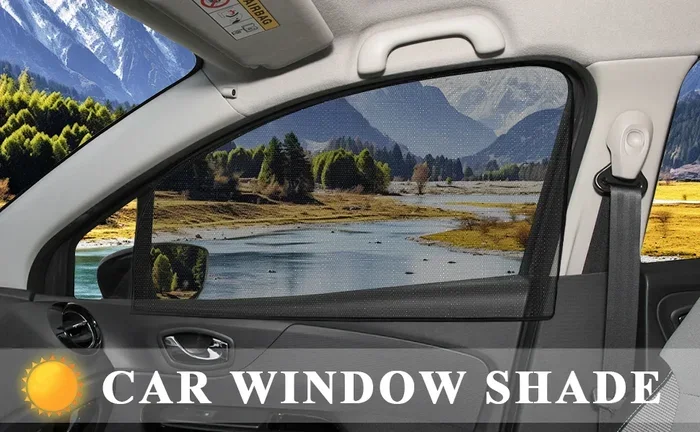
Mesh screens offer a more permanent solution. These car window screens attach to your window frames or roll down with the window. They allow airflow while blocking UV rays. This makes them ideal for parked cars where you still want ventilation.
Mesh screens are less bulky than traditional shades. They give your car a sleeker look. Many drivers prefer them for daily use. They provide steady UV ray protection without the hassle of unfolding and storing a shade every time.
Window Tint Films
Window tint film is another popular choice for sun screen for car windows. Unlike shades, tint films apply directly to the glass. They create a permanent or semi-permanent barrier against heat and UV radiation.
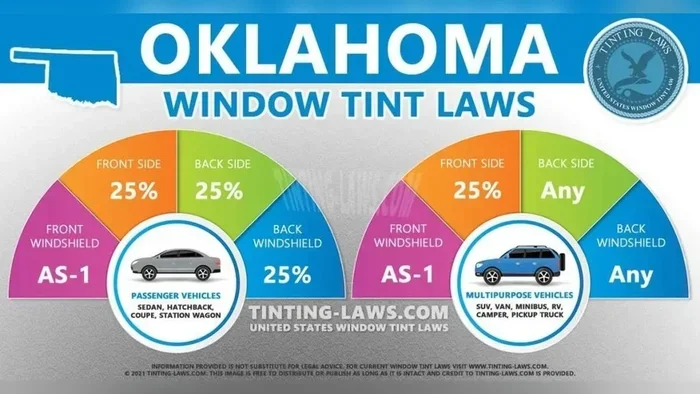
High-quality heat rejection film can block up to 99 percent of UV rays. It also reduces glare significantly. Tint films come in various shades and levels of darkness. Make sure to check your local laws before applying tint film. Some states have strict regulations on how dark your tint can be.
Custom-Fit Sun Protectors
Custom-fit protectors are designed specifically for your car model. They match your windows perfectly. This ensures full coverage with no gaps. If you want the best car sun protector for your specific vehicle, this is the way to go.
Custom options may cost more than universal shades. But they offer superior fit and performance. They are especially worth it for luxury or classic cars where interior protection matters most.
Comparison of Sun Screen Types
| Type | Heat Rejection | UV Protection | Ease of Use | Price Range | Durability |
|---|---|---|---|---|---|
| Reflective Sun Shades | High | 90%+ | Easy | $5 – $25 | 1 – 3 years |
| Mesh Window Screens | Medium | 85%+ | Very Easy | $15 – $50 | 3 – 5 years |
| Window Tint Films | Very High | 99% | Moderate | $30 – $200 | 5 – 10 years |
| Custom-Fit Protectors | Very High | 95%+ | Easy | $40 – $150 | 3 – 7 years |
How to Choose the Right Sun Screen for Your Car
Not all sun screens are created equal. Picking the right one involves considering a few key factors. Here is what you should keep in mind before making a purchase.
Size and Fit
Measure your windows before buying any car window cover. A shade that is too small will leave gaps. Gaps let in heat and UV rays. A shade that is too big will not fit properly. Look for products that list compatible vehicle models. Many brands offer universal fits that adjust to most cars.
Material Quality
The material determines how well a shade works. Look for shades with multiple layers. A reflective outer layer bounces heat away. A foam or fabric middle layer provides insulation. A soft inner layer protects your windows from scratches.
Cheap single-layer shades may save money upfront. But they do not block heat nearly as well. Invest in quality materials for long-lasting car interior protection.
Ease of Use
You want a sun screen that is easy to deploy and store. If a shade is complicated to set up, you will stop using it. Look for features like suction cups, adjustable straps, or spring-loaded frames. The best car cooling tips involve products you actually use consistently.
Heat Rejection Rating
Check the heat rejection rating before buying. Higher ratings mean better performance. A quality heat shield for car windows should reject at least 80 percent of solar energy. Look for this information in the product description or specifications. Do not settle for products that do not disclose their heat rejection capabilities.
UV Protection Level
Not all shades block the same amount of UV radiation. Look for products that offer at least 90 percent UV blockage. The best car window shade options block 99 percent or more. This level of protection keeps your interior looking new for years.
Budget Considerations
Sun screens range from affordable to premium. You do not need to spend a fortune to get good protection. A basic reflective shade costs under $20 and works well for most drivers. Higher-end options with custom fits and advanced materials may cost $50 to $150. Set a budget and find the best quality within that range.
Step-by-Step Guide to Installing Car Window Sun Screens
Installing a sun screen for your car windows is simple. Most products come with clear instructions. Here is a general guide that works for most shade types.
Step 1: Clean Your Windows
Start by cleaning your windows thoroughly. Any dirt or dust will affect how well the shade sticks or fits. Use a glass cleaner and a soft cloth. Make sure the surface is completely dry before proceeding.
Step 2: Measure and Position
Hold the shade up to the window. Make sure it covers the entire glass surface. For windshield shades, position the wider end at the top. For side windows, align the shade with the window edges. Most shades have adjustable clips or straps to help with positioning.
Step 3: Secure the Shade
Use the built-in attachments to secure the shade in place. Suction cups work well on smooth glass. Clips or straps fit into door frames. Make sure the shade is taut and does not move when you close the door. A loose shade will fall or shift while driving.
Step 4: Test and Adjust
Once installed, test the shade by closing the door gently. Check for any gaps or loose areas. Adjust as needed. A properly installed car window screen should stay in place without any movement. Take a few minutes to fine-tune the fit.
Quick Tips for Best Results
- Always store your shade flat to prevent creasing.
- Clean your shades regularly with a damp cloth.
- Rotate between multiple shades if you park in different spots.
- Use a windshield shade in combination with side window covers for full protection.
- Apply tint film during cooler months for best adhesion.
Benefits You Will Notice Right Away
Once you start using sun screen for car windows, the benefits become obvious quickly. Here are the most noticeable improvements you will experience.
Cooler Interior Temperature
This is the most immediate benefit. A reflective sun shade can lower interior temperatures by 15 to 20 degrees. That is a huge difference when you first get in the car. Your air conditioning works faster and more efficiently. You stay comfortable from the moment you start driving.
Protected Dashboard and Seats
Your dashboard and seats stay in better condition with regular sun protection. The colors stay vibrant. The materials remain flexible. Dashboard fading prevention is one of the biggest long-term benefits. You will notice your interior looks newer for longer.
Better Driving Visibility
Sun glare can be dangerous while driving. A sun glare reduction screen cuts through the brightness and makes driving safer. You will have a clearer view of the road, especially during early morning and late afternoon drives when the sun is low.
Long-Term Cost Savings
Protecting your car interior saves you money over time. Replacing a cracked dashboard or faded seats costs hundreds of dollars. A quality sun screen costs a fraction of that. Think of it as car interior protection that pays for itself within the first season of use.
Improved Resale Value
Buyers notice well-maintained interiors. A car with minimal sun damage commands a higher resale price. Using a car sun protector and heat shield for car windows is one of the simplest ways to maintain your vehicle’s value. It is a small investment with a big return.
Common Mistakes People Make with Car Window Sun Screens
Even with the best intentions, people make mistakes when using sun screens. Avoid these common pitfalls to get the most out of your protection.
Buying the Wrong Size
One of the most frequent mistakes is buying a shade that does not fit. Universal shades often leave gaps on the sides or top. Measure your windows carefully and choose the right size. A loose-fitting car window cover does not provide full protection.
Skipping the Windshield Shade
Many people focus on side windows and forget the windshield. The windshield receives the most direct sunlight. It also heats up the entire interior. A sun shade for windshield is essential for effective car cooling tips. Never skip this one.
Using Low-Quality Products
Cheap sun screens may look appealing because of the price. But they often use thin materials that tear easily. They block less heat and UV radiation. Spending a little more on a quality product saves you money and frustration in the long run.
Forgetting to Clean and Maintain
Dust and dirt build up on shades over time. This reduces their effectiveness. Clean your shades regularly. Inspect them for tears or damage. Replace worn-out shades promptly. Proper maintenance keeps your UV protection for cars working at its best.
Not Using Sun Screens Year-Round
Sun damage does not stop when summer ends. UV rays are present year-round, even on cloudy days. Using a car window screen in fall and winter helps preserve your interior. Make sun protection a year-round habit.
Conclusion
Sun screen for car windows is one of the simplest and most affordable ways to protect your vehicle. It keeps your car cooler, preserves your interior, and improves your driving comfort. Whether you choose a reflective shade, a mesh screen, or a window tint film, the key is to start using one today.
Do not wait for the next hot day to realize how much damage the sun causes. Invest in quality car window shade products now. Your car will thank you for years to come. Take a few minutes to explore your options and find the perfect sun screen for car windows for your vehicle. Your future self will be glad you did.
Frequently Asked Questions
How effective are sun screens for car windows at blocking heat?
High-quality sun screen for car windows can reduce interior temperatures by 15 to 20 degrees Fahrenheit. Reflective shades and heat rejection film options are especially effective. The exact performance depends on the material, fit, and color of the shade you choose.
Can I use sun screens on all car window types?
Yes, most car window screens work on all glass surfaces including the windshield, side windows, and rear windows. Some products are specifically designed for the windshield while others fit side windows. Always check the product specifications to ensure compatibility with your vehicle.
Are window tint films better than removable sun shades?
Both options offer strong UV protection for cars but serve different needs. Tint films provide permanent protection and a sleek look. Removable shades are more flexible and easier to install. Many drivers use a combination of both for maximum car interior protection.
How do I clean and maintain my car window sun screen?
Wipe your shade with a damp cloth after each use. Remove any dust or debris that accumulates on the surface. Store the shade flat in a bag or box to prevent creasing. Inspect it regularly for tears and replace it if the material becomes damaged or less effective.
Do sun screens for car windows really protect against UV rays?
Yes, quality sun screen for car windows blocks 90 to 99 percent of harmful UV rays. This level of UV ray protection significantly reduces the risk of interior fading and skin damage. Look for products that clearly state their UV blockage percentage in the product description.
What is the best budget option for sun screen for car windows?
A basic reflective sun shade typically costs between $5 and $25 and offers excellent heat rejection. It is the most affordable way to start protecting your car interior. You can always upgrade to mesh screens or tint films later as your needs evolve.