How Long Will a Toyota Highlander Hybrid Battery Last
The Toyota Highlander Hybrid battery typically lasts between 8 and 10 years or around 100,000 to 150,000 miles under normal conditions. Factors like driving habits, climate, and maintenance play a big role in hybrid battery life. With proper care, many owners push their Toyota Highlander hybrid battery well beyond the expected lifespan.
If you own or are thinking about buying a Toyota Highlander Hybrid, one question probably sits at the back of your mind. How long will that hybrid battery actually last? It is a fair question. After all, the battery is the heart of any hybrid vehicle, and replacing it is not cheap.
The good news is that Toyota builds its hybrid batteries to last. Most Toyota Highlander Hybrid batteries comfortably reach 8 to 10 years. Many go well beyond that with the right care. In this guide, we will walk you through everything you need to know about hybrid battery life. We will cover what affects durability, how to spot early warning signs, and what you can do to squeeze extra miles out of your pack.
Whether you have driven your Highlander for five years or you are just starting your ownership journey, this article has you covered. Let us break it all down in simple, practical terms.
Key Takeaways
- Average Lifespan: Most Toyota Highlander Hybrid batteries last 8 to 10 years or 100,000 to 150,000 miles.
- Warranty Coverage: Toyota offers an 8-year or 100,000-mile battery warranty, giving owners peace of mind.
- Driving Habits Matter: Gentle acceleration and steady speeds help extend battery health significantly.
- Climate Impact: Extreme heat and cold can speed up battery degradation over time.
- Maintenance Helps: Regular check-ups and smart charging habits can add years to your battery’s life.
- Replacement Cost: A new battery can cost between $2,000 and $4,000, but refurbished options exist too.
- Signs of Wear: Watch for reduced fuel economy, warning lights, and odd engine noises as battery fade indicators.
📑 Table of Contents
- Understanding the Toyota Highlander Hybrid Battery
- How Long Does a Toyota Highlander Hybrid Battery Typically Last?
- Factors That Affect Hybrid Battery Life
- Warning Signs That Your Hybrid Battery Is Failing
- What to Do When Your Battery Needs Replacement
- Tips to Maximize Your Toyota Highlander Hybrid Battery Life
- Common Mistakes That Shorten Hybrid Battery Life
- Expert Insights on Hybrid Battery Longevity
- Conclusion
Understanding the Toyota Highlander Hybrid Battery
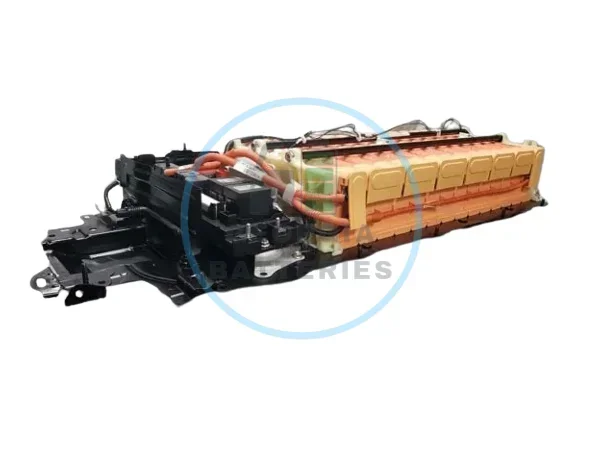
Before we talk about lifespan, it helps to understand what you are working with. The Toyota Highlander Hybrid uses a nickel-metal hydride (NiMH) battery pack in most models. Newer versions may use lithium-ion technology. Both types are designed for long-term use in hybrid powertrain systems.
The battery works alongside the gasoline engine. It stores energy recovered during braking and powers the electric motor at low speeds. This regenerative braking system is a key reason why hybrid vehicle batteries tend to outlast traditional car batteries. The battery never sits idle. It cycles charge and discharge regularly, which actually helps maintain its health.
What Type of Battery Does the Highlander Hybrid Use?
Most earlier Highlander Hybrid models use a NiMH battery pack. These are known for their durability and thermal stability. Newer models may feature a lithium-ion battery, which is lighter and more energy-dense. Both types are built specifically for hybrid applications. They are not the same as the lead-acid battery under your hood.
Toyota designs these packs to handle thousands of charge cycles. That is why they can last well over a decade of daily driving. The engineering behind Toyota hybrid technology is a big reason owners trust these vehicles for long-term use.
How the Hybrid Battery Works in Daily Driving
In everyday driving, the battery does more than you might think. It assists during acceleration. It powers the car at low speeds in electric-only mode. It also captures energy when you slow down or brake. This constant cycling keeps the battery active and healthy.
Unlike a conventional car battery that just starts the engine, the hybrid battery pack in a Highlander is always working. This continuous use actually prevents the sulfation and dormancy issues that plague standard car batteries. It is one of the hidden advantages of hybrid powertrain design.
How Long Does a Toyota Highlander Hybrid Battery Typically Last?
This is the big question. And the answer depends on several factors. But the general range gives most owners a solid baseline to work with.
Average Lifespan Under Normal Conditions
Under typical driving conditions, a Toyota Highlander Hybrid battery lasts about 8 to 10 years. In terms of mileage, most packs reach 100,000 to 150,000 miles before showing significant battery degradation. Some owners report even higher numbers. It really comes down to how you drive and where you live.
Toyota’s own data supports this range. The company stands behind its hybrid battery warranty for a reason. Most owners will never need a replacement during normal ownership. But as the vehicle ages, gradual capacity fade is normal and expected.
What the Warranty Covers
Toyota provides an 8-year or 100,000-mile hybrid battery warranty in most states. This covers defects in materials and workmanship. It does not cover normal wear and tear. However, if your battery fails due to a manufacturing defect within the warranty period, Toyota will replace it at no cost to you.
This warranty gives buyers real peace of mind. It also reflects Toyota’s confidence in its battery durability. If the battery were likely to fail early, the warranty terms would look very different.
Real-World Examples of Battery Longevity
Many Toyota Highlander Hybrid owners report their batteries lasting 12 to 15 years. Some have crossed the 200,000-mile mark with their original pack still going strong. These cases are not rare. They show what is possible when the battery is treated well.
On the other hand, some owners experience earlier battery fade, especially in harsh climates. Hot weather and extreme cold both take a toll. But even in these cases, the battery usually degrades slowly over time, not suddenly. You will have plenty of warning signs before a complete failure.
Factors That Affect Hybrid Battery Life
Not all hybrid battery life experiences are the same. Several factors influence how long your battery will actually last. Understanding these can help you make smarter decisions about driving and maintenance.
Driving Habits and Style
How you drive has a direct impact on battery health. Aggressive acceleration puts extra strain on the hybrid battery pack. Frequent hard braking can also affect the battery’s ability to hold a full charge over time. Smooth, steady driving is your best friend when it comes to longevity.
Here are some habits that help extend battery lifespan:
- Accelerate gently and smoothly
- Use cruise control on highways
- Avoid rapid starts and stops
- Let regenerative braking do the work
- Keep your speed steady within the flow of traffic
These small changes add up over thousands of miles. They reduce stress on every component of your hybrid powertrain, including the battery.
Climate and Temperature Extremes
Climate plays a bigger role than most people realize. Extreme heat accelerates chemical reactions inside the battery. Over time, this can cause faster battery degradation. On the flip side, prolonged exposure to freezing cold reduces the battery’s ability to accept a full charge.
If you live in a very hot or very cold area, your battery may show signs of wear earlier. But this does not mean failure is inevitable. Proper maintenance and smart charging habits can offset much of the climate-related wear.
Maintenance and Care Routine
Like any major component, your Toyota Highlander Hybrid battery benefits from regular attention. This does not mean complex servicing. It means staying on top of basic maintenance schedules and paying attention to warning signs.
Regular hybrid system check-ups are important. Toyota dealers can run diagnostics on your battery health during routine service visits. Catching small issues early prevents bigger problems later. If you want detailed guidance on maintaining your setup, check out our guide on how to keep your hybrid battery healthy.
Age and Mileage Accumulation
Time and mileage are the two most predictable factors. As your Highlander accumulates miles, the battery naturally experiences more charge cycles. Each cycle causes a tiny amount of capacity fade. Over many years, this adds up.
However, the rate of fade is usually very slow. Most owners will not notice a significant drop in performance until well past the 100,000-mile mark. And even then, the battery still functions. It just may not hold as much charge as it once did.
Charging and Energy Management
The way your Highlander manages its charge matters too. The regenerative braking system handles most of the charging automatically. You do not need to plug in a Toyota Highlander Hybrid like a plug-in hybrid. The system keeps the battery in an optimal charge range on its own.
That said, certain driving patterns can affect how efficiently the system charges the battery. For example, driving mostly in stop-and-go city traffic actually helps. The constant braking generates more energy for the battery. Highway driving at steady speeds is also efficient, though it relies more on the gasoline engine.
If you want to learn more about maximizing your battery’s longevity through smart charging habits, read our article on how to make your hybrid battery last longer.
Warning Signs That Your Hybrid Battery Is Failing
Catching battery problems early can save you from unexpected breakdowns and costly repairs. Your Highlander gives you several warning signs when the battery is wearing out. Knowing what to look for makes a big difference.
Reduced Fuel Economy
This is often the first sign. If you notice your fuel economy dropping significantly, the hybrid battery may be losing its ability to assist the engine effectively. A healthy hybrid battery allows the gasoline engine to run less often. When battery performance fades, the engine works harder and uses more fuel.
Keep track of your miles per gallon over time. A sudden or gradual decline is worth investigating. You can compare your current mileage against your historical averages to spot trends early.
Dashboard Warning Lights
The check engine light or a specific hybrid warning indicator may illuminate on your dashboard. These lights signal that the onboard diagnostics have detected an issue with the hybrid system. Do not ignore them. They are your first line of defense against bigger problems.
If you see a warning light, get your vehicle checked promptly. Many auto parts stores can read the diagnostic codes for free. This helps you understand whether the issue is battery-related or something else.
Unusual Engine Noises
A healthy hybrid system runs quietly in electric mode. If you start hearing strange sounds from the engine area, the battery might be struggling to provide sufficient power. The gasoline engine may kick on more frequently than normal to compensate for weak battery performance.
Listen for clicking, grinding, or whining sounds. These are not normal and warrant a professional inspection right away.
Reduced Electric-Only Driving Range
One of the great features of a Toyota Highlander Hybrid is the ability to drive on electric power alone at low speeds. If you notice this electric-only mode disappearing or becoming less frequent, your battery capacity is likely fading.
This is a gradual process. You might not notice it day to day. But over weeks and months, the change becomes clear. The car relies on the gasoline engine more and more as the battery weakens.
Battery State of Charge Fluctuations
If you pay attention to the hybrid battery indicator on your dashboard, you might notice unusual patterns. A healthy battery maintains a relatively stable charge range. If you see the charge bouncing between very low and very high, or if it drops unusually fast, the battery cells may be failing.
Not all Highlander models display a detailed battery gauge. But if yours does, make it a habit to glance at it occasionally. Patterns tell stories about battery health.
What to Do When Your Battery Needs Replacement
Eventually, every Toyota Highlander Hybrid battery will need replacement. The question is when, and what you should do about it. Here is what you need to know.
Replacement Cost Expectations
A new Toyota Highlander Hybrid battery typically costs between $2,000 and $4,000 for the parts alone. Labor adds another $500 to $1,500 depending on your location and dealer rates. That is a significant investment. But it is still less than replacing an entire vehicle.
Refurbished or rebuilt battery options can save you 30 to 50 percent. These are professionally restored battery packs that come with their own warranty. They are a cost-effective alternative for many owners.
Before you commit to a replacement, get quotes from multiple sources. Authorized Toyota dealers offer OEM replacements. Independent shops may offer certified refurbished options at lower prices. Compare carefully.
Can You Still Drive With a Failing Battery?
Yes, you can still drive a Toyota Highlander Hybrid with a degraded battery. The vehicle will rely more on the gasoline engine. You will lose the fuel economy benefits of the hybrid system. But the car remains drivable. It will not just stop on you.
However, driving with a severely degraded battery is not ideal. It puts extra strain on the gasoline engine and can lead to other issues over time. If you suspect your battery is failing, have it inspected as soon as possible.
If you are curious about what happens when the hybrid battery completely fails, our article on can you drive a Prius without the hybrid battery offers useful insights that apply to Highlander owners too.
When to Consider Selling or Trading In
If your Highlander is older and the battery needs replacement, you have options. A new battery can extend the vehicle’s life by another 5 to 10 years. But you should weigh the cost against the vehicle’s overall value. Sometimes trading in for a newer model makes more financial sense.
Use a tool to determine the actual cash value of your car before making a decision. This gives you a clear picture of what your Highlander is worth with and without a new battery.
Tips to Maximize Your Toyota Highlander Hybrid Battery Life
The best way to ensure long hybrid battery life is prevention. Small, consistent actions protect your battery for years to come. Here are the most effective tips.
Follow the Recommended Service Schedule
Toyota provides a detailed maintenance schedule for the Highlander Hybrid. Follow it. Regular inspections catch minor issues before they become major problems. The hybrid battery health check should be part of every service visit.
Avoid Fully Depleting the Battery
While the hybrid system manages charging automatically, you can still support battery health. Avoid driving patterns that regularly drain the battery to very low levels. This puts stress on the cells and accelerates battery degradation.
Keep the Battery Clean and Cool
Dirt and debris can trap heat around the battery pack. Periodically check that the battery cooling vents are clear. In hot weather, try to park in shaded areas when possible. Keeping the battery cool is one of the simplest ways to preserve its health.
Drive Gently and Consistently
We mentioned this earlier, but it bears repeating. Smooth driving is the single best thing you can do for your battery. Gentle acceleration, steady speeds, and relaxed braking all reduce the stress on the hybrid battery pack.
Address Warning Signs Immediately
Do not wait for a problem to get worse. If you notice reduced fuel economy, warning lights, or unusual noises, get your vehicle inspected right away. Early intervention often means a simple fix instead of a full replacement.
For additional insights on maintaining your hybrid system, our article on how do I keep my hybrid battery healthy provides even more actionable tips.
Common Mistakes That Shorten Hybrid Battery Life
Some habits quietly damage your Toyota Highlander Hybrid battery over time. Being aware of these mistakes helps you avoid them.
- Ignoring warning lights: Dashboard warnings are your early alert system. Dismissing them leads to bigger problems.
- Skipping regular maintenance: Skipping service visits means missing chances to catch battery issues early.
- Driving aggressively all the time: Constant hard acceleration and braking wear out the battery faster.
- Leaving the vehicle unused for long periods: Batteries degrade faster when they sit dormant for weeks or months.
- Overloading the vehicle: Extra weight forces the hybrid system to work harder, putting more demand on the battery.
If you want to learn how to spot signs of vehicle overload, check out our guide on how to tell if a van is overloaded. While it covers vans, the principles apply to any vehicle, including your Highlander.
Expert Insights on Hybrid Battery Longevity
Automotive experts agree on a few key points about Toyota Highlander Hybrid battery longevity. First, Toyota’s hybrid batteries are among the most reliable in the industry. The company has decades of experience refining its hybrid powertrain technology. Second, most battery failures are not sudden. They happen gradually over months or years. This gives owners plenty of time to plan and budget for a replacement.
Third, the warranty is your safety net. If your battery fails within the warranty period, Toyota covers the cost. After the warranty expires, you are on your own. That is why proactive maintenance and smart driving habits matter so much. They bridge the gap between warranty coverage and long-term ownership.
Finally, remember that the battery is just one component of a complex system. The electric motor, power control unit, and cooling system all work together. Taking care of the whole hybrid system keeps everything running smoothly, including the battery.
Conclusion
The Toyota Highlander Hybrid battery is built to last. Under normal conditions, you can expect 8 to 10 years of reliable service, or 100,000 to 150,000 miles. With good driving habits, regular maintenance, and attention to warning signs, many owners push that number even higher.
The battery is a strong component, but it is not indestructible. Climate, driving style, and age all play a role in how long it lasts. The good news is that you have more control over battery health than you might think. Small daily habits add up to big results over time.
Stay proactive. Watch for warning signs. Keep up with your service schedule. And if the day comes when replacement is necessary, you will be prepared. A well-maintained Toyota Highlander Hybrid will serve you well for many years to come.
Frequently Asked Questions
How long does a Toyota Highlander Hybrid battery last on average?
Most Toyota Highlander Hybrid batteries last between 8 and 10 years, or around 100,000 to 150,000 miles. With proper care, some owners report their original battery lasting 12 to 15 years or more. Driving habits, climate, and maintenance all influence the actual lifespan.
What is the warranty coverage for the Highlander Hybrid battery?
Toyota provides an 8-year or 100,000-mile hybrid battery warranty in most states. This warranty covers manufacturing defects but not normal wear and tear. If your battery fails due to a defect within the warranty period, Toyota will replace it at no cost to you.
Can I still drive my Highlander Hybrid if the battery starts to fail?
Yes, you can still drive the vehicle. The gasoline engine will take on more of the workload as the hybrid battery weakens. Fuel economy will decline, but the car remains operational. However, it is best to address battery issues promptly to avoid putting extra strain on the engine.
How much does it cost to replace a Toyota Highlander Hybrid battery?
A new battery typically costs between $2,000 and $4,000 for parts, with labor adding $500 to $1,500. Refurbished options can save you 30 to 50 percent. The total cost depends on your model year, location, and whether you choose OEM or aftermarket parts.
What are the first signs that my Highlander Hybrid battery is degrading?
The earliest signs include reduced fuel economy, dashboard warning lights, unusual engine noises, and a noticeable loss of electric-only driving capability. If you observe any of these symptoms, have your vehicle inspected by a qualified technician as soon as possible.
Does hot weather really damage the hybrid battery faster?
Yes, extreme heat accelerates battery degradation over time. High temperatures increase the rate of chemical reactions inside the battery cells, which can lead to faster capacity loss. Parking in shaded areas and keeping the battery cooling system well-maintained helps protect against heat-related damage.
=== INTERNAL LINKS USED ===
Internal Links: 4 links used