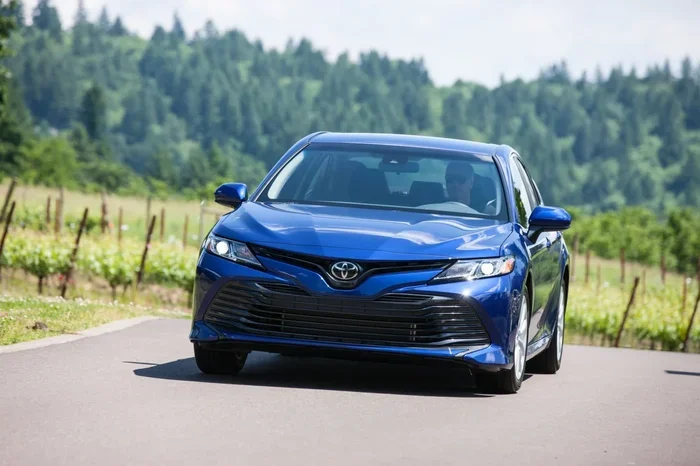
How Long Should a 2018 Toyota Camry Last on the Road
A well-maintained 2018 Toyota Camry can last between 200,000 and 300,000 miles or roughly 15 to 20 years on the road. The Camry is known for its reliability, strong build quality, and affordable maintenance costs. Regular oil changes, timely repairs, and smart driving habits play a huge role in extending your Camry’s life. Understanding what affects longevity helps you make smarter ownership decisions.
The 2018 Toyota Camry remains one of the most popular sedans on the road. Buyers love its sleek design, comfortable interior, and proven reliability. But one question keeps coming up from both new and used car shoppers: how long should a 2018 Toyota Camry last?
The short answer is impressive. With proper care, this Camry model can easily surpass 200,000 miles. Some owners have pushed their Camrys well past 300,000 miles. That kind of durability is exactly why the Camry has earned its reputation as a long-lasting family sedan.
In this guide, we break down everything you need to know about the 2018 Toyota Camry lifespan. We cover the factors that affect longevity, common problems to watch for, and practical tips to keep your Camry running strong for years to come. Whether you just bought one or are considering a used 2018 model, this article has you covered.
Key Takeaways
- High Mileage Potential: A 2018 Toyota Camry can comfortably reach 200,000 to 300,000 miles with proper care.
- Maintenance Is Everything: Following the recommended service schedule dramatically extends Camry lifespan.
- Common Issues Exist: Being aware of known 2018 Camry problems helps you address them early.
- Driving Habits Matter: Gentle driving, proper warm-ups, and avoiding overloading all contribute to longevity.
- Resale Value Holds Well: The Camry retains strong resale value even after many years of ownership.
- Hybrid Option Adds Value: The Camry Hybrid may offer even greater long-term reliability and fuel savings.
- Know When to Move On: Recognizing when repair costs outweigh the car’s value saves money and stress.
📑 Table of Contents
- Understanding the 2018 Toyota Camry Lifespan
- Key Factors That Affect How Long a Camry Lasts
- Common 2018 Toyota Camry Problems to Watch For
- Maintenance Schedule for Maximum Camry Longevity
- How to Make Your 2018 Camry Last Longer
- When to Consider Replacing Your 2018 Camry
- Final Thoughts on 2018 Toyota Camry Longevity
Understanding the 2018 Toyota Camry Lifespan
When we talk about how long a car lasts, we usually measure it in two ways: mileage and years. The 2018 Toyota Camry performs well on both fronts. Most automotive experts agree that a Camry can last between 15 and 20 years with regular maintenance. In terms of mileage, the average Toyota Camry longevity falls between 200,000 and 300,000 miles.
But these numbers are not set in stone. Several factors determine whether your specific Camry hits those high marks or falls short. Let us look at what really matters.
What the Manufacturer Says
Toyota built the 2018 Camry with a strong focus on durability. The company designs its vehicles to handle years of daily driving. Toyota also backs the Camry with a solid warranty package. The basic warranty covers 3 years or 36,000 miles. The powertrain warranty extends to 5 years or 60,000 miles. These warranties give owners peace of mind during the early years of ownership.
However, the warranty does not define the full lifespan. Many Camrys continue running long after the warranty expires. That is where owner care becomes critical.
How the 2018 Camry Compares to Other Years
The 2018 Camry sits in a strong position within the model line. Toyota made significant improvements to the Camry lineup starting in 2018. The eighth-generation Camry brought better build quality, improved fuel economy, and more refined styling. Compared to older models, the 2018 version benefits from updated engineering and modern components.
If you compare the 2018 Camry to models from the early 2000s, the difference is clear. Newer Camrys use better materials, more advanced manufacturing, and improved engine designs. This means the 2018 model has a strong foundation for a long life on the road.
Key Factors That Affect How Long a Camry Lasts
Not every 2018 Camry will reach 300,000 miles. The reality is that ownership habits, driving conditions, and maintenance routines all play a role. Here are the most important factors that determine how long your Camry will last.
Maintenance History
This is the single biggest factor. A Camry that receives regular oil changes, tire rotations, and timely repairs will outlast one that does not. Toyota recommends oil changes every 5,000 to 10,000 miles depending on driving conditions. Using the right Toyota Camry oil weight matters too. For most 2018 models, 5W-20 is the recommended grade. Some owners wonder if they can use 5W-30 instead. You can check our detailed guide on whether you can use 5W-30 instead of 5W-20 in your Toyota Camry for more details.
Beyond oil changes, other maintenance items matter:
- Transmission fluid changes every 60,000 miles
- Coolant flushes every 30,000 to 50,000 miles
- Brake pad replacements based on driving habits
- Timing belt inspection around 60,000 miles
- Spark plug replacements every 60,000 to 100,000 miles
Driving Habits
How you drive directly impacts your Camry’s lifespan. Aggressive acceleration, hard braking, and speeding put extra stress on the engine and transmission. Gentle driving reduces wear on all major components.
Cold starts also matter. Letting your Camry warm up for 30 to 60 seconds before driving helps the oil circulate properly. In cold climates, this simple habit can add years to your engine’s life. Similarly, avoiding sudden stops and starts reduces strain on the brakes and drivetrain.
Climate and Environmental Conditions
Where you live affects your car more than you might think. Cars driven in hot, humid climates face more stress on cooling systems and rubber components. Salt and road chemicals in northern states accelerate rust and corrosion. Extreme heat can degrade hoses, belts, and seals faster than normal.
If you live in a harsh climate, extra attention to maintenance becomes even more important. Regular washes help remove salt and grime. Checking hoses and belts more frequently catches problems early.
Fuel Quality
Using quality fuel helps keep your Camry’s engine clean and efficient. Toyota recommends 87 octane fuel for the 2018 Camry. While the engine can handle lower quality fuel occasionally, consistently using top-tier gasoline helps prevent carbon buildup. Clean fuel injectors and combustion chambers contribute to better performance over time.
Weight and Load Management
Every car has a weight limit. Overloading your Camry puts extra stress on the suspension, brakes, and engine. Understanding how much weight a regular car can carry helps you avoid unnecessary strain. The 2018 Camry has a payload capacity of around 850 to 1,000 pounds depending on the trim. Staying within these limits protects your vehicle long-term.
Common 2018 Toyota Camry Problems to Watch For
Even the most reliable cars develop issues over time. Knowing what to look for helps you address problems before they become expensive repairs. Here are the most common issues reported by 2018 Camry owners.
Transmission Concerns
The 2018 Camry uses an eight-speed automatic transmission. While Toyota improved this transmission over previous models, some owners have reported rough shifting or hesitation. Regular transmission fluid changes help prevent most of these issues. If you notice any unusual behavior, get it checked early.
Electrical Gremlins
Like many modern cars, the 2018 Camry can develop electrical issues. Some owners report problems with the infotainment system, power windows, or sensor malfunctions. Most of these are minor and inexpensive to fix. However, ignoring electrical issues can lead to bigger problems down the road.
Excessive Oil Consumption
A small number of 2018 Camry owners have noticed higher than normal oil consumption. This issue is not widespread, but it does happen. Checking your oil level regularly between changes helps you catch this early. If you need to add oil frequently, consult a mechanic to rule out leaks or burning issues.
Suspension Wear
The Camry’s suspension system handles thousands of miles of driving. Over time, shocks, struts, and bushings wear out. Signs of suspension problems include a rough ride, pulling to one side, or excessive bouncing. Addressing suspension issues promptly prevents further damage to tires and alignment.
Rust and Corrosion
While the 2018 Camry uses quality steel, rust can still develop in certain areas. The undercarriage, wheel wells, and door sills are common spots. Regular washing, especially in winter months, helps prevent rust from taking hold. Applying a rust inhibitor or undercoating adds extra protection.
Maintenance Schedule for Maximum Camry Longevity
Following a structured maintenance schedule is the best thing you can do for your 2018 Camry. Toyota provides a detailed service schedule in the owner’s manual. Here is a simplified overview of key maintenance milestones.
Every 5,000 to 10,000 Miles
- Oil and filter change
- Tire rotation
- Brake inspection
- Fluid level check
Every 15,000 to 30,000 Miles
- Air filter replacement
- Cabin air filter replacement
- Brake pad inspection
- Coolant level check
Every 30,000 to 60,000 Miles
- Transmission fluid change
- Coolant flush
- Spark plug replacement
- Fuel filter inspection
Every 60,000 to 100,000 Miles
- Timing belt inspection
- Major fluid flush (brake, differential)
- Suspension component check
- Full diagnostic scan
Sticking to this schedule keeps your Camry in top shape. It also helps you catch small problems before they turn into big expenses. Many owners find that preventive maintenance saves thousands of dollars over the life of the vehicle.
Quick Tips for Staying on Top of Maintenance
- Set calendar reminders for each service interval
- Keep a detailed maintenance log in your glove box
- Use genuine Toyota parts or high-quality aftermarket alternatives
- Find a trusted mechanic who knows Toyotas well
- Do not skip recommended services even if the car seems fine
How to Make Your 2018 Camry Last Longer
Beyond the basic maintenance schedule, there are several habits and strategies that can significantly extend your Camry’s life. Think of these as extra steps that take minimal effort but pay off big time.
Drive with Care
Gentle driving is the simplest way to reduce wear and tear. Avoid slamming the accelerator or braking hard. Smooth, predictable driving puts less stress on every component from the engine to the suspension. Over time, this adds up to significantly less wear.
Address Issues Immediately
Small problems become big problems fast. A tiny leak can become a major repair if ignored. Unusual noises, warning lights, or changes in performance should never be overlooked. Getting issues checked early saves money and keeps your Camry running reliably.
Keep It Clean
Regular washing protects the paint and undercarriage from corrosion. Interior cleaning prevents wear on seats and surfaces. A clean car also makes it easier to spot new dents, scratches, or fluid leaks. Waxing the exterior every few months adds a protective layer against UV damage and road debris.
Store It Properly
If you have a second vehicle or plan to store your Camry for an extended period, proper storage matters. Park in a covered area away from direct sunlight. Use a car cover to protect the exterior. If the car will sit for more than a month, disconnect the battery or use a trickle charger. You can also check our guide on how long a car can safely sit in cold weather for helpful storage tips.
Keep Detailed Records
Maintenance records are valuable for two reasons. First, they help you track what services have been done and when the next service is due. Second, a complete service history boosts resale value. Buyers pay more for well-documented vehicles because it shows the car was cared for properly.
Consider Extended Warranty or Maintenance Plans
If you bought your 2018 Camry new, you might still have coverage options available. Extended warranties can cover repairs after the factory warranty expires. Some Toyota dealerships offer maintenance plans that cover scheduled services at a fixed cost. These options provide financial protection and help you stay consistent with upkeep.
Use Quality Parts and Fluids
Cheap parts and low-quality fluids might save money upfront, but they cost more in the long run. Using genuine Toyota parts or reputable aftermarket alternatives ensures proper fit and performance. Quality synthetic oils, coolants, and transmission fluids protect vital components and extend their lifespan.
When to Consider Replacing Your 2018 Camry
Even with the best care, every car eventually reaches a point where replacement makes more sense than continued repair. Knowing when that point is helps you make a smart financial decision.
Signs It Might Be Time
Watch for these warning signs that your Camry may be nearing the end of its useful life:
- Repair costs exceed the car’s current value
- Major engine or transmission failure requiring expensive work
- Frequent breakdowns despite regular maintenance
- Significant rust or structural damage
- Safety features are outdated or non-functional
- Fuel economy has dropped significantly
The Cost of Ownership
As a Camry ages, maintenance costs tend to increase. Newer vehicles also offer better fuel economy, advanced safety features, and improved technology. Weighing these factors helps you decide whether to keep your current Camry or invest in a newer model.
If you are considering your options, understanding how to determine the actual cash value of a car helps you make an informed decision. Knowing what your Camry is worth on the market gives you leverage in trade-in negotiations or private sales.
Can a 2018 Camry Last 400,000 Miles?
Reaching 400,000 miles is rare but not impossible. It requires exceptional care, ideal driving conditions, and a bit of luck. Most 2018 Camrys will comfortably reach the 200,000 to 300,000 mile range. If you dream of pushing past 300,000 miles, focus on consistent maintenance and gentle driving habits.
Final Thoughts on 2018 Toyota Camry Longevity
The 2018 Toyota Camry is a dependable, long-lasting sedan that can serve you well for many years. Its combination of strong build quality, affordable maintenance, and proven reliability makes it one of the best choices in the midsize sedan segment.
By following the maintenance schedule, driving carefully, and addressing issues promptly, you give your Camry the best chance of reaching 200,000 miles or more. The key is consistency. Small efforts done regularly compound into years of reliable service.
Whether you are a first-time Camry owner or a longtime fan, the 2018 model offers everything you need for a long, satisfying ownership experience. Take care of it, and it will take care of you for many miles to come.
Frequently Asked Questions
How many miles can a 2018 Toyota Camry last?
With proper maintenance and care, a 2018 Toyota Camry can last between 200,000 and 300,000 miles. Some well-maintained Camrys have been reported to reach even higher mileage. Regular oil changes, timely repairs, and gentle driving habits all contribute to reaching these high mileages.
Is the 2018 Toyota Camry a reliable car?
Yes, the 2018 Toyota Camry is widely regarded as one of the most reliable sedans on the market. Toyota has built a strong reputation for durability and low repair costs. The 2018 model benefits from improved engineering compared to earlier generations, making it a solid choice for long-term ownership.
What is the average lifespan of a Toyota Camry?
The average lifespan of a Toyota Camry ranges from 15 to 20 years. This translates to roughly 200,000 to 300,000 miles depending on driving conditions, maintenance, and owner habits. The Camry consistently ranks among the longest-lasting vehicles in its class.
How often should I change the oil in my 2018 Toyota Camry?
Toyota recommends changing the oil in a 2018 Camry every 5,000 to 10,000 miles. The exact interval depends on your driving conditions and the type of oil you use. Synthetic oils typically allow for longer intervals between changes. Always check your owner’s manual for the manufacturer’s specific recommendation.
Can a 2018 Toyota Camry last 400,000 miles?
While it is rare, a 2018 Toyota Camry can potentially last 400,000 miles with exceptional care and maintenance. This requires consistent upkeep, gentle driving, and prompt attention to any issues. Most Camrys will comfortably reach 200,000 to 300,000 miles, which is already an impressive lifespan for any vehicle.
What maintenance does a 2018 Camry need to last long?
To maximize the lifespan of your 2018 Camry, follow the recommended maintenance schedule including regular oil changes, transmission fluid flushes, coolant flushes, brake inspections, and spark plug replacements. Using quality parts and fluids, driving gently, and addressing issues promptly all play a crucial role in extending your Camry’s life. Consistent care is the single most important factor in how long your Camry will last on the road.