How Long Can a Toyota Highlander Go Without an Oil Change
Most Toyota Highlanders can go between 7,500 and 10,000 miles without an oil change when using full synthetic oil and driving under normal conditions. However, factors like towing, extreme temperatures, and stop-and-go traffic can shorten that interval significantly. Understanding your specific model year and driving habits is the key to keeping your engine healthy.
Every Toyota Highlander owner wants to know one simple thing: how long can you really push the limits before that oil change becomes urgent? The answer is not as straightforward as a single number on a sticker. Your driving style, your model year, and the type of oil you use all play a role.
In this guide, we will break down everything you need to know about the Toyota Highlander oil change interval. We will cover what the manufacturer recommends, how your driving habits affect the timeline, and the warning signs that tell you it is time to take action. Whether you drive a 2015 Highlander or a brand-new 2024 model, this article has you covered.
Let us start with the basics. The Toyota Highlander is a reliable SUV built for families and adventurers alike. It handles towing, road trips, and daily commutes with ease. But like any vehicle, it needs regular maintenance to keep running smoothly. Oil is the lifeblood of your engine, and skipping changes can lead to serious damage over time.
Key Takeaways
- Standard Interval: Most newer Toyota Highlanders can go 7,500 to 10,000 miles between oil changes with synthetic oil.
- Older Models: Pre-2010 Highlanders typically need oil changes every 5,000 to 7,500 miles.
- Driving Conditions Matter: Towing, extreme heat, cold starts, and dusty roads reduce your oil change interval.
- Oil Life Monitor: Your Highlander has a built-in system that tracks driving habits and alerts you when it is time for a change.
- Warning Signs: Dark oil, engine noise, and the wrench light are clear signals that your oil needs attention.
- DIY or Professional: You can change the oil yourself or visit a Toyota dealer or independent shop.
- Warranty Protection: Sticking to the recommended maintenance schedule helps protect your Toyota warranty.
📑 Table of Contents
- Toyota Highlander Oil Change Intervals by Model Year
- What Affects Your Oil Change Interval?
- Understanding Your Toyota Highlander Oil Life Monitor
- Signs Your Toyota Highlander Needs an Oil Change Sooner
- Types of Oil for Toyota Highlander
- Can You Drive a Toyota Highlander Without a Key Fob?
- How to Change Your Toyota Highlander Oil at Home
- How Much Does a Toyota Highlander Oil Change Cost?
- Expert Insights on Toyota Highlander Oil Maintenance
- Common Mistakes to Avoid
- How Oil Quality Degrades Over Time
- Toyota Highlander Oil Change and Warranty Coverage
- Final Thoughts on Toyota Highlander Oil Changes
Toyota Highlander Oil Change Intervals by Model Year
The recommended oil change interval depends heavily on what year your Highlander was made. Toyota has updated its guidelines over the years as engine technology and oil formulations have improved. Here is a breakdown of what to expect.
2010 and Newer Models
If you own a Toyota Highlander from 2010 or later, you are in luck. Toyota switched to recommending longer intervals for these models. With full synthetic oil, most 2010 and newer Highlanders can go 7,500 to 10,000 miles between changes. This is a significant jump from older models.
These newer engines are designed to work with synthetic blend or full synthetic oil. The improved oil formulations last longer and protect better under high temperatures. If you use the recommended 0W-20 or 5W-30 viscosity, your oil will maintain its properties for the full interval.
2005 to 2009 Models
For Highlanders from 2005 to 2009, the standard recommendation is closer to 5,000 to 7,500 miles. These older engines were designed with conventional oil in mind. While you can still use synthetic oil in these models, the interval may not extend as far as it does on newer engines.
Many owners of these older models find that driving in harsh conditions means sticking closer to the 5,000-mile mark. It is better to be safe than sorry when it comes to protecting an aging engine.
Pre-2005 Models
If your Highlander predates 2005, you should plan on changing the oil every 3,000 to 5,000 miles. These older engines have simpler designs and benefit from more frequent oil changes. The oil breaks down faster in these engines, especially if you drive in stop-and-go traffic or hot climates.
What Affects Your Oil Change Interval?
Not all driving is created equal. Toyota recognizes this, which is why they categorize driving into two types: normal and severe. Understanding which category you fall into can change your oil change schedule significantly.
Normal Driving Conditions
Normal driving means you are mostly cruising on highways at steady speeds. You are not dealing with extreme temperatures, and your trips are longer than ten minutes. If this sounds like your daily routine, you can likely stick to the upper end of the recommended interval.
Severe Driving Conditions
Severe conditions include any of the following:
- Short trips under five miles, especially in cold weather.
- Stop-and-go traffic during rush hour.
- Towing a trailer or carrying heavy loads.
- Driving in extreme heat or cold.
- Dusty or gravel roads that expose the engine to debris.
- Idling for long periods without moving.
If you regularly experience any of these conditions, you should shorten your oil change interval by about 25 to 50 percent. That means changing your oil every 3,750 to 5,000 miles even if your Highlander is a newer model.
Understanding Your Toyota Highlander Oil Life Monitor
Most Toyota Highlanders come equipped with an oil life monitoring system. This smart feature tracks your driving habits and calculates when your oil needs replacing. It is not based solely on mileage. Instead, it considers factors like engine temperature, driving duration, and idle time.
When the system determines your oil is nearing the end of its useful life, it will display a message on your dashboard. Many owners wonder if they can ignore this message or reset it without actually changing the oil. The answer is no. The oil life monitor is designed to protect your engine. Ignoring it can lead to premature wear.
Some drivers also ask whether the wrench light on their dashboard means the same thing. The wrench light is Toyota’s maintenance reminder, and it often illuminates alongside the oil life monitor. To learn more about what the wrench light means, check out our guide on does the wrench light mean an oil change.
Resetting the oil life monitor after an oil change is simple. In most Highlanders, you hold the trip button on the instrument cluster until the display resets. Always refer to your owner’s manual for the exact steps for your model year.
Signs Your Toyota Highlander Needs an Oil Change Sooner
Even if your oil life monitor has not triggered, there are clear signs that your oil is wearing out. Catching these early can prevent engine damage and costly repairs.
Dark or Dirty Oil
New oil is amber or golden in color. As it ages, it darkens. Pull out your dipstick and check the color. If the oil looks very dark brown or black, it is time for a change. Clean oil should flow smoothly and not feel gritty between your fingers.
Engine Noise and Knocking
Oil lubricates the internal components of your engine. When oil gets old, it loses its ability to reduce friction. You may notice a ticking or knocking sound when you start the engine. This is a clear sign that the oil is no longer providing adequate protection.
Reduced Fuel Efficiency
Old oil creates more friction inside the engine. This means your engine has to work harder, which burns more fuel. If you notice your fuel economy dropping without any other explanation, your oil might be the culprit.
Check Engine or Oil Pressure Warning Light
If your oil pressure drops too low, the warning light on your dashboard will illuminate. This is a serious signal. Pull over safely and check your oil level immediately. Low oil can cause catastrophic engine failure if you keep driving. If you need help understanding what the check engine light means, read our article on how to clear a check engine code.
Types of Oil for Toyota Highlander
Not all oil is the same, and choosing the right type matters for your Highlander’s longevity. Here is a quick look at your options.
| Oil Type | Typical Interval | Best For |
|---|---|---|
| Conventional Oil | 3,000 to 5,000 miles | Older models, budget-conscious owners |
| Synthetic Blend | 5,000 to 7,500 miles | Moderate driving, mixed conditions |
| Full Synthetic Oil | 7,500 to 10,000 miles | Newer models, extreme conditions |
Full synthetic oil is the best choice for most Toyota Highlanders. It offers superior protection, lasts longer, and performs well in both hot and cold temperatures. Toyota recommends 0W-20 synthetic oil for most recent Highlander models. Always check your owner’s manual to confirm the correct viscosity for your specific year.
You might also hear about high mileage oil. This is a specialized formula designed for vehicles with over 75,000 miles. It contains additives that help seal gaps in older engine components and reduce oil burn-off. If your Highlander has higher mileage, high mileage oil is worth considering.
Can You Drive a Toyota Highlander Without a Key Fob?
While this might seem unrelated to oil changes, it is a common question among Highlander owners. The answer is yes, you can drive your Toyota Highlander without a key fob in most cases, but it depends on your model year and the situation. This is just one of the many maintenance and operational questions owners have about their Highlanders.
What connects oil changes to key fob questions is the broader picture of vehicle ownership. Keeping your Highlander running well means staying on top of all maintenance tasks, from oil changes to battery replacements. A well-maintained Highlander is a reliable Highlander, whether you have your key fob or not.
How to Change Your Toyota Highlander Oil at Home
If you are a hands-on owner, you can change your Highlander’s oil yourself. It saves money and gives you peace of mind knowing the job was done right. Here is a step-by-step overview.
- Gather your supplies: You need the correct oil (usually 0W-20 synthetic), a new oil filter, an oil filter wrench, a drain pan, and a jack or ramps.
- Warm up the engine: Run the engine for a few minutes. Warm oil drains faster and more completely.
- Lift the vehicle: Use a jack or drive onto ramps. Make sure the vehicle is secure.
- Drain the old oil: Locate the oil drain plug underneath the engine. Place the drain pan beneath it and remove the plug. Let the oil flow out completely.
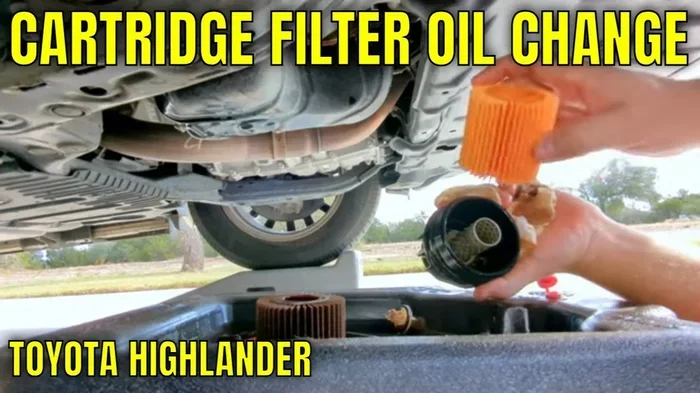
- Replace the oil filter: Use the oil filter wrench to remove the old filter. Apply a thin layer of new oil to the rubber gasket on the new filter, then screw it in by hand.
- Add new oil: Replace the drain plug and pour in the new oil through the oil fill cap on top of the engine. Use the amount specified in your owner’s manual.
- Check the level: Wait a few minutes for the oil to settle, then pull the dipstick and verify the level is between the minimum and maximum marks.
- Reset the oil life monitor: Follow the steps in your owner’s manual to reset the maintenance reminder.
Always dispose of your old oil properly. Most auto parts stores and service centers accept used oil for recycling. Never pour it down the drain or onto the ground.
How Much Does a Toyota Highlander Oil Change Cost?
The cost of an oil change varies depending on where you go and what type of oil you use. At a Toyota dealer, you can expect to pay between $65 and $125 for a standard oil change. Independent shops often charge less, sometimes as low as $40 to $80.
If you do it yourself, the cost drops significantly. A quart of synthetic oil runs about $15 to $25, and a quality oil filter costs around $10 to $15. A full oil change DIY kit for a Highlander typically runs $50 to $80 total. Over time, doing it yourself can save you hundreds of dollars.
Keep in mind that skipping oil changes will cost you far more in the long run. Old oil leads to engine wear, which can result in repairs costing thousands of dollars. Staying on top of your oil changes is one of the cheapest and most effective ways to protect your investment.
Expert Insights on Toyota Highlander Oil Maintenance
Automotive experts agree that consistency is the most important factor in oil maintenance. Do not wait for the oil life monitor to flash before you take action. If you know you are nearing the recommended mileage, schedule your oil change proactively.
Experts also emphasize the importance of using the correct oil specification. Toyota specifies certain performance standards for the oil used in Highlanders. Using oil that does not meet these specifications can reduce engine protection and potentially void your warranty. Always look for the API SN or SP rating on the oil bottle, and confirm it meets Toyota’s requirements.
Another expert tip is to always check your oil level between changes. Even the best oil can leak or burn off over time. A quick check once a week takes only a minute and can alert you to problems before they become serious.
Common Mistakes to Avoid
- Ignoring the oil life monitor: The system is there for a reason. Resetting it without changing the oil is a recipe for engine damage.
- Using the wrong oil viscosity: Always follow Toyota’s recommendation for your specific model year.
- Overlooking the oil filter: A clogged oil filter restricts oil flow and reduces engine protection. Always replace it with every oil change.
- Waiting for warning signs: By the time you notice engine noise or dark oil, damage may already be occurring.
- Skipping oil changes during warranty coverage: Failing to maintain your oil change schedule can void your Toyota warranty.
How Oil Quality Degrades Over Time
Oil does not just get dirty. It actually loses its chemical properties over time. Even if you do not drive many miles, oil degrades due to heat exposure and moisture accumulation inside the engine. This is why Toyota recommends changing oil at least twice a year, even if you have not hit the mileage interval.
Oxidation breaks down the additives in synthetic oil that protect against wear, corrosion, and sludge formation. The longer oil sits in the engine, the less effective it becomes. This is especially true for vehicles that sit unused for long periods or take only short trips where the engine never fully reaches operating temperature.
If you are someone who drives infrequently, set a calendar reminder to change your oil every six months. Your engine will thank you for it.
Toyota Highlander Oil Change and Warranty Coverage
If your Highlander is still under warranty, staying current with oil changes is critical. Toyota’s warranty covers many engine components, but it requires you to follow the maintenance schedule outlined in the owner’s manual. Missing oil changes or failing to keep records can give Toyota grounds to deny a warranty claim.
Keep a log of every oil change you perform or have performed. Record the date, mileage, type of oil used, and the name of the service provider. This documentation can be invaluable if you ever need to make a warranty claim.
Final Thoughts on Toyota Highlander Oil Changes
The Toyota Highlander is a durable and reliable SUV that can go a long time between oil changes when properly maintained. Most models can handle 7,500 to 10,000 miles with synthetic oil under normal driving conditions. But remember, your specific driving habits and conditions play a huge role in determining the actual interval.
Stay proactive about your maintenance. Watch for the warning signs, use the right oil, and do not ignore your oil life monitor. A little effort today saves you from major engine repairs tomorrow. Your Highlander is built to last, and regular oil changes are one of the simplest ways to ensure it keeps running strong for years to come.
Whether you change the oil yourself or visit a professional, the most important thing is that you do it on schedule. Your engine is the heart of your vehicle, and clean oil is what keeps it beating strong.
Frequently Asked Questions
How many miles can a Toyota Highlander go without an oil change?
Most modern Toyota Highlanders can go between 7,500 and 10,000 miles without an oil change when using full synthetic oil and driving under normal conditions. Older models may need changes more frequently, around 5,000 to 7,500 miles. Always check your owner’s manual for the exact recommendation for your model year.
What happens if you go too long without an oil change on a Toyota Highlander?
Going too long without an oil change causes the oil to break down and lose its lubricating properties. This leads to increased friction, overheating, and accelerated engine wear. In severe cases, it can cause engine failure. The oil life monitor and warning lights are designed to help you avoid this scenario.
Can I use conventional oil instead of synthetic in my Toyota Highlander?
Yes, you can use conventional oil, but it will need to be changed more frequently, typically every 3,000 to 5,000 miles. Synthetic oil lasts longer and provides better protection, especially under extreme driving conditions. For the best performance and engine longevity, full synthetic oil is the recommended choice.
Does the Toyota Highlander oil life monitor reset automatically after an oil change?
No, the oil life monitor does not reset automatically. You need to manually reset it after completing an oil change. The process usually involves holding a button on the instrument cluster or following specific steps in the steering wheel controls. Refer to your owner’s manual for the exact procedure.
Is it okay to change oil every 10,000 miles on a Toyota Highlander?
For newer Highlanders using full synthetic oil and driving under normal conditions, 10,000 miles is within the acceptable range. However, if you drive in severe conditions like towing, extreme heat, or heavy stop-and-go traffic, you should shorten the interval to around 5,000 to 7,500 miles to protect your engine.
How can I tell if my Toyota Highlander needs an oil change right now?
Check the color and consistency of the oil on your dipstick. Dark brown or black oil that feels gritty is overdue for a change. Listen for engine knocking or ticking noises, and watch for the oil pressure warning light or wrench light on your dashboard. These are all signs that you need an oil change immediately.
=== CONCLUSION ===
The Toyota Highlander oil change interval is one of the most important maintenance tasks you can stay on top of. Whether your Highlander is a new model or an older one, regular oil changes keep your engine running smoothly and extend the life of your vehicle. Stick to the recommended schedule, use the right type of oil, and pay attention to the warning signs your vehicle gives you. Your Toyota Highlander will reward you with years of reliable performance.