How Does a Toyota Prius Start Everything You Need to Know
A Toyota Prius starts differently than a traditional car. Instead of turning a key, you press a start button while holding the brake pedal. The hybrid system uses both a 12-volt auxiliary battery and a hybrid battery to power the electric motor and engine, making the Prius start process unique and efficient.
Have you ever stood in front of a Toyota Prius and wondered how on earth it starts? Unlike most cars you have driven, the Prius does not have a traditional key ignition. There is no turning of a key, no grinding engine sound, and no familiar rumble right away. Instead, the process is smooth, quiet, and a little bit futuristic.
How does a Toyota Prius start is a question many new Prius owners ask. The answer lies in the clever hybrid technology Toyota has built into every Prius model. Whether you drive a standard Prius or a Prius Prime, the starting process follows a similar path. But there are important details you need to know. This guide walks you through every step of the Toyota Prius start process, common problems, and tips to keep your car running strong.
The Prius is a hybrid vehicle that uses two power sources. It has a gasoline engine and an electric motor. When you start the car, the system decides which power source to use first. Usually, it starts with the electric motor. This is why a Prius starts so quietly compared to a regular car. Understanding this process helps you appreciate the smart engineering behind every Toyota hybrid start.
Key Takeaways
- No Traditional Key Turn: The Prius uses a push-button start system with a smart key fob.
- Two Battery Systems: A 12-volt battery and a hybrid battery work together to start the car.
- Step-by-Step Process: Press the brake, hit the start button, and the hybrid system takes over.
- Common Issues Exist: Dead 12-volt battery, faulty smart key, or hybrid battery problems can prevent starting.
- Hybrid Start Is Quiet: The Prius starts with the electric motor first, making it nearly silent.
- Regular Maintenance Matters: Keeping both battery systems healthy ensures reliable starts every time.
📑 Table of Contents
- How Does a Toyota Prius Start? The Basics
- The Step-by-Step Starting Process
- Common Toyota Prius Starting Problems
- How to Start a Prius With a Dead Hybrid Battery
- Tips for Keeping Your Prius Starting Reliably
- How the Prius Starting Process Compares to Other Toyota Models
- Expert Insights on the Toyota Prius Starting System
- Final Thoughts
How Does a Toyota Prius Start? The Basics
At its core, the Prius starting process is simple. But beneath the surface, a lot is happening. Let us break down the basic steps of how a Toyota Prius ignition works.
The Push-Button Start System
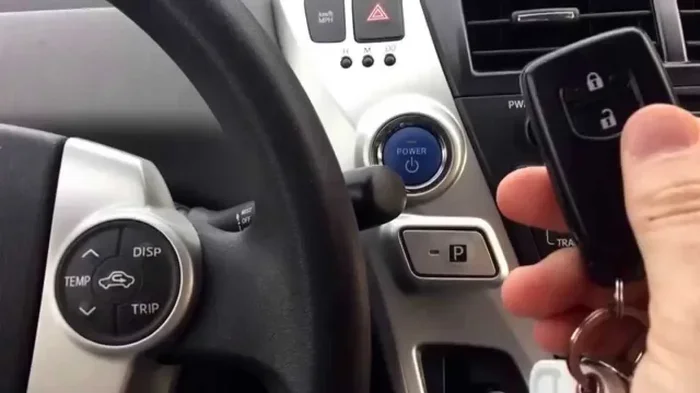
Every Toyota Prius comes with a push-button start. You will find this button on the dashboard or center console. To start the car, you simply press this button. But you cannot just press it and go. You need to have the smart key fob inside the vehicle. The car reads the fob and confirms it is you before allowing the engine to start.
This smart key system is part of Toyota’s keyless entry and ignition technology. It is convenient and secure. You do not need to fumble with keys in the dark or worry about locking them inside the car. The fob communicates with the car using a low-frequency signal. When the car detects the fob is nearby, it unlocks the doors and allows the engine to start.
The Role of the 12-Volt Battery
Every Toyota Prius has a traditional 12-volt battery. This battery powers the car’s electronics. It also powers the hybrid system when you first turn the car on. When you press the start button, the 12-volt battery sends power to the hybrid control unit. This unit then wakes up the hybrid battery and prepares the system for driving.
The 12-volt battery is smaller than the one in a regular car. It does not need to crank a heavy engine. Instead, it just needs to activate the hybrid system. This is one reason the Prius is so energy-efficient. The 12-volt battery plays a small but critical role in the starting process.
The Hybrid Battery Takes Over
Once the 12-volt battery activates the system, the hybrid battery takes over. This is a high-voltage battery pack that powers the electric motor. The electric motor spins first, and then the gasoline engine may or may not start right away. In many cases, the Prius can drive a short distance on electric power alone. This is called EV mode.
The hybrid battery is rechargeable. It charges itself through regenerative braking. When you lift your foot off the accelerator or press the brake, the electric motor acts as a generator. It captures energy and stores it back in the hybrid battery. This clever system means you rarely need to plug in a Prius, unless you have a Prius Prime which supports external charging.
The Step-by-Step Starting Process
Now that you understand the basic components, let us walk through the exact steps of starting a Toyota Prius. Whether you are in a parking lot or getting ready for your morning commute, the process is the same.
Step 1: Get Inside and Sit Down
Open the door and sit in the driver seat. Make sure you have the smart key fob with you. The car will not start if it cannot detect the fob. Keep the fob in your pocket, purse, or wallet. The car has a backup location for the fob if the battery inside the fob is weak. Check your owner manual for the exact backup spot.
Step 2: Press the Brake Pedal
This is the most important step. You must press the brake pedal firmly before pressing the start button. The brake pedal signal tells the car you are ready to start. Without pressing the brake, the Prius will not start. This is a safety feature built into every Toyota hybrid vehicle.
Step 3: Press the Start Button
With your foot on the brake, press the start button once. You will hear a gentle click or hum. The dashboard lights will come on, and the hybrid system will initialize. Within a few seconds, the Toyota Prius start sequence is complete. The ready light on the dashboard will turn on, indicating the car is ready to drive.
You do not need to wait for the engine to rumble. The Prius is ready to go as soon as the ready light appears. You can release the brake and press the accelerator gently. The electric motor will engage first, and the gasoline engine will start when more power is needed.
Step 4: Select Your Drive Mode
Most Prius models have a gear selector with options like Park, Reverse, Neutral, and Drive. Move the selector to Drive. The car is now ready to move. Some newer Prius models use a push-button gear selector, which works similarly but takes up less space on the console.
Common Toyota Prius Starting Problems
Even though the Prius is known for reliability, starting problems can happen. Understanding these issues helps you troubleshoot quickly and avoid frustrating situations.
Dead 12-Volt Battery
The most common reason a Prius will not start is a dead 12-volt battery. This battery powers the car’s computer systems and the hybrid startup sequence. If the 12-volt battery dies, the hybrid battery cannot activate. You will see warning lights on the dashboard, and the car will not start.
To fix this, you can jump start a Prius using another vehicle or a portable jump starter. If you want to learn more about this process, check out our guide on Can You Jump Start A Prius. It covers the exact steps and safety precautions you need to follow.
Faulty Smart Key Fob
If the smart key fob battery is dead, the car cannot read the fob. The doors might not unlock, and the start button will not work. You can replace the fob battery yourself. The battery type is usually a CR2032 coin cell. You can also hold the fob directly against the start button. This allows the car to read the fob through direct contact as a backup.
Hybrid Battery Failure
A failing hybrid battery can prevent the Prius from starting properly. You might notice warning lights, reduced power, or the car going into a limp mode. Hybrid batteries last many years, but they do degrade over time. If you suspect a hybrid battery issue, have a certified Toyota technician inspect the car. You can also learn more about driving a Prius with a dead hybrid battery in our article on Can You Drive A Prius Without The Hybrid Battery.
Check Engine Light and Starting Issues
Sometimes a check engine light can signal a starting problem. The light comes on when the car’s computer detects an issue. This could be related to the hybrid system, sensors, or emissions components. If you see a check engine light and the car struggles to start, it is best to read the error codes. You can clear some codes yourself, but a professional diagnosis is always recommended for complex issues.
How to Start a Prius With a Dead Hybrid Battery
What happens if the hybrid battery is completely dead? Can you still start the car? The short answer is no, not in the traditional sense. The hybrid battery is essential to the Prius starting process. Without it, the electric motor cannot spin, and the gasoline engine cannot start.
However, there are some workarounds. If the hybrid battery has a partial charge, the car might start in a limited mode. If the battery is completely dead, you will need to have it replaced or recharged by a professional. Toyota dealerships have the equipment to diagnose and replace hybrid batteries safely.
Some owners wonder if they can use a portable battery pack or a Tesla charging station to jump-start a Prius Prime. While the Prius Prime supports external charging, it is not designed to be jump-started from another EV charger. Always follow Toyota’s recommended procedures for hybrid battery issues.
Tips for Keeping Your Prius Starting Reliably
A well-maintained Prius starts every time. Follow these simple tips to keep your Toyota Prius ignition system in top shape.
Replace the 12-Volt Battery Every 3 to 5 Years
The 12-volt battery wears out over time. Most last between three and five years. If you notice slow dashboard lights or a weak start, have the battery tested. Replacing it before it dies completely prevents unexpected breakdowns.
Keep the Smart Key Fob Battery Fresh
Replace the fob battery once a year or when you notice reduced range. A fresh battery ensures the car always reads your fob. Carry a spare battery in your glove box for emergencies.
Drive Regularly to Keep the Hybrid Battery Charged
The hybrid battery stays healthy when you drive regularly. If the car sits unused for long periods, the battery can drain. Try to drive your Prius at least once a week for 20 to 30 minutes. This keeps the hybrid system active and the battery in good condition.
Watch for Warning Lights
Do not ignore dashboard warning lights. The hybrid system warning light, check engine light, and battery light all provide early signals of potential problems. Address these issues quickly to prevent bigger repairs.
Keep the Software Updated
Toyota releases software updates for the hybrid system. These updates can improve starting performance and fix known bugs. Ask your dealer about available updates during regular service visits.
How the Prius Starting Process Compares to Other Toyota Models
The Prius starting process is unique among Toyota vehicles. Let us compare it to a few other models to see how it differs.
- Toyota Camry: The Camry uses a traditional key ignition or push-button start, but it does not have a hybrid battery system. The starting process is simpler and relies only on the 12-volt battery and starter motor.
- Toyota Highlander: The Highlander Hybrid uses a similar hybrid start system to the Prius. It also has a push-button start and dual battery systems. The main difference is the size of the hybrid battery and the number of electric motors.
- Toyota RAV4 Hybrid: The RAV4 Hybrid follows the same starting sequence as the Prius. The electric motor spins first, and the gasoline engine engages as needed.
Across all Toyota hybrid models, the starting process follows the same basic principles. The 12-volt battery activates the hybrid system, and the hybrid battery powers the electric motor. This consistency is part of what makes Toyota hybrid vehicles so reliable.
Expert Insights on the Toyota Prius Starting System
Toyota engineers designed the Prius starting system to be as simple as possible. The fewer moving parts involved in starting, the fewer things can go wrong. The push-button start eliminates the traditional starter motor, which is one of the most common failure points in regular cars.
The hybrid system also reduces wear on the 12-volt battery. Because the electric motor handles the initial power delivery, the 12-volt battery does not need to work as hard. This contributes to the long lifespan of the Prius and the low maintenance costs associated with the vehicle.
If you are interested in learning more about how Toyota hybrid systems work, or if you are considering purchasing a Prius, understanding the starting process gives you a solid foundation. The Toyota Prius start is a marvel of modern engineering that combines simplicity with advanced technology.
Final Thoughts
How does a Toyota Prius start is a question with a satisfying answer. The process is quiet, efficient, and smart. From the moment you press the brake to the time the ready light turns on, every step is designed with precision. The two-battery system, the push-button start, and the hybrid technology all work together to give you a seamless experience every time you get behind the wheel.
Keep your 12-volt battery and smart key fob in good condition, and your Prius will start reliably for years to come. If you ever face a starting issue, now you know the common causes and how to address them. The Prius is a remarkable car, and understanding how it starts is the first step to truly appreciating everything it has to offer.
For more information about Toyota vehicles and their features, explore our other guides. Whether you are curious about the Prius hybrid system or want to learn about other Toyota models, we have you covered. Stay informed, stay prepared, and enjoy the drive.
Frequently Asked Questions
Can You Jump Start a Toyota Prius?
Yes, you can jump start a Prius, but the process is different from a regular car. The Prius has both a 12-volt battery and a hybrid battery. You need to connect jumper cables to the 12-volt battery terminals under the hood. Always follow the correct polarity to avoid damage. For detailed steps, refer to our guide on jump starting a Prius.
What Happens If the Prius Smart Key Fob Battery Dies?
If the smart key fob battery dies, the car will not detect the fob and will not start. You can replace the battery yourself or hold the fob directly against the start button as a backup method. The backup location for the fob is usually printed on the start button or in the owner manual.
How Long Does It Take for a Toyota Prius to Start?
The Prius starts almost instantly. Once you press the brake and hit the start button, the hybrid system activates within a few seconds. The ready light will appear on the dashboard, and the car is ready to drive. There is no cranking or waiting involved.
Can a Prius Start Without the Hybrid Battery?
No, a Prius cannot start without a functioning hybrid battery. The hybrid battery powers the electric motor, which initiates the starting sequence. If the hybrid battery is dead or severely degraded, the car will not start and will need professional service or battery replacement.
Why Does My Prius Take a Long Time to Start?
A slow start usually indicates a weak 12-volt battery or a problem with the smart key fob. Check the fob battery first. If the fob is working fine, have the 12-volt battery tested. A failing 12-volt battery is the most common cause of slow starts in a Prius.
Is It Normal for a Prius to Start in Electric Mode First?
Yes, it is completely normal. The Prius always starts with the electric motor. This is by design and is one of the features that makes the Prius so quiet and efficient. The gasoline engine will engage automatically when more power is needed, such as during acceleration or highway driving.
=== CONCLUSION ===
Understanding how a Toyota Prius start works gives you confidence as a car owner. The process is simple, smart, and built on years of Toyota hybrid innovation. From the push-button ignition to the seamless handoff between the 12-volt battery and the hybrid battery, every detail matters. Keep your batteries healthy, your fob fresh, and your Prius well-maintained, and you will enjoy reliable starts every single day.