How Does Leasing a Car Work at Toyota Your Complete Guide
Leasing a car at Toyota lets you drive a new vehicle for a fixed period with lower monthly payments than buying. This guide breaks down the entire process, from understanding lease terms and monthly costs to end-of-lease options like returning, buying, or extending your lease. Whether you are a first-time lessee or exploring Toyota lease specials, you will find practical tips to make the best decision for your budget and lifestyle.
Key Takeaways
- Lower Monthly Payments: Leasing a Toyota typically costs less per month than financing a purchase because you only pay for the vehicle’s depreciation during the lease term.
- Understand Key Terms: Familiarize yourself with capitalized cost, residual value, money factor, and mileage allowance to avoid surprises.
- End-of-Lease Options Are Flexible: You can return the vehicle, purchase it at a set price, or in some cases extend the lease.
- Watch for Extra Fees: Acquisitions fees, disposition fees, and excess mileage charges can add up if you are not careful.
- Compare Before You Sign: Always compare Toyota lease deals across multiple dealerships and check for hidden costs.
- Credit Score Matters: A higher credit score helps you qualify for better lease rates and terms.
📑 Table of Contents
- How Does Leasing a Car Work at Toyota Your Complete Guide
- What Is a Toyota Lease and Why Do People Choose It
- Key Lease Terms You Need to Understand
- How Toyota Lease Payments Are Calculated
- What Happens at the End of Your Toyota Lease
- Tips to Get the Best Toyota Lease Deal
- Common Leasing Mistakes to Avoid
- Frequently Asked Questions
- Conclusion
How Does Leasing a Car Work at Toyota Your Complete Guide
Leasing a car at Toyota is simpler than most people think. Instead of taking out a loan to own a vehicle, you essentially rent it for a set period. You pay a fixed monthly amount, drive the car, and then decide what to do when the lease ends. It is a popular choice for drivers who want a new Toyota every few years without the long-term commitment of ownership.
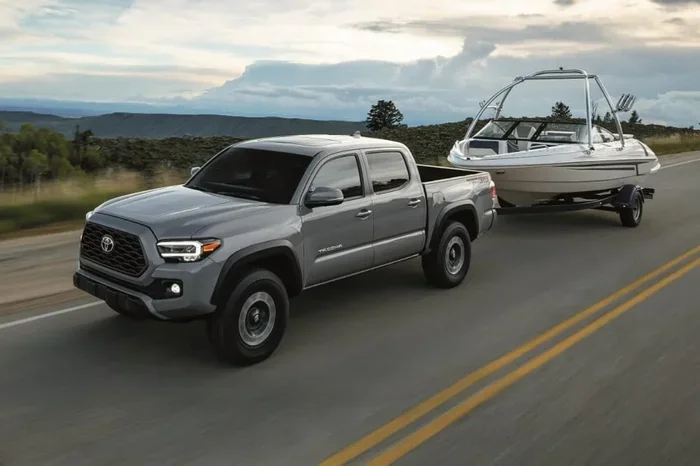
Toyota offers several lease options across its lineup. Whether you are interested in a fuel-efficient Corolla, a rugged Tacoma, or a spacious Highlander, there is likely a Toyota lease deal that fits your needs. This guide walks you through every step of the process so you can feel confident when you walk into a dealership. We will cover how lease payments work, what to look out for, and how to get the best value from your Toyota lease.
Leasing a car at Toyota gives you access to the latest features and technology without the worry of selling or trading in later. It is especially appealing for those who enjoy driving newer models and prefer predictable monthly costs. Let us dive into how it all works.
What Is a Toyota Lease and Why Do People Choose It
A lease is a contractual agreement between you and the dealership or leasing company. You agree to drive the vehicle for a specific number of months and miles. In return, you make monthly payments that are usually lower than a traditional auto loan payment. At the end of the lease term, you return the car unless you choose to buy it.
Many people prefer leasing because it aligns with how they use their vehicles. If you like switching to a new car every two or three years, leasing removes the hassle of selling an older model. Here are some of the top reasons drivers choose a Toyota lease:
- Lower monthly payments compared to financing a purchase.
- Drive a new vehicle every few years with the latest safety and tech features.
- Warranty coverage often lasts the entire lease term, so repair costs are minimal.
- No hassle with trade-ins or selling the car later.
- Lower upfront costs in many cases, though a down payment may still be required.
That said, leasing is not for everyone. You do not build equity in the vehicle, and there are mileage limits and wear-and-tear rules to follow. Understanding these trade-offs is key to deciding if a Toyota lease is right for you.
Lease vs Buy: Which Is Right for You
Before you commit, it helps to compare leasing and buying side by side. When you buy a car, you own it outright once the loan is paid off. You can drive unlimited miles and make any modifications you want. When you lease, you are essentially paying for the portion of the vehicle you use during the lease period.
Here is a quick comparison to help you think it through:
- Monthly cost: Leasing is usually cheaper month-to-month. Buying requires higher payments because you are paying for the full value of the car.
- Ownership: Buying builds equity. Leasing does not.
- Mileage: Buying has no limits. Leasing typically caps you at 10,000 to 15,000 miles per year.
- Long-term cost: Leasing costs more over time if you lease continuously. Buying and keeping a car for years saves money in the long run.
If you want a new Toyota every couple of years and prefer lower monthly payments, leasing makes a lot of sense. If you plan to keep a car for a long time and want full ownership, buying is the better path.
Key Lease Terms You Need to Understand
Before you sign any lease agreement, you need to understand the key terms. Dealerships use specific language that can feel confusing at first. But once you know what each term means, you can negotiate with confidence and avoid surprises on your monthly lease payment.
Capitalized Cost
The capitalized cost (or “cap cost”) is the negotiated price of the vehicle. Think of it like the sticker price, but it is the number used to calculate your lease payments. Just like buying a car, you can negotiate the cap cost down. A lower cap cost means lower monthly payments. Always research the fair market value of the Toyota model you want before you start negotiating.
Residual Value
The residual value is what the car is expected to be worth at the end of the lease. The leasing company sets this value based on the vehicle’s projected depreciation. A higher residual value means lower monthly payments because you are paying for less depreciation. Toyota vehicles tend to hold their value well, which often makes them great candidates for leasing.
Money Factor
The money factor is like the interest rate on a loan, but it is expressed differently. It is a small decimal number that determines the finance charge portion of your lease payment. You can convert it to an annual percentage rate (APR) by multiplying by 2,400. A lower money factor saves you money over the life of the lease. If a dealer gives you a high money factor, do not be afraid to ask for a better one.
Mileage Allowance
Every lease comes with a set mileage allowance, usually 10,000, 12,000, or 15,000 miles per year. If you go over that limit, you will pay an excess mileage fee, typically between 15 and 30 cents per mile. If you have a long commute or love road trips, consider choosing a higher mileage allowance upfront. It is almost always cheaper than paying the overage charges later.
How Toyota Lease Payments Are Calculated
Understanding how your monthly lease payment is calculated helps you make informed decisions. The payment is based on three main factors: the capitalized cost, the residual value, and the money factor. Here is a simplified breakdown of how it works.
- Depreciation Amount: The leasing company subtracts the residual value from the capitalized cost. This gives you the total depreciation you will pay over the lease term.
- Finance Charge: The money factor is applied to the sum of the capitalized cost and residual value. This gives you the finance portion of your payment.
- Monthly Payment: The depreciation amount is divided by the number of months in the lease term, and the finance charge is added on top.
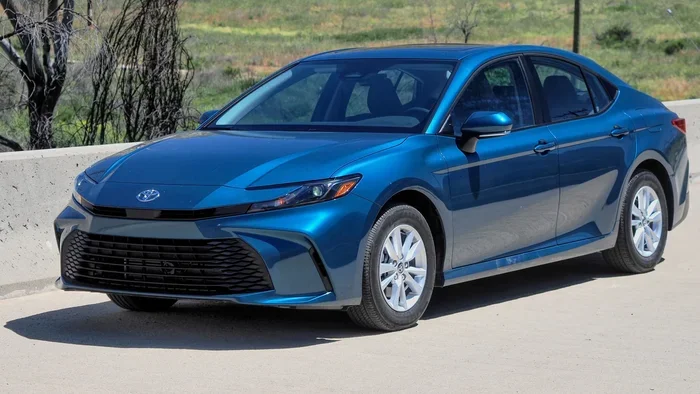
For example, if you lease a Toyota Camry with a cap cost of $30,000 and a residual value of $18,000 over 36 months, you are paying for $12,000 in depreciation. Add the finance charge, and that gives you your monthly payment. The exact number will vary based on the money factor and any fees.
Toyota lease specials often feature reduced money factors or subsidized residuals, which can significantly lower your monthly payment. Keep an eye out for these promotions, especially at the end of each quarter when dealerships are eager to hit sales targets.
Down Payment and Due-at-Signing Costs
Most Toyota leases require some money upfront. This is often called the “due at signing” amount. It can include a down payment, the first month’s payment, a security deposit, and any acquisition or documentation fees. The total due at signing can range from a few hundred to several thousand dollars depending on the deal.
Here is what to watch for in the due-at-signing costs:
- Acquisition fee: This is a fee charged by the leasing company to set up the lease. It is usually non-negotiable and ranges from $300 to $800.
- Documentation fee: The dealership charges this for processing the paperwork. It varies by state and dealer.
- First month’s payment: You will pay this upfront along with the down payment.
- Security deposit: Some leases require a refundable security deposit.
To minimize upfront costs, look for lease deals that advertise “$0 down” or reduced due-at-signing amounts. Keep in mind that putting more money down can lower your monthly payment, but it also increases your risk if the car is totaled early in the lease.
What Happens at the End of Your Toyota Lease
One of the best things about leasing a Toyota is the flexibility at the end of the term. You have several options, and knowing what they are in advance helps you plan. Here are the most common lease-end options available to Toyota lessees.
Option 1: Return the Vehicle
The simplest option is to return the car to the dealership. You hand over the keys, and the lease is complete. Before you do, make sure the vehicle is in good condition. Normal wear and tear is expected, but excessive damage can result in extra charges. It is a good idea to have the car detailed and address any minor issues before the lease-end inspection.
You will also want to confirm that you have not exceeded your mileage allowance. If you have gone over, you will pay the excess mileage fee. Ask the dealership for a mileage check well before your lease ends so there are no surprises.
Option 2: Purchase the Vehicle
If you love your Toyota and want to keep it, you can usually buy it at the end of the lease. The purchase price is set in your lease agreement and is often called the residual value or “buyout price.” This can be a great deal because the buyout price is based on the projected value at the start of the lease, not the market value at the end.
Before you decide to buy, have the vehicle independently inspected. Check for any mechanical issues and compare the buyout price to the car’s current market value. If the buyout price is below market value, it is a smart move. You can also explore Toyota financing options to help you pay for the purchase.
Option 3: Extend the Lease
In some cases, you can extend your lease month by month while you decide what to do next. This gives you breathing room if you are not ready to return or purchase the vehicle. Keep in mind that extended lease payments may be slightly higher than your original payment, and you will still be subject to mileage limits and wear-and-tear rules.
Option 4: Start a New Lease
Many drivers choose to lease a new Toyota when their current lease ends. This lets them continue enjoying lower monthly payments and the latest features. If you go this route, you can return your current vehicle and pick up a new one at the same dealership. Toyota often offers loyalty incentives for returning lessees, so be sure to ask about any special Toyota lease deals for lease-end customers.
Tips to Get the Best Toyota Lease Deal
Getting a great lease deal takes a little preparation and smart negotiating. Here are some practical tips to help you save money and avoid common pitfalls.
Research Before You Visit
Before you set foot in a dealership, research the Toyota models you are interested in. Check current Toyota lease specials online and compare offers from multiple dealers. Knowing the fair market value and typical lease terms gives you a strong starting point for negotiations.
Negotiate the Capitalized Cost
Just like buying a car, you can negotiate the cap cost on a lease. Do not accept the first number the dealer gives you. Work to get it as low as possible because every dollar you reduce the cap cost lowers your monthly payment. Focus on the vehicle’s price, not the monthly payment, when negotiating.
Watch Out for Hidden Fees
Some dealerships add extra fees that are not necessary. These can include excessive documentation fees, unnecessary add-ons, or inflated acquisition fees. Always ask for a full breakdown of all charges before you sign. If something does not look right, speak up and ask for it to be removed.
Consider Gap Insurance
Gap insurance covers the difference between what you owe on the lease and what the car is actually worth if it is totaled or stolen. In the early months of a lease, you may owe more than the car is worth. Gap insurance protects you from that financial gap. Some lease agreements include gap insurance automatically, but not all do. Check your contract and add it if needed.
Maintain the Vehicle Properly
Keeping the Toyota in good condition throughout the lease protects you from excess wear-and-tear charges at the end. Follow the manufacturer’s maintenance schedule, including oil changes, tire rotations, and brake inspections. If you need Toyota parts or service, visit an authorized Toyota dealer to keep the vehicle in top shape.
Read the Fine Print
It sounds obvious, but many people sign a lease without reading every detail. Take the time to review the entire contract. Pay attention to the lease term, mileage allowance, buyout price, and any penalties for early termination. If you do not understand something, ask the dealer to explain it clearly before you sign.
Common Leasing Mistakes to Avoid
Leasing a car is straightforward, but it is easy to make mistakes that cost you money. Here are some common pitfalls and how to avoid them.
- Underestimating your mileage needs: Choosing a low mileage allowance to get a lower monthly payment can backfire if you regularly exceed the limit. Calculate your average annual mileage honestly.
- Focusing only on the monthly payment: A low monthly payment can hide a high capitalized cost or excessive fees. Always look at the total cost of the lease.
- Skipping the lease-end inspection: Do not assume the vehicle is in perfect condition. Get a pre-return inspection and fix any issues before the deadline.
- Ignoring the money factor: A high money factor can add hundreds of dollars to your total lease cost. Ask the dealer to explain the money factor and compare it to current rates.
- Not comparing offers: Leasing terms can vary significantly between dealers. Always get multiple quotes before committing to a deal.
If you want to learn more about how car salesmen structure deals and how to protect yourself, check out our guide on how to avoid car salesman tricks. It is full of practical advice that applies to leasing as well.
Also, understanding the actual cash value of your vehicle can help you make smarter decisions at lease-end. Our guide on how to determine the actual cash value of a car gives you the tools to compare the buyout price with market value confidently.
Frequently Asked Questions
Can I lease a Toyota with bad credit?
It is possible to lease a Toyota with less-than-perfect credit, but your options may be limited. You might face higher money factors, larger down payments, or stricter mileage restrictions. Improving your credit score before applying can help you qualify for better Toyota lease terms and save money over the life of the lease.
What happens if I exceed my mileage limit?
If you go over your mileage allowance, you will pay an excess mileage fee, usually between 15 and 30 cents per mile. These charges add up quickly, so it is important to estimate your annual mileage accurately before signing the lease. If you think you will exceed the limit, consider choosing a higher mileage allowance upfront.
Can I terminate my Toyota lease early?
Yes, but early termination usually comes with a penalty. The fee can be significant and may include the remaining lease payments plus any additional charges. If you are considering ending your lease early, read your contract carefully and talk to the dealership about your options. In some cases, transferring the lease to another person may be possible.
Do Toyota leases include warranty coverage?
Most Toyota lease terms align with the vehicle’s factory warranty, which typically covers 3 years or 36,000 miles. This means you are usually covered for repairs during the lease period. However, maintenance items like oil changes and tire rotations are your responsibility. Always confirm the warranty details before you sign.
Is gap insurance necessary for a Toyota lease?
Gap insurance is not legally required, but it is highly recommended for leased vehicles. In the event of a total loss, gap insurance covers the difference between what you owe and the car’s actual cash value. Without it, you could be responsible for paying off the remaining lease balance even after the car is gone. Many lease agreements include gap insurance by default, but it is worth verifying.
Can I negotiate the buyout price at the end of my lease?
The buyout price is typically set in your lease agreement and is based on the residual value. However, you can negotiate it, especially if the market value of the vehicle has changed since the lease began. If the buyout price is higher than the car’s current market value, you may be able to negotiate a lower price or consider purchasing a similar model at market value instead.
Conclusion
Leasing a car at Toyota is a smart, flexible, and affordable way to drive a new vehicle without the long-term commitment of ownership. By understanding the key lease terms, knowing your options at lease-end, and following the tips in this guide, you can get the most value out of your Toyota lease.
Remember to research your options, negotiate the cap cost, watch for hidden fees, and always read the fine print before you sign. Whether you are leasing a compact Camry, a rugged Tacoma, or a family-friendly Highlander, the process is the same and the rewards are well worth the effort.
Take your time, ask questions, and do not be afraid to walk away from a deal that does not feel right. The best Toyota lease is one that fits your budget, your lifestyle, and your driving habits. Armed with the knowledge from this guide, you are ready to make a confident and informed decision. Happy leasing!