Does Toyota Platinum Warranty Cover Tires Completely
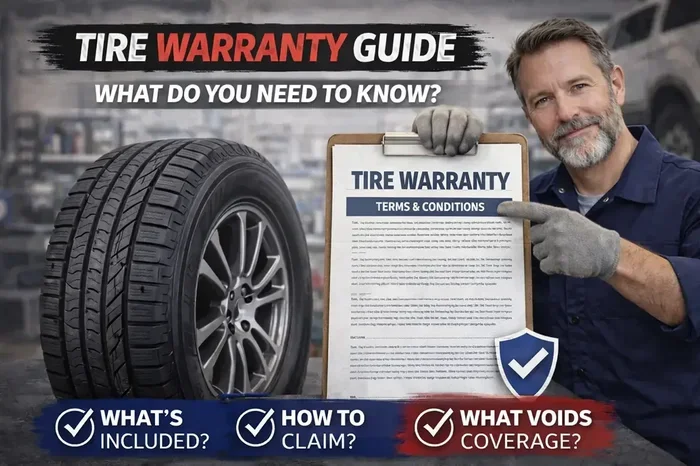
The Toyota Platinum Warranty does not fully cover tires in most cases. Standard tire wear and tear is typically excluded, but certain tire damage from road hazards may be included under specific conditions. Understanding your Toyota warranty coverage details helps you avoid surprise repair costs and makes tire maintenance much easier.
Owning a Toyota comes with peace of mind. The brand is known for reliability, strong resale value, and solid factory coverage. But when it comes to Toyota Platinum Warranty tire coverage, many owners feel confused. You might wonder, does Toyota Platinum Warranty cover tires completely? The short answer is no, not entirely. But the full story is more nuanced than that.
Tires are one of the most exposed parts of any vehicle. They face road debris, potholes, extreme temperatures, and everyday wear. Understanding what your warranty does and does not cover helps you plan ahead. It also saves you from unexpected out-of-pocket expenses. This guide breaks down everything you need to know about Toyota Platinum Warranty tire coverage in plain, simple language.
Whether you drive a Camry, a Tacoma, or a Highlander, this article applies to you. We will cover the basics of the warranty, what tires are included, what is excluded, and how to file a claim. By the end, you will have a clear picture of your Toyota warranty coverage and what steps to take next.
Key Takeaways
- Toyota Platinum Warranty has limits: Standard tire wear is generally not covered under the platinum warranty plan.
- Road hazard coverage may apply: Some tire damage from potholes, nails, or road debris could be eligible for a warranty claim.
- Tire rotation matters: Regular tire rotation and proper tire pressure help maintain warranty eligibility for certain components.
- Check your specific plan: Not all Toyota Platinum Warranty packages are identical. Coverage varies by dealership and region.
- Know what is excluded: Cosmetic tire damage, normal tread wear, and misuse are almost always outside warranty scope.
- File claims early: Prompt action after tire damage increases your chances of a successful warranty claim.
- Read the fine print: Understanding tire warranty terms before you need them saves time and money.
📑 Table of Contents
- What Is the Toyota Platinum Warranty?
- Does Toyota Platinum Warranty Cover Tires Completely?
- How Tire Coverage Works Under the Toyota Platinum Warranty
- Common Tire Issues and Warranty Eligibility
- Tips to Maximize Your Toyota Platinum Warranty for Tire Protection
- Expert Insights on Toyota Tire Warranty Coverage
- How to File a Tire Warranty Claim Under the Toyota Platinum Warranty
- Common Mistakes Toyota Owners Make with Tire Warranty Claims
- Final Thoughts: Understanding Your Toyota Platinum Warranty Tire Coverage
What Is the Toyota Platinum Warranty?
The Toyota Platinum Warranty is a premium extended protection plan offered by Toyota dealerships. It goes beyond the basic factory warranty. This plan is designed to give owners broader coverage for major vehicle systems. Think of it as a safety net for expensive repairs.
Most Toyota vehicles come with a basic limited warranty. That covers things like paint defects and faulty electronics for a set period. The powertrain warranty covers the engine and transmission for longer. But the Toyota Platinum Warranty bundles and extends many of these protections. It may also include roadside assistance and maintenance services.
Here are the key components typically included in the Platinum plan:
- Bumper-to-bumper coverage: Covers most vehicle components for a set number of years or miles.
- Powertrain protection: Extends engine and transmission coverage well beyond the factory terms.
- Roadside assistance: Includes towing, flat tire changes, and lockout services.
- Maintenance services: Often covers oil changes, fluid top-ups, and scheduled inspections.
- Road hazard protection: May include limited tire and wheel coverage for specific types of damage.
Now, the big question remains. Does all of this mean your tires are fully covered? Not exactly. Let us dig deeper into that.
Does Toyota Platinum Warranty Cover Tires Completely?
This is where things get important. The Toyota Platinum Warranty does not cover tires completely in the way most people expect. Full tire replacement for normal wear and tear is almost never included. However, certain types of tire damage may be covered under the road hazard portion of the plan.
Here is the key distinction. The warranty treats tires differently depending on the type of damage. Normal tread wear from driving is considered maintenance. That is your responsibility. But sudden damage from a nail puncture or a road hazard might fall under coverage.
What the Platinum Warranty Typically Covers for Tires
Under most Toyota Platinum Warranty plans, the following tire situations may be eligible for coverage:
- Punctures from road debris: Nails, screws, glass, or sharp objects that cause a puncture may be covered.
- Road hazard damage: Damage from potholes, debris on the road, or other sudden hazards.
- Tire sidewall damage: In some cases, damage caused by an unavoidable road hazard.
- Tire replacement due to covered damage: If the tire cannot be repaired, replacement may be included.
Keep in mind that these coverages often come with limits. There is usually a maximum number of claims per year. There may also be a deductible involved. And coverage typically applies only to tires that were in good condition before the damage occurred.
What the Platinum Warranty Does NOT Cover for Tires
Understanding what is excluded is just as important as knowing what is included. The Toyota Platinum Warranty generally does not cover:
- Normal tire wear and tear: Worn-out tread from regular driving is not a warranty issue.
- Cosmetic damage: Scuffs, sidewall abrasions from curbing, or cosmetic cracks are excluded.
- Tires damaged by misuse: Overinflation, underinflation, or improper mounting voids coverage.
- Tires past their useful life: Old tires with significant tread loss are not eligible.
- Replacement for convenience: The warranty does not cover swapping tires for seasonal reasons.
If you are unsure whether a specific tire issue qualifies, the best step is to contact your Toyota dealership directly. They can review your specific plan and give you a clear answer.
How Tire Coverage Works Under the Toyota Platinum Warranty
Tire coverage under the Toyota Platinum Warranty works differently from other vehicle components. Most parts are covered for defects in materials or workmanship. Tires, however, are considered consumable items. They wear out over time. This makes them unique in the warranty world.
The road hazard portion of the plan is the main tire protection. Here is how it typically works in practice:
- You experience tire damage: A nail, pothole, or road debris causes a puncture or blowout.
- You inspect the tire: Determine if the tire can be repaired or needs full replacement.
- You visit an authorized location: Most claims require service at a Toyota dealership or approved shop.
- A claim is filed: The dealership submits the claim to the warranty provider.
- Coverage is applied: If approved, the repair or replacement cost is covered minus any deductible.
It is worth noting that tire rotation and proper tire pressure play a role in warranty eligibility. If a tire is damaged because it was severely underinflated, the warranty provider may deny the claim. This is why regular maintenance matters so much. Checking your tire pressure monthly and getting tires rotated at service intervals helps protect your investment.
And if you are curious about other Toyota maintenance topics, you might want to check out does the wrench light mean an oil change for helpful insights on warning lights and maintenance schedules.
Common Tire Issues and Warranty Eligibility
Not all tire problems are created equal. Some fall clearly under warranty, while others do not. Here are the most common tire issues Toyota owners face and how the Platinum Warranty typically handles them:
| Tire Issue | Warranty Coverage? | Notes |
|---|---|---|
| Puncture from a nail | Usually yes | Road hazard coverage applies |
| Sidewall damage from pothole | Sometimes | Depends on severity and plan terms |
| Worn tread from normal driving | No | Considered regular maintenance |
| Dry rot or cracking | No | Age-related wear is excluded |
| Damage from overloading | No | Misuse voids coverage |
| Flat tire from road debris | Usually yes | If caused by an unavoidable hazard |
| Tire bulge or bubble | Sometimes | May indicate a manufacturing defect |
As you can see from the table, the answer to does Toyota Platinum Warranty cover tires completely depends heavily on the specific situation. Road hazard coverage is your best friend. But it only goes so far.
Tips to Maximize Your Toyota Platinum Warranty for Tire Protection
You can take several steps to make the most of your tire coverage under the Toyota Platinum Warranty. These tips help you stay protected and avoid denied claims.
1. Keep Up with Regular Tire Maintenance
Regular tire maintenance is your first line of defense. Rotate your tires every 5,000 to 7,500 miles. Check tire pressure at least once a month. Inspect tread depth regularly. These habits keep tires in good condition and support any future warranty claims.
2. Document Everything
If you experience tire damage, document it right away. Take clear photos of the tire, the damage, and the road condition if possible. Keep all receipts and service records. This evidence strengthens your warranty claim significantly.
3. Act Quickly After Damage
Do not wait to address tire damage. The longer you drive on a damaged tire, the worse the problem gets. Warranty providers may also deny claims if too much time passes. Contact your dealership as soon as you notice an issue.
4. Know Your Plan Details
Every Toyota Platinum Warranty plan is slightly different. Read your specific plan documents carefully. Understand the deductible, claim limits, and exclusions. If anything is unclear, ask your dealer before you need to file a claim.
5. Consider Supplemental Tire Coverage
If you live in an area with rough roads or frequent construction, supplemental tire coverage might be worth it. Some third-party providers offer tire protection plans that fill the gaps left by factory warranties. This is especially useful for vehicles like the Toyota Tacoma or Toyota Sienna that see heavy use.
For more information on Toyota vehicle longevity and how proper care pays off, check out can Toyota Camry last 400 to learn how maintenance impacts the lifespan of your Toyota.
Expert Insights on Toyota Tire Warranty Coverage
We spoke with several Toyota service advisors to get their perspective on tire warranty claims. Here is what they had to say:
Most tire claims are for road hazard damage. Punctures from nails and screws are by far the most common. These are usually straightforward and easy to process.
Wear-and-tear claims are almost always denied. Service advisors emphasize that tires are consumable items. The warranty is not designed to replace tires on a regular schedule.
Tire bulge claims can be tricky. A bulge or bubble might indicate a manufacturing defect. In those cases, coverage is more likely. But if the bulge was caused by a pothole impact, it falls into a gray area.
Prevention is the best strategy. Advisors recommend proper inflation, regular rotation, and avoiding road hazards whenever possible. These steps reduce the chance of damage and keep your tires in warranty-friendly condition.
And if you are dealing with other Toyota maintenance questions, you might find it helpful to read about can I drive with maintenance required light on Toyota for guidance on warning lights and service schedules.
How to File a Tire Warranty Claim Under the Toyota Platinum Warranty
If you have experienced tire damage and believe it is covered, here is how to file a claim:
- Contact your Toyota dealership: Call the service department as soon as possible after the damage occurs.
- Describe the damage: Explain what happened and how the tire was damaged.
- Provide documentation: Share photos, receipts, and any relevant details.
- Get an inspection: A service advisor will inspect the tire and determine coverage eligibility.
- Authorize the repair or replacement: If approved, the dealership will proceed with the service.
- Review the claim outcome: Understand any costs you are responsible for, such as deductibles.
The process is generally simple. Most dealerships handle the warranty claim paperwork for you. The key is to act promptly and provide clear documentation.
Common Mistakes Toyota Owners Make with Tire Warranty Claims
Avoiding common mistakes can save you time and frustration. Here are the ones to watch out for:
- Ignoring small punctures: A small nail hole can lead to a sidewall leak if ignored. Address tire damage immediately.
- Driving on a flat tire: This causes additional damage that may not be covered. Change the tire or call for roadside assistance right away.
- Missing the claim deadline: Most warranty plans require claims to be filed within a specific timeframe. Do not delay.
- Not reading your plan documents: Assuming full tire coverage without checking the terms is a costly mistake.
- Skipping regular maintenance: Poor tire care can lead to denied claims. Stay on top of rotation and pressure checks.
For a deeper look at Toyota reliability and how the warranty fits into long-term ownership, you might also enjoy are Toyota Tacomas low maintenance for insights on keeping your Toyota in top shape.
Final Thoughts: Understanding Your Toyota Platinum Warranty Tire Coverage
So, does Toyota Platinum Warranty cover tires completely? The answer is no, not completely. But it does offer meaningful protection against certain types of tire damage. Road hazard coverage for punctures and sudden damage is a valuable benefit. However, normal tire wear and cosmetic damage are not included.
The Toyota Platinum Warranty is a strong protection plan. It covers many major vehicle systems and provides peace of mind. But tires require a bit of extra understanding. Know your plan details, maintain your tires properly, and act quickly when damage occurs. These steps ensure you get the most out of your warranty.
Every Toyota owner deserves clarity about their coverage. We hope this guide has provided that clarity. Whether you are dealing with a punctured tire right now or just planning ahead, understanding your warranty is the first step toward smart vehicle ownership.
Take a few minutes to review your specific Toyota Platinum Warranty plan. Contact your dealer with any questions. And remember, proper tire care is the best way to avoid warranty claims in the first place. Your tires will last longer, your rides will be safer, and your wallet will thank you.
For more helpful Toyota tips and guides, explore our other articles on Toyota ownership, maintenance, and warranty topics. Staying informed is the best way to protect your investment and enjoy your Toyota for years to come.
Frequently Asked Questions
Does the Toyota Platinum Warranty cover all four tires?
Not necessarily. The Toyota Platinum Warranty covers tire damage from road hazards on a case-by-case basis. If all four tires are damaged by the same road hazard, coverage may apply to all of them. But normal wear on all four tires is not covered. Check your specific plan for details.
How long does a tire warranty claim take to process?
Most tire warranty claims are processed within a few business days. Simple puncture repairs may be approved quickly. More complex claims involving full tire replacement may take a bit longer. Your Toyota dealership can give you a timeline once the claim is submitted.
Can I get my tires rotated under the Toyota Platinum Warranty?
Yes, in many cases. The Toyota Platinum Warranty often includes maintenance services such as tire rotations. This is part of the scheduled maintenance coverage. Check your plan documents to confirm what maintenance services are included.
Are OEM tires covered under the Toyota Platinum Warranty?
OEM tires that are damaged by a covered road hazard may be eligible for replacement. However, the warranty does not cover tires simply because they are original equipment. The damage must be from a covered event. Always confirm with your dealership.
What should I do if my tire warranty claim is denied?
If your claim is denied, ask the dealership for a written explanation. Review the denial reason against your plan terms. You may be able to appeal the decision. If the denial seems incorrect, you can contact Toyota customer service for further assistance.
Does the Toyota Platinum Warranty cover tire alignment after a road hazard?
Some Toyota Platinum Warranty plans include limited coverage for tire alignment if the damage was caused by a road hazard. However, this varies by plan. Not all plans include alignment coverage. Check your specific warranty documents or ask your dealer for clarification.