Is Toyota Safety Sense Free or Do You Have to Pay for It
Toyota Safety Sense is a suite of active safety features that comes standard on most new Toyota vehicles. Most buyers do not have to pay extra for Toyota Safety Sense on new models, as it is included as part of the base package on the majority of trim levels. However, the exact coverage depends on your trim level, model year, and whether you are buying new or used.
When you are shopping for a new Toyota, you have probably seen the term Toyota Safety Sense thrown around a lot. It sounds impressive, but here is the real question most buyers want answered: do you have to pay for it? The short answer is that Toyota Safety Sense is free on most new Toyota vehicles. It comes standard on the majority of models and trims. But there are some important details you need to know before you assume it is always included.
Toyota Safety Sense is a collection of active safety and driver-assistance technologies. These features are designed to help prevent accidents and keep you and your passengers safe. The system includes things like pre-collision braking, lane departure warning, and adaptive cruise control. Over the past few years, Toyota has made Toyota Safety Sense a standard part of their vehicle lineup. This move has been a big win for buyers who want advanced safety without paying a premium.
In this article, we will walk you through everything you need to know about Toyota Safety Sense pricing. We will cover which models include it, what it actually does, and whether you need to pay anything extra. We will also look at how it works on used Toyotas and what you can do if your vehicle does not have it. By the end, you will have a clear picture of how Toyota Safety Sense fits into your purchase.
Key Takeaways
- Toyota Safety Sense is standard on most new Toyotas: It comes included at no extra cost on the vast majority of new Toyota models and trim levels.
- Older or lower trims may not include it: Some older models or base trims may not have Toyota Safety Sense, and adding it later can be costly.
- Used cars may or may not have it: Whether a used Toyota has Toyota Safety Sense depends on the model year and trim level it was sold with.
- Toyota Safety Sense includes key features like pre-collision braking, lane departure alert, and adaptive cruise control: These work together to help keep you safe on the road.
- No subscription fee is required: Unlike some automakers, Toyota does not charge a monthly or annual fee to use Toyota Safety Sense features.
- Maintenance of safety sensors is important: Keeping your Toyota Safety Sense sensors clean and functioning properly helps the system work as designed.
📑 Table of Contents
- What Is Toyota Safety Sense?
- Is Toyota Safety Sense Free on New Toyotas?
- Toyota Safety Sense Packages and Trim Levels
- What Does Toyota Safety Sense Include on Different Models?
- Toyota Safety Sense: Does It Cost Extra on Used Cars?
- Maintaining Your Toyota Safety Sense System
- Toyota Safety Sense vs. Aftermarket Safety Systems
- Final Thoughts on Toyota Safety Sense Pricing
What Is Toyota Safety Sense?
Toyota Safety Sense is a package of active safety features that Toyota has been building into their vehicles since around 2017. Think of it as a smart safety co-pilot that sits in your car and watches the road for you. It uses a combination of cameras, radar, and sensors to detect potential hazards. When it senses danger, it can alert you or even take action to avoid a crash.
The goal of Toyota Safety Sense is simple. It wants to reduce accidents caused by human error. Things like distraction, fatigue, and inattention lead to millions of crashes every year. Toyota built this system to help fill in those gaps. The technology works in the background, and most of the time you may not even notice it is active.
Key Features of Toyota Safety Sense
Toyota Safety Sense includes several different technologies that work together. Here is a breakdown of what is typically included:
- Pre-Collision System with Pedestrian Detection: This feature uses a camera and radar to detect vehicles, pedestrians, and cyclists ahead. If a collision seems likely, it will warn you and can apply the brakes automatically.
- Lane Departure Alert with Steering Assist: This system monitors road markings and alerts you if you start to drift out of your lane. It can also provide a gentle steering correction to help you stay on track.
- Adaptive Cruise Control: Unlike regular cruise control, this version adjusts your speed to maintain a safe following distance from the car ahead of you.
- Automatic High Beams: This feature switches between high and low beams automatically based on oncoming traffic and ambient light.
- Road Sign Assist: The system uses a camera to read road signs and displays relevant information on your dashboard, like speed limits.
These features work together to create a layered safety net. No single feature can prevent every accident, but together they make a big difference. Toyota has continued to update and improve Toyota Safety Sense with each new generation. The latest versions, like Toyota Safety Sense 2.5 and 3.0, include even more advanced capabilities.
Is Toyota Safety Sense Free on New Toyotas?
The good news for most new Toyota buyers is that Toyota Safety Sense comes at no extra cost. On the vast majority of new Toyota models, it is included as standard equipment. You do not need to upgrade to a higher trim or pay for a separate package to get it. This is one of the things that sets Toyota apart from some other automakers who charge extra for similar safety technology.
That said, there are a few exceptions. Some very base trim levels on certain models may not include the full Toyota Safety Sense suite. And on older model years, it may not have been available at all. Always check the specific trim and model year before you assume Toyota Safety Sense is included.
Which New Toyota Models Include Toyota Safety Sense?
Here is a general overview of which Toyota models include Toyota Safety Sense as standard:
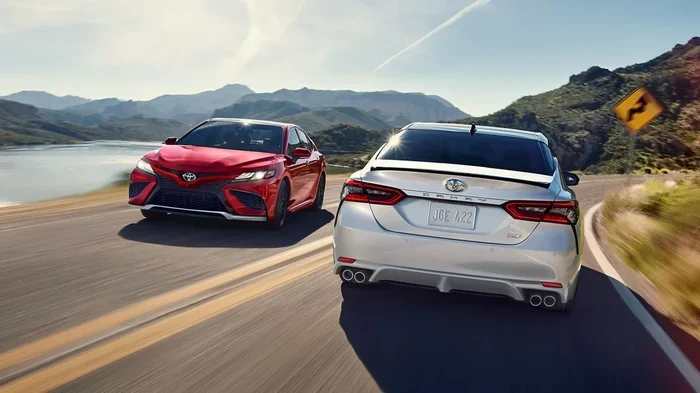
- Toyota Camry: Toyota Safety Sense is standard on nearly all trims of the Camry. This includes the base LE trim in most model years. You can also order a 2024 Toyota Camry with the full suite of safety features.
- Toyota RAV4: Toyota Safety Sense is standard across all RAV4 trims. This includes the base LE and the higher trims like XLE, XSE, and Limited.
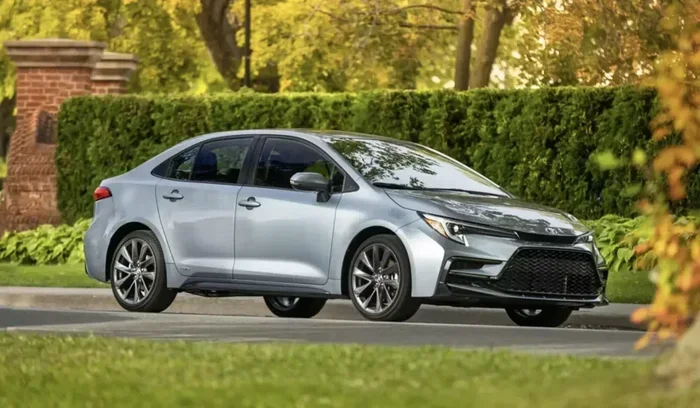
- Toyota Corolla: The Corolla comes with Toyota Safety Sense standard on most trims, including the base L and the higher SE and XSE versions.
- Toyota Highlander: Toyota Safety Sense is standard on the Highlander, regardless of trim level.
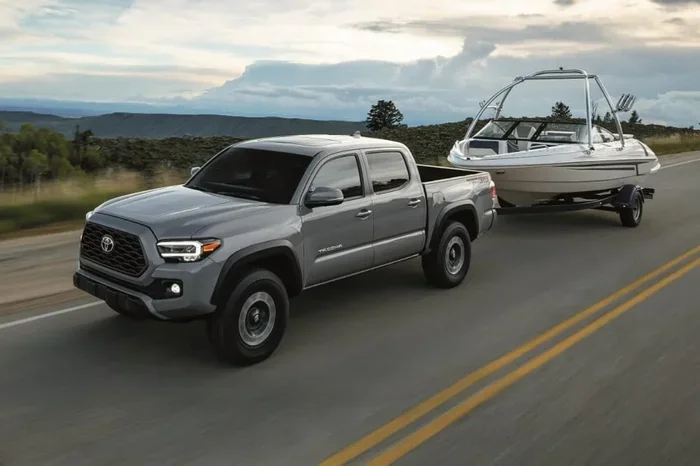
- Toyota Tacoma: More recent model years include Toyota Safety Sense as standard equipment on the Tacoma.
As you can see, Toyota has made it a priority to include Toyota Safety Sense across their lineup. This is great news for safety-conscious buyers who do not want to pay extra for peace of mind.
Toyota Safety Sense Packages and Trim Levels
While Toyota Safety Sense is standard on most new Toyotas, trim levels can still matter. Some higher trims may include additional safety features beyond the base Toyota Safety Sense package. These extras are sometimes referred to as Toyota Safety Sense+ or expanded safety packages.
For example, a higher trim might include features like blind spot monitoring, rear cross-traffic alert, or a head-up display. These are not always part of the standard Toyota Safety Sense bundle. They may be bundled into a larger technology or safety package that does cost extra.
Understanding the Difference
It is important to understand that Toyota Safety Sense itself is free. But the broader safety and technology packages that surround it may not be. Here is a simple way to think about it:
- Toyota Safety Sense: The core active safety suite. Included free on most models.
- Safety Connect: A subscription-based service that includes emergency assistance and remote services. This may require a paid plan after the initial trial period.
- Expanded Safety Packages: Additional features like blind spot monitoring and surround-view cameras. These may cost extra depending on the trim.
So when you are shopping, make sure you are clear on what is included in Toyota Safety Sense versus what is part of a separate package. The naming can be confusing, and dealers may not always explain the difference clearly.
What Does Toyota Safety Sense Include on Different Models?
The exact features included in Toyota Safety Sense can vary slightly depending on the model and model year. Toyota has released several generations of the system, and each one has added new capabilities. Let us look at how Toyota Safety Sense breaks down across some popular models.
Toyota Safety Sense on the Camry
On the Camry, Toyota Safety Sense typically includes pre-collision braking, lane departure alert, adaptive cruise control, and automatic high beams. The Camry is a midsize sedan that has long been a favorite for families and commuters. Having Toyota Safety Sense standard on this model means you get strong safety tech even on the base LE trim.
Toyota Safety Sense on the RAV4
The RAV4 is one of Toyota’s best-selling SUVs, and it comes with Toyota Safety Sense standard. The system works well for both city driving and highway cruising. The adaptive cruise control and pre-collision system are particularly useful in the stop-and-go traffic that RAV4 drivers often face.
Toyota Safety Sense on the Tacoma
The Tacoma is a rugged truck, and Toyota has made Toyota Safety Sense standard on recent model years. This is especially important for truck drivers who may feel confident behind the wheel but still benefit from features like lane departure alert and pre-collision braking.
No matter which Toyota model you choose, Toyota Safety Sense is designed to work seamlessly with the vehicle’s other systems. The sensors and cameras are integrated into the design from the factory, which means everything works together smoothly.
Toyota Safety Sense: Does It Cost Extra on Used Cars?
If you are buying a used Toyota, the answer to whether you have to pay for Toyota Safety Sense is a bit more complicated. It depends on the model year and the trim level of the specific vehicle you are looking at.
For used Toyotas from around 2018 and newer, Toyota Safety Sense is more likely to be included. Toyota started making it standard across most of their lineup starting in the mid-2010s. By 2018, the vast majority of new Toyotas came with Toyota Safety Sense as standard equipment.
However, if you are looking at a used Toyota from before 2017, there is a good chance it does not have Toyota Safety Sense at all. In that case, you would be looking at aftermarket upgrades if you want similar features. And those can get expensive.
How to Check if a Used Toyota Has Toyota Safety Sense
Before you buy a used Toyota, here are a few ways to check if it has Toyota Safety Sense:
- Check the window sticker: If the vehicle still has its original Monroney sticker, it will list all standard and optional equipment, including Toyota Safety Sense.
- Look for the Toyota Safety Sense emblem: Many Toyotas with the system have a small emblem on the rear or near the camera behind the windshield.
- Check the vehicle settings: If you can start the car, look through the infotainment system for Toyota Safety Sense settings. You should be able to toggle features like adaptive cruise control and lane departure alert on and off.
- Ask the seller or dealer: A reputable dealer should be able to tell you exactly what safety features the vehicle includes.
Keep in mind that even if a used Toyota has Toyota Safety Sense, the sensors and cameras need to be properly maintained. A dirty camera or a misaligned sensor can cause the system to malfunction. If you have ever had to check your car battery or deal with electrical issues, you know how important it is to keep all your vehicle systems in good shape.
Maintaining Your Toyota Safety Sense System
Toyota Safety Sense relies on cameras, radar, and sensors to work properly. If any of these components are dirty, damaged, or malfunctioning, the system may not work as intended. Regular maintenance can help ensure your Toyota Safety Sense keeps working the way it should.
Common Maintenance Tips
- Keep the windshield clean: The camera for Toyota Safety Sense is usually mounted behind the rearview mirror. Dirt, snow, or ice on the windshield near the camera can block its view and cause the system to deactivate.
- Get sensors checked during service: During routine oil changes or tire rotations, ask your technician to inspect the Toyota Safety Sense sensors and cameras.
- Replace wiper blades regularly: Good visibility is essential for the camera to function properly. Fresh wiper blades help keep the windshield clear.
- Do not modify the windshield: Aftermarket windshield tinting or accessories placed near the camera can interfere with Toyota Safety Sense operation.
If your Toyota Safety Sense warning light comes on, do not ignore it. The light usually looks like a car with lines in front of it. It means the system has detected an issue and may not be functioning at full capacity. In most cases, a simple cleaning or recalibration fixes the problem. But if the light stays on, you should have it checked by a qualified technician.
Toyota Safety Sense is a sophisticated system, and like any technology, it needs care to perform at its best. Taking a few minutes to keep everything clean and maintained can make a big difference when you need it most.
Toyota Safety Sense vs. Aftermarket Safety Systems
If your Toyota does not come with Toyota Safety Sense, you might wonder about aftermarket options. There are many third-party safety devices available, from dash cams to collision warning systems. But how do they compare to Toyota Safety Sense?
Aftermarket systems can be useful, but they rarely match the integration and reliability of factory-installed Toyota Safety Sense. Here is why:
- Factory integration: Toyota Safety Sense is built into the vehicle from the start. The sensors, cameras, and software all work together seamlessly. Aftermarket systems are add-ons that may not integrate as smoothly.
- Calibration: Toyota Safety Sense sensors are calibrated at the factory for your specific vehicle. Aftermarket systems often require manual adjustment and may not be as accurate.
- Warranty coverage: Toyota Safety Sense is covered under your Toyota warranty. Aftermarket systems typically come with their own separate warranties, which may be limited.
- Reliability: Because Toyota Safety Sense is designed specifically for Toyota vehicles, it tends to be more reliable than generic aftermarket alternatives.
If your Toyota came with Toyota Safety Sense, you are already getting a high-quality, integrated safety system. There is usually no need to add aftermarket devices unless you want extra features like a dash cam or 360-degree camera system.
Final Thoughts on Toyota Safety Sense Pricing
To wrap things up, Toyota Safety Sense is free on the vast majority of new Toyota vehicles. It is included as standard equipment and does not require any extra payment. This is one of the reasons Toyotas are so popular with safety-conscious buyers. You get a comprehensive suite of active safety features without having to pay for them separately.
For used Toyotas, the answer depends on the model year and trim. Newer used Toyotas from 2018 and up are very likely to have Toyota Safety Sense. Older models may not have it at all. And while you can add aftermarket safety features, they will not match the quality and integration of factory Toyota Safety Sense.
One thing to keep in mind is that Toyota Safety Sense is not a substitute for safe driving. It is a helpful assistant, but it does not replace attentive driving. Always stay focused on the road, keep your hands on the wheel, and use Toyota Safety Sense as an extra layer of protection. The system works best when the driver is still actively engaged behind the wheel.
Whether you are buying a new Toyota or shopping for a used one, knowing about Toyota Safety Sense gives you an advantage. You can make a more informed decision and feel confident about the safety features your vehicle has to offer. Toyota has made great strides in making advanced safety technology standard, and Toyota Safety Sense is a big part of that effort.
So the next time you are at a dealership or browsing Toyota models online, remember that Toyota Safety Sense is likely already included. You do not need to pay extra, and you do not need to ask for it as an add-on. It is just there, working quietly in the background to help keep you and your family safe on every drive.
Frequently Asked Questions
Is Toyota Safety Sense included on all new Toyota models?
Toyota Safety Sense is standard on the vast majority of new Toyota models and trims. However, some very base trims or older model years may not include the full suite. Always check the specific trim and model year to confirm.
Do I have to pay a monthly fee for Toyota Safety Sense?
No. Toyota Safety Sense does not require a subscription or monthly fee. It is a one-time factory installation that comes with your vehicle at no extra cost. Unlike some automakers’ safety subscriptions, Toyota does not charge ongoing fees for this system.
Can I add Toyota Safety Sense to a used Toyota that does not have it?
Unfortunately, Toyota Safety Sense is not designed as an aftermarket add-on. It is integrated into the vehicle from the factory. If your used Toyota does not have it, aftermarket safety devices can provide some similar features, but they will not match the factory system.
How do I know if my Toyota has Toyota Safety Sense?
You can check your owner’s manual, look for the Toyota Safety Sense emblem on the vehicle, or check the infotainment system settings. If you are shopping for a used Toyota, the window sticker will list all standard equipment including Toyota Safety Sense.
What should I do if my Toyota Safety Sense warning light is on?
A Toyota Safety Sense warning light usually means a sensor or camera is blocked or malfunctioning. Try cleaning the windshield area near the rearview mirror first. If the light stays on, have your vehicle inspected by a qualified Toyota technician.
Is Toyota Safety Sense the same as Toyota Safety Connect?
No, they are different. Toyota Safety Sense is the active safety and driver-assistance system. Toyota Safety Connect is a subscription-based service that provides emergency assistance, roadside help, and remote services. Toyota Safety Connect may require a paid plan after the initial trial period.
=== CONCLUSION ===
Toyota Safety Sense is one of the best things about buying a new Toyota today. It is a comprehensive safety package that comes standard at no extra cost on most models. You get features like pre-collision braking, lane departure alert, and adaptive cruise control without having to pay a dime extra. Whether you are looking at a Camry, RAV4, Corolla, or Tacoma, Toyota Safety Sense is likely already included.
If you are in the market for a used Toyota, checking for Toyota Safety Sense is an important step. Newer models from 2018 and up are very likely to have it, while older vehicles may not. And remember, keeping your Toyota Safety Sense sensors clean and well-maintained helps the system work its best. Toyota has made a strong commitment to safety, and Toyota Safety Sense is proof of that dedication.