Toyota ABS System Replacement Cost and What to Expect
Toyota ABS system replacement cost typically ranges from $300 to $1,200 depending on the model and the specific component that needs repair. Understanding the ABS replacement cost helps you budget for this essential Toyota brake repair and avoid unexpected expenses. This guide walks you through every aspect of the process, from diagnosis to final repair.
If you have been seeing a warning light on your dashboard and wondering what it means, the answer might be your ABS system. The anti-lock braking system is one of the most important safety features in any modern Toyota. When it fails, it affects more than just a light on your dash. It changes how your car stops, especially in emergency situations.
Many Toyota owners face the same question: how much does it really cost to replace the ABS system? The answer is not simple. Costs vary widely based on the specific Toyota model, the component that needs fixing, and whether you go to a dealership or an independent mechanic. In this guide, we break down everything you need to know about Toyota ABS system replacement cost, what the process looks like, and how to make smart decisions about your repair.
Whether you drive a Toyota Camry, a Toyota RAV4, or another model, understanding your brake system is essential. A working ABS system helps you maintain control during hard stops. It prevents your wheels from locking up on wet roads. When something goes wrong, you need to know your options and what to expect financially. Let us walk through it all together.
Key Takeaways
- Average cost: Toyota ABS replacement typically costs between $300 and $1,200 depending on the component
- Multiple components: The ABS system includes sensors, modules, and pumps, each with different price points
- Warranty coverage: Some Toyota ABS repairs may be covered if your vehicle is still under warranty
- Driving safety: A functioning ABS system is critical for safe stopping, especially in wet or icy conditions
- DIY vs. professional: Some ABS repairs are simple enough for DIY, but module replacement requires a professional
- Preventive maintenance: Regular brake service can extend the life of your ABS components
📑 Table of Contents
- What Is the ABS System and Why Does It Matter
- Toyota ABS System Replacement Cost Breakdown
- Common Signs Your Toyota ABS Needs Repair
- What Happens During ABS System Replacement
- Can You Drive With a Faulty ABS System
- How to Save Money on Toyota ABS Replacement
- Maintaining Your Toyota Brake System for Longevity
- When to Replace Your Toyota Instead of Repairing the ABS
- Conclusion
What Is the ABS System and Why Does It Matter
The anti-lock braking system, or ABS, is a computerized safety feature in your Toyota. It prevents your wheels from locking up when you brake hard. This is especially important on slippery surfaces like rain, ice, or gravel. Without ABS, your tires might skid, and you could lose control of the vehicle.
How Anti-Lock Braking Works
Here is how the system works in simple terms. When you slam on the brakes, sensors at each wheel monitor their speed. If one wheel is about to lock up, the system rapidly pumps the brakes for you. It does this faster than any human could. This keeps the tire gripping the road and helps you steer while stopping.
The Toyota brake system relies on several parts working together. These include the wheel speed sensors, the ABS module, the hydraulic brake unit, and the ABS pump. Each part plays a role in keeping you safe. When one part fails, the whole system can be affected.
Components of the Toyota Brake System
Understanding the parts of your ABS system helps you understand the repair costs. Here are the main components:
- Wheel Speed Sensors: These sit near each wheel and monitor how fast each tire is spinning. They send data to the ABS module.
- ABS Module: This is the brain of the system. It receives sensor data and controls the braking pressure.
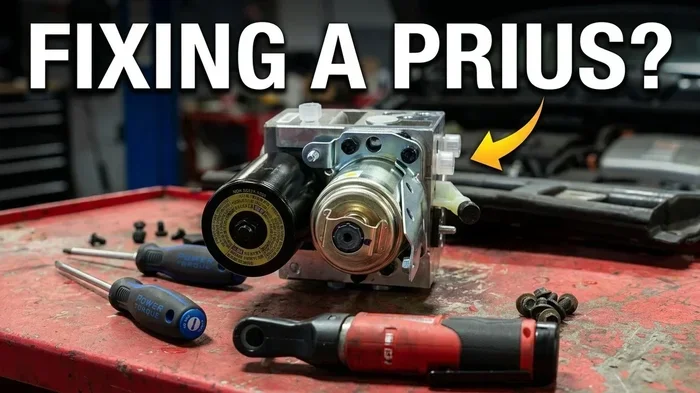
- ABS Pump: Also called the hydraulic actuator, this pump modulates brake pressure to prevent wheel lockup.
- Brake Fluid Lines: These carry brake fluid to all parts of the system. Leaks can cause ABS failure.
- Electronic Brake Distribution: This system works with ABS to distribute braking force evenly across all four wheels.
Each of these components can fail independently. That means the ABS sensor replacement cost is very different from the cost of replacing the entire module. Knowing which part is failing is the first step in understanding your repair bill.
Toyota ABS System Replacement Cost Breakdown
The ABS system cost Toyota owners can expect depends on several factors. The type of Toyota you drive, the year of the model, and the specific part that needs replacement all play a role. Let us break down the costs by component so you have a clear picture.
Average ABS Module Replacement Cost
Replacing the ABS control module is one of the more expensive repairs. On most Toyota models, you can expect to pay between $500 and $1,200 for parts and labor combined. The module itself costs around $300 to $700. The rest covers labor, which takes about one to three hours depending on the model.
For a Toyota Camry, the ABS module replacement cost tends to fall in the middle of that range. For a Toyota RAV4, the cost might be slightly higher because the module is located in a harder-to-reach spot. Always get a quote from your trusted mechanic before committing to the repair.
ABS Sensor Replacement Cost
The wheel speed sensors are the least expensive part of the ABS system to replace. A single sensor typically costs between $50 and $150 for parts and labor. If more than one sensor needs replacing, the cost adds up. Most Toyota models have four sensors, one at each wheel.
Many owners experience a single sensor failure first. If you catch it early, the ABS sensor replacement cost is very manageable. However, ignoring a faulty sensor can lead to more serious problems with the module over time.
ABS Pump Replacement Cost
The ABS pump, or hydraulic actuator, is a mid-range repair. Expect to pay between $400 and $900 for this replacement. The pump itself costs around $250 to $500. Labor takes about two to four hours since the pump is often integrated into the brake hydraulic unit.
In some Toyota models, the pump and the ABS module are combined into one unit. This can increase the overall Toyota brake parts cost. Always ask your mechanic to show you the old part so you understand exactly what was replaced.
| Component | Parts Cost | Labor Cost | Total Cost Range |
|---|---|---|---|
| ABS Module | $300 – $700 | $200 – $500 | $500 – $1,200 |
| Wheel Speed Sensor | $30 – $100 | $20 – $50 | $50 – $150 |
| ABS Pump | $250 – $500 | $150 – $400 | $400 – $900 |
| Full ABS System Overhaul | $800 – $2,000 | $400 – $800 | $1,200 – $2,800 |
These are average ranges. Your actual cost may vary based on your location, the mechanic you choose, and the specific Toyota model you drive. Always ask for a detailed breakdown before any work begins.
Common Signs Your Toyota ABS Needs Repair
Catching ABS problems early can save you money and keep you safe. The system usually gives you clear warning signs before it completely fails. Here are the most common symptoms that something is wrong with your Toyota brake system.
Warning Lights and Dashboard Alerts
The most obvious sign is the ABS warning light on your dashboard. This light looks like the letters “ABS” inside a circle. When it comes on, the system has detected a problem. Do not ignore it. Driving with the ABS light on means your anti-lock braking feature is not working.
In some Toyota models, you might also see the traction control light come on at the same time. These systems share components, so a failure in one often affects the other. The ABS warning light Toyota displays can vary by model year, but the message is always the same: get it checked.
Unusual Brake Behavior
Pay attention to how your brakes feel. A few warning signs include:
- Brake pedal pulsation: If the pedal vibrates or pulses when you brake hard, the ABS system may be activating when it should not be, or it may be failing to activate when needed.
- Longer stopping distances: If your Toyota takes longer to stop than usual, the ABS may not be functioning properly.
- Wheels locking up: If your wheels lock during hard braking on wet roads, the ABS is not doing its job.
- Unusual noises: Grinding or clicking sounds from the brake area can indicate a failing ABS pump or sensor.
These symptoms should never be ignored. Even if the repair turns out to be minor, early diagnosis prevents more expensive damage down the road.
How Mechanics Diagnose ABS Problems
When you bring your Toyota in for a brake check, the mechanic will start by scanning the onboard computer for error codes. These codes tell them exactly which sensor or component is malfunctioning. They will also visually inspect the brake lines, check the brake fluid level, and test each wheel speed sensor.
A brake fluid flush is often recommended alongside ABS repairs. Old or contaminated brake fluid can cause sensor malfunctions and reduce system performance. This is a relatively inexpensive service that adds significant value to the repair.
What Happens During ABS System Replacement
Understanding the replacement process helps you feel more confident about the repair. Here is a step-by-step look at what a mechanic does when replacing ABS components.
Step-by-Step Replacement Process
- Diagnosis: The mechanic connects a diagnostic scanner to read error codes and confirm which component has failed.
- Vehicle Lift: The Toyota is raised on a lift so the mechanic can access the wheels and brake components.
- Component Removal: The faulty part is carefully removed. This might involve taking off a wheel, disconnecting sensors, or removing brake line fittings.
- New Part Installation: The new sensor, module, or pump is installed and connected properly.
- System Bleeding: The brake system is bled to remove any air from the lines. This is critical for proper brake function.
- Testing: The mechanic clears the error codes, test-drives the vehicle, and confirms the ABS is working correctly.
The process is straightforward but requires precision. One small mistake during installation can cause the entire system to fail again. This is why many owners choose professional Toyota dealership service for ABS repairs.
How Long Does the Repair Take
A single sensor replacement usually takes about 30 minutes to one hour. Module replacement can take one to three hours. Pump replacement may take two to four hours. The total time depends on the Toyota model, the accessibility of the part, and any additional repairs needed.
While your Toyota is in the shop, you might want to ask about other maintenance items. For example, if you need to open the exterior bonnet for any reason during the repair, it is a good opportunity to have the mechanic check other under-hood components.
Can You Drive With a Faulty ABS System
The short answer is yes, but with important caveats. If your ABS system fails, your regular brakes still work. You can still stop the car. However, you lose the anti-lock feature that prevents wheel lockup during hard braking.
Safety Risks of Driving Without ABS
Driving without a working ABS system is risky, especially in certain conditions. On wet roads, icy highways, or gravel paths, a locked wheel can cause a complete loss of control. The ABS system is designed to prevent exactly this scenario.
Think about how much weight can a regular car carry when fully loaded. A heavy vehicle needs even more braking control. Without ABS, that control is compromised. If you regularly carry passengers or cargo in your Toyota, a functioning ABS system becomes even more important.
Another concern is that a faulty ABS system can affect your traction control system. Since these systems share sensors and modules, one failure often leads to issues in the other. This means your Toyota might also lose traction control functionality, which further reduces safety.
If the ABS light comes on, get the vehicle inspected as soon as possible. Do not put off the repair hoping it will fix itself. ABS problems rarely resolve on their own, and waiting usually makes the issue worse and more expensive.
How to Save Money on Toyota ABS Replacement
ABS repairs can be costly, but there are smart ways to manage the expense without sacrificing quality. Here are practical strategies that real Toyota owners use to save money.
Warranty and Coverage Options
First, check your warranty status. If your Toyota is still under the factory warranty or an extended warranty, the ABS repair might be fully covered. Even if the warranty has expired, some components might still be eligible for coverage depending on your vehicle’s age and mileage.
If you are unsure about your coverage, consider visiting a dealership. You can take your Toyota to any dealership for warranty work and they can confirm what is covered. Dealerships also have access to manufacturer-specific diagnostic tools and genuine Toyota parts, which can improve the quality of the repair.
DIY vs Professional Repair
Some ABS repairs are simple enough for a DIY approach. Replacing a single wheel speed sensor, for example, is a task many home mechanics can handle. You will need basic tools, a jack, and a jack stand. The sensor is usually held in by one or two bolts and connected with an electrical plug.
However, module and pump replacements should always be handled by a professional. These repairs involve brake hydraulic systems, which require special bleeding procedures and precise calibration. A mistake during these repairs can lead to brake failure, which is extremely dangerous.
Get Multiple Quotes
Do not accept the first quote you receive. Call at least two or three repair shops and ask for a detailed estimate. Compare not just the total price but also what is included. Some shops include a brake fluid flush or a system diagnostic in their quote, while others charge separately for these services.
Also, ask about Toyota maintenance cost savings programs. Some independent shops offer loyalty discounts or seasonal promotions that can significantly reduce your bill.
Maintaining Your Toyota Brake System for Longevity
The best way to avoid expensive ABS repairs is to maintain your brake system proactively. Regular care keeps all components working smoothly and extends the life of your Toyota brake system.
Simple Maintenance Tips
- Check brake fluid regularly: Low or dirty brake fluid puts extra strain on the ABS pump and module. Top off fluid as needed and flush it according to your Toyota maintenance schedule.
- Inspect sensors during tire rotations: When you get your tires rotated, ask the technician to check the ABS sensor wiring and connections.
- Drive smoothly: Avoid harsh braking whenever possible. Smooth driving reduces stress on all brake components, including the ABS system.
- Address small issues early: If you notice any unusual brake behavior, get it checked right away. Small problems become big expenses when ignored.
- Follow the maintenance schedule: Stick to your Toyota recommended service intervals. Regular service catches potential issues before they become costly repairs.
These habits are simple but powerful. They help you avoid unexpected breakdowns and keep your Toyota running safely for years. If you want to learn more about keeping your vehicle in top shape, check out our guide on how to make a car last 500 miles and beyond.
When to Replace Your Toyota Instead of Repairing the ABS
Sometimes the numbers do not add up. If your Toyota has high mileage and the ABS system fails, you might face a tough decision. Is it worth replacing the ABS module on an older vehicle?
Consider the overall condition of your car. If you are already planning to replace the vehicle, a $1,000 ABS repair might not make financial sense. However, if your Toyota is in good shape otherwise, the repair is almost always worth it. A functioning ABS system is a non-negotiable safety feature.
Also keep in mind that the value of your car matters. If your Toyota still holds significant resale value, maintaining the ABS system protects that investment. A clean maintenance history makes your vehicle more attractive to buyers.
Conclusion
The Toyota ABS system replacement cost varies depending on the component, the model, and where you get the repair done. On average, expect to pay anywhere from $300 for a single sensor to over $1,200 for a full module replacement. The key is to act quickly when warning signs appear. Ignoring the ABS light or unusual brake behavior leads to more expensive repairs and, more importantly, compromises your safety.
Regular maintenance is your best defense against costly ABS repairs. Keep your brake fluid fresh, inspect sensors during routine service, and never ignore dashboard warnings. Your Toyota’s anti-lock braking system works hard every time you step on the pedal. Give it the care it deserves, and it will keep you safe on the road for many miles to come.
Whether you choose a dealership or an independent shop, the most important thing is to get the repair done right. Ask questions, get multiple quotes, and never compromise on brake safety. Your life and the lives of your passengers depend on it.
Frequently Asked Questions
How much does it cost to replace the ABS module on a Toyota Camry?
The average cost to replace the ABS module on a Toyota Camry ranges from $500 to $1,200, including both parts and labor. The exact price depends on the year of the Camry and whether you choose a dealership or an independent mechanic. Always ask for a detailed breakdown before authorizing the repair.
Can I drive my Toyota if the ABS light is on?
Yes, you can drive with the ABS light on, but your anti-lock braking feature will not be working. Your regular brakes still function, but you may lose steering control during hard braking on slippery surfaces. It is best to get the vehicle inspected as soon as possible.
What causes the ABS system to fail in a Toyota?
Common causes include worn wheel speed sensors, contaminated brake fluid, a faulty ABS module, or damaged wiring. Age and mileage also play a role. Regular brake maintenance helps prevent many of these issues and extends the life of the system.
Is ABS repair covered under Toyota warranty?
If your Toyota is still under the manufacturer’s warranty or an extended warranty, ABS repairs may be fully covered. Check with your dealership to confirm your specific coverage. Even after warranty expiration, some components might still be eligible for coverage depending on the vehicle’s age.
How long does an ABS sensor replacement take?
A single ABS wheel speed sensor replacement typically takes about 30 minutes to one hour. The process is straightforward and does not require extensive disassembly. If multiple sensors need replacing, the time increases accordingly.
Can I replace the ABS system myself?
Sensor replacements are often manageable for experienced DIYers. However, module and pump replacements involve brake hydraulic systems that require professional tools and expertise. Attempting complex ABS repairs without proper knowledge can lead to brake failure, which is extremely dangerous.