Does Car Insurance Cover Theft of Your Personal Items
Does car insurance cover theft of personal items? The short answer is: it depends on your policy. Most standard auto policies do not cover stolen personal belongings, but comprehensive coverage may help with certain theft-related losses. Understanding what your insurance policy includes can save you from unexpected expenses and stress.
This is a comprehensive guide about Does Car Insurance Cover Theft of Personal Items?.
Key Takeaways
- Standard auto policies typically exclude personal items: Basic liability coverage does not pay for stolen belongings inside your car.
- Comprehensive coverage helps with vehicle theft: It may cover a stolen vehicle but often has limits on personal items taken from it.
- Homeowners or renters insurance may apply: These policies often cover personal property stolen from your car.
- Filing a claim requires proof: You will need receipts, photos, and a police report to support your claim.
- Deductibles apply to theft claims: You must pay your deductible before your insurer pays out.
- Prevention reduces risk: Simple habits like locking your car and keeping valuables out of sight can lower your chances of theft.
[FEATURED_IMAGE_PLACEHOLDER]
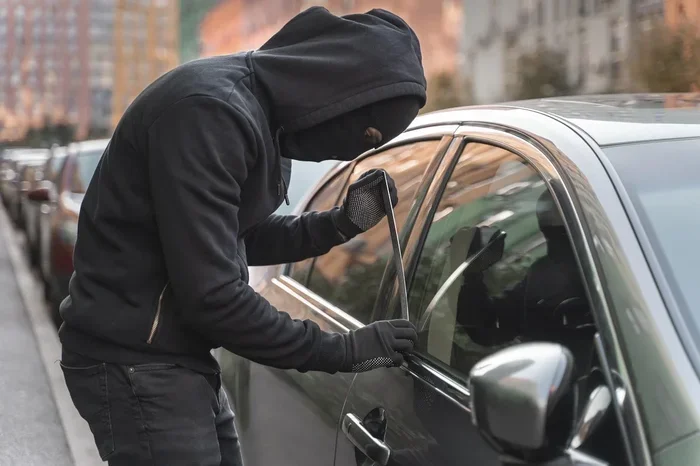
You walk out to your parked car and notice the back window is shattered. Your backpack, laptop, and gym bag are gone. Your first thought might be, “Will my car insurance cover theft of my stuff?”
This is a frustrating situation no one wants to deal with. The answer is not always straightforward. Whether your insurance policy pays for stolen personal items depends on several factors. These include the type of coverage you have, your specific policy details, and what kind of items were taken.
Many drivers assume their auto policy will cover everything stolen from their vehicle. That is a common mistake. Understanding how insurance coverage works for personal belongings can help you avoid a nasty surprise when you file a claim. Let us break this down in simple terms.
This guide will walk you through exactly what your car insurance does and does not cover. You will learn about different coverage types, how to file a claim, and what steps you can take to protect your personal items. By the end, you will know exactly what to do if your belongings are stolen from your car.
What Does Car Insurance Actually Cover?
Most people think their auto insurance policy covers everything related to their car. That is not true. Car insurance is divided into different types of coverage. Each one handles a specific kind of risk.
Let us look at the main types of coverage and how they relate to theft.
Liability Coverage
Liability coverage pays for damage or injury you cause to others. It does not cover your own car or your personal belongings. If someone steals your laptop from your back seat, liability coverage will not help. This is the most basic type of coverage and is required by law in most states.
Collision Coverage
Collision coverage pays for damage to your car from an accident. It covers crashes with other vehicles or objects. It does not cover theft. If your car gets broken into and items are stolen, collision coverage will not step in. You can learn more about what different types of coverage handle by checking out does car insurance cover repairs to understand the broader picture of coverage types.
Comprehensive Coverage
This is where things get interesting. Comprehensive coverage is the type of insurance that helps with theft. It covers damage to your car from events that are not collisions. This includes:
- Vehicle theft (the whole car being stolen)
- Vandalism (broken windows, graffiti)
- Fire damage
- Natural disasters (floods, hail, falling trees)
- Falling objects
But here is the catch. Comprehensive coverage primarily covers your vehicle itself, not necessarily the personal items inside it. Some policies may offer limited coverage for personal property. But the payout is usually small and comes with strict conditions.
When Does Car Insurance Cover Stolen Personal Items?
So, does car insurance cover theft of personal items in any situation? Sometimes, yes. But it is rare and depends on your specific policy. Here is what you need to know.
Limited Personal Property Coverage
Some auto insurance policies include a small amount of personal property coverage. This is sometimes called “contents coverage.” It may pay for items permanently installed in your car, such as:
- Custom sound systems
- Aftermarket wheels or rims
- Built-in navigation systems
- Seat covers or floor mats that are factory-installed
However, this coverage almost never includes removable items like a laptop, phone, or backpack. Insurers view these as personal belongings, not parts of the vehicle.
Policy Limits and Exclusions
Every insurance policy has limits. These are the maximum amounts the insurer will pay for a claim. Personal property coverage limits are usually very low. They might range from $50 to $500 at most. If your stolen items are worth more than that limit, you will not get full reimbursement.
Also, most policies have specific exclusions. These are situations where the insurer will not pay anything. Common exclusions include:
- Items left in an unlocked car
- Items stolen from a vehicle parked in an unsafe area
- Cash or coins taken from the vehicle
- Items the owner knew were at risk and did not secure
Always read your policy documents carefully. Ask your agent questions if anything is unclear. Understanding your coverage limits before a theft happens can save you a lot of grief.
How Comprehensive Coverage Helps With Vehicle Theft
If your entire car gets stolen, comprehensive coverage will typically pay out. But the payout is not the full price you paid for the vehicle. Insurers pay the actual cash value of the car at the time of theft.
This means they consider depreciation. Your brand new car loses value the moment you drive it off the lot. After a few years, the payout may be much less than what you still owe on your loan. This gap between what you owe and what the insurance pays is a real problem for many car owners.
If you want to understand how insurance companies determine what your car is worth, you can read about how to determine the actual cash value of a car. This knowledge helps you set realistic expectations when filing a theft claim.
Gap Between Coverage and Loan Balance
If you have a car loan or lease, the insurance payout might not cover the full balance. This is where gap insurance becomes valuable. Gap insurance covers the difference between what you owe and what the insurer pays. It is especially important for new cars that depreciate quickly.
Not all drivers carry gap insurance. But if you are financing or leasing your vehicle, it is worth considering. It protects you from paying thousands of dollars out of pocket for a car that is gone.
What Homeowners Insurance Covers Instead
Here is the good news. If your personal items are stolen from your car, your homeowners insurance or renters insurance may actually help. These policies often cover personal property regardless of where the theft occurs.
How Personal Property Coverage Works
Most homeowners and renters policies include personal property coverage. This coverage extends to your belongings even when they are outside your home. That means if someone breaks your car window and steals your gear, your homeowners policy may kick in.
Here is what you should know:
- Coverage applies worldwide: Your personal property is usually covered no matter where you are.
- Deductibles apply: You will still need to pay your deductible before the insurer pays.
- Policy limits exist: There is usually a maximum payout for personal property claims.
- High-value items may need separate coverage: Expensive jewelry, electronics, or collectibles might require a rider or floater.
Homeowners vs. Auto Insurance for Theft
When personal items are stolen from your car, homeowners insurance is usually the better option. Auto insurance focuses on the vehicle itself. Homeowners insurance focuses on your belongings. Think of it this way:
- Auto comprehensive coverage = covers the car and permanently installed parts
- Homeowners insurance = covers your personal items, including those stolen from the car
This is why having both types of insurance is so important. They work together to give you full protection. If you are unsure whether you need additional coverage, you might find it helpful to explore whether you need rental car insurance or other supplemental policies to fill gaps in your coverage.
How to File a Claim for Stolen Items from Your Car
If your personal items have been stolen, filing a claim is your next step. The process is not complicated, but it does require preparation and documentation.
Step-by-Step Claim Filing Process
- Call the police first. File a police report immediately. This document is essential for any insurance claim. It proves the theft actually happened.
- Document everything. Take photos of the damage to your car. Note what was stolen and its approximate value.
- Gather receipts and proof of ownership. Find any receipts, serial numbers, or photos of the stolen items. The more proof you have, the stronger your claim will be.
- Contact your insurance company. Report the theft as soon as possible. Most policies have time limits for filing claims.
- Fill out the claim forms. Be thorough and honest. Provide all requested documentation.
- Follow up regularly. Keep track of your claim status. Respond quickly to any requests from your adjuster.
What to Expect During the Claims Process
The claims process can take anywhere from a few weeks to a few months. An adjuster will review your claim and determine the payout amount. They may ask for additional information. Be patient and cooperative throughout the process.
Keep in mind that if your claim falls under your homeowners policy, you will pay your homeowners deductible. If it falls under your auto comprehensive coverage, you will pay your auto deductible. Deductibles vary, but common amounts are $500 or $1,000.
Tips for a Successful Claim
- File your police report within 24 hours if possible
- Keep all receipts related to the theft or damage
- Do not exaggerate the value of stolen items
- Respond to your insurer promptly
- Keep copies of everything you submit
How to Protect Your Personal Items from Theft
Prevention is always better than dealing with a claim. Taking simple steps can greatly reduce your risk of having personal items stolen from your car.
Best Practices to Prevent Vehicle Theft
- Always lock your car, even if you are just stepping away for a moment
- Take all valuables with you. Do not leave laptops, phones, or bags in plain sight
- Park in well-lit areas whenever possible
- Use a steering wheel lock or other anti-theft device
- Keep your car in a garage at home if you have one
- Do not leave your registration or insurance documents in the car
- Consider a dashcam or security camera that records activity around your vehicle
Items Most Commonly Stolen from Cars
Knowing what thieves target can help you be more vigilant. The most commonly stolen items from vehicles include:
- Laptops and tablets
- Smartphones and chargers
- Purses and wallets
- Credit cards
- Luggage and bags
- GPS devices
- Cash
If you carry any of these items in your car, make it a habit to take them with you every time. It only takes a few seconds for a thief to break a window and grab what is visible.
Consider Additional Coverage Options
If you frequently carry expensive equipment in your car, you may want to review your coverage options. Some insurers offer personal articles floater policies. These provide extra protection for high-value items like cameras, musical instruments, or sports equipment.
Talk to your insurance agent about your specific needs. They can help you find the right coverage at the right price. Being proactive about your insurance coverage gives you peace of mind every time you leave your car.
Common Mistakes People Make After a Theft
After a theft, it is easy to panic and make mistakes. Avoid these common errors to protect your claim and your rights.
- Delaying the police report: The longer you wait, the harder it is to recover your items. File the report as soon as possible.
- Not documenting the scene: Take photos of everything before anything is cleaned up or repaired.
- Failing to notify your insurer promptly: Most policies require you to report theft within a specific timeframe.
- Underestimating the value of stolen items: Be honest and accurate about what was taken and what it was worth.
- Assuming your auto policy covers everything: As we discussed, basic auto policies do not cover personal items. Know your coverage.
Frequently Asked Questions
Does comprehensive car insurance cover stolen personal items?
Comprehensive coverage primarily covers your vehicle, not personal items inside it. Some policies include limited personal property coverage, but the payout is usually small. Your homeowners or renters insurance is typically the better option for stolen belongings from your car.
Will my car insurance pay if my car is stolen and items were inside?
If your car is stolen, comprehensive coverage will pay for the vehicle itself based on its actual cash value. However, it may not cover personal items left inside. You would need to file a separate claim under your homeowners or renters insurance for those items.
What is the deductible for a theft claim?
Deductibles vary by policy. For auto comprehensive coverage, deductibles typically range from $250 to $1,000. For homeowners insurance, deductibles are often $500 or $1,000. You must pay your deductible before your insurer pays the remaining amount.
How long does it take to process a theft claim?
Most theft claims take two to four weeks to process. Complex claims or those requiring additional documentation may take longer. Responding quickly to your insurer’s requests can help speed up the process.
Can I increase my personal property coverage?
Yes, you can often add a personal articles floater or endorsement to your homeowners policy. This provides extra protection for high-value items. Speak with your insurance agent about your specific needs and options.
What should I do immediately after discovering items were stolen from my car?
First, call the police and file a report. Then document the scene with photos. Next, contact your insurance company to start the claims process. Finally, replace any essential items like IDs or credit cards that were stolen.
Final Thoughts
So, does car insurance cover theft of your personal items? The answer is nuanced. Your auto insurance policy protects your vehicle, but it usually does not cover the belongings inside it. For that protection, you need homeowners or renters insurance.
Understanding how your coverage works puts you in a much better position. You will know exactly what to do if theft ever happens. You will also know how to prevent it in the first place.
Take time today to review your insurance policies. Check your coverage limits, deductibles, and exclusions. Ask your agent questions. A few minutes of effort now can save you significant stress and money later.
Protecting your personal items is about more than just insurance. It is about building smart habits and staying informed. Lock your car, take your valuables, and make sure you have the right coverage in place. Your peace of mind is worth it.
Frequently Asked Questions
What is Does Car Insurance Cover Theft of Personal Items??
Does Car Insurance Cover Theft of Personal Items? is an important topic with many practical applications.