Why Does My Car Say I Need an Oil Change When I Just Got One
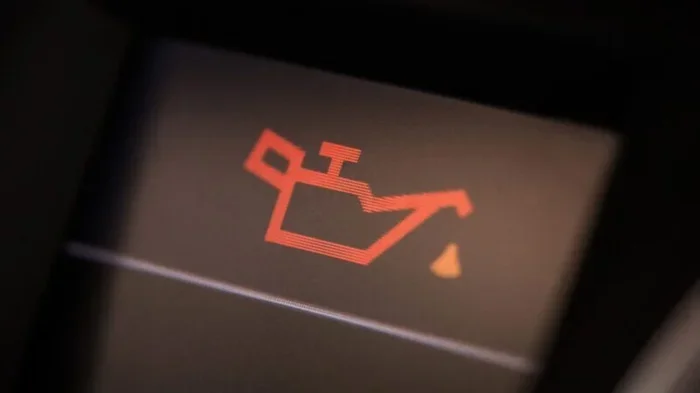
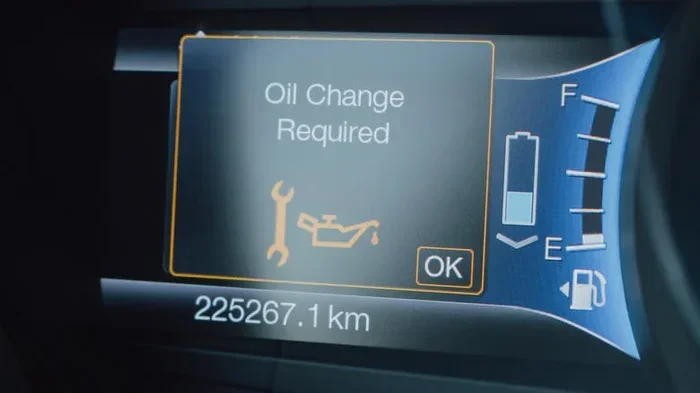
Your car may display an oil change message after a recent service due to a reset failure, incorrect oil life calculation, or a faulty sensor. The oil life monitoring system in modern vehicles tracks driving habits and conditions, not just mileage. Understanding how this system works can save you time, money, and unnecessary trips to the shop.
You just left the auto shop. The receipt says you got an oil change. You feel good. Then, two days later, your dashboard lights up with that dreaded message. The one that says you need an oil change. You stare at it. You wonder if someone forgot something. You wonder if the whole thing was even real. If this has happened to you, you are not alone. This is one of the most common frustrations car owners face. And the good news is that there are clear reasons behind it. Most of the time, the fix is simple.
Modern cars are smarter than ever. They have systems that track your driving habits, engine conditions, and oil quality. These oil life monitoring systems do not just count miles. They watch how you drive, how hot your engine runs, and what kind of conditions you face on the road. Sometimes, these systems get confused. Sometimes they need a manual reset. And sometimes they are telling you something real that needs your attention.
In this guide, we will walk through every reason your car might say you need an oil change right after getting one. We will cover what the warning lights mean, how the monitoring system works, and what you can do to fix it. Whether you drive a Toyota, a Honda, a Ford, or anything else, this article has you covered.
Key Takeaways
- Oil life systems track more than mileage: They use driving conditions, engine temperature, and habits to estimate oil quality.
- A failed reset is the most common cause: If the technician forgets to reset the indicator, your car will keep saying you need an oil change.
- Not all oils are equal: Using the wrong oil type can trigger premature warnings on your dashboard.
- Faulty sensors happen: Sometimes the oil quality sensor itself malfunctions and gives false readings.
- You can often fix this yourself: A simple reset procedure or checking the oil level may solve the problem.
- Ignoring the light can hurt your engine: Even if you just had an oil change, investigate the warning to protect your vehicle.
📑 Table of Contents
- How Your Car’s Oil Life Monitoring System Works
- Top Reasons Your Car Says Oil Change After a Recent Service
- How to Reset Your Oil Change Indicator
- When to Worry About the Oil Change Warning
- How Oil Degrades and Why It Matters
- Can You Prevent False Oil Change Warnings?
- What to Do Right Now If You See the Warning
- Expert Insight: What Mechanics Wish You Knew
- Final Thoughts
How Your Car’s Oil Life Monitoring System Works
Before we dig into the reasons, let us understand how your car knows when to remind you about an oil change. Older vehicles used simple mileage-based schedules. You drove a certain number of miles, and it was time for a change. But modern cars use something much more advanced.
The Oil Life Percentage System
Most newer vehicles use an oil life percentage system. This system starts at 100 percent after every oil change. As you drive, it counts down based on several factors:
- Driving habits: Frequent short trips, stop-and-go traffic, and heavy acceleration wear oil faster.
- Engine temperature: Extreme heat or cold affects oil quality over time.
- Load and towing: Heavy loads put more stress on the engine and the oil.
- Idle time: Extended idling can contaminate oil more quickly than highway driving.
- Environmental conditions: Dusty roads, extreme temperatures, and high humidity all play a role.
The system uses algorithms to calculate when your oil is no longer performing at its best. This is why some drivers see the warning at 30 percent oil life while others do not see it until 15 percent. The system is personalized to how you actually drive, not just how far you go.
Why It Is Not Just About Mileage
This is a key point that many car owners miss. If you drive 1,000 miles in a month but mostly sit in traffic, your oil may degrade faster than someone who drives 2,000 miles on open highways. The oil change interval is not a one-size-fits-all number anymore. Your car’s computer adjusts it based on real-time data. That is why you might get a warning at 3,500 miles while your friend gets none at 5,000 miles.
Top Reasons Your Car Says Oil Change After a Recent Service
Now that you understand how the system works, let us look at the specific reasons your car might be displaying this message after you just got an oil change.
Reason 1: The Oil Life System Was Not Reset
This is by far the most common reason. After every oil change, the technician should reset the oil life monitor. If they forget, the system keeps counting down from where it left off. Your car thinks the old oil is still in there, and it keeps telling you to change it.
The fix is simple. You can usually reset the system yourself. Most vehicles have a procedure that involves turning the ignition on and off while pressing a button on the dashboard or steering wheel. If you are not sure how to do it, check your owner’s manual or search for your specific model online. Many oil and filter changes come with reset instructions from the service center, but sometimes they skip this step.
Reason 2: The Wrong Oil Type Was Used
Not all engine oils are the same. Your car’s computer expects a specific type of oil, and using the wrong one can throw off the monitoring system. For example, if your vehicle requires full synthetic oil but the shop used conventional blend, the oil may degrade faster than the system anticipates.
Some vehicles also have specific viscosity requirements. Using 5W-30 when your car needs 5W-20 can affect how the oil flows and how well it protects your engine. The oil life system tracks these factors and may trigger a warning if the oil does not match expectations.
Always double-check what oil your vehicle needs before you visit a shop. Your owner’s manual has this information, and it is also printed on a sticker under the hood in many models.
Reason 3: The Oil Filter Was Not Replaced
A proper oil change includes both fresh oil and a new oil filter. If the shop only added oil without replacing the filter, the old filter may still contain contaminants. Dirty oil flows through the system, and the quality sensor detects this quickly. The result is a premature warning that something is wrong.
If you suspect this happened, check whether the filter was actually replaced. You can ask the service advisor for proof, or you can inspect the filter yourself if you are comfortable doing so. Oil filters should be snug but not overly tight, and a new filter will have a fresh gasket seal.
Reason 4: A Faulty Oil Quality Sensor
Your car has an oil quality sensor that measures the condition of the oil in real time. Sometimes this sensor fails or gives inaccurate readings. When this happens, it can trigger the oil change warning even when the oil is perfectly fine.
Signs of a faulty sensor include:
- The warning comes on immediately after an oil change with no reset.
- The oil life percentage drops rapidly for no clear reason.
- The warning light flickers or comes and goes randomly.
- You notice no change in engine performance or oil condition.
If you suspect a bad sensor, a mechanic can run a diagnostic test to confirm. Replacing the sensor is usually inexpensive and straightforward.
Reason 5: The Oil Was Not Filled to the Correct Level
Too much or too little oil can both trigger warning systems. If the technician overfilled the oil, it can cause pressure issues and foaming. If they underfilled it, the oil may not circulate properly, and the engine does not get full lubrication.
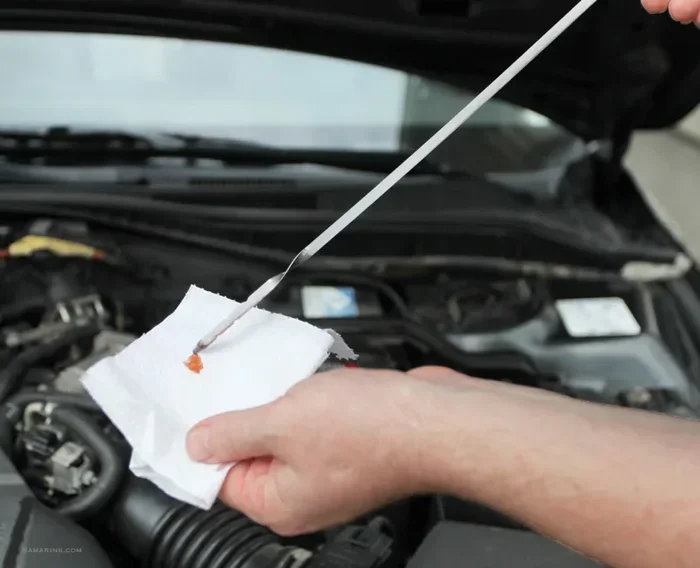
Overfilling oil can lead to serious problems. Driving with too much oil can cause damage to your engine seals and gaskets. Always check your oil level after a service using the dipstick. The oil should be between the minimum and maximum marks.
Reason 6: Driving Conditions Triggered an Early Warning
Sometimes the oil life system is working exactly as designed. If you have been driving in severe conditions, the system may count down faster than normal. Severe conditions include:
- Frequent short trips under five miles
- Driving in extreme heat or cold
- Towing a trailer or carrying heavy loads
- Driving on dusty or gravel roads
- Lots of stop-and-go city driving
If any of these apply to you, the system may be telling you the truth. Your oil may genuinely need changing sooner than the standard mileage interval. This is actually a feature, not a bug. The system is protecting your engine by giving you an early warning.
How to Reset Your Oil Change Indicator
If the reset was simply missed, you can take care of it yourself in most cases. The process varies by vehicle, but here are the general steps that work for many models.
- Turn the ignition to the “on” position without starting the engine.
- Press the accelerator pedal three times quickly within five seconds.
- Wait for the oil life indicator to flash.
- Press and hold the accelerator pedal for about 10 seconds.
- Turn the ignition off and then back on to check if the light is cleared.
For some vehicles, the process is different. You may need to use the steering wheel buttons to navigate to the maintenance menu and select “reset.” Again, your owner’s manual is your best resource for the exact steps for your specific model.
If resetting does not clear the light, there may be a deeper issue. The sensor could be faulty, or the oil may not have been installed correctly. In that case, it is worth going back to the shop and asking them to check the system.
When to Worry About the Oil Change Warning
Not every oil change warning after a service is something to ignore. Here is how to tell if the message is harmless or a real concern.
| Sign | Likely Cause | Action Needed |
|---|---|---|
| Warning appears immediately after service | Reset not performed | Reset the system yourself or return to the shop |
| Warning appears after 100-200 miles | Wrong oil type or low oil level | Check oil level and type, top off if needed |
| Warning keeps coming back after reset | Faulty sensor or contaminated oil | Visit a mechanic for diagnosis |
| Warning appears with other dashboard lights | Possible engine issue | Stop driving and get the car inspected |
| Oil life drops rapidly below 10% | Severe driving conditions | Get an oil change soon, monitor closely |
The most important thing to remember is that the oil change light is a safety feature. It exists to protect your engine. Even if the warning seems like a false alarm, it is always worth investigating rather than ignoring it.
How Oil Degrades and Why It Matters
Engine oil does not last forever. Over time, it breaks down and loses its ability to lubricate, cool, and protect your engine. This process is called oil degradation, and it happens faster than many people realize.
Fresh oil has additives that keep it stable. These additives include detergents that clean engine parts, dispersants that suspend contaminants, and anti-wear agents that reduce friction. As the oil is used, these additives get used up. The oil becomes thinner, dirtier, and less effective.
Some people wonder whether car oil expires even in the bottle. The answer is yes. Oil has a shelf life, and old oil from a bottle that has been sitting in your garage for years may not perform as well. This is another reason to use fresh oil that has been stored properly and is within its expiration date.
If you want to learn more about oil life percentages and when to actually change your oil, check out our guide on At What Percent Oil Life Should You Change Oil. It covers the exact percentages and what they mean for your vehicle.
Can You Prevent False Oil Change Warnings?
While you cannot prevent every false warning, there are steps you can take to reduce the chances of it happening again.
Choose a Reputable Service Provider
Not all oil change shops are the same. Quick lube places are convenient, but they sometimes rush through the process. Taking your time to reset the system, check the oil level, and use the correct oil makes a big difference. If you prefer doing it yourself, you can learn how to do an oil and filter change yourself at home with basic tools.
Keep Records of Every Service
Maintain a log of every oil change you get. Write down the date, mileage, oil type used, and the name of the shop. This record can help you identify patterns if false warnings keep happening. It also gives you proof if you ever need to dispute a charge or warranty claim.
Monitor Your Oil Level Regularly
Make it a habit to check your oil level at least once a month. A simple dipstick check takes less than a minute and can catch problems early. Low oil levels can cause serious engine damage, and catching it before the warning light comes on is always better than after.
Use the Right Oil for Your Vehicle
Always use the oil type and viscosity recommended by your vehicle manufacturer. Using the wrong oil can affect performance, fuel economy, and the accuracy of your oil life monitoring system. When in doubt, consult your owner’s manual or ask a trusted mechanic.
What to Do Right Now If You See the Warning
If your car is currently showing an oil change message and you just had the oil changed, here is a quick action plan:
- Check the oil level: Pull out the dipstick and see if the oil is at the right level. If it is low, add the correct type of oil.
- Reset the oil life system: Follow the reset procedure for your vehicle model.
- Check the oil color: Fresh oil is amber or golden. Dark brown or black oil means it has been contaminated and may need changing.
- Look for leaks: Check under your car for any oil spots. A leak could mean the oil level dropped after the service.
- Contact the shop: If none of the above solves the problem, call the service center where you got the oil change. They may need to recheck their work.
Remember that low oil can cause your car to overheat, which is a serious issue that can lead to expensive engine repairs. Do not ignore the warning just because you think it might be a mistake.
Expert Insight: What Mechanics Wish You Knew
We spoke with several experienced mechanics about this common issue, and here is what they want car owners to understand:
“The oil life system is a guide, not a guarantee,” says one veteran technician. “It helps you stay on track, but it is not perfect. Sometimes it needs a reset. Sometimes the oil really does need changing even if the mileage is low. Trust the system, but also trust your own judgment.”
Another mechanic adds that the most common mistake shop owners see is customers ignoring the reset step entirely. “People assume the technician handled everything. But the system is yours to manage. If you do not reset it, the light stays on, and that causes confusion and unnecessary worry.”
The bottom line is that communication matters. Ask questions when you get your oil changed. Confirm that the reset was done. Ask what type of oil was used. These small steps can save you a lot of headaches down the road.
Final Thoughts
Seeing an oil change warning right after you just got your oil changed is frustrating, but it is almost always fixable. The most common causes are a missed reset, the wrong oil type, or a faulty sensor. By understanding how your car’s oil life monitoring system works, you can take the right steps to address the issue quickly.
Do not let this warning stress you out. Check your oil level, try a reset, and if the problem persists, take your car back to the shop. Your engine is a complex machine that depends on clean, properly calibrated oil to run smoothly. Taking care of this warning promptly is one of the best things you can do for your vehicle’s longevity.
For more information on oil maintenance, check out our article on Can Car Oil Expire to learn about oil shelf life and how to keep your oil fresh. And if you are curious about how long your oil really lasts, our guide on oil life percentages has everything you need to know.
Stay on top of your car’s maintenance, and it will stay on top of keeping you safe on the road. A little attention goes a long way when it comes to protecting your engine and avoiding costly repairs down the line.
Frequently Asked Questions
Why does my car say I need an oil change right after getting one?
The most common reason is that the oil life monitoring system was not reset after the service. When the system is not reset, it continues counting down from where it left off, triggering the warning. Other possible causes include using the wrong oil type, a faulty sensor, or the oil level being incorrect.
How do I reset my oil change light after an oil change?
The reset process varies by vehicle model, but it usually involves turning the ignition to the “on” position and pressing the accelerator pedal three times quickly, then holding it for about 10 seconds. Check your owner’s manual for the exact steps for your specific car.
Can using the wrong oil cause a false oil change warning?
Yes, absolutely. If the oil used does not match your vehicle’s specifications, the oil quality sensor may detect a difference in performance and trigger a premature warning. Always use the oil type and viscosity recommended by your manufacturer.
Is it safe to drive with an oil change warning light on?
It is generally safe for a short period if your oil level is correct and the oil was recently changed. However, you should address the warning as soon as possible. Ignoring it for too long can lead to engine damage if the oil is actually low or contaminated.
How often should I check my oil level between changes?
You should check your oil level at least once a month or before any long trip. Regular checks help you catch leaks, low oil levels, or other issues early before they cause serious engine problems.
What should I do if the oil change warning keeps coming back?
If the warning keeps returning after you reset it, there may be a deeper issue. This could be a faulty oil quality sensor, contaminated oil, or an oil leak. Take your car to a trusted mechanic for a proper diagnosis.