What Happens If I Drive Past an Oil Change Right Now
What happens if I drive past an oil change? It can cause serious engine damage. Old oil loses its lubricating power, leading to increased friction, sludge buildup, and potential engine failure. Discover the risks of driving with overdue oil and how to protect your vehicle.
What happens if I drive past an oil change? It is a question many car owners ignore until something goes wrong. Your engine relies on clean oil to reduce friction, cool metal parts, and carry away debris. When oil sits too long, it breaks down and loses its ability to protect. Driving with overdue oil can lead to sludge buildup, increased wear, and even engine failure. In this guide, you will learn exactly what happens when you skip an oil change, how to spot the warning signs, and what you can do to keep your engine healthy. Let us dive in.
Oil change intervals are not just suggestions. They are designed to keep your engine running smoothly. Modern cars use oil life indicators that track your driving habits and remind you when it is time for a change. But what if you ignore that light? What if you push the limit because you are busy or the car seems fine? The truth is, engine damage often starts silently. By the time you notice a problem, the repair bill can be steep. Understanding the risks helps you stay ahead of trouble.
Key Takeaways
- Engine damage starts early: Driving even 500 miles past your oil change can reduce lubrication and increase wear.
- Warning signs are easy to miss: Low oil often shows no symptoms until damage begins, which is why regular checks matter.
- Overheating risk rises fast: Degraded oil cannot absorb heat, raising the chance of engine overheating and costly repairs.
- Oil life monitors are helpful but not perfect: They estimate based on driving conditions, not actual oil quality.
- Skipping changes voids warranties: Many manufacturers require proof of timely oil changes to keep your warranty valid.
- You can reset the light, but not the damage: Clearing the oil change reminder does not restore lost lubrication.
📑 Table of Contents
What Happens If I Drive Past an Oil Change?
When you drive past your oil change, the oil begins to degrade. Clean oil is a slippery fluid that reduces friction between moving engine parts. Over time, heat and contaminants break down the oil’s additives. The result is a thicker, dirtier fluid that cannot flow properly. This puts extra strain on your engine. Here is what happens step by step.
The Immediate Effects on Your Engine
Within the first few hundred miles past the change, the oil starts to lose its viscosity. Viscosity is the oil’s thickness and ability to flow. Thicker oil moves slower, which means less lubrication reaches critical parts like the camshaft and bearings. You may not feel any difference right away, but the wear is happening. Metal surfaces that should glide smoothly now rub against each other. This creates microscopic particles that float in the oil and act like sandpaper.
Your engine also runs hotter because dirty oil does not transfer heat as well. The oil pump has to work harder to push the thickened fluid through narrow passages. This extra effort can reduce fuel efficiency and make the engine feel sluggish. Many drivers ignore these subtle changes until a louder warning appears.
Why Old Oil Breaks Down
Oil contains detergents, dispersants, and anti-wear additives. These chemicals clean the engine and prevent sludge. As the oil ages, these additives get used up. Contaminants like fuel, moisture, and combustion byproducts mix into the oil. This creates a dark, gritty substance that coats engine parts. The oil filter tries to trap these particles, but after a while, the filter becomes clogged. When the filter clogs, oil flow drops dramatically.
Driving with clogged oil flow is like running a marathon with a tight bandage around your leg. The muscles (or engine parts) do not get the nutrients (or oil) they need. Soon, the engine starts to show signs of stress. This is where oil change overdue situations become dangerous.
Quick Tips
- Check your oil level and color every two weeks.
- Use the dipstick to look for dark, gritty oil.
- Change your oil filter every time you change the oil.
- Keep a log of your oil change dates and mileage.
Expert Insight: The Hidden Damage
Many mechanics say that engine wear from old oil is cumulative. You might not notice a single trip past the change, but repeated neglect adds up. Over time, the engine loses compression, burns more fuel, and produces more emissions. In some cases, the damage is irreversible without a major rebuild. The key is to stay on top of your oil change interval and never assume the engine will tell you in time.
How Your Oil Life Indicator Works
Most modern vehicles have an oil life monitor that flashes on the dashboard. This system does not measure the oil directly. Instead, it uses algorithms based on your driving habits, temperature, and mileage. When the indicator reaches a certain percentage, it tells you to change the oil. But how accurate is it?
Understanding the Oil Life Monitor
The oil life monitor typically counts down from 100 percent to zero. It adjusts the countdown based on short trips, extreme heat, heavy towing, or stop-and-go driving. For example, if you often drive in city traffic, the monitor may drop faster because the oil degrades quicker under those conditions. On the highway, it might last longer. However, the monitor is a guide, not a guarantee. It does not account for oil quality or leaks.
Many drivers ask, at what percent oil life should you change oil? Most manufacturers recommend changing the oil when the monitor hits 15 to 20 percent. Some older models use a fixed mileage interval, like every 5,000 or 7,500 miles. To learn more about interpreting your vehicle’s oil life monitor, check out our guide on At What Percent Oil Life Should You Change Oil.
Don’t Ignore the Warning
Resetting the oil change light does not mean the oil is fresh. It simply clears the reminder. If you drive past the zero point, the engine is running on worn-out oil. The monitor may not turn back on until you reset it, but the damage is already occurring. Always change the oil when the system prompts you, and never assume you have extra time.
Warning Signs You’ve Driven Too Long Without an Oil Change
Sometimes the oil change light is the only warning. Other times, your car gives you clear signals that the oil is old. Recognizing these signs early can prevent major repairs. Here are the most common low oil symptoms to watch for.
Dashboard Warning Lights
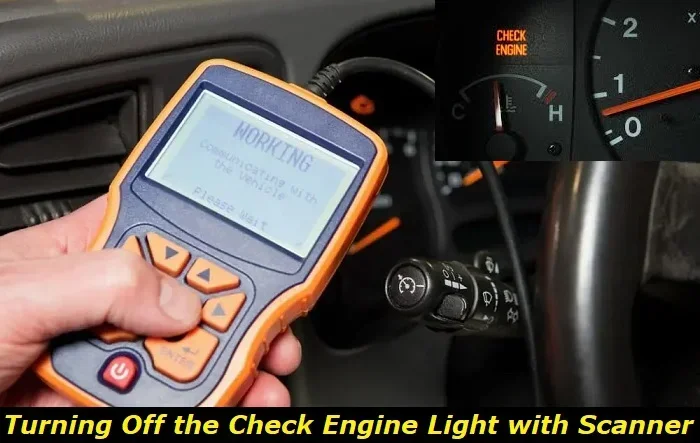
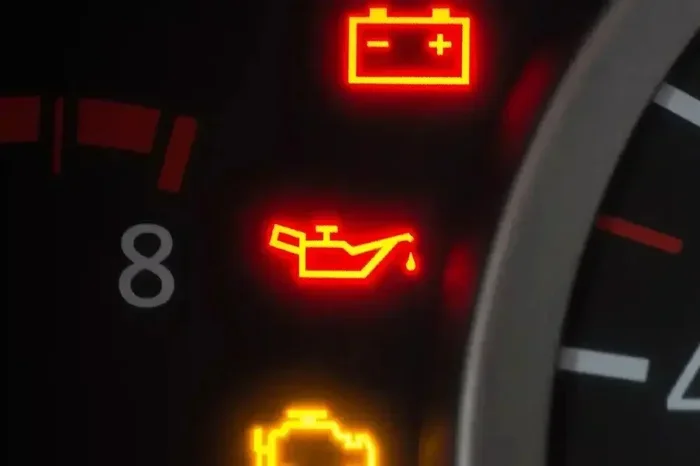
The check engine light may come on if the oil pressure drops. Some vehicles also have a specific oil pressure warning light that looks like an oil can. If you see this light, pull over safely and check your oil level. Low oil pressure means the engine is not getting the lubrication it needs. For more information on what the dashboard tells you about low oil, read our article on Does Low Engine Oil Show On The Dashboard.
Unusual Engine Noises
Old oil loses its ability to cushion engine parts. You might hear a ticking or tapping sound when the engine starts. This noise comes from valves and lifters that are not getting enough oil. In worse cases, you may hear a knocking sound from the bottom of the engine. That knock often means the bearings are worn from metal-on-metal contact. Noises like these should never be ignored.
Reduced Fuel Economy
When your engine runs on dirty oil, it works harder. The extra friction forces the engine to burn more fuel. You might notice you are filling up more often, even though your driving habits have not changed. This drop in fuel efficiency is a hidden cost of driving past your oil change. Clean oil keeps the engine running smoothly and helps you save at the pump.
Can Driving Past an Oil Change Cause Overheating?
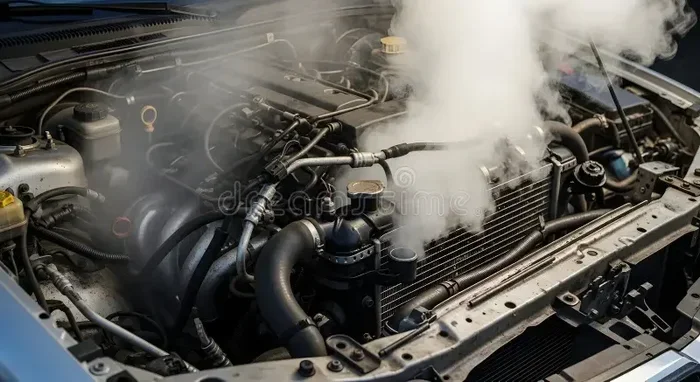
Yes, driving with old oil can absolutely cause your engine to overheat. Oil does more than lubricate; it also helps carry heat away from hot engine parts. When oil degrades, it cannot perform this cooling job effectively. The engine temperature rises, which can lead to warped parts, blown head gaskets, or a cracked engine block. To understand the link between low oil and overheating, see our detailed guide on Can A Car Overheat With Low Oil.
The Connection Between Oil and Engine Temperature
Engine oil circulates through the engine block and picks up heat. It then flows through the oil cooler or passes through the oil pan, where the heat dissipates. Dirty oil has a lower thermal capacity, meaning it cannot absorb as much heat before it breaks down further. As the oil temperature rises, it becomes even thinner or forms sludge. This creates a vicious cycle that accelerates engine wear and heat buildup.
What Happens When Oil Degrades
Degraded oil loses its ability to form a protective film between metal surfaces. The film is what prevents metal-to-metal contact. Without it, friction increases, and so does heat. In extreme cases, the engine can seize. A seized engine means the pistons have welded themselves to the crankshaft. This is a catastrophic failure that often requires a complete engine replacement or a very expensive rebuild.
Common Mistakes
- Assuming the oil looks fine just because it is not black.
- Believing synthetic oil never needs changing.
- Ignoring the oil change light because the car feels okay.
- Using the wrong oil viscosity for your engine.
How Long Can You Safely Drive Past an Oil Change?
The honest answer is: it depends. Some modern synthetic oils can last a little longer than conventional oils. But no oil lasts forever. Here is what you need to know about pushing the limit safely.
The 500-Mile Rule
Most mechanics agree that driving 500 miles past the recommended change is the absolute maximum for most vehicles. Beyond that, the oil’s protective properties drop significantly. If you have a turbocharged engine or drive in extreme conditions, you should not exceed 250 miles past the interval. Turbochargers run hotter and rely on clean oil to stay lubricated. Pushing past the limit in a turbo engine is especially risky.
Factors That Affect Oil Degradation
Several factors determine how fast oil breaks down. Short trips in cold weather cause moisture to build up in the oil. Towing heavy loads raises the oil temperature. Stop-and-go city driving creates more contaminants. Even the quality of the oil matters. Full synthetic oil resists breakdown better than conventional oil, but it still degrades over time. Understanding these factors helps you decide when to change your oil before the light comes on.
| Oil Type | Typical Interval | Maximum Safe Mileage Past Due |
|---|---|---|
| Conventional | 5,000 miles | 500 miles |
| Synthetic Blend | 7,500 miles | 750 miles |
| Full Synthetic | 10,000 miles | 1,000 miles |
Always check your owner’s manual for the manufacturer’s recommended interval. The table above gives general guidelines, but your vehicle’s specific needs may vary.
The Costly Consequences of Skipping Oil Changes
Putting off an oil change might save you $50 or $100 today, but it can cost thousands later. Engine repairs are among the most expensive car maintenance costs. Here is how skipping oil changes adds up.
Engine Repair Costs
A simple oil change costs between $40 and $100, depending on your vehicle and location. An engine rebuild can cost anywhere from $3,000 to $7,000. In some cases, a new engine costs even more. The math is clear: staying on top of oil changes saves you money in the long run. It is one of the cheapest ways to protect your biggest investment.
Long-Term Engine Wear and Sludge Buildup
Sludge is a thick, dark substance that forms when old oil breaks down and mixes with contaminants. Sludge clogs oil passages and starves the engine of lubrication. It also accelerates wear on the camshaft, crankshaft, and valve train. Once sludge builds up, it is very difficult to remove completely. Even a professional flush may not restore the engine to its original condition. The best cure is prevention through timely oil changes.
Warranty Voiding
Many car warranties require proof of regular oil changes. If you skip an oil change and the engine fails, the manufacturer may deny your warranty claim. Keeping a record of every oil change, including the date and mileage, protects your rights. Some dealers even offer free oil changes as part of a maintenance plan, so there is no excuse to skip them.
Expert Insight: Why Mechanics Stress Timely Oil Changes
Experienced mechanics often say, “Oil is the lifeblood of your engine.” They have seen what happens when drivers ignore oil change reminders. The most common repair they perform on neglected vehicles is engine replacement. They also note that drivers who stay on top of oil changes rarely face major engine problems. The message is simple: do not wait until the warning light comes on.
Key Takeaways
- Oil degrades over time: Even if you drive few miles, oil breaks down and loses its protective additives.
- Overheating and wear go hand in hand: Old oil cannot cool or lubricate effectively, leading to expensive repairs.
- Oil life monitors are guides, not guarantees: Use them as a reminder, but also check your oil manually.
- Warning signs include noise, heat, and reduced fuel economy: Act on these symptoms immediately.
- Synthetic oil lasts longer but still needs changing: Do not assume full synthetic means never changing the oil.
- Skipping oil changes can void your warranty: Keep records to protect yourself.
What happens if I drive past an oil change? The answer is clear: it risks your engine’s health and your wallet. Clean oil is one of the simplest and most affordable ways to keep your car running strong. Make oil changes a non-negotiable part of your maintenance routine. Your engine will thank you with years of reliable service.
Frequently Asked Questions
Can I drive 1000 miles past my oil change?
It is not recommended. Driving 1000 miles past the recommended interval significantly increases engine wear. The oil loses its lubricating and cooling properties, which can lead to overheating and sludge buildup. Always aim to change your oil within 500 miles of the recommended interval.
What are the symptoms of driving with old oil?
Common symptoms include a ticking engine noise, reduced fuel economy, a burning oil smell, and the oil pressure warning light. You may also notice dark, gritty oil on the dipstick. If you experience any of these signs, check your oil level and change it immediately.
Does synthetic oil last longer than conventional oil?
Yes, full synthetic oil typically lasts longer and resists breakdown better than conventional oil. However, it still degrades over time and with use. Follow your manufacturer’s recommended interval, even if you use synthetic oil.
Will the oil change light reset itself after I change the oil?
No, the oil change light will not reset automatically. You need to manually reset it after each oil change. Refer to your owner’s manual for the reset procedure specific to your vehicle model.
Can old oil cause a check engine light?
Yes, old oil can cause low oil pressure, which may trigger the check engine light. Degraded oil cannot maintain proper pressure, and the engine control unit may detect this as a problem. If the light comes on, check your oil level and condition right away.
How often should I check my oil level between changes?
You should check your oil level at least once a month or before a long trip. Use the dipstick to verify the level is between the minimum and maximum marks. Also, inspect the oil color and texture for any signs of contamination or degradation.