Should a Car Be Level When You Are Changing the Oil
Yes, a car should ideally be level when changing the oil to ensure proper drainage and an accurate dipstick reading. When a car is tilted, old oil can pool in one spot, leaving sludge behind. This simple step protects your engine and extends the life of your oil change routine.
Ever wondered if the angle of your car matters when you’re changing the oil? It might seem like a small detail, but it can make a big difference in how well your oil change goes. Whether you’re a DIY enthusiast or just trying to understand your car maintenance routine better, this topic comes up more often than you’d think.
The short answer is yes. Your car should be level when you change the oil. But there is more to it than just that one simple fact. From how oil flows out of the oil pan to how your dipstick reading turns out, the angle of your vehicle plays a bigger role than most people realize. Let us walk through everything you need to know.
Key Takeaways
- Level surface matters: Parking on a flat surface ensures all old oil drains completely from the oil pan.
- Drain plug positioning: The drain plug is at the bottom of the oil pan, so a tilted car leaves residual oil behind.
- Accurate dipstick reading: Checking oil on a level surface gives you a true measurement for proper lubrication.
- Safety first: Always use jack stands on a flat, hard surface when working under a vehicle.
- Engine health: Proper oil drainage prevents sludge buildup and supports long-term engine performance.
📑 Table of Contents
Why Level Ground Matters for an Oil Change
When you park your car on a slope or uneven surface, gravity works against you. Oil naturally flows downward, and if your car is tilted, the oil pan does not empty fully. This means some old, dirty oil stays trapped in the lowest corners of the pan. Over time, this leftover oil can mix with fresh oil and reduce its effectiveness.
Think of it like pouring water out of a bowl. If the bowl is flat on the table, every last drop comes out. But if you tilt the bowl, water pools on one side and a bit stays behind. The same principle applies to your car’s oil drain process. A level surface lets gravity do its job completely.
The Role of the Drain Plug
Your drain plug sits at the very bottom of the oil pan. When the car is level, the plug is at the lowest point, which means oil flows out freely and completely. If the car is tilted, the plug might not actually be the lowest point anymore. Oil pools away from the plug, and you end up leaving several ounces of used oil behind.
That might not sound like much, but even a small amount of old oil can contain harmful contaminants. These include metal particles, combustion byproducts, and moisture. When you mix that with fresh oil, you shorten the life of your new engine oil and put extra stress on your engine.
How Oil Viscosity Is Affected by Temperature and Position
Oil becomes thicker when it is cold and thinner when it is hot. When you change oil on a warm engine, the oil flows more easily. But if your car is on a hill, even warm oil can pool in certain areas. This is especially true for oils with higher viscosity ratings, like 10W-30 or 15W-40. Thicker oil resists flowing, so any tilt in the vehicle makes drainage even less effective.
For the best results, let your engine warm up for about three to five minutes before draining. This thins the oil and helps it flow out. Then make sure the car is on a flat surface before you start. This combination gives you the most complete oil drain possible.
How to Tell If Your Car Is Level
You do not need a special tool to check if your car is level. There are a few simple methods that work well and take just a moment.
Use a Bubble Level
A small bubble level is inexpensive and very accurate. Place it on the hood or the trunk lid. If the bubble sits in the center, your car is level. If it leans to one side, adjust your parking position. You can also place the level across the roof if the hood is not accessible.
Check with a Carpenter’s Level App
Many smartphones now come with a built-in level tool or a free app you can download. Hold your phone flat on the hood or trunk. The app will show you the angle of the surface. This is a quick and easy way to confirm your car is sitting flat before you begin your oil change.
Look at the Tires
Sometimes you can tell just by looking. If one side of the car looks lower than the other, your car is probably not level. This can happen if you park on a curb, a steep driveway, or an uneven gravel surface. Try to find a flat, paved area for your oil change.
What Happens If You Change Oil on a Slope
Changing oil on an unlevel surface might not cause instant damage, but it does create several problems over time. Here is what can go wrong.
Incomplete Drainage
This is the biggest issue. When oil does not fully drain, old contaminants stay in the engine. Dirty oil does not lubricate as well as clean oil. It also does not cool the engine as effectively. Over hundreds of miles, this leftover sludge can build up and lead to engine performance issues.
Inaccurate Dipstick Reading
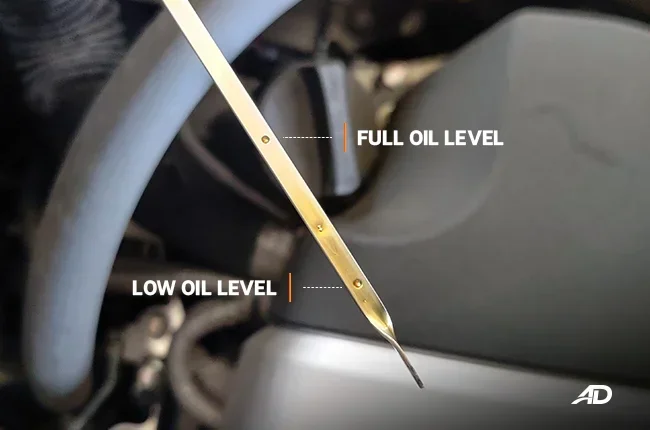
After you add new oil, you need to check the level with the dipstick. If the car is tilted when you do this, the reading will be wrong. Oil pools to one side of the oil pan, so the dipstick might show a lower level than what actually exists on the flat side. You might add too much oil or too little, both of which are bad for your engine.
For the most accurate reading, always check the oil after the car has been parked on a level surface for a few minutes. Let the oil settle back into the pan before you pull the dipstick.
Oil Pressure Problems
If you overfill oil because of a bad dipstick reading, you can create excess pressure inside the engine. Too much oil can get whipped up by the crankshaft, creating foam. Foamy oil does not lubricate properly. It can lead to increased wear on engine bearings and other internal components. This is why getting the oil change right from the start matters so much.
False Sense of Oil Level
Some drivers check their oil between changes and assume everything is fine because the dipstick looks normal. But if they always check on a slope, the reading is never accurate. This can mask a real oil leak or low oil condition. Checking on a level surface gives you confidence that your oil level is truly where it should be.
Step-by-Step Guide to Changing Oil on a Level Surface
Follow these steps to make sure your oil change goes smoothly and your engine stays protected.
Step 1: Park on a Flat, Hard Surface
Choose a flat driveway or garage floor. Avoid gravel, grass, or slopes. A hard surface also keeps your car stable when you jack it up if needed. Turn off the engine and let it cool for a few minutes, but not so long that the oil becomes too thick to drain.
Step 2: Gather Your Tools
You will need a few basic tools before you start. Make sure you have the correct size wrench for your drain plug, a new oil filter, a drain pan, a funnel, and the right type of fresh oil. Check your owner’s manual for the correct oil capacity and oil viscosity for your specific vehicle.
Step 3: Lift the Car Safely (If Needed)
If your drain plug is hard to reach, use a car jack and jack stands. Never rely on a jack alone. Place the jack on a solid part of the frame and then secure the car on jack stands. Always work on a level surface when using jack stands for safety.
Step 4: Drain the Old Oil
Place your drain pan under the plug. Remove the plug slowly and let the oil flow out completely. Wait at least five to ten minutes. You can gently tilt the drain plug area if needed, but the car itself should remain level. This ensures the maximum amount of old oil exits the pan.
Step 5: Replace the Oil Filter
While the oil is draining, swap out the old oil filter. Use a filter wrench if it is tight. Before installing the new filter, lightly coat the rubber gasket with a little fresh oil. This creates a better seal and makes future oil changes easier.
Step 6: Add Fresh Oil
Once the drain plug is back in and tightened to the right torque, use a funnel to add new oil. Pour in a little less than the recommended amount first. Then check the dipstick reading with the car on a level surface. Add more oil gradually until the level falls between the two marks on the dipstick.
Step 7: Run the Engine and Check Again
Start the engine and let it run for about thirty seconds. Check underneath for leaks around the drain plug and filter. Then turn off the engine and wait two to three minutes for the oil to settle. Check the dipstick one more time with the car still on a level surface. Top off if needed.
Common Mistakes People Make During Oil Changes
Even experienced car owners can slip up during an oil change. Here are some of the most common errors and how to avoid them.
Skipping the Level Surface Check
This is the number one mistake. Many people rush through the process and check the oil right away without making sure the car is flat. Always take the extra minute to confirm your parking spot is level.
Overtightening the Drain Plug
Crushing the drain plug or oil pan threads with too much force can cause leaks or even cracks. Use a torque wrench if you have one. Check your owner’s manual for the recommended torque specification.
Forgetting to Replace the Drain Plug Gasket
Some drain plugs have a small rubber or copper gasket. If this gasket is worn or missing, oil can leak from the plug area. Always inspect the gasket and replace it if needed.
Using the Wrong Oil
Not all engines use the same oil. Using the wrong oil viscosity can affect lubrication and engine performance. Always use the oil type recommended by your vehicle manufacturer. You can find this information in your owner’s manual or on the oil cap under the hood.
Ignoring the Oil Filter
A clogged or old oil filter does not trap contaminants effectively. Always install a new filter with every oil change. This is a small cost that pays off in long-term engine protection.
Expert Insights on Oil Change Best Practices
Professional mechanics agree that the details matter. A level car is just one piece of the puzzle, but it is an important one. Many certified technicians also recommend warming the engine slightly before draining, as this helps the oil flow more freely and carry more contaminants out with it.
Another expert tip is to double-check your oil capacity after the change. Different vehicles can vary slightly, even within the same model year. Always refer to your specific owner’s manual rather than relying on generic online guides. If you are unsure about any step, it never hurts to consult a trusted mechanic or refer to detailed resources about car maintenance procedures.
Some drivers also wonder about oil change frequency. While modern synthetic oils can last longer than older conventional oils, always follow the manufacturer’s recommended schedule. Changing your oil too early wastes money, but changing it too late can harm your engine. The right balance keeps your car running strong for years.
Key Takeaways
- Always park on a level surface: This ensures complete oil drainage and an accurate dipstick reading.
- Let the engine warm up slightly: Warm oil flows better and carries more contaminants out of the engine.
- Use the right oil and filter: Check your owner’s manual for the correct oil viscosity and filter type.
- Never skip the gasket check: A worn drain plug gasket can cause slow leaks that damage your engine over time.
- Check oil on a level surface: This gives you the most accurate reading and prevents overfilling or underfilling.
- Follow the recommended oil change frequency: Sticking to the schedule protects your engine performance and longevity.
Conclusion
Changing your oil is one of the most important car maintenance tasks you can do. And making sure your car is level during the process is a simple step that pays big rewards. When you take a few extra minutes to park on a flat surface, you get better oil drainage, more accurate readings, and a healthier engine over time.
Do not overlook the small things. They add up. A level car, the right oil, a fresh filter, and a properly tightened drain plug all work together to keep your engine running smoothly. If you have ever wondered whether it really matters, the answer is yes, it absolutely does.
Next time you are ready for an oil change, take a moment to check your parking spot. Your engine will thank you for it. And if you want to learn more about related topics like how oil life percentage works or how to tell if your oil level is low, check out our guides on At What Percent Oil Life Should You Change Oil, Does Low Engine Oil Show On The Dashboard, and Does It Really Matter What Oil I Put In My Car. These resources will help you get the full picture of keeping your car in top shape.
Stay proactive with your car maintenance routine. A little attention to detail today saves you from expensive repairs tomorrow. Your car is a big investment, and simple habits like parking level during oil changes go a long way toward protecting it.
Frequently Asked Questions
Can I change my oil in my driveway if it is slightly sloped?
A slight slope might not cause major problems, but it is best to find a flat spot whenever possible. Even a small tilt can leave old oil trapped in the corners of the oil pan. If your driveway slopes, try parking with the front wheels turned uphill so the car sits as level as you can get it.
How long should I wait after driving before checking the oil level?
Wait about two to three minutes after turning off the engine. This gives the oil time to drain back into the oil pan. For the most accurate reading, make sure the car is on a level surface during this waiting period.
What happens if I overfill my engine with oil?
Overfilling can cause the oil to foam when the crankshaft spins. Foamy oil loses its lubricating ability and can lead to increased engine wear. If you suspect you overfilled, drain the excess oil to bring the level back to the proper range on the dipstick.
Do I need to use a torque wrench for the drain plug?
It is highly recommended. A torque wrench ensures you tighten the plug enough to prevent leaks without damaging the threads. Over-tightening can strip the plug or crack the oil pan, both of which lead to costly repairs.
How often should I check my oil level between changes?
Checking your oil once a month is a good habit. Always do this with the car parked on a flat surface and the engine cool. This gives you a reliable reading and helps you catch any leaks or low oil conditions early.
Can old oil damage my engine even if I change it regularly?
Yes, if old oil is not fully drained during an oil change, the remaining contaminated oil mixes with the fresh oil. This reduces the effectiveness of the new oil and can lead to sludge buildup over time. Always ensure your car is level so the old oil drains completely.