How to Cheaply Fix a Catalytic Converter on a Budget
A failing catalytic converter doesn’t have to drain your wallet. This guide covers affordable ways to cheaply fix a catalytic converter, from simple DIY cleaning methods to smart repair decisions. You’ll learn the warning signs, budget-friendly fixes, and prevention tips that keep your car running smoothly and your expenses low.
Your catalytic converter works hard every single day. It cleans up your car’s exhaust fumes and keeps emissions in check. But when it starts to fail, the repair bill can make your stomach drop. A brand-new converter can cost over a thousand dollars, and that number scares a lot of car owners away from fixing it at all.
Here’s the good news. You don’t always need to spend that kind of money. There are plenty of ways to cheaply fix a catalytic converter on a tight budget. Some fixes cost almost nothing. Others require a small investment but still save you hundreds compared to a full replacement. Whether you’re handy with tools or prefer simple solutions, this guide has you covered.
We’ll walk through exactly what your catalytic converter does, how to spot early trouble, and the most affordable repair options available. You’ll also learn how to prevent problems before they start. By the end, you’ll feel confident tackling this repair without emptying your piggy bank.
Key Takeaways
- DIY cleaning can save hundreds: Simple methods like fuel additives and manual cleaning can restore function without a shop visit.
- Know when to repair vs. replace: Understanding the damage level helps you choose the most affordable path.
- Watch for early warning signs: Catching problems early prevents costly repairs down the road.
- Preventive maintenance extends lifespan: Regular care keeps your catalytic converter healthy for years.
- Budget fixes exist for every wallet: From free home remedies to affordable parts, options abound.
- Driving with a bad converter has risks: Know the limits before deciding to keep driving.
📑 Table of Contents
Understanding Your Catalytic Converter
What Does a Catalytic Converter Actually Do?
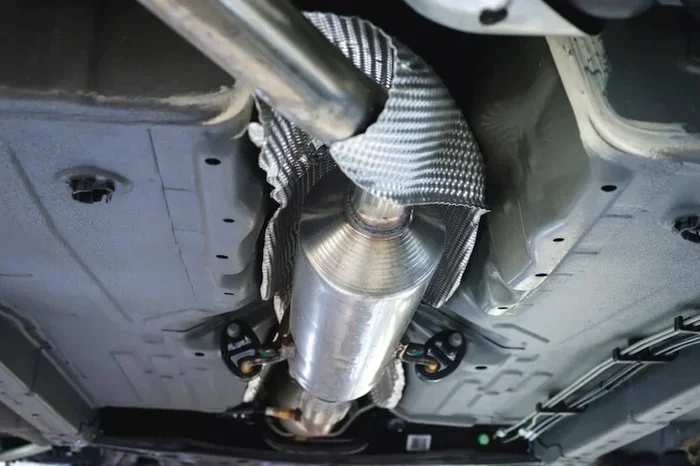
Your catalytic converter sits in the exhaust system between the engine and the tailpipe. Its job is to convert harmful gases into less dangerous ones before they leave the car. Think of it as a filter for your exhaust. It turns carbon monoxide, nitrogen oxides, and hydrocarbons into carbon dioxide, nitrogen, and water vapor.
Without a working converter, your car pollutes more and may fail emissions testing. It can also run poorly or lose power over time. That’s why keeping it in good shape matters so much for both performance and the environment.
Why Do Catalytic Converters Fail?
Several things can cause a catalytic converter to go bad. Age and mileage are the most common culprits. Over time, the internal honeycomb structure gets clogged or coated with residue. But other factors play a role too.
Engine misfires send unburned fuel into the exhaust, which can overheat and damage the converter. Oil or coolant leaks contaminate the system. A faulty oxygen sensor can send the wrong data to your engine computer, causing the converter to work harder than it should. Sometimes the problem starts somewhere else in the car and eventually hurts the converter.
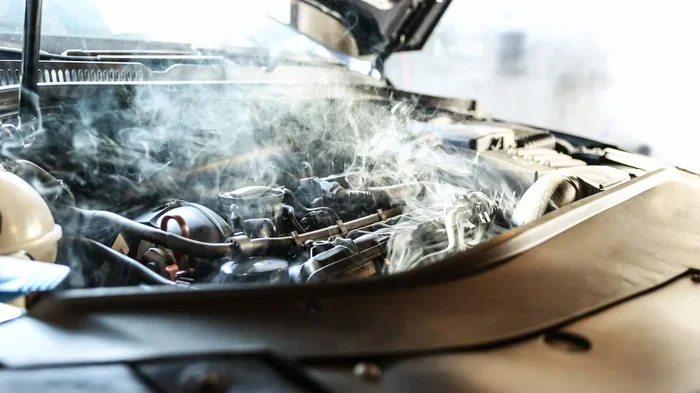
Interestingly, a clogged catalytic converter can even cause your engine to overheat. When exhaust flow gets restricted, heat builds up in the system. This creates a cycle of damage that gets worse over time if you ignore it.
Signs Your Catalytic Converter Is Going Bad
Warning Lights and Dashboard Alerts
The check engine light is often the first clue. Your car’s computer monitors the catalytic converter through oxygen sensors. When efficiency drops, the light comes on. You might see a specific code like P0420 or P0430 that points directly to converter issues.
Don’t ignore this warning. The longer you wait, the worse the damage gets. A small problem today becomes a big repair bill tomorrow.
Performance Changes to Watch For
Your car will tell you when something’s wrong. Pay attention to these common signs:
- Reduced acceleration: The car feels sluggish or weak when you press the gas.
- Dark exhaust smoke: Black or gray smoke coming from the tailpipe signals a problem.
- Rotten egg smell: A sulfur or rotten egg odor from the exhaust is a classic indicator.
- Rattling noises: A rattling sound from underneath the car, especially when starting or idling.
- Poor fuel economy: You’re visiting the gas station more often than usual.
- Failed emissions test: Your car doesn’t pass state inspection.
If you notice a combination of these symptoms, your converter likely needs attention. A bad catalytic converter can also cause your car to overheat in some cases, so don’t ignore the signs.
Can You Still Drive With a Bad Converter?
In many cases, you can keep driving for a while with a failing converter. But it’s not a great long-term plan. A severely clogged converter can limit exhaust flow and strain your engine. Some drivers wonder about removing the converter entirely. For example, if you drive a Tacoma, you might search for can I drive my Tacoma without a catalytic converter. The short answer is yes, technically, but it’s illegal in most states and harmful to your engine.
The smart move is to fix the problem as soon as you can. The longer you drive with a bad converter, the more damage it can cause to other parts of your exhaust system.
Cheap Ways to Fix a Catalytic Converter
Option 1: Fuel Additives and Fuel System Cleaners
One of the cheapest and easiest fixes costs just a few dollars. Fuel additives designed to clean your exhaust system can break up light deposits inside the catalytic converter. Products like catalytic converter cleaner or fuel system cleaner work by softening carbon buildup during normal driving.
Here’s how to do it:
- Buy a quality catalytic converter cleaner from an auto parts store.
- Add the full bottle to your gas tank.
- Let the car idle for about 10 minutes so the cleaner circulates.
- Drive the car for 30 to 50 miles at highway speeds.
- Check if symptoms improve after a few days.
This method works best for mild clogs and early-stage buildup. It won’t fix a converter that’s physically damaged or melted inside. But for many drivers, it’s all they need to restore performance.
Option 2: Manual Cleaning
If the additive method doesn’t work, you can try manually cleaning the converter. This requires getting under the car and removing the unit for inspection. Here’s what to do:
- Raise the car safely on a jack or drive it onto ramps.
- Locate the catalytic converter along the exhaust system.
- Remove the oxygen sensors and mounting bolts carefully.
- Take the converter out and inspect the honeycomb structure inside.
- Use a wire brush or high-pressure washer to clean off carbon deposits.
- Soak the converter in a degreaser solution for stubborn buildup.
- Let it dry completely before reinstalling.
This method takes some elbow grease but can save you hundreds of dollars. It works well for converters that are clogged but not cracked or melted. Just be careful not to damage the honeycomb structure during cleaning.
Option 3: Oxygen Sensor Replacement
Sometimes the problem isn’t the converter itself but a faulty oxygen sensor. A bad sensor can cause the converter to work overtime and eventually fail. Replacing an oxygen sensor costs between $50 and $200 for parts and labor, which is much cheaper than a full converter replacement.
Have a mechanic scan your car’s computer to find the exact issue. If the oxygen sensor is the culprit, swapping it out might solve everything. This is one of those cases where a small fix prevents a big expense.
Option 4: Exhaust System Repairs
Sometimes leaks or damage elsewhere in the exhaust system mimic converter problems. A cracked exhaust manifold, a loose gasket, or a damaged pipe can all cause similar symptoms. Fixing these smaller issues costs a fraction of a converter replacement.
Ask a trusted mechanic to inspect the entire exhaust system before you commit to a converter repair. You might save a lot of money by fixing the real problem instead.
Option 5: Used or Refurbished Catalytic Converters
If you do need a replacement, consider a used or refurbished converter. Auto salvage yards often have used converters for a fraction of the new price. Some shops also offer refurbished units that have been cleaned and tested.
Just make sure the used part comes from a compatible vehicle. Check the part number and fitment before purchasing. A used converter typically costs between $100 and $400, compared to $500 or more for a new one.
DIY Fixes You Can Try at Home
The Seafoam Cleaner Method
Seafoam is a popular cleaning product that many car owners swear by. It works as a fuel additive and can help clean carbon deposits from your exhaust system. Pour a can of Seafoam into your gas tank and drive the car normally for a few days. Some drivers report noticeable improvement in exhaust flow and engine performance after just one treatment.
This is one of the cheapest catalytic converter fixes available. A can of Seafoam costs around $10 to $15. It’s worth trying before spending big money on professional repairs.
The Lacquer Thinner Method
Another budget-friendly approach involves lacquer thinner. Add a gallon of lacquer thinner to a full tank of gas and drive the car for about 150 miles. The harsh chemicals help dissolve carbon deposits in the exhaust system, including the catalytic converter.
Use this method sparingly. Lacquer thinner is strong and can damage rubber seals or other components if used too often. Once is usually enough to break up buildup. Afterward, fill up the tank with fresh gas to dilute any remaining cleaner.
When DIY Fixes Don’t Work
Not every converter problem can be solved at home. If the internal honeycomb structure is melted, cracked, or physically broken, no amount of cleaning will help. You’ll need a replacement part in that case. Here are signs that DIY won’t be enough:
- The converter is visibly damaged or dented.
- You hear a loud rattling noise from inside the unit.
- The check engine light stays on after cleaning attempts.
- Your car fails an emissions test even after treatment.
- You notice a significant loss of power while driving.
Don’t keep throwing money at a problem that needs a real fix. Know when to step back and look at professional options.
When to Seek Professional Help
Cost Comparison: Repair vs. Replace
Understanding the cost difference helps you make the right decision. Here’s a quick comparison:
| Repair Option | Average Cost | Best For |
|---|---|---|
| Fuel additive cleaning | $10 – $30 | Mild clogs and early buildup |
| Manual cleaning | $20 – $50 (DIY) | Moderate clogs, DIYers |
| Oxygen sensor replacement | $50 – $200 | Sensor-related issues |
| Exhaust leak repair | $100 – $300 | Leaks mimicking converter problems |
| Used/refurbished converter | $100 – $400 | Physical damage requiring replacement |
| New catalytic converter | $500 – $2,500 | Severe damage or melted converter |
The cheapest catalytic converter fix is almost always the one you do early. That’s why catching the problem early makes such a big difference. A simple cleaner that costs $15 today can prevent a $1,500 replacement next year.
Finding Affordable Repair Shops
If you need professional help, there are ways to keep costs down. Look for independent mechanics instead of dealerships. They typically charge less for labor. Get quotes from at least three shops before committing. Ask about warranty options on the repair work. Some shops offer payment plans or discounts for upfront payment.
You can also check online reviews and ask friends for recommendations. A good mechanic who’s honest and fair is worth their weight in gold. Trustworthy shops won’t upsell you on repairs you don’t need.
Preventing Future Catalytic Converter Problems
Regular Maintenance Habits
The best way to avoid expensive catalytic converter repairs is to prevent problems in the first place. A few simple habits go a long way:
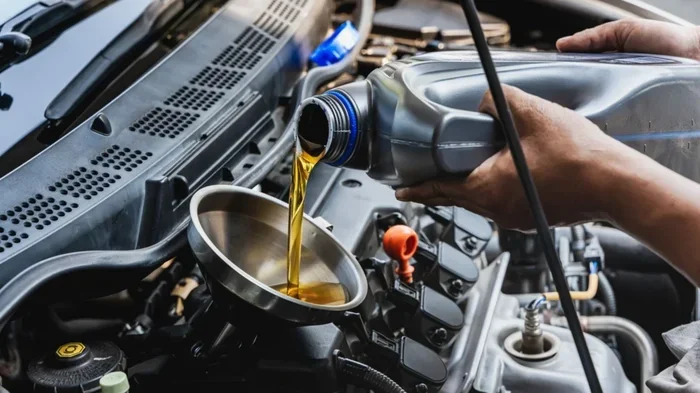
- Change your oil regularly: Fresh oil prevents contaminants from entering the exhaust system.
- Fix engine misfires quickly: Unburned fuel damages converters over time.
- Use quality fuel: Cheap gas contains more impurities that create buildup.
- Check for fluid leaks: Oil and coolant leaks can contaminate the converter.
- Run a fuel system cleaner annually: Regular cleaning prevents carbon buildup.
Watch Your Driving Habits
How you drive affects your catalytic converter’s health. Short trips that don’t let the engine fully warm up can cause moisture buildup inside the converter. Over time, this moisture creates rust and corrosion. Try to take longer drives when possible to let the exhaust system fully dry out.
Avoid hauling heavy loads constantly. Extra weight puts more strain on your engine and exhaust system. If you notice any warning signs, get your car checked right away. Early detection saves money and prevents cascading damage to other components.
The Importance of Emissions Testing
If your state requires emissions testing, don’t skip it. These tests catch converter problems early before they become expensive failures. A failing converter will show up clearly on an emissions test, giving you time to address it affordably rather than waiting until the car breaks down.
Final Thoughts
Fixing a catalytic converter doesn’t have to cost a fortune. From a $10 fuel additive to a manual cleaning job, there are many ways to cheaply fix a catalytic converter and get your car running right again. The key is catching the problem early and choosing the right fix for the level of damage you’re dealing with.
Start with the cheapest options first. Try a fuel additive or cleaner before spending hundreds on parts. Get a professional diagnosis if the problem persists. And most importantly, take care of your car with regular maintenance so you don’t end up in this situation again.
A little knowledge and a small investment can keep your catalytic converter healthy for years. Your wallet will thank you, and so will your car.
Frequently Asked Questions
Can I drive my car with a bad catalytic converter?
In most cases, you can drive short distances with a failing converter, but it’s not recommended for long periods. A severely clogged converter can cause overheating and damage to other engine components. If you notice warning signs, have the converter inspected as soon as possible.
How much does it cost to fix a catalytic converter cheaply?
Budget-friendly fixes range from $10 for fuel additives to $200 for manual cleaning or oxygen sensor replacement. The exact cost depends on the severity of the problem and which method you choose. Early intervention always costs less than waiting until the converter fails completely.
Can a clogged catalytic converter cause overheating?
Yes, a clogged catalytic converter restricts exhaust flow, which causes heat to build up in the system. This can lead to engine overheating and additional damage if left unaddressed. If your car is overheating along with converter symptoms, get it checked right away.
How long does a catalytic converter last?
A catalytic converter typically lasts between 70,000 and 100,000 miles, but this varies based on driving habits, fuel quality, and maintenance. Regular care and timely repairs can extend its lifespan significantly. Poor maintenance or engine problems can shorten it considerably.
Is it legal to remove a catalytic converter?
No, removing a catalytic converter is illegal in most states under federal emissions regulations. Doing so can result in fines and failed inspections. It also harms the environment and can damage your engine over time. Always repair or replace a faulty converter rather than removing it.
What’s the difference between a clogged and a bad catalytic converter?
A clogged converter has restricted exhaust flow due to carbon buildup or debris, but the internal structure may still be intact. A bad converter often means physical damage like melting, cracking, or a broken honeycomb structure. Clogs are usually cheaper and easier to fix than a physically damaged converter.