TPMS Sensor Replacement Cost Breakdown and Price Guide
The TPMS sensor replacement cost typically ranges from $50 to $250 per sensor, with most drivers paying between $100 and $200 per sensor including labor. Your final TPMS sensor replacement cost depends on your vehicle make and model, whether you choose OEM or aftermarket parts, and where you have the work done. Understanding these factors helps you budget confidently and avoid unnecessary expenses.
Your tire pressure monitoring system light just popped on, and your mind races through worst-case scenarios. Before you panic, take a breath. A TPMS sensor replacement cost is usually far more manageable than most drivers expect. The TPMS sensor replacement cost typically falls between $50 and $250 per sensor, and understanding what drives that number puts you back in control. In this guide, we break down every factor that influences pricing so you know exactly what to expect before walking into a shop.
TPMS stands for Tire Pressure Monitoring System, and it plays a critical role in keeping you safe on the road. When a sensor fails, your car cannot accurately track tire pressure, which affects fuel efficiency, tire wear, and driving safety. Replacing a faulty sensor promptly prevents bigger problems down the road. Let us walk through everything you need to know about the TPMS sensor replacement cost, from parts pricing to labor fees and everything in between.
Key Takeaways
- Average Cost: Expect to pay $50 to $250 per sensor for TPMS sensor replacement, with labor adding $20 to $50 per sensor.
- OEM vs Aftermarket: OEM sensors cost more but offer perfect compatibility, while aftermarket options can save you 30 to 50 percent.
- Vehicle Matters: Luxury and European vehicles often have higher TPMS sensor replacement costs due to specialized parts and labor.
- DIY Option: Skilled car owners can save on labor by replacing TPMS sensors themselves, but proper programming is essential.
- Reset Required: After replacement, you will likely need to reset your TPMS system to clear the warning light.
- Parts Availability: TPMS sensors sometimes face backorder delays, which can extend your wait time and affect overall cost.
📑 Table of Contents
- What Is a TPMS Sensor and Why Does It Matter?
- TPMS Sensor Replacement Cost Breakdown
- Factors That Affect TPMS Sensor Replacement Cost
- OEM vs Aftermarket TPMS Sensors: Which Should You Choose?
- The Replacement Process: What to Expect
- DIY TPMS Sensor Replacement: Can You Save Money?
- How Long Does the TPMS Sensor Replacement Take?
- Common Mistakes to Avoid When Replacing TPMS Sensors
- How to Lower Your TPMS Sensor Replacement Cost
- When Should You Replace Your TPMS Sensor?
- Expert Insights on TPMS Sensor Replacement
- Key Takeaways
- Conclusion
What Is a TPMS Sensor and Why Does It Matter?
A TPMS sensor is a small electronic device mounted inside each tire, usually attached to the valve stem. It continuously monitors the air pressure inside your tires and sends real-time data to your car’s computer. When pressure drops below the recommended level, the tire pressure warning light on your dashboard illuminates.
There are two types of TPMS systems. Direct TPMS uses a physical sensor inside each tire to measure pressure. Indirect TPMS uses your car’s ABS wheel speed sensors to detect differences in tire rotation that indicate low pressure. Most modern vehicles use direct TPMS because it provides more accurate readings.
Why does this matter for your wallet? A failed TPMS sensor does more than trigger a dashboard warning. It can reduce fuel efficiency, cause uneven tire wear, and compromise handling. Ignoring a TPMS issue can lead to premature tire replacement, which costs significantly more than a sensor fix. That is why understanding the TPMS sensor replacement cost upfront is so valuable.
TPMS Sensor Replacement Cost Breakdown
The TPMS sensor replacement cost varies based on several factors, but here is a detailed look at what goes into the final number you see on the repair invoice.
Parts Cost
The sensor itself is the biggest variable. Single sensors range from $15 to $100 depending on brand and type. Most vehicles require four sensors if multiple have failed. Here is a quick look at typical parts pricing:
- Budget aftermarket sensor: $15 to $35 each
- Mid-range aftermarket sensor: $35 to $65 each
- OEM sensor: $50 to $100 each
- Premium sensor with programming included: $60 to $100 each
Buying sensors in sets of four often lowers the per-unit price. Some retailers also bundle sensors with new valve stems, which saves you an extra $5 to $15 per wheel.
Labor Cost
Labor for TPMS sensor replacement usually runs between $20 and $50 per sensor. The process involves removing the tire, extracting the old sensor, installing the new one, and reinstalling the tire. Some shops charge a flat rate for all four sensors, which can range from $80 to $200 total for labor.
Programming and Registration Fees
After installing a new sensor, the system must be programmed to recognize it. This step requires specialized diagnostic tools. Some shops include programming in their labor rate, while others charge separately. Programming fees typically range from $10 to $30 per sensor.
Total Average Cost
For a single sensor replacement, most drivers pay between $100 and $200 total. Replacing all four sensors can cost $200 to $800 depending on your choices. The TPMS sensor replacement cost is well worth the investment when you consider the safety and efficiency benefits.
Factors That Affect TPMS Sensor Replacement Cost
Not all TPMS replacements cost the same. Several factors influence the final price, and knowing them helps you make smart decisions.
Vehicle Make and Model
Your vehicle type has a significant impact on cost. Standard sedans and compact cars generally use affordable, widely available sensors. Luxury vehicles, European brands, and trucks often require specialized sensors that cost more. For example, a TPMS sensor for a Toyota Camry is typically less expensive than one for a BMW or Mercedes-Benz.
OEM vs Aftermarket Parts
Original Equipment Manufacturer sensors are built to the exact specifications of your vehicle. They cost more but guarantee compatibility. Aftermarket sensors are made by third-party manufacturers and offer significant savings. However, some aftermarket sensors may require additional programming steps or may not integrate seamlessly with certain vehicle models.
When weighing OEM vs aftermarket options, consider your vehicle age and warranty status. Newer cars under warranty may benefit from OEM parts, while older vehicles often work perfectly well with quality aftermarket sensors.
Where You Get the Work Done
Your choice of service provider affects pricing significantly. Dealerships typically charge the highest rates, often $80 to $150 per hour for labor. Independent tire shops and auto repair stores usually offer lower labor rates. Some retailers like Walmart and Tire Rack even offer TPMS sensor packages that include parts, labor, and programming at competitive prices.
Number of Sensors Being Replaced
Replacing one sensor costs less per unit than replacing four. Shops often offer discounted rates when you replace multiple sensors at once. If one sensor fails, the others may not be far behind since they share the same age and exposure to road conditions.
Additional Repairs Needed
Sometimes a failed TPMS sensor reveals other issues. Corroded valve stems, damaged tire beads, or faulty diagnostic modules can add to the TPMS sensor replacement cost. A thorough inspection during the replacement process helps catch these problems early.
OEM vs Aftermarket TPMS Sensors: Which Should You Choose?
Choosing between OEM and aftermarket sensors is one of the biggest decisions affecting your TPMS sensor replacement cost. Here is a detailed comparison to help you decide.
| Factor | OEM Sensors | Aftermarket Sensors |
|---|---|---|
| Price per sensor | $50 to $100 | $15 to $65 |
| Compatibility | Guaranteed | Varies by brand |
| Programming ease | Plug-and-play with most systems | May require extra steps |
| Warranty | Typically 1 to 2 years | 6 months to 1 year |
| Durability | Excellent | Good to excellent |
| Availability | May face backorder delays | Widely available |
Aftermarket sensors have improved dramatically in recent years. Many reputable brands now offer sensors with built-in programming tools that make installation straightforward. If you are looking to minimize your TPMS sensor replacement cost without sacrificing quality, a mid-range aftermarket sensor is often the best choice.
One thing to keep in mind: some aftermarket sensors may not be immediately recognized by your vehicle’s system. You might need to drive a short distance after installation for the system to register the new sensor. If you experience persistent issues, you may need to reset your TPMS following the replacement.
The Replacement Process: What to Expect
Understanding the replacement process helps demystify the TPMS sensor replacement cost and sets realistic expectations for your visit to the shop.
Step 1: Diagnosis
The technician connects a diagnostic scanner to your vehicle’s OBD-II port to identify which sensor has failed. This step usually takes just a few minutes and may be included in the service charge.
Step 2: Tire Removal
The affected tire is removed from the wheel using a tire machine. This gives the technician access to the sensor mounted on the valve stem or seated inside the tire.
Step 3: Sensor Removal and Installation
The old sensor is carefully extracted, and the new sensor is installed. Most modern sensors thread directly into the valve stem. The technician ensures a proper seal to prevent air leaks.
Step 4: Tire Remount and Inflation
The tire is remounted on the wheel, inflated to the correct pressure, and balanced. This step ensures your tire performs safely and efficiently after the replacement.
Step 5: Programming and Testing
The new sensor is programmed into the vehicle’s system using a diagnostic tool. The technician then tests the system to confirm the warning light has cleared and the sensor is transmitting correctly.
Some vehicles require a TPMS relearn procedure, which involves driving the car at a steady speed for a short distance. This step allows the system to pair with the new sensor. If you are curious about related TPMS procedures, learning about TPMS reset procedures can give you helpful context.
Quick Tips for TPMS Sensor Replacement
- Replace all sensors in pairs if your vehicle is older than five years, since the remaining sensors may fail soon too.
- Ask about bundled pricing when replacing multiple sensors, as many shops offer discounts.
- Keep your old sensors if they are not damaged, as they may be useful as spares.
- Check your tire pressure manually after replacement to confirm the system is reading accurately.
DIY TPMS Sensor Replacement: Can You Save Money?
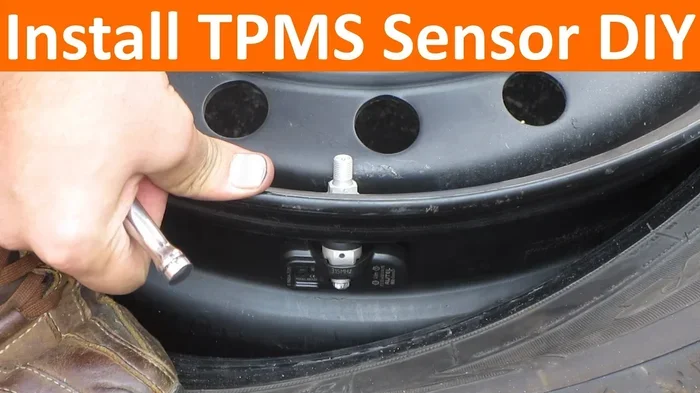
Technically, you can replace a TPMS sensor yourself if you have the right tools and mechanical experience. DIY replacement eliminates labor costs, which can save you $80 to $200 depending on the number of sensors.
However, DIY replacement comes with challenges. You need a TPMS sensor tool to program the new sensor, a tire machine to remove and remount the wheel, and diagnostic equipment to confirm the system is working correctly. Without these tools, the savings shrink quickly.
For most drivers, professional replacement is the smarter choice. The TPMS sensor replacement cost for professional service includes expertise, proper equipment, and warranty coverage on both parts and labor. Attempting a DIY fix without the right tools can lead to improper installation, air leaks, or a persistent warning light that requires additional repair.
If you do decide to go the DIY route, purchase sensors that come with programming instructions and a compatible activation tool. Always verify compatibility with your specific vehicle before ordering parts.
How Long Does the TPMS Sensor Replacement Take?
Replacing a single TPMS sensor typically takes 20 to 30 minutes per wheel. If all four sensors need replacement, expect the total service time to be around one to two hours. Programming and system verification add another 10 to 15 minutes in most cases.
Parts availability can affect turnaround time. If your vehicle requires a specialized sensor that is currently on backorder, the wait time could extend by several days. Ordering parts in advance and confirming availability before scheduling your appointment helps avoid delays.
Common Mistakes to Avoid When Replacing TPMS Sensors
Avoiding common mistakes helps you control the TPMS sensor replacement cost and ensures a smooth, lasting repair.
- Skipping programming: A new sensor will not work without proper programming. Always confirm the shop includes this step in the service.
- Mixing sensor types: Using different sensor brands on the same vehicle can cause compatibility issues and system errors.
- Ignoring the TPMS reset: After replacement, the system may need a reset to clear the dashboard warning. If the light stays on, it could indicate an incomplete installation.
- Choosing the cheapest option: Ultra-budget sensors may fail within months, costing you more in the long run. Invest in quality parts from reputable brands.
- Neglecting valve stem condition: If the valve stem is corroded or damaged, replacing it along with the sensor prevents air leaks and future problems.
How to Lower Your TPMS Sensor Replacement Cost
There are several practical ways to reduce your TPMS sensor replacement cost without sacrificing quality.
- Compare prices across multiple shops. Call three or four local tire shops and ask for a detailed quote that includes parts, labor, and programming.
- Buy sensors online. Purchasing sensors from online retailers and having a shop install them can save 20 to 40 percent on parts costs.
- Replace sensors in sets. If multiple sensors need replacement, buying them together often unlocks bulk pricing.
- Check for recalls or promotions. Some manufacturers offer TPMS sensor replacement programs or discounts for specific vehicle models.
- Maintain your tires properly. Regular tire pressure checks and valve stem inspections extend TPMS sensor life and reduce the frequency of replacements.
For broader context on vehicle maintenance costs, understanding how much other common repairs cost can help you prioritize your budget. For instance, comparing the TPMS sensor replacement cost to something like windshield replacement costs gives you a sense of where this repair falls on the spectrum of common car expenses.
When Should You Replace Your TPMS Sensor?
TPMS sensors typically last between five and ten years, depending on driving conditions and exposure to road hazards. Here are the signs that it is time for a replacement:
- The tire pressure warning light stays on even after you inflate your tires to the correct pressure.
- The light flashes for 60 to 90 seconds when you start the car and then stays solid.
- Your tire pressure readings are inconsistent across tires.
- You have hit a pothole or curb and the light appeared shortly after.
- Your vehicle is more than five years old and has never had a sensor replaced.
Replacing a sensor at the first sign of failure prevents the small TPMS sensor replacement cost from growing into a larger problem. A failed sensor can lead to undetected low tire pressure, which reduces fuel economy, accelerates tire wear, and increases the risk of a blowout.
Expert Insights on TPMS Sensor Replacement
Industry professionals agree that proactive TPMS maintenance saves money over time. According to automotive experts, replacing TPMS sensors in pairs or sets every five to seven years is a smart preventive measure. This approach ensures consistent readings across all tires and reduces the likelihood of unexpected failures.
Experts also recommend always using the same sensor type across all wheels. Mixing OEM and aftermarket sensors, or using different brands, can create communication errors within the TPMS network. Sticking with one consistent system keeps your dashboard warnings reliable and your TPMS sensor replacement cost predictable.
Another expert tip: always request a post-replacement test drive. This allows the technician to verify the system is functioning correctly at highway speeds and under various driving conditions. A quick test drive catches programming errors before they become costly comebacks.
Key Takeaways
- Average TPMS Sensor Replacement Cost: $100 to $200 per sensor including parts and labor, with full sets ranging from $200 to $800.
- OEM vs Aftermarket: OEM sensors cost more but guarantee compatibility, while quality aftermarket sensors offer significant savings.
- Vehicle Type Matters: Luxury and European vehicles typically have higher replacement costs due to specialized parts.
- DIY Can Save Money: But only if you have the right tools and experience. Professional installation is recommended for most drivers.
- Programming Is Essential: Never skip the programming step, as a new sensor will not function without it.
- Preventive Maintenance: Regular tire care extends sensor life and reduces long-term TPMS sensor replacement costs.
Conclusion
The TPMS sensor replacement cost is a small price to pay for the safety, efficiency, and peace of mind that a functioning tire pressure monitoring system provides. Whether you choose OEM or aftermarket sensors, professional or DIY installation, understanding the factors that drive pricing puts you in the best position to make a confident decision.
Most drivers can expect to spend between $100 and $200 per sensor, with full four-sensor replacements costing $200 to $800 depending on their vehicle and part choices. By comparing quotes, buying quality parts, and staying on top of tire maintenance, you can keep your TPMS sensor replacement cost manageable and your vehicle running safely for years to come.
Do not ignore that TPMS warning light. Addressing it promptly with a proper sensor replacement protects your tires, your fuel economy, and most importantly, your safety on the road. The TPMS sensor replacement cost is one of the most worthwhile investments you can make in your vehicle’s maintenance routine.
Frequently Asked Questions
How much does it cost to replace one TPMS sensor?
The TPMS sensor replacement cost for a single sensor typically ranges from $100 to $200, which includes the sensor part ($15 to $100) and labor ($20 to $50). Aftermarket sensors generally cost less than OEM parts, and prices vary based on your vehicle make and model.
Can I drive my car with a broken TPMS sensor?
Yes, you can drive with a failed TPMS sensor, but you should not ignore the warning light. Without a functioning sensor, your vehicle cannot alert you to low tire pressure, which affects safety and fuel efficiency. It is best to address the issue promptly to avoid potential tire damage or blowouts.
How long does a TPMS sensor last?
Most TPMS sensors last between five and ten years, depending on driving conditions, road exposure, and battery life. The internal battery is not replaceable in most sensors, so the entire unit must be replaced when the battery dies or the sensor malfunctions.
Is it better to replace all four TPMS sensors at once?
Replacing all four sensors at once is recommended if your vehicle is older than five years or if multiple sensors show signs of wear. This approach ensures consistent readings across all tires and prevents the need for repeat service visits. While the upfront TPMS sensor replacement cost is higher, it saves money and time in the long run.
Do I need to reset my TPMS after replacing a sensor?
Yes, most vehicles require a TPMS reset or relearn procedure after sensor replacement. This step tells the system to recognize the new sensor and clear the dashboard warning light. If you are unsure about the process, consult your vehicle owner’s manual or ask your service technician for assistance.
Does insurance cover TPMS sensor replacement?
In most cases, TPMS sensor replacement is considered routine maintenance and is not covered by insurance. However, if a sensor is damaged in an accident, your collision coverage may apply. Check with your insurance provider for specific details about your policy coverage.