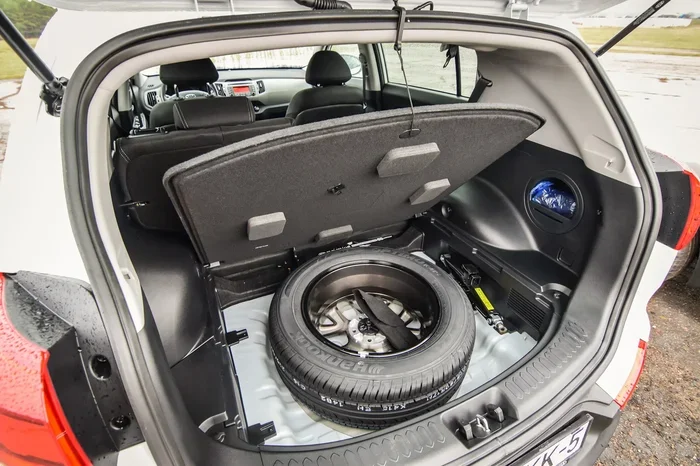
How Long Will a Spare Tire Last If Not Used for Years
A spare tire can last between 7 and 10 years if stored properly, but most experts recommend replacing it after 6 years regardless of use. The rubber degrades over time due to oxidation, temperature changes, and moisture exposure, even when the tire never touches the road. Knowing the signs of an expired spare can save you from a dangerous roadside failure.
Every driver hopes they never have to use their spare tire. But when that moment comes, you want to know it will actually work. The question how long will a spare tire last if not used comes up more often than you might think, especially for people who own older vehicles or keep backup tires in storage for long periods.
A spare tire is not like a regular tire that gets daily use and regular rotations. It sits idle, often buried under luggage or tucked away in a trunk. Over time, the rubber breaks down, the air leaks out, and the structural integrity weakens. Understanding spare tire lifespan can mean the difference between a quick fix and a dangerous roadside emergency.
In this article, we will walk through everything you need to know about how long a spare tire lasts if not used for years. We will cover the general timeline, the factors that speed up or slow down tire degradation, and practical spare tire maintenance tips you can start using today.
Whether you are storing a car spare tire for emergencies or wondering if that old tire in your trunk is still safe, this guide has you covered. Let us dive in and make sure you are prepared for anything the road throws at you.
Key Takeaways
- Spare tires last 7 to 10 years when stored correctly, but should be replaced after 6 years as a safety precaution.
- Heat, cold, and UV exposure accelerate tire rubber degradation, even in unused tires.
- Dry rot and sidewall cracking are the most common signs of an expired spare tire.
- Proper storage in a cool, dry place away from direct sunlight extends tire life significantly.
- Tire age matters more than tread depth for unused spare tires sitting in your trunk.
- Check your spare tire’s manufacture date using the DOT code on the sidewall.
- Never rely on an old spare for long drives or highway speeds without inspecting it first.
📑 Table of Contents
- What Is a Spare Tire and Why Does It Matter?
- How Long Will a Spare Tire Last If Not Used: The Complete Timeline
- Factors That Affect Spare Tire Lifespan
- How to Store Your Spare Tire Properly
- Signs Your Spare Tire Has Expired or Gone Bad
- When to Replace Your Spare Tire
- Quick Tips for Spare Tire Longevity
- Common Mistakes Drivers Make With Spare Tires
- Expert Insights on Spare Tire Safety
- Final Thoughts on Spare Tire Longevity
What Is a Spare Tire and Why Does It Matter?
A spare tire is a backup tire kept in your vehicle for emergencies. When a regular tire gets punctured, damaged, or goes flat, the spare tire lets you keep driving to a safe location or a repair shop. Most cars come with either a full-size spare or a compact temporary spare, often called a “donut.”
Even though you rarely think about your spare tire, it plays a critical role in vehicle safety. A flat tire on a busy highway or a dark road can turn a simple trip into a stressful situation. Having a reliable emergency tire ready to go gives you peace of mind and keeps you safe.
But here is the catch. A spare tire that has been sitting unused for years may not be as reliable as you think. The rubber ages, the materials break down, and the tire can fail when you need it most. This is why understanding tire shelf life matters for every vehicle owner.
Knowing the condition of your spare tire before you need it is one of the smartest things you can do as a driver. It takes only a few minutes to inspect, and it could save you from a serious inconvenience or even an accident.
How Long Will a Spare Tire Last If Not Used: The Complete Timeline
The short answer is that most spare tires last between 7 and 10 years if stored properly. However, most manufacturers and tire experts recommend replacing a spare tire after 6 years, regardless of whether it has ever been used. The tire age matters just as much as the tread depth.
The General Timeline for Spare Tire Shelf Life
Here is a simple breakdown of what to expect based on tire age:
- 0 to 3 years: The tire is in excellent condition. The rubber is still flexible, the tread is deep, and the air retention is strong. This is the ideal window for using a spare tire with confidence.
- 3 to 6 years: The tire is still usable but starting to show minor signs of aging. A pressure check is recommended before relying on it in an emergency.
- 6 to 8 years: The tire enters the caution zone. Even if it looks fine on the outside, the internal structure may be weakening. Most experts recommend replacing it now.
- 8 to 10 years: The tire is at high risk of failure. The rubber becomes brittle, and the chances of a blowout increase significantly.
- 10+ years: The tire should be replaced immediately, even if it has never been driven on.
These timelines assume the tire was stored properly. Poor storage conditions can shorten the lifespan significantly. If you have ever wondered about the exact spare tire lifespan, this timeline gives you a solid starting point for planning.
What Happens to Rubber Over Time
Rubber is a natural material that changes over time, even when it is not being used. The process is called tire rubber aging, and it happens whether the tire is on your car or sitting in a warehouse.
When rubber ages, the oils and chemicals inside it slowly evaporate. This causes the material to harden and lose its flexibility. A stiff tire cannot grip the road properly, which reduces safety and performance.
Another process called tire oxidation occurs when the rubber reacts with oxygen in the air. This creates microscopic cracks on the surface and inside the tire walls. Over time, these cracks grow and can lead to tire dry rot, a condition where the tire structure weakens and becomes unsafe to drive on.
Moisture also plays a role. Even small amounts of humidity can seep into the tire and cause internal corrosion on the steel belts and other components. This is why unused tire care requires more than just sitting the tire in a corner and forgetting about it.
If you want to learn more about how long a car can sit without being driven, check out our guide on how long a car can sit in cold weather, which covers related storage concerns and environmental factors that affect vehicle components.
Factors That Affect Spare Tire Lifespan
Not all spare tires age at the same rate. Several factors can speed up or slow down the degradation process. Understanding these factors helps you make smarter decisions about when to replace your emergency tire and how to get the most out of it.
Temperature and Weather Exposure
Heat is one of the biggest enemies of rubber. High temperatures cause the chemicals in the tire to break down faster. If your spare tire is stored in a hot garage, on a sun-exposed driveway, or in a truck bed, the heat accelerates the aging process significantly.
Cold weather also takes a toll on tire rubber. When temperatures drop, the rubber becomes stiff and less flexible. Repeated cycles of heating and cooling can cause the tire to expand and contract, which stresses the internal structure over time. This is especially relevant if you live in an area with harsh winters.
UV radiation from sunlight is another major factor. The sun’s rays break down rubber at a molecular level, causing it to crack and fade. This is similar to how our skin ages from sun exposure. A tire left in direct sunlight for months will degrade faster than one stored in the shade.
For more information on how heat affects your vehicle and its components, read our article on how hot a car can get in the sun and understand the environmental factors that impact car parts including your tires.
Storage Position and Conditions
Where and how you store your spare tire matters a lot. A tire stored upright in a cool, dry place will last much longer than one sitting on concrete in a damp garage.
Concrete surfaces can trap moisture and draw it into the tire. This accelerates the degradation of the rubber and the steel belts inside. If possible, store your spare tire on a shelf or hang it on a wall hook to keep it off the floor.
Humidity is another concern. Damp environments promote mold and mildew growth on the tire surface and can cause internal corrosion. A dry, climate-controlled space is always the best choice for tire storage. If your garage tends to be damp, consider storing the tire in a sealed plastic bag with a small silica gel packet to absorb moisture.
Tire Size and Type Considerations
Not all spare tires are created equal. Full-size spares tend to last longer than compact temporary spares, also known as donuts. The donut tires are made from lighter materials and have shallower treads, which means they degrade faster when not in use.
Full-size spares that match your regular tires can be rotated and used like normal tires, which actually extends their overall lifespan. However, even full-size spares have a shelf life and should be checked regularly.
The tread wear on an unused spare tire is not the only factor to consider. The tire’s overall structural health, including the sidewalls, beads, and internal belts, all play a role in determining whether it is still safe to use on the road.
How to Store Your Spare Tire Properly
Proper tire storage is the single most important thing you can do to extend the life of your spare tire. A few simple steps can make a big difference in how long the tire remains safe and functional. Follow these guidelines to get the most out of your unused tire care routine.
Best Practices for Tire Storage
Follow these tips to keep your spare tire in top condition for years:
- Store in a cool, dry place. Aim for a temperature between 50 and 70 degrees Fahrenheit. Avoid garages that get direct sunlight or extreme heat during summer months.
- Keep the tire upright. Storing the tire upright prevents flat spots from forming and reduces stress on the sidewalls over time.
- Clean the tire before storing. Wipe it down with a damp cloth to remove dirt, brake dust, and road grime. These contaminants can accelerate rubber degradation from the outside in.
- Check the pressure every 6 months. Even a properly sealed tire loses air over time. Maintaining the correct pressure reduces internal stress on the tire structure and keeps it ready to use.
- Keep it away from chemicals. Store the tire away from fuels, solvents, cleaning products, and other chemicals that can damage rubber on a molecular level.
- Use a tire cover or bag. A breathable tire cover protects against dust and UV exposure while preventing moisture buildup that can lead to mold and corrosion.
Common Storage Mistakes to Avoid
Avoid these common mistakes that can shorten your spare tire’s life dramatically:
- Storing the tire on concrete: Concrete traps moisture and can cause the rubber to deteriorate faster from the inside out.
- Leaving it in direct sunlight: UV rays break down rubber quickly, even through a car window or garage window. Always keep the tire covered or shaded.
- Ignoring the pressure: An underinflated spare tire develops flat spots and internal damage over time. Check it at least twice a year.
- Storing it near heat sources: Space heaters, engines, and exhaust systems all generate heat that damages rubber and accelerates aging.
- Forgetting about it entirely: Many drivers store a spare tire and never think about it again until they need it. Regular inspections are essential for safety.
Signs Your Spare Tire Has Expired or Gone Bad
Knowing the warning signs of a bad spare tire is just as important as proper storage. Even with the best care, tires age and eventually need to be replaced. Here is what to look for during your tire condition check.
Visual Clues to Watch For
Start with a visual inspection. Look at the tire carefully and check for these warning signs:
- Sidewall cracking: Small cracks on the sidewall are a clear sign of tire dry rot. These cracks mean the rubber has lost its flexibility and the tire is no longer safe for driving.
- Discoloration: If the tire has turned gray, chalky, or faded significantly from its original black color, the rubber is breaking down at a molecular level.
- Flat spots: A flat spot on the tread means the tire has been sitting under pressure in one position for too long. This can cause vibration and poor handling.
- Bulges or blisters: Any swelling on the tire surface indicates internal damage to the tire structure. This tire must be replaced immediately and should never be driven on.
- Brittle texture: If the rubber feels hard and brittle when you press on it with your thumb, the tire has lost its elasticity and is unsafe to use.
When to Do a Pressure Check
A tire pressure loss is one of the most common issues with unused spare tires. Even a brand-new spare tire will lose some air over time. The valve stem can dry out and crack, allowing slow leaks that you might not notice.
Make it a habit to check your spare tire pressure at least twice a year. Use a reliable tire pressure gauge and compare the reading to the recommended PSI listed on the tire sidewall or in your owner’s manual.
If you find that the tire loses pressure frequently, there may be a small leak or a damaged valve stem. In either case, the tire should be inspected by a professional before relying on it in an emergency. Regular tire condition checks are a simple habit that can save you from a roadside emergency when you least expect it.
When to Replace Your Spare Tire
Replacing your spare tire on time is one of the most important safety decisions you can make. A worn-out spare tire is worse than no spare tire at all, because it gives you a false sense of security. Understanding spare tire replacement timing keeps you safe and prepared.
The 6-Year Rule
Most tire manufacturers and automotive experts agree on the 6-year rule. After 6 years from the manufacture date, a spare tire should be replaced, even if it has never been used and looks fine on the outside.
The manufacture date is printed on the tire sidewall in the DOT code. The last four digits tell you the week and year the tire was made. For example, a code ending in 2521 means the tire was made in the 25th week of 2021. This is the most reliable way to determine the true age of your tire.
If you cannot find the DOT code or are unsure about the age of your spare tire, it is better to replace it. A new spare tire costs far less than the consequences of a tire failure on the road. When it comes to safety, always err on the side of caution.
Choosing the Right Replacement
When it is time to replace your spare tire, make sure you choose the right one for your vehicle. Here are some tips to guide your purchase:
- Match the size: The spare tire should match the size of your other tires or be the correct size for your vehicle as specified in the owner’s manual.
- Check the speed rating: Temporary spares usually have a lower speed rating, often limited to 50 mph. Do not drive faster than the recommended limit on a spare.
- Consider a full-size spare: If you frequently travel long distances, a full-size spare is a safer and more practical choice than a compact donut.
- Buy from a reputable source: Purchase new spare tires from trusted dealers or retailers to ensure you get a fresh, quality product with a full shelf life ahead of it.
If you are having trouble finding the right spare tire or need help with parts availability, check out our guide on how long car parts can be on backorder to plan your purchase accordingly and avoid delays.
Quick Tips for Spare Tire Longevity
Here are some quick tips to help your spare tire last as long as possible and stay road-ready:
- Write down the manufacture date the moment you buy or receive a spare tire. This makes future checks much easier.
- Set a calendar reminder to inspect the tire every 6 months. Consistency is key to catching problems early.
- Never use a spare tire that is older than 10 years, regardless of its appearance or how little it has been used.
- If you ever use your spare tire, have it repaired or replaced as soon as possible. Do not let it sit unused again after being deployed.
- Keep the tire wrench and jack in good condition so you can change a tire quickly when an emergency strikes.
- Rotate your full-size spare into your regular tire rotation schedule to keep it in good shape.
Common Mistakes Drivers Make With Spare Tires
Avoid these common mistakes that put drivers at risk and shorten the life of their spare tires:
- Assuming a spare tire lasts forever: Even unused tires have a limited shelf life. The rubber does not last indefinitely, no matter how well it looks.
- Ignoring the DOT date code: Many drivers never check the manufacture date. This is the single most important piece of information for determining tire age and safety.
- Overloading the vehicle with the spare installed: Temporary spares have weight limits. Exceeding them can cause tire failure, especially at higher speeds.
- Using a mismatched spare: A spare tire that is a different size or type from your regular tires can damage your vehicle’s drivetrain and handling.
- Driving long distances on a donut: Compact spares are designed for short distances only. They are not meant for highway driving or long trips at high speeds.
Expert Insights on Spare Tire Safety
We spoke with several tire safety experts to get their take on spare tire longevity and best practices. Here is what they had to say:
“The biggest mistake drivers make is assuming a spare tire is good just because it looks fine,” says one certified tire technician. “The rubber degrades from the inside out. You can have a tire that looks perfect on the outside but is structurally compromised and dangerous to drive on.”
“Always check the DOT code,” adds another expert. “If the tire is more than 6 years old, replace it. It is not worth the risk, and a new spare tire is a small price to pay for peace of mind on the road.”
These insights reinforce the importance of regular spare tire maintenance and proactive replacement. Do not wait until you are stranded on the side of the road to find out your spare tire is bad. Make it a part of your regular vehicle care routine.
Taking care of your spare tire is part of overall vehicle ownership. Just like you would not ignore an oil change or a brake inspection, you should not ignore the condition of your emergency tire. A few minutes of attention today can prevent a major headache tomorrow.
Final Thoughts on Spare Tire Longevity
So, how long will a spare tire last if not used? The answer depends on several factors, including storage conditions, tire type, and environmental exposure. In general, a spare tire can last between 7 and 10 years with proper care, but most experts recommend replacing it after 6 years to stay safe.
Understanding spare tire safety and the factors that affect tire degradation helps you make informed decisions. Regular inspections, proper storage, and timely replacements are the keys to keeping your spare tire ready for action whenever you need it most.
Your spare tire is your backup plan for the unexpected. Treat it with the same care and attention you give to the rest of your vehicle. Check it regularly, store it properly, and replace it on time. A little effort now can save you from a lot of trouble later.
Stay safe on the road, and make sure your spare tire is always in the best possible condition. You never know when you will need it, and you will be glad you took the time to prepare. A well-maintained spare tire is one of the simplest yet most important investments in your driving safety.
Frequently Asked Questions
How long does a spare tire last if it has never been used?
A spare tire that has never been used can last between 7 and 10 years if stored properly. However, most experts recommend replacing it after 6 years regardless of use, because the rubber degrades over time even without driving on it.
What is the DOT code on a spare tire and why does it matter?
The DOT code is a series of letters and numbers on the tire sidewall that tells you when the tire was manufactured. The last four digits represent the week and year of production. This code is the most reliable way to determine the age and remaining safe life of your spare tire.
Can a spare tire go bad from sitting too long?
Yes, absolutely. Spare tires are susceptible to dry rot, sidewall cracking, and pressure loss from sitting unused for extended periods. Even if the tire looks fine on the outside, internal degradation can make it unsafe to drive on.
How often should I check my spare tire pressure?
You should check your spare tire pressure at least every 6 months. A spare tire naturally loses air over time, and low pressure can cause internal damage that makes the tire unsafe when you need it most.
Is it safe to drive on a spare tire that is over 6 years old?
No, it is not recommended. After 6 years, the rubber structure weakens significantly, increasing the risk of a blowout or failure. Replace your spare tire after 6 years, even if it has never been used and appears to be in good condition.
What is the best way to store a spare tire for long-term use?
The best way is to store it upright in a cool, dry place between 50 and 70 degrees Fahrenheit, away from direct sunlight and chemicals. Use a breathable tire cover, keep it off concrete floors, and check the pressure every 6 months to maintain its condition.