How Long Does an Oil Change Take at Most Quick Lube Shops
Most quick lube shops can complete an oil change in 15 to 30 minutes. The average oil change time depends on factors like oil type, vehicle model, and whether you add extra services. Routine maintenance like this is fast, affordable, and essential for keeping your engine running smoothly.
You need an oil change. You have places to be. So how long does an oil change take at most quick lube shops? The short answer is simple: most places get it done in 15 to 30 minutes.
But the full answer depends on a few things. What type of oil does your car need? Are you adding extra services? Is the shop busy that day? Let us walk you through everything you need to know about oil change time at quick lube shops. We will cover what to expect, how to speed things up, and why staying on top of your routine maintenance matters so much.
Key Takeaways
- Fast Service: Most quick lube shops finish an oil change in 15 to 30 minutes.
- Oil Type Matters: Synthetic oil changes may take slightly longer than conventional oil changes.
- Extra Services Add Time: Adding tire rotations, filter replacements, or fluid checks can extend your visit.
- DIY Is Faster for Some: If you know how, doing it yourself can take even less time.
- No Appointment Needed: Most quick lube shops accept walk-ins and keep wait times low.
- Regular Changes Protect Your Engine: Staying on top of your oil change interval prevents costly repairs.
📑 Table of Contents
- Why Oil Changes Matter for Your Vehicle
- How Long Does an Oil Change Take at Quick Lube Shops
- Quick Lube vs. Dealership: Which Is Faster
- Can You Do an Oil Change Yourself
- How to Speed Up Your Next Oil Change
- How Often Should You Change Your Oil
- What Oil Type Is Best for Quick Lube Changes
- Common Mistakes People Make With Oil Changes
- How to Know When It Is Time for an Oil Change
- The Bottom Line on Oil Change Time
Why Oil Changes Matter for Your Vehicle
Before we talk about timing, let us quickly cover why this service is so important. Engine oil lubricates moving parts inside your motor. It reduces friction, removes heat, and prevents metal-on-metal wear. Over time, oil breaks down and becomes less effective. Dirty oil leads to poor performance, reduced fuel economy, and even engine damage.
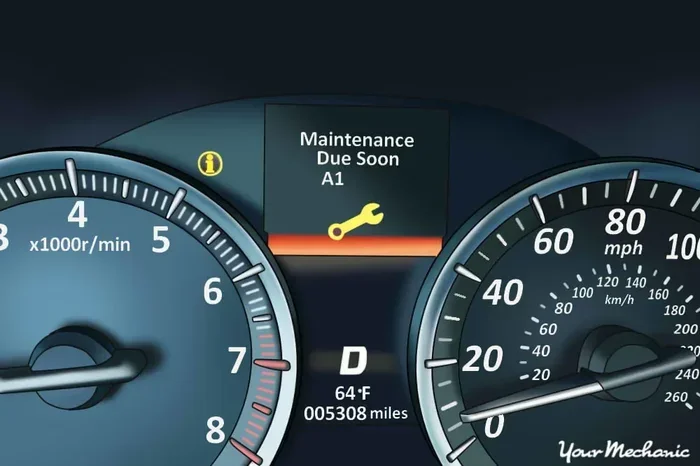
That is why following your oil change interval is critical. Most manufacturers recommend changing oil every 5,000 to 7,500 miles for conventional oil. Synthetic oil can go longer, sometimes up to 10,000 or even 15,000 miles. You can check your oil life monitor on the dashboard for a personalized recommendation.
Skipping oil changes is one of the cheapest ways to destroy an engine. The cost of an oil change is tiny compared to a rebuilt motor. So do not skip it. Your future self will thank you.
How Long Does an Oil Change Take at Quick Lube Shops
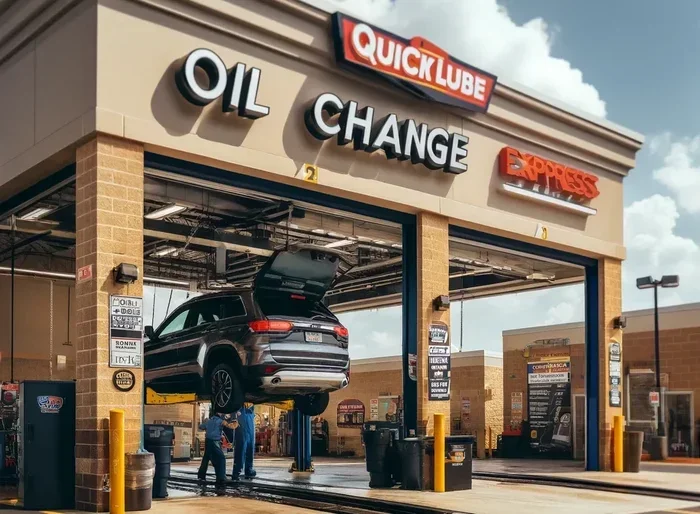
The oil change time at most quick lube shops falls between 15 and 30 minutes. That is the industry standard. Chains like Jiffy Lube, Valvoline, and Take 5 are built for speed. They have dedicated bays, pre-stocked supplies, and trained technicians who do this all day long.
What Affects Oil Change Duration
Several factors can push your oil change time a bit longer or shorter. Here is what to consider:
- Oil Type: Conventional oil changes are typically the fastest. Synthetic blends and full synthetic oil may take a few extra minutes because some shops use higher-quality filters and more careful procedures.
- Vehicle Model: A standard sedan is easy and fast. A truck with a lifted engine or tight engine bay might take a bit longer.
- Shop Traffic: A busy Saturday afternoon means waiting. A quiet Tuesday morning means you might be in and out in 15 minutes flat.
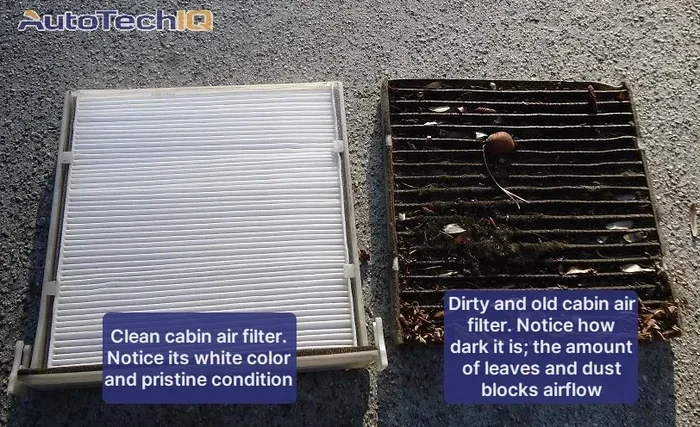
- Additional Services: If you add a tire rotation, cabin air filter replacement, or a multi-point inspection, your visit will be longer.
- Drain and Fill vs. Full Service: A basic drain and fill is the quickest option. Full service includes checking fluids, belts, hoses, and filters.
Typical Time Breakdown
Here is a realistic look at how your time breaks down during a quick lube visit:
- Check-in and paperwork: 2 to 5 minutes
- Draining old oil: 5 to 10 minutes
- Replacing oil filter: 3 to 5 minutes
- Filling with new oil: 3 to 5 minutes
- Checking fluids and tire pressure: 3 to 5 minutes
- Final inspection and checkout: 2 to 5 minutes
Add it up and you get roughly 18 to 35 minutes for a standard oil change. That is faster than most people expect.
Quick Lube vs. Dealership: Which Is Faster
Many car owners wonder whether a dealership oil change takes longer than a quick lube shop. The honest answer is: it depends. Quick lube shops are designed for speed. They specialize in fast, no-frills oil changes. Dealerships, on the other hand, often do more thorough inspections and may have longer wait times.
However, dealerships use manufacturer-approved parts and fluids. If your car is still under warranty, going to the dealership might be the safer choice. You can also negotiate oil change price at some dealerships, especially if you bundle services. For most everyday vehicles, a quick lube shop will be faster and more convenient.
One thing to keep in mind: some quick lube shops use lower-quality oil or filters to save time and money. This is where doing a little research helps. Read reviews. Ask what oil brand they use. Make sure they match what your vehicle manual recommends.
Can You Do an Oil Change Yourself
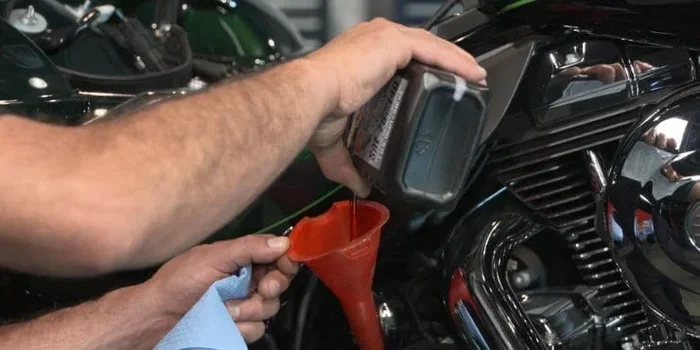
Yes, you absolutely can. In fact, doing it yourself can be even faster than going to a shop if you have the right tools and a clean workspace. A DIY oil change typically takes about 20 to 30 minutes for most people the first time. After a few tries, you can get it down to 15 minutes or less.
You will need a few basics:
- The correct type and amount of oil for your vehicle
- A new oil filter
- An oil drain pan
- A wrench or socket set
- A funnel
- Jack and jack stands or ramps
- Gloves and rags
If you want to learn more about doing this yourself, check out our guide on can you do an oil and filter change yourself. It covers everything from setup to cleanup.
The biggest advantage of DIY is control. You choose the oil brand, the filter quality, and the exact oil change interval you want to follow. No upsells, no waiting, no surprises.
How to Speed Up Your Next Oil Change
Want to spend less time at the shop? Here are some practical tips to make your next visit as fast as possible:
1. Call Ahead
Most quick lube shops let you check in by phone or app. This puts you in the queue before you arrive. You might even find a shorter wait time by calling 15 minutes before you plan to show up.
2. Choose Off-Peak Times
Tuesday through Thursday mornings are usually the slowest times. Avoid Friday afternoons and Saturday mornings if you want the fastest service. Early morning slots right when the shop opens are golden.
3. Know What You Need
Have your vehicle information ready. Know what type of oil your car takes. If you already know you want synthetic oil, say so upfront. This saves the technician from having to look it up or make recommendations.
4. Skip the Upsells
Quick lube shops often suggest extra services like transmission flushes, fuel system cleaning, or tire rotations. Some of these are worthwhile. Others are not urgent. Being clear about what you want keeps the process moving.
5. Stay in the Car or Step Out
Many shops have a waiting area or even a drive-through service. You do not need to stand over the technician’s shoulder. Relax, grab a coffee, and let them do their job.
How Often Should You Change Your Oil
The old rule of thumb was every 3,000 miles or three months. Modern engines and better oils have changed that. Most vehicles today can go 5,000 to 7,500 miles between changes. Some synthetic oils can stretch to 10,000 miles or more.
Your owner’s manual is the best resource. It will tell you the exact oil change interval for your specific engine. You can also rely on your oil life monitor, which tracks driving conditions and calculates when your oil needs replacing.
Here are some general guidelines:
- Conventional oil: Every 5,000 miles or 6 months
- Synthetic blend: Every 5,000 to 7,500 miles or 6 months
- Full synthetic oil: Every 7,500 to 15,000 miles or 12 months
Driving in severe conditions like extreme heat, heavy traffic, or towing may require more frequent changes. If you often drive in short trips under 5 miles, your oil may degrade faster.
If you are curious about how long synthetic oil can last without a change, we have a detailed breakdown in our article on can you go two years without changing synthetic oil. It covers the risks and realities of extending your oil change interval too far.
What Oil Type Is Best for Quick Lube Changes
The oil you choose affects both performance and service time. Here is a quick comparison:
| Oil Type | Change Interval | Cost Range | Best For |
|---|---|---|---|
| Conventional | 5,000 miles | $25 to $45 | Older vehicles, budget-conscious drivers |
| Synthetic Blend | 5,000 to 7,500 miles | $35 to $55 | Moderate driving conditions |
| Full Synthetic | 7,500 to 15,000 miles | $45 to $75 | Newer vehicles, extreme conditions |
| High-Mileage Synthetic | 5,000 to 7,500 miles | $40 to $60 | Vehicles with over 75,000 miles |
Does it really matter what oil you put in your car? Absolutely. Using the wrong oil can reduce engine life and void your warranty. If you are unsure, our article on does it really matter what oil I put in my car explains everything in plain language.
Most quick lube shops offer all of these options. The technician will usually ask what you prefer or recommend one based on your vehicle and driving habits.
Common Mistakes People Make With Oil Changes
Even a simple routine maintenance task like an oil change has some common pitfalls. Avoid these mistakes:
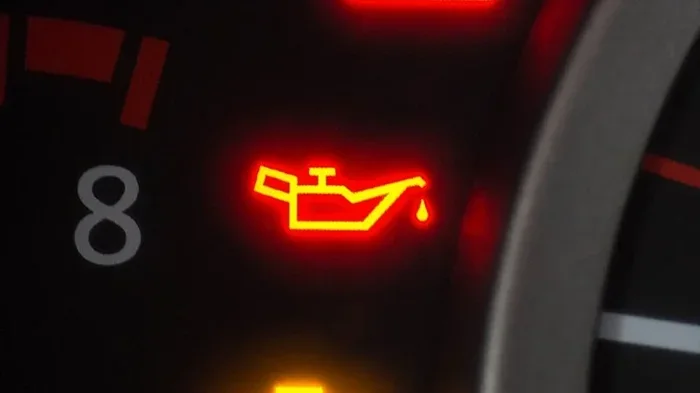
- Ignoring the oil change light: That warning is there for a reason. Pushing it too far can lead to engine damage.
- Using the wrong oil weight: Not all engines use the same viscosity. Check your owner’s manual.
- Forgetting to replace the oil filter: A new filter is essential for keeping contaminants out of your fresh oil.
- Overfilling or underfilling: Too much oil can cause pressure problems. Too little means poor lubrication.
- Skipping the check-up: Quick lube shops often include a free multi-point inspection. Do not skip it. It can catch small problems before they become big ones.
One question we hear often is whether low oil can cause overheating. The answer is yes. Low oil levels mean less lubrication and more friction, which generates heat. If you want to learn more about this, read our article on can a car overheat with low oil.
How to Know When It Is Time for an Oil Change
Your car gives you several warning signs when the oil needs changing. Watch for these:
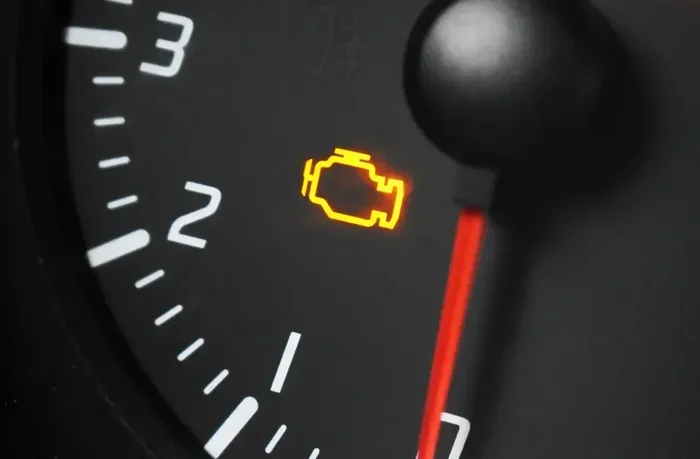
- The oil change light or maintenance reminder on your dashboard
- Dark, gritty oil on the dipstick
- A burning oil smell inside or outside the car
- Unusual engine noise, especially knocking or ticking
- Reduced fuel economy
- Smoke from the exhaust
If you notice any of these, do not wait. Get your oil changed as soon as possible. Driving with old or low oil is one of the fastest ways to cause serious engine problems.
Also, if your oil pressure drops or the warning light comes on, pull over safely and shut off the engine. Driving with low oil pressure can destroy your engine in minutes.
The Bottom Line on Oil Change Time
So how long does an oil change take at most quick lube shops? The answer remains 15 to 30 minutes for a standard service. That is one of the fastest and most affordable routine maintenance tasks you can do for your vehicle.
Whether you visit a quick lube shop, do it yourself, or go to the dealership, the key is consistency. Stay on top of your oil change interval and use the right oil for your engine. Your car will run better, last longer, and cost you less in the long run.
Next time you are due for an oil change, do not stress about the time commitment. Walk in, grab a seat, and you will be back on the road before you know it. Your engine will thank you for it.
Frequently Asked Questions
How long does a basic oil change take at a quick lube shop?
A basic oil change at most quick lube shops takes between 15 and 30 minutes. This includes draining the old oil, replacing the filter, and filling with new oil. If the shop is busy, add a few extra minutes for wait time.
Does synthetic oil take longer to change than conventional oil?
Not significantly. The oil change time for synthetic oil is very similar to conventional oil. The main difference is cost and performance. Some shops may take an extra few minutes with synthetic oil because they use premium filters and follow a more careful procedure.
Can I get an oil change done in 15 minutes or less?
Yes, it is possible at many quick lube shops, especially during off-peak hours. If you keep the service basic and the shop is not crowded, a 15-minute oil change is very achievable. Calling ahead can also help reduce your wait.
How often should I change my oil at a quick lube shop?
Most quick lube shops recommend following your vehicle manufacturer’s guidelines. Typically, this means every 5,000 to 7,500 miles for conventional oil and every 7,500 to 15,000 miles for full synthetic oil. Check your owner’s manual or your oil life monitor for the best interval.
Is it cheaper to get an oil change at a quick lube shop or a dealership?
Quick lube shops are generally less expensive than dealerships for a standard oil change. Dealerships may charge more because they use manufacturer-approved parts and fluids. However, if your car is under warranty, a dealership oil change may be required to maintain coverage.
What should I do if I forget to change my oil on time?
Do not panic. If you are only a little overdue, schedule an oil change as soon as possible. Driving with overdue oil can lead to increased engine wear and overheating. If you notice any warning signs like engine noise or the oil pressure light, stop driving and get service immediately.
=== CONCLUSION ===
A quick lube oil change is one of the fastest and most important things you can do for your vehicle. Most shops complete the job in 15 to 30 minutes, making it easy to fit into even the busiest schedules. Remember to choose the right oil type, stay consistent with your oil change interval, and do not skip the filter replacement.
Whether you go to a quick lube shop, do it yourself at home, or visit a dealership, the most important thing is that you do it regularly. Your engine works hard every day. Give it the care it deserves with a timely oil change. Your car will reward you with better performance, improved fuel economy, and a longer lifespan.