How Do I Know Which Tire Has Low Pressure Warning Signs
Knowing which tire has low pressure starts with understanding your TPMS warning light, visual tire checks, and dashboard indicators. This guide covers the most reliable warning signs, from the tire pressure light on your dash to physical symptoms like uneven wear. You will learn how to check tire pressure accurately and prevent costly damage before it happens.
You are driving down the road, and suddenly a yellow light pops up on your dashboard. It looks like a horseshoe with an exclamation point in the middle. Your heart drops a little because you know something is off with your tire pressure. But here is the real question: which tire is actually low?
Figuring out which tire has low pressure is easier than most people think. You do not need to be a mechanic or have fancy tools. With a few simple checks and some basic knowledge, you can identify the problem tire in minutes. This guide walks you through every warning sign, from dashboard lights to physical symptoms you can see and feel.
Understanding low tire pressure warning signs saves you money, keeps you safe, and prevents small issues from turning into big repairs. Whether it is a slow leak from a nail or a sudden drop from temperature changes, knowing what to look for makes all the difference. Let us break it down step by step.
Key Takeaways
- Dashboard Warning Light: The TPMS light is the fastest way to know something is wrong with your tire pressure.
- Visual Inspection Matters: Look for bulging sidewalls, uneven tread wear, and visible air loss to spot low tires early.
- Driving Feel Changes: Pulling to one side, sluggish steering, and reduced fuel economy are key signs of underinflated tires.
- Use a Tire Pressure Gauge: A manual gauge gives you exact readings and confirms which specific tire is low.
- Reset After Filling: Always reset your TPMS after adding air to clear the warning light properly.
- Check Monthly: Regular tire pressure checks prevent unexpected flats and extend tire life significantly.
📑 Table of Contents
- What Is the TPMS and Why Does It Matter?
- Dashboard Warning Signs You Should Never Ignore
- Physical Warning Signs on the Tire Itself
- How Driving Behavior Changes with Low Tire Pressure
- How to Check Tire Pressure Step by Step
- Common Causes of Low Tire Pressure
- What to Do When You Find a Low Tire
- Quick Tips for Preventing Low Tire Pressure
- Common Mistakes People Make with Tire Pressure
- When to Seek Professional Help
- Final Thoughts on Recognizing Low Tire Pressure
What Is the TPMS and Why Does It Matter?
Your vehicle has a built-in system called the Tire Pressure Monitoring System, or TPMS for short. This system uses sensors inside each tire to monitor air levels. When one tire drops below the recommended pressure, the tire pressure warning light activates on your dashboard.
The TPMS is one of the most important safety features in modern vehicles. It gives you an early alert before a tire becomes dangerously underinflated. Without it, you might not notice a slow leak until the tire is nearly flat. That can lead to poor handling, reduced fuel economy, and even a blowout on the highway.
There are two types of TPMS systems. Direct TPMS uses actual sensors mounted inside each tire valve. These sensors send real-time pressure readings to your car’s computer. Indirect TPMS, on the other hand, uses wheel speed sensors to detect differences in tire rotation. A tire with low pressure rolls differently than a fully inflated one, and the system picks up on that change.
How to Read Your TPMS Light
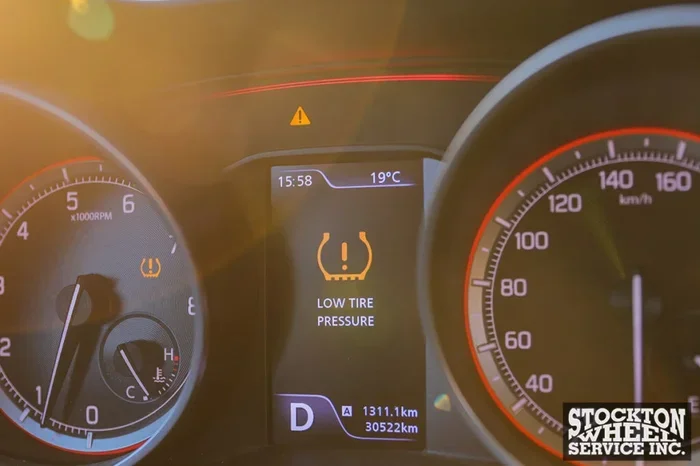
The TPMS light usually looks like a horseshoe shape with an exclamation point. When it stays on constantly, at least one tire is significantly below the recommended pressure. If the light flashes when you first start the car and then stays solid, the system itself may have a malfunction.
Some vehicles show individual tire pressure readings on the dashboard display. This makes it incredibly easy to see exactly which tire is low. If your car does not have this feature, you will need to check each tire manually with a tire pressure gauge.
Dashboard Warning Signs You Should Never Ignore
The dashboard is your first line of defense when it comes to tire problems. Modern vehicles are packed with sensors that communicate issues clearly. Paying attention to these signals can save you from a roadside emergency.
The Tire Pressure Light
The most obvious warning sign is the tire pressure light on your dash. This yellow or orange symbol illuminates when the system detects a pressure drop. It typically appears as a cross-section of a tire with an exclamation mark in the center.
Do not ignore this light, even if your tires look fine to the naked eye. Sometimes the pressure drop is small but still dangerous. A tire can lose 1 to 2 PSI per month naturally, and cold weather accelerates this loss. If the light comes on during a cold morning, it might resolve itself once the tires warm up from driving. But if it stays on, you need to check immediately.
Other Dashboard Indicators
Some newer vehicles display a detailed tire pressure readout on the instrument cluster. This shows the exact PSI for each tire. You can quickly scan the numbers and see which one is below the recommended level.
If your car has a multifunction display, look for a vehicle settings or tire health menu. You can also check your owner’s manual to find the specific location of tire pressure readings on your model. This feature is especially helpful during winter months when pressure drops are common.
Physical Warning Signs on the Tire Itself
Sometimes the dashboard does not tell you everything. Visual and physical signs on the tire can give you clear clues about which tire is low. Getting familiar with these signs helps you catch problems before the TPMS even activates.
Visual Inspection: What to Look For
Walk around your vehicle and inspect each tire carefully. A visibly deflated tire is easy to spot. The sidewall may appear bulging or softer than the other tires. Look for uneven contact with the road surface. A low tire will sit lower to the ground compared to the others.
Check the tread pattern too. Underinflated tires wear out faster on the outer edges of the tread. If you notice one tire has significantly more wear on the outer edges, that tire is likely running low for a prolonged period. This is a serious sign that should not be overlooked.
Feel and Sound Clues
Run your hand along the tire sidewall. A properly inflated tire feels firm and rigid. A low tire feels softer and may even give slightly when you press on it. Be careful not to press too hard on a potentially damaged tire, as this could worsen the issue.
Listen while you drive. Underinflated tires can create a humming or fluttering sound. This noise comes from the tire not rolling smoothly on the road surface. If you hear an unusual sound coming from one corner of the vehicle, pull over safely and inspect that tire first.
How Driving Behavior Changes with Low Tire Pressure
Your vehicle tells you a lot through how it drives. When a tire is underinflated, the car compensates in noticeable ways. Learning to recognize these changes helps you identify a low tire even before you look at it.
Steering and Handling Changes
One of the first things you will notice is a change in steering feel. The car may pull to one side, especially toward the tire with low pressure. The steering might feel sluggish or less responsive than usual. If you find yourself constantly correcting the steering wheel, a tire pressure issue is a likely culprit.
Turns may feel different too. A low front tire can cause the car to drift during turns. A low rear tire can make the back end feel loose or unstable. Both situations are dangerous, especially at higher speeds or in wet conditions.
Fuel Economy Drops
Underinflated tires create more rolling resistance. This means your engine has to work harder to keep the car moving. The result is a noticeable drop in fuel economy. If you fill up more often than usual and cannot explain why, check your tire pressure.
Studies show that tires underinflated by just 10 PSI can reduce fuel efficiency by up to 3 percent. While that might sound small, it adds up over weeks and months of driving. Keeping your tire pressure levels at the recommended PSI saves money at the pump.
Unusual Tire Wear Patterns
Low tire pressure causes the tire to lean outward as it rolls. This puts extra stress on the outer edges of the tread. Over time, you will see uneven wear that is noticeably different from the other tires. One tire may look significantly more worn than the rest, even if they are the same age and model.
Regularly checking your tread depth with a simple gauge can help you catch pressure-related wear early. If one tire wears faster than the others, inspect the tire pressure sensor and air levels before the damage becomes permanent.
How to Check Tire Pressure Step by Step
Knowing the warning signs is important, but actually checking the pressure is how you confirm which tire is low. Here is a simple, reliable process anyone can follow.
Step 1: Find the Recommended PSI
Open your driver’s side door and look for the sticker on the door jamb. This sticker lists the recommended tire pressure for your specific vehicle. The number is usually between 30 and 35 PSI for most passenger cars. Do not use the number printed on the tire itself, as that is the maximum pressure the tire can handle, not the recommended pressure for your vehicle.
Step 2: Get a Tire Pressure Gauge
A basic tire pressure gauge costs just a few dollars and fits in your glove box. Digital gauges are easy to read and highly accurate. Pencil-style gauges are compact and reliable. Keep one in your car at all times so you can check pressure whenever you need to.
Remove the valve cap from the tire valve stem. Press the gauge firmly onto the valve. Hold it steady and read the number. Compare the reading to the recommended PSI from the door jamb sticker.
Step 3: Check All Four Tires Plus the Spare
Always check all four tires, even if only one looks low. Pressure can vary between tires, and you might be surprised which one is actually the problem. Do not forget to check the spare tire too, especially if you have a full-size spare in the trunk.
Check tire pressure when the tires are cold, meaning the car has been parked for at least three hours or driven less than a mile. Hot tires give inflated readings that are not accurate. Checking in the morning before driving is the best habit to build.
Step 4: Add Air and Recheck
Most gas stations have free or low-cost air pumps. Add air in short bursts and recheck the pressure each time. It is easy to overinflate, so go slowly. Once you reach the recommended PSI, replace the valve cap and move to the next tire.
After filling, the TPMS light may stay on for a few minutes. If it does not turn off, you may need to reset TPMS after filling air. This process varies by vehicle, but it is usually found in the settings menu on the dashboard display or by holding a button near the steering column.
Common Causes of Low Tire Pressure
Understanding why tires lose pressure helps you prevent future problems. Some causes are obvious, while others are easy to miss.
Punctures and Leaks
Nails, screws, and sharp debris on the road are the most common cause of slow leaks. A puncture may not flatten the tire immediately. Instead, it lets air out slowly over days or even weeks. If you notice one tire consistently losing pressure, inspect the tread and sidewall for embedded objects.
Temperature Changes
Cold weather causes air inside tires to contract, reducing pressure. A drop of 10 degrees Fahrenheit can lower tire pressure by about 1 PSI. This is why many drivers notice low tire pressure warnings during winter mornings. The pressure usually returns to normal once the tires warm up from driving, but you should still verify the levels.
Valve Stem Damage
The valve stem is the small metal or rubber piece on the wheel where you add air. Over time, valve stems can crack, dry out, or become loose. A damaged valve stem lets air escape slowly without any visible puncture. If you find a tire losing pressure with no obvious cause, the valve stem is worth inspecting.
Wheel Rim Leaks
Corroded or damaged wheel rims can create tiny gaps between the rim and the tire bead. This allows air to seep out over time. Alloy wheels are especially prone to this issue if they have been curb-damaged or impacted. A professional can check for rim leaks using a soapy water solution or a dedicated leak detection tool.
What to Do When You Find a Low Tire
Discovering a low tire can feel stressful, but the response is straightforward if you stay calm. Here is exactly what to do in order.
- Find a safe spot to pull over. Do not drive on a severely flat tire for more than a short distance. It can damage the rim and the tire beyond repair.
- Check the pressure with your gauge. Confirm exactly how low the tire is. A tire that is 5 PSI low is very different from one that is 20 PSI low.
- Add air if you have access. Use a gas station air pump or a portable compressor. Fill to the recommended PSI and recheck.
- Inspect for damage. Look for nails, screws, cuts, or bulges. If you see anything embedded in the tread, do not remove it yourself. A plug or patch repair works best when the object is still in place.
- Reset the TPMS light. After filling, reset the system according to your vehicle’s manual. This clears the warning and updates the sensors.
- Monitor the tire over the next few days. If the same tire loses pressure again, you likely have a slow leak that needs professional repair.
If you are unsure about any step, visit a trusted auto shop. Many tire stores offer free pressure checks and top-off services. Some locations, like Jody’s Automotive, can also help you diagnose tire pressure sensor issues if the TPMS light stays on even after you have filled the tire.
Quick Tips for Preventing Low Tire Pressure
- Check tire pressure monthly. Make it part of your regular vehicle maintenance routine.
- Keep a tire pressure gauge in your car. Do not rely solely on gas station air pumps.
- Check pressure before long trips. A five-minute check can prevent a blowout on the highway.
- Inspect tires visually every time you fill up. Look for bulges, cracks, or objects stuck in the tread.
- Rotate your tires regularly. Even wear helps you spot pressure problems more easily.
- Keep valve stem caps in place. They prevent dirt and moisture from entering the valve and causing slow leaks.
Common Mistakes People Make with Tire Pressure
Even careful drivers make mistakes when it comes to tire pressure awareness. Here are the most common ones to avoid.
- Ignoring the TPMS light: Many drivers see the warning and simply reset it without actually checking the tire. This is dangerous and can lead to a flat tire or rim damage.
- Relying on visual checks alone: A tire can lose 10 PSI and still look normal from the outside. Always use a gauge for accurate readings.
- Checking hot tires: Driving heats up the air inside the tire, which raises the pressure reading. Always check when the tires are cold for the most accurate number.
- Using the wrong PSI number: The number on the tire sidewall is the maximum, not the recommended pressure. Always use the door jamb sticker number.
- Forgetting the spare: A spare tire with low pressure is useless when you need it most. Check it at least twice a year.
If you are concerned about tire pressure sensor accuracy, you can learn more about fixing your own tire pressure sensor with simple troubleshooting steps. Additionally, if you have recently filled your tires and the warning light is still on, check out our guide on resetting TPMS after filling air for vehicle-specific instructions.
When to Seek Professional Help
Most low tire pressure situations are simple to fix at home or at a gas station. However, some situations require professional attention. If you notice a tire losing pressure repeatedly despite multiple repairs, the tire itself may be damaged beyond a simple plug or patch.
TPMS sensor failures are another reason to visit a mechanic. If the warning light stays on after you have confirmed all tires are at the correct pressure, a sensor may be faulty. Replacing a TPMS sensor is a quick job for a professional and usually costs between 50 and 100 dollars per sensor. Some vehicles have sensor batteries that last 5 to 10 years and simply need replacement when they die.
If you ever feel unsafe driving on a low tire, call for roadside assistance. Driving on a severely underinflated tire can cause loss of vehicle control, especially at highway speeds. It is always better to be safe than sorry.
For drivers in Virginia wondering about insurance coverage related to tire damage, check out our article on car insurance requirements in Virginia to understand what your policy may cover.
Final Thoughts on Recognizing Low Tire Pressure
Knowing how to tell which tire has low pressure is one of the simplest and most valuable skills every driver should have. From the dashboard warning light to the way your car handles on the road, your vehicle gives you plenty of clues. The key is to pay attention and act quickly when you notice something is off.
Make tire pressure checks a regular habit. Keep a gauge in your glove box, check monthly, and never ignore the TPMS light. These small actions add up to safer driving, better fuel economy, and longer-lasting tires. Your tires are the only part of your car that touches the road, so taking care of them is one of the best investments you can make.
Stay proactive, stay informed, and keep your tires properly inflated. A few minutes of attention today can save you hours of trouble tomorrow. Safe driving starts with properly inflated tires, and now you have everything you need to spot the problem early and fix it fast.
Frequently Asked Questions
How do I know which tire is low without a TPMS light?
You can identify a low tire by visually inspecting all four tires for bulging sidewalls or uneven ride height. Use a tire pressure gauge to check each tire against the recommended PSI listed on your door jamb. The tire reading significantly below the recommended number is your low tire.
Can I drive with the tire pressure warning light on?
You should not drive far with the warning light on. Low tire pressure reduces handling and increases the risk of a blowout. If you must drive, keep your speed low and get to the nearest gas station to check and inflate the tire immediately.
Why does my tire pressure light come on in cold weather?
Cold weather causes the air inside your tires to contract, which lowers the pressure by about 1 PSI for every 10-degree drop. This is normal and often resolves once the tires warm up from driving. However, if the light stays on, check the actual pressure and add air as needed.
How often should I check my tire pressure?
Check your tire pressure at least once a month and before any long road trips. Tires naturally lose about 1 PSI per month, so regular checks keep you ahead of potential problems. Always check when the tires are cold for the most accurate reading.
What should I do if my tire keeps losing air?
A tire that repeatedly loses air likely has a slow leak. Inspect the tread and sidewall for embedded nails or screws. Take the tire to a professional for a soap bubble leak test or submersion test. They can identify and repair the leak properly.
Do I need to reset my TPMS after adding air?
Yes, in most vehicles you should reset the TPMS after adding air to clear the warning light. The reset process varies by model and is usually found in the vehicle settings menu or by pressing a button near the steering column. Refer to your owner’s manual for specific instructions.
=== INTERNAL LINKS ===
Need more help with tire pressure? Check out these related articles: