How Do I Know If My Alternator Is Still Good Or Bad
Your alternator keeps your car running by charging the battery and powering electrical systems. Knowing the warning signs of a failing alternator can save you from unexpected breakdowns. This guide covers the top symptoms, DIY testing methods, and when to seek professional help.
Your car’s alternator works quietly behind the scenes every time you turn the key. It charges your battery and powers all the electrical systems you rely on daily. But here is the thing — alternators do not last forever, and when they start failing, your car will tell you.
If you have ever wondered how do I know if my alternator is still good or bad, you are in the right place. This guide walks you through every sign, test, and tip you need to figure out your alternator’s health. Whether you are a DIY mechanic or a curious car owner, you will find practical advice here.
Ignoring alternator problems can lead to bigger issues. A dead battery, stalling engine, or complete electrical failure can leave you stranded. The good news is that catching the problem early saves you time, money, and a lot of stress. Let us dive in.
Key Takeaways
- Dashboard warning lights are often the first sign your alternator is struggling.
- Dim or flickering headlights point to a charging system problem.
- A simple voltage test with a multimeter can tell you a lot about alternator health.
- Unusual noises like whining or grinding should never be ignored.
- Replacing a bad alternator early prevents damage to your battery and other electrical parts.
- Regular maintenance helps your alternator last longer and perform better.
📑 Table of Contents
What Does an Alternator Do?
Before you can spot a problem, you need to understand what the alternator does. Think of it as your car’s electrical charger. While the engine runs, the alternator converts mechanical energy into electrical energy. This power keeps your battery charged and runs everything from your lights to your radio.
Without a working alternator, your car would run purely on battery power. And car batteries do not last long on their own. Most batteries give you about 30 to 60 minutes of power without a charging source. That is why a healthy alternator is so important.
The alternator works alongside your battery, serpentine belt, and voltage regulator. Together, these parts form your car’s charging system. When one part fails, the others feel the strain. That is why understanding how the whole system works helps you diagnose problems faster.
Warning Signs Your Alternator Is Going Bad
Your car gives you plenty of clues before an alternator completely fails. The key is knowing what to look for. Here are the most common signs that your alternator may be on its way out.
Dashboard Warning Lights
Your dashboard is like a dashboard health report. If you see a battery-shaped light or a check engine light stay on, do not ignore it. These lights often appear when the charging system detects a problem. In some cases, you might see a specific alternator warning symbol.
If your car says engine malfunction, it could be related to the alternator or charging system. It is worth checking the alternator as part of your diagnostic process. The engine malfunction light can signal many things, and a failing alternator is one of them.
Dim or Flickering Lights
Notice your headlights looking dimmer than usual? Or maybe your dashboard lights flicker when you idle? These are classic signs of a weak alternator. When the alternator cannot produce enough power, your electrical system gets starved. The lights are often the first thing you will notice.
Pay attention to how your lights behave at night or in low-light conditions. If they seem dimmer when you turn on the heater or radio, that is a red flag. Your alternator is struggling to keep up with the electrical demand.
Electrical Failures and Odd Behavior
A bad alternator can cause all sorts of strange electrical issues. Your power windows might slow down. Your radio might cut out. Your power steering might feel different. These things all rely on electrical power, and a weak alternator cannot keep up.
Some drivers notice their phone charger stops working properly. Others say their heated seats feel lukewarm. These small signs add up. If multiple electrical accessories act up at the same time, suspect the alternator.
Unusual Noises
Your alternator has internal parts that spin fast. Over time, bearings wear out. When they do, you might hear a whining or grinding noise coming from the engine bay. The sound often changes with engine speed.
Listen carefully when your car is idling. A consistent whining sound near the front of the engine often points to alternator bearing wear. Do not wait for the noise to get louder. Address it early to avoid a full alternator failure.
Battery Problems That Keep Coming Back
A dead battery does not always mean the battery is bad. In many cases, a failing alternator is the real culprit. The alternator’s job is to recharge your battery while you drive. If it cannot do that, your battery slowly drains.
If you find yourself jumping your car more than once a month, the alternator deserves a closer look. Replacing a battery without fixing the alternator just leads to the same problem again. Always check the charging system when dealing with repeated battery issues.
Car Stalling or Difficulty Starting
Your engine needs a good spark to run, and that spark comes from electrical energy. When the alternator fails, the spark plugs may not fire properly. This can cause your car to stall or struggle to start.
You might notice your car starts fine when it is cool but struggles after driving for a while. Or it might stall at idle and then restart. These inconsistent symptoms often point to an alternator that cannot provide steady power.
How to Test Your Alternator at Home
You do not need to be a mechanic to check your alternator. A few simple tools and some basic steps can give you a good idea of whether your alternator is still working properly.
What You Will Need
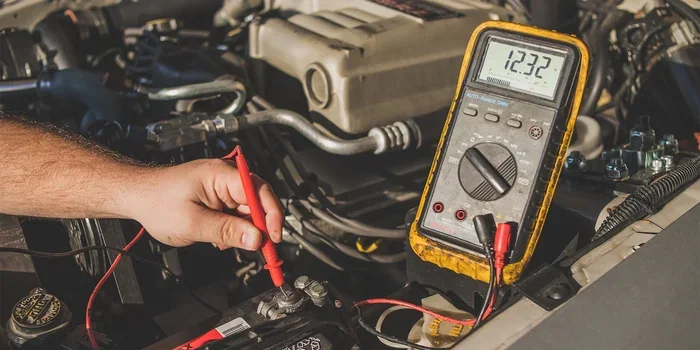
Grab a digital multimeter. You can find one at any auto parts store for under $30. Make sure it can measure DC voltage. That is all you need for a basic alternator test.
You will also want your car keys and a helper if possible. Testing the alternator with the engine running is safe as long as you follow precautions. Keep hands away from moving belts and fans.
The Battery Voltage Test
Start by turning off your car and all electrical accessories. Set your multimeter to DC voltage. Touch the red probe to the positive battery terminal and the black probe to the negative terminal.
A healthy battery should read around 12.6 volts or higher. If it reads below 12.0 volts, your battery may be weak. But this test only tells you about the battery, not the alternator yet.
The Running Voltage Test
Now start your engine and let it idle. Keep the multimeter probes on the battery terminals. A working alternator should boost the voltage to between 13.8 and 14.4 volts.
If the voltage stays the same or drops below 13.0 volts, your alternator is likely not charging properly. If the voltage goes above 15.0 volts, the voltage regulator may be failing. Both situations need attention.
The Load Test
Turn on your headlights, heater blower, and radio. Check the voltage again while the engine runs. It should stay above 13.0 volts. If the voltage drops significantly under load, your alternator is struggling.
This test simulates real-world driving conditions. Your car uses many electrical systems at once. The load test shows whether your alternator can handle that demand.
Quick Tips for Accurate Testing
- Always test with a fully warmed-up engine.
- Make sure your battery connections are clean and tight.
- Test the battery terminals directly, not at the accessory outlets.
- Repeat the test a few times for consistent results.
- If you get inconsistent readings, have a professional check the charging system.
When to See a Mechanic
Home tests give you a good starting point, but they are not the final word. Some alternator problems need professional tools and expertise to diagnose properly.
If your multimeter readings are inconsistent or you see multiple warning signs, it is time to visit a trusted mechanic. A professional can perform a diagnostic scan and check the alternator output with specialized equipment. They can also inspect the serpentine belt, voltage regulator, and wiring for hidden issues.
Many auto parts stores offer free alternator testing. They can hook your car up to a bench tester and tell you exactly how much output your alternator is producing. This is a quick and easy way to confirm your home test results.
If you notice your maintenance required light on the dashboard, do not skip it. While it can mean many things, a charging system check is often part of the routine inspection. The maintenance required light is your car’s way of reminding you to stay on top of service.
Alternator Replacement: What to Expect
If your alternator is indeed bad, you will need to replace it. The good news is that alternator replacement is a common repair. Most mechanics can do it in a few hours.
How Much Does It Cost?
The cost varies depending on your car make and model. A new alternator part typically costs between $200 and $600. Labor adds another $100 to $200 in most cases. Luxury vehicles or trucks with hard-to-reach alternators may cost more.
Some people choose to buy a remanufactured alternator to save money. These rebuilt units work well and cost less. Just make sure they come with a warranty. A warranty-backed replacement gives you peace of mind and protection against defects.
Can You Drive With a Bad Alternator?
Technically, yes — for a short time. Your battery will keep the car running. But once the battery drains, your car will stall and likely not restart. Driving with a bad alternator is a gamble. You might make it home, or you might end up stranded on the side of the road.
If you suspect your alternator is failing, avoid long trips. Keep your drives short until you get it fixed. And always carry a set of jumper cables or a portable jump starter. Being prepared is better than being stuck.
How Long Does a New Alternator Last?
A quality alternator should last between 80,000 and 150,000 miles. Some last even longer with proper care. The lifespan depends on your driving habits, climate, and the quality of the replacement part.
After installation, have the mechanic check the charging system again. A quick follow-up test ensures the new alternator is working as it should. This small step can save you from repeat repairs down the road.
How to Keep Your Alternator Healthy
Prevention is always better than repair. A few simple habits can extend your alternator’s life and keep your electrical system running strong.
- Check your serpentine belt regularly. A cracked or loose belt puts extra strain on the alternator. Replace worn belts before they break.
- Keep battery terminals clean. Corrosion on terminals forces the alternator to work harder. A quick cleaning with baking soda and water goes a long way.
- Avoid overloading the electrical system. Adding too many aftermarket accessories can push the alternator beyond its limits. Be mindful of what you plug in.
- Address warning signs early. Do not wait for the problem to get worse. Early detection means cheaper repairs and less downtime.
- Follow your maintenance schedule. Regular oil changes and inspections help the entire charging system stay healthy.
Taking care of your alternator also protects your battery and other electrical components. The charging system works as a team, and when one part is healthy, the whole system benefits.
Common Mistakes People Make With Alternator Problems
Many car owners make mistakes that make alternator problems worse or lead to unnecessary repairs. Here are a few to avoid.
Mistake 1: Replacing the battery instead of the alternator. A dead battery is a symptom, not always the cause. Always test the alternator before buying a new battery. Otherwise, you will spend money on a battery that will die again in days.
Mistake 2: Ignoring the serpentine belt. The belt drives the alternator. A worn belt causes the alternator to spin improperly. Replace the belt along with the alternator if it shows signs of wear.
Mistake 3: Assuming all charging system problems are the alternator. The voltage regulator, wiring, and fuse box can also cause charging issues. A proper diagnosis checks all these parts before pointing the finger at the alternator.
Mistake 4: Using cheap replacement parts. Bargain alternators might save you money upfront but fail sooner. Invest in a quality part with a solid warranty. Your charging system deserves reliable components.
Mistake 5: Skipping the voltage test after replacement. Always verify the new alternator is charging correctly. A simple multimeter test takes five minutes and confirms the repair was successful.
Frequently Asked Questions
Can I still drive my car if the alternator is going bad?
You can drive short distances, but it is risky. Your battery will eventually drain, and your car will stall. If you notice alternator warning signs, get it checked as soon as possible. Avoid long trips until the alternator is repaired or replaced.
How long can I drive with a bad alternator?
It depends on your battery condition and how much electrical load you are running. In some cases, you might get 20 to 30 miles before the battery dies. But this is unpredictable. Do not count on it. Have the alternator tested right away.
What causes an alternator to fail prematurely?
Common causes include a worn serpentine belt, faulty voltage regulator, water damage, and electrical overload. Age and mileage also play a role. Regular maintenance helps prevent many of these issues and extends alternator life.
Can a bad alternator damage my battery?
Yes, absolutely. A failing alternator either undercharges or overcharges the battery. Both conditions shorten battery life. If you replace your battery frequently, the alternator might be the hidden cause. Always test both parts together.
How do I know if it is my battery or my alternator?
A simple test can tell you. Start the car and then disconnect the battery terminal. If the engine dies, the alternator is not charging. If the engine keeps running, the battery might be the issue. A multimeter test gives you a definitive answer.
Is it expensive to replace an alternator?
The total cost usually ranges from $300 to $800, depending on your vehicle. Parts account for most of the expense. Some cars have alternators that are easy to access, which keeps labor costs lower. Always ask for a detailed estimate before approving the repair.
Final Thoughts
Knowing how do I know if my alternator is still good or bad is one of the most valuable skills a car owner can have. Your alternator keeps your electrical system alive, and catching a problem early saves you from bigger headaches. Whether you use a multimeter at home or visit a mechanic, the important thing is to act on warning signs quickly.
Do not wait for your car to leave you stranded on the side of the road. Pay attention to dim lights, strange noises, and dashboard warnings. These small signals carry big meaning. A little attention today can keep your car running smoothly for miles and miles to come. Stay proactive, stay informed, and keep your charging system in top shape.