How Can I Make My Hybrid Battery Last Longer Today
Want to extend your hybrid battery life? With the right driving habits, maintenance routine, and a few simple precautions, you can significantly boost your hybrid battery longevity. This guide covers everything from daily habits to warning signs, so you get the most out of your investment.
Your hybrid battery is the heart of your vehicle. It works alongside the gas engine to deliver smooth power, better fuel economy, and a cleaner driving experience. But like any battery, it has a lifespan. The good news is that you have more control over that lifespan than you might think.
Many hybrid owners wonder how to squeeze every last mile out of their battery. Whether you drive a Toyota Prius, a Honda Accord Hybrid, or any other hybrid model, the habits you build today directly impact how long your battery lasts tomorrow. This guide walks you through practical, proven strategies to keep your hybrid battery healthy and strong for years to come.
You do not need to be a mechanic to follow these tips. Most of them are simple daily habits that take just seconds. Others involve basic maintenance checks that you can do at home or during your regular service visits. Let us dive in.
Key Takeaways
- Drive smart: Gentle acceleration and steady speeds reduce strain on your hybrid battery and improve fuel efficiency.
- Monitor battery health: Watch for warning signs like reduced fuel economy or warning lights on your dashboard.
- Follow a maintenance schedule: Regular check-ups and proper charging habits keep your battery in top shape.
- Manage temperature: Extreme heat and cold both harm hybrid batteries, so park smart and avoid overheating.
- Know when to act: Address battery issues early before they become costly repairs or replacements.
📑 Table of Contents
- Understanding How Hybrid Batteries Work
- Common Causes of Hybrid Battery Degradation
- Daily Driving Habits That Extend Battery Life
- Maintenance Tips for Hybrid Battery Longevity
- Warning Signs Your Hybrid Battery Is Failing
- When to Replace vs. When to Repair Your Hybrid Battery
- Final Thoughts on Hybrid Battery Care
Understanding How Hybrid Batteries Work
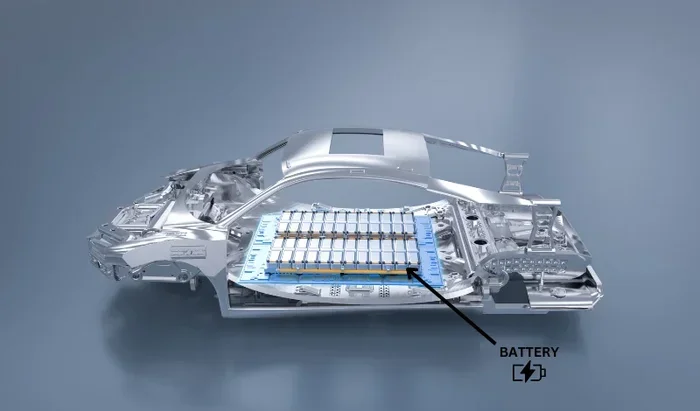
Before you can protect your battery, it helps to understand what it does and how it operates. Hybrid vehicles use two power sources: a gas engine and an electric motor powered by a high-voltage battery. This battery stores energy and delivers it when you need extra power, such as during acceleration or when driving at low speeds.
The Role of Regenerative Braking
One of the smartest features in any hybrid is regenerative braking. When you lift off the accelerator or press the brake pedal, the electric motor reverses and acts as a generator. It captures energy that would normally be lost as heat and sends it back to the battery. This process keeps your battery charged and reduces the workload on the gas engine.
Understanding this cycle matters because how you drive directly affects how much energy your battery absorbs and releases. Aggressive driving burns through this captured energy faster, which means your battery works harder and degrades sooner over time.
How the Battery Management System Helps
Every modern hybrid has a battery management system (BMS). This computer monitors your battery’s temperature, charge level, and overall health. It adjusts how much power flows in and out to prevent damage. The BMS is designed to protect your battery, but it cannot fix poor driving habits or neglect.
Think of the BMS as a safety net. It catches problems before they become catastrophic, but it works best when you give it a helping hand through good maintenance and smart driving choices.
Common Causes of Hybrid Battery Degradation
Hybrid batteries do not fail overnight. Degradation happens gradually, and certain habits and conditions speed up the process. Knowing what causes damage puts you in a better position to prevent it.
Deep Discharging the Battery
One of the biggest threats to battery longevity is letting your charge drop too low. When a hybrid battery stays at a very low state of charge for extended periods, the cells can become damaged. This is called deep discharging, and it reduces the overall capacity of the battery.
Many modern hybrids have a buffer zone built into the battery management system to prevent complete discharge. However, if you frequently drive until the battery is nearly empty and then do not recharge it soon, you put unnecessary stress on the cells.
Exposure to Extreme Temperatures
Heat is the number one enemy of hybrid batteries. High temperatures accelerate chemical reactions inside the battery cells, which leads to faster degradation. Cold weather is less damaging but can temporarily reduce battery performance and efficiency.
If you live in a hot climate or regularly park in direct sunlight for long hours, your battery is working harder to stay cool. Over months and years, this heat exposure adds up and shortens your battery’s overall lifespan.
Ignoring Warning Signs
Most hybrid vehicles give you early warning signs before a battery fails completely. These signs include reduced fuel economy, unusual noises from the powertrain, warning lights on the dashboard, or the vehicle switching to gas-only mode more frequently. Ignoring these signals can lead to further damage and more expensive repairs down the road.
Some owners assume that a hybrid battery failure means they need a full replacement right away. That is not always true. Catching problems early often means you can address smaller issues before they turn into major ones.
Daily Driving Habits That Extend Battery Life
The way you drive every day has a powerful impact on your hybrid battery health. Small changes in your routine can add years to your battery’s life and improve your overall fuel efficiency.
Accelerate Gently and Maintain Steady Speeds
Hard acceleration draws a large amount of power from the battery in a short time. This creates stress on the cells and reduces their long-term capacity. Instead, try to accelerate smoothly and gradually. You will notice your battery lasting longer and your fuel economy improving at the same time.
Similarly, maintaining a steady speed on highways is easier on the battery than constantly speeding up and slowing down. Cruise control can help with this on open roads, as long as traffic conditions allow it.
Use Regenerative Braking to Your Advantage
Instead of riding your brakes heavily, learn to coast and lift off the accelerator early when you know you need to slow down. This lets the regenerative braking system do its job and recharge the battery while you decelerate. It is a win-win situation for both your battery and your brake pads.
Many hybrids offer different driving modes, such as Eco or Sport mode. Using Eco mode adjusts your throttle response and power usage to be more battery-friendly. This simple change can make a noticeable difference over time.
Avoid Short Trips When Possible
Very short trips do not give your hybrid battery enough time to fully charge and discharge properly. Over time, this can lead to a condition called sulfation in nickel-metal hydride batteries or suboptimal charging in lithium-ion packs. If you can combine errands into longer trips, your battery will thank you.
If short trips are unavoidable, try to take at least one longer drive each week. This allows the battery to reach a full charge cycle and helps maintain its overall health and capacity.
Maintenance Tips for Hybrid Battery Longevity
Proper maintenance goes a long way in protecting your hybrid battery. While hybrids require less maintenance than traditional gas-only vehicles, there are still important steps you should follow.
Stick to Your Maintenance Schedule
Your vehicle’s owner manual includes a recommended maintenance schedule. This schedule covers everything from oil changes to battery inspections. Following it ensures that potential issues are caught early by a trained technician.
During routine service, ask the mechanic to check the battery coolant level and inspect the battery pack for any signs of wear or damage. Many dealerships and independent shops offer hybrid vehicle maintenance packages that include a battery health check as part of the service.
Keep the Battery Cool
Your hybrid battery has a cooling system that prevents it from overheating. This system needs to be maintained just like any other part of your vehicle. Make sure the coolant levels are checked regularly and that the cooling system is functioning properly.
Parking in shaded areas or a garage whenever possible also helps keep your battery at a safe temperature. In extremely hot climates, some owners install aftermarket battery cooling pads, though this is less common and usually not necessary for most vehicles.
Keep the Battery Clean and Dry
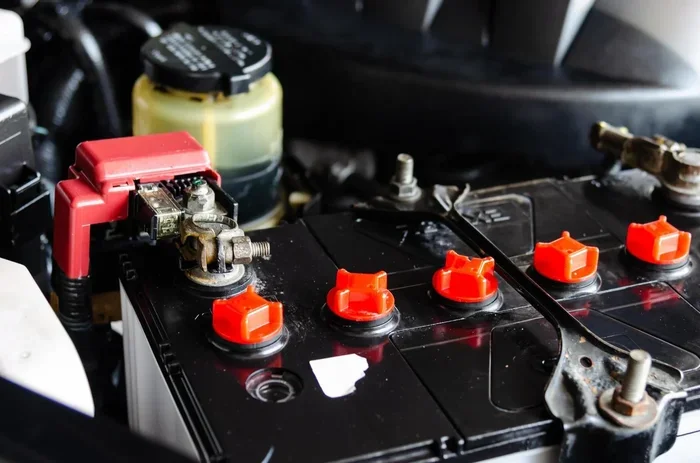
Moisture and dirt can cause corrosion on battery terminals and connections. Periodically inspect the battery area for any signs of dirt buildup, leaks, or corrosion. If you notice anything unusual, have it checked by a professional.
When washing your vehicle, avoid high-pressure water sprays directed at the battery area. While hybrid batteries are sealed and designed to handle normal conditions, excessive water pressure can damage connectors and sensors over time.
Do Not Leave Your Battery Fully Depleted for Long Periods
If you plan to store your hybrid vehicle for an extended period, make sure the battery is at least partially charged before you park it. A fully depleted battery left sitting for weeks or months can suffer permanent damage.
If you are going away for more than a couple of weeks, consider having someone start and drive the vehicle periodically. This keeps the battery charged and the systems active. Some owners also use a trickle charger designed for hybrid vehicles, though you should always consult your owner manual before doing so.
Warning Signs Your Hybrid Battery Is Failing
No battery lasts forever, and knowing the warning signs of a failing battery helps you take action before you are stranded. Here are the most common indicators that your hybrid battery may need attention.
Reduced Fuel Economy
If you notice your miles per gallon dropping significantly, the battery may not be holding a charge as effectively as it once did. A healthy hybrid battery works in tandem with the gas engine to maximize efficiency. When the battery weakens, the gas engine compensates, which means you burn more fuel.
Unusual Sounds or Vibrations
Clicking noises, humming sounds, or vibrations coming from the powertrain area can indicate battery or motor problems. These sounds often mean that the battery cells are not working properly, and the system is struggling to compensate.
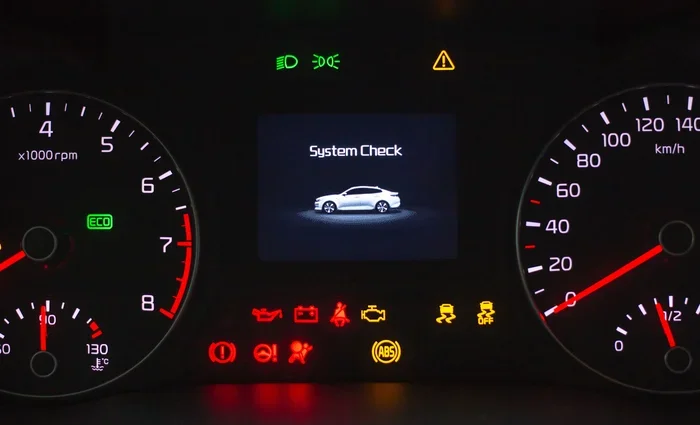
Dashboard Warning Lights
Most hybrids have a specific warning light for battery or powertrain issues. If you see any alert on your dashboard, do not ignore it. Even if the vehicle still drives, a warning light signals that something needs attention.
Some owners panic when they see a warning light and wonder if they can still drive. In many cases, you can still drive a hybrid without the battery operating at full capacity, but you should get it checked as soon as possible to avoid further damage.
Battery Not Holding a Charge
If you notice that your battery charge drops rapidly or does not hold a full charge after driving, this is a clear sign of degradation. You may also notice that the vehicle relies more on the gas engine than usual, even during light driving.
When to Replace vs. When to Repair Your Hybrid Battery
Finding out your hybrid battery needs attention can feel overwhelming, especially when you hear about the cost of replacements. But not every battery problem requires a full replacement. Understanding your options helps you make the best decision for your wallet and your vehicle.
Repair Options
Sometimes only one or a few cells within the battery pack are failing. In this case, a technician can replace just those cells rather than the entire pack. Cell replacement is significantly cheaper than a full battery replacement and can restore your battery to near-original performance.
Another option is battery reconditioning, which involves deep cycling and rebalancing the cells. This process can revive a weakened battery and extend its life by several years. It is a great middle-ground solution for batteries that are degraded but not completely dead.
Replacement Considerations
If your battery is truly failing and cannot be repaired, replacement becomes necessary. The cost of a new hybrid battery varies widely depending on the make and model of your vehicle. Some batteries cost a few thousand dollars, while others can run significantly higher.
Before committing to a full replacement, consider getting a second opinion from a trusted specialist. Some shops offer diagnostic testing that can pinpoint exactly which part of the battery is failing. You might be surprised by how affordable a targeted repair can be compared to a full replacement.
Can a Dead Hybrid Battery Be Recharged?
If your battery has died completely, you might wonder if there is any hope. The answer depends on the severity of the depletion. In some cases, a professional can recharge a dead hybrid battery and restore partial function. However, if the cells have been deeply damaged, recharging alone will not solve the problem. A full diagnosis from a qualified technician is always the best first step.
Can You Jump Start a Hybrid Battery?
Jump starting a hybrid battery is different from jump starting a standard car battery. Hybrid systems operate at much higher voltages, and improper jump starting can cause serious damage. If your hybrid will not start, the safest approach is to call a professional or roadside assistance. You can learn more about the process in our guide on jump starting a hybrid battery.
What Happens When a Hybrid Battery Fails While Driving?
In the rare event that your hybrid battery fails while you are on the road, most vehicles will switch to gas-only mode. This means you can still drive, but you will lose the fuel efficiency and power benefits of the electric motor. It is not a dangerous situation, but you should pull over safely and arrange for service as soon as possible.
Some drivers worry about whether they can continue driving long-term with a weak battery. While technically possible in many cases, running your hybrid with a failing battery puts extra strain on the gas engine and can lead to additional mechanical issues. It is always better to address battery problems promptly rather than postponing repairs.
Understanding these options gives you confidence when facing battery issues. You are not helpless, and you certainly do not need to rush into an expensive replacement without exploring all the possibilities first.
Final Thoughts on Hybrid Battery Care
Your hybrid battery is a durable and sophisticated piece of technology. With the right care, it can last well beyond the typical lifespan of the vehicle itself. The key is consistency. Small daily habits, regular maintenance checks, and prompt attention to warning signs all add up to a longer-lasting, more reliable battery.
You do not need to overhaul your entire lifestyle to protect your battery. Start with the basics: drive gently, keep the battery cool, follow your maintenance schedule, and never ignore warning signs. These simple steps make a real difference over the life of your vehicle.
Take a moment today to review your driving habits and maintenance routine. Ask yourself if there are changes you can make that will benefit your hybrid battery. Even one small adjustment can have a lasting impact. Your battery works hard for you every day, and with a little attention, it will keep working hard for many miles to come.
Frequently Asked Questions
How long does a hybrid battery typically last?
Most hybrid batteries are designed to last between 80,000 and 150,000 miles, though many last longer with proper care. Driving habits, climate, and maintenance all play a role in determining your battery’s actual lifespan.
Can I drive my hybrid if the battery is completely dead?
In most cases, yes. Hybrid vehicles can switch to gas-only mode when the battery fails, allowing you to drive to a service center. However, this puts extra strain on the gas engine, so you should get the battery repaired or replaced as soon as possible.
How much does it cost to replace a hybrid battery?
Replacement costs vary widely by vehicle model and battery type. You can expect to pay anywhere from a few thousand dollars to over five thousand dollars for a new hybrid battery. Repairing individual cells is often a more affordable alternative.
Does driving style really affect hybrid battery life?
Absolutely. Aggressive driving, frequent hard acceleration, and short trips all put extra stress on the battery. Smooth, steady driving and regular longer trips help maintain battery health and extend its lifespan significantly.
What temperature is best for a hybrid battery?
Most hybrid batteries perform best between 60 and 80 degrees Fahrenheit. Extreme heat above 100 degrees and freezing temperatures below 20 degrees both accelerate battery degradation. Parking in shade or a garage helps maintain a safe temperature range.
Should I turn off my hybrid when idling for long periods?
Yes. Hybrid vehicles automatically shut off the gas engine when idling, but if you are parked for an extended time, turning the vehicle off completely saves battery charge and reduces unnecessary wear on the battery system.
=== CONCLUSION ===
Taking care of your hybrid battery does not have to be complicated. The strategies in this article are straightforward, practical, and easy to incorporate into your daily routine. From gentle driving to regular maintenance checks, every step you take adds value to the life of your battery and your vehicle.
Start with one or two changes today. Monitor your fuel economy, watch for warning signs, and stay on top of your maintenance schedule. Over time, these habits become second nature, and you will enjoy a healthier, more efficient hybrid for many years to come. Your battery is an investment worth protecting, and now you have the knowledge to do exactly that.