Illinois Window Tint Law Everything You Need to Know
The Illinois Window Tint Law sets specific rules for how dark or reflective your car windows can be. These regulations cover every window on your vehicle, from the front windshield to the rear seats. Understanding the legal tint limits helps you avoid fines, pass inspections, and choose the right film for your car. This guide covers everything you need to know about staying compliant with Illinois tint regulations.
If you own a car in Illinois, you have probably thought about tinting your windows. Maybe you want to keep your car cooler in the summer. Maybe you care about privacy. Or maybe you just think tinted windows look great. Whatever your reason, there is one thing you need to know before you roll down the road with dark windows: the Illinois Window Tint Law has specific rules you must follow.
Tint laws vary from state to state, and Illinois is no exception. The state has clear regulations about how dark your tint can be, which windows can be tinted, and whether you need a special permit. Breaking these rules can lead to fines, failed inspections, and even having your tint removed by law enforcement.
This guide breaks down everything you need to know about the Illinois Window Tint Law. We will cover tint darkness rules for each window, medical exemptions, the different types of tint films available, penalties for violations, and practical tips to keep you on the right side of the law. Whether you are thinking about tinting your car for the first time or already have tint and want to make sure it is legal, this article has you covered.
Key Takeaways
- Front side windows must allow more than 35% VLT: This is the most important rule for Illinois drivers. Your front side windows need to let in enough light to meet legal standards.
- Rear windows can be tinted darker: Unlike front windows, the rear side windows and rear windshield have more relaxed tint darkness rules in Illinois.
- Medical exemptions are available: If you have a qualifying condition, you can apply for a special permit that allows darker tint than the standard law allows.
- Penalties for illegal tint can be costly: Fines for violating the Illinois Window Tint Law can range from $50 to $500 or more depending on the offense.
- Not all tint films are equal: Dyed, metalized, carbon, and ceramic films each offer different benefits and levels of legality under Illinois regulations.
- Working with a professional tint shop helps: A reputable tint shop will know the current Illinois tint laws and help you choose a compliant film.
- Tint can degrade over time: Regular maintenance and inspection of your tint ensures it stays within legal limits throughout the life of the film.
📑 Table of Contents
What Is the Illinois Window Tint Law?
The Illinois Window Tint Law is a set of rules that governs how much tint can be applied to the windows of passenger vehicles. These rules are part of the Illinois Vehicle Code and are enforced by law enforcement officers during traffic stops and vehicle inspections. The law focuses on two main factors: tint darkness and tint reflectivity.
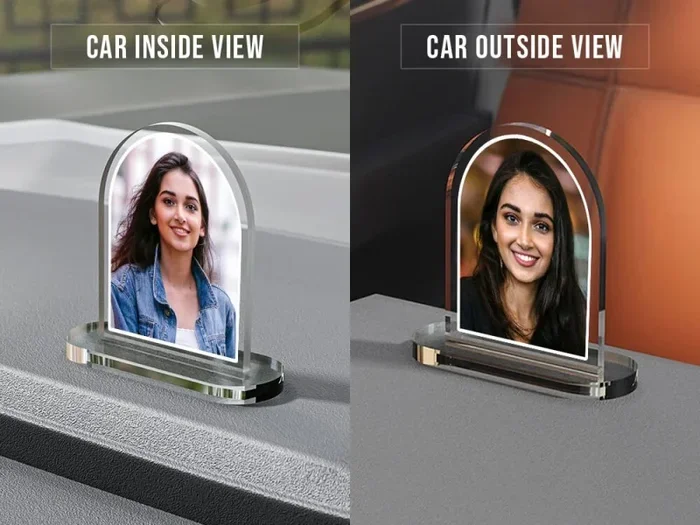
Tint darkness is measured using something called Visible Light Transmission, or VLT. VLT tells you what percentage of light can pass through your window film. A higher VLT means more light gets through, which means a lighter tint. A lower VLT means less light gets through, which means a darker tint. Understanding VLT is essential when choosing a tint that complies with Illinois law.
Why Tint Laws Exist
You might wonder why states even have tint laws in the first place. The reasons are practical and safety-focused. Dark tint can reduce a driver’s ability to see the road, especially at night or in low-light conditions. It can also make it harder for police officers to see inside a vehicle during a traffic stop, which raises safety concerns for both officers and drivers.
Tint laws also help maintain consistency across vehicles on the road. When everyone follows the same rules, it is easier for law enforcement to identify vehicles that may be illegally tinted. The Illinois Window Tint Law strikes a balance between allowing drivers to enjoy the benefits of window tint and keeping roads safe for everyone.
Who Enforces These Rules
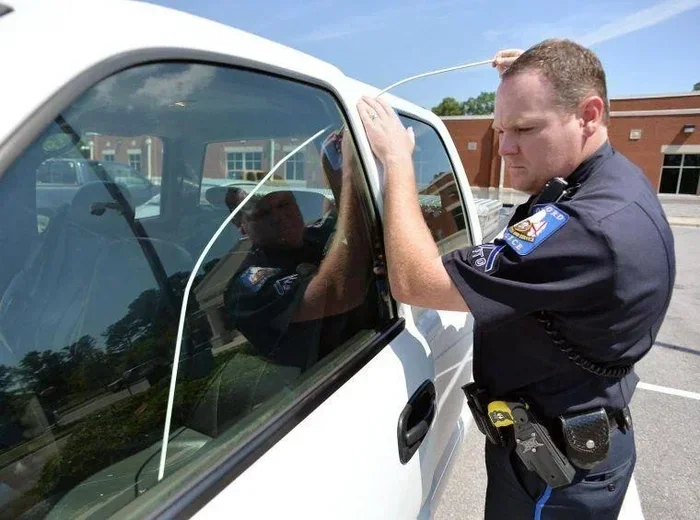
The Illinois Window Tint Law is enforced by local police departments, state troopers, and county sheriff offices. During a routine traffic stop, an officer may use a tint meter to measure the VLT of your windows. If your tint is darker than the legal limit, you can receive a citation. In some cases, especially in areas like Cook County and Chicago, enforcement can be particularly strict.
It is also worth noting that Illinois requires vehicles to pass annual safety inspections in many counties. Tint that does not meet the legal VLT requirements can cause your vehicle to fail inspection. This means you would need to remove or replace the tint before your car can be certified as roadworthy.
Tint Darkness Rules for Each Window
The Illinois Window Tint Law treats different windows differently. The rules are not one-size-fits-all. Each window on your vehicle has its own legal tint darkness limit based on its position. Understanding these limits is the first step to staying compliant.
Here is a breakdown of the tint darkness rules for each window on a standard passenger vehicle in Illinois:
- Front Side Windows: Must allow more than 35% of light to pass through. This is the strictest rule under the Illinois Window Tint Law.
- Rear Side Windows: Can be tinted to any darkness level. There is no minimum VLT requirement for rear side windows on passenger vehicles.
- Rear Windshield and Rear Window: Can also be tinted to any darkness level. The only requirement is that the vehicle must have dual side mirrors if the rear window is tinted.
- Front Windshield: Tint is not allowed on the front windshield except for a non-reflective strip along the top. This strip cannot extend more than six inches below the top of the windshield.
Front Side Windows
The front side windows are where the Illinois Window Tint Law is most restrictive. These windows must have a VLT of more than 35%. This means the tint film on your front side windows must let at least 35% of visible light pass through. If you go darker than this, you are violating the law.
For many car owners, 35% VLT tint is a good middle ground. It provides a noticeable level of privacy and heat rejection while still being legal for the front side windows. If you want a lighter tint that is barely noticeable, you can choose a 50% or 70% VLT film. If you prefer a darker look, you will need to stick with 35% or lighter for the front windows.
Rear Side Windows and Rear Window
The good news is that the Illinois Window Tint Law allows much more flexibility for the rear side windows and rear window. You can tint these windows to any darkness level you want. This means you can go as dark as 5% VLT, which is often called “limo tint,” if you prefer.
This is particularly popular among drivers who want maximum privacy for passengers in the back seat. It is also a great option for families with children who may want to protect them from the sun’s UV rays. Just remember that if you tint the rear window, your vehicle must have working dual side mirrors.
Front Windshield Tint Rules
The front windshield has its own set of rules under the Illinois Window Tint Law. You cannot apply tint to the front windshield except for a strip at the top. This strip must be non-reflective and can extend no more than six inches down from the top edge of the windshield.
This six-inch strip is sometimes called an “eyebrow” or “sun strip.” It provides a small amount of shade at the top of the windshield without obstructing the driver’s view. The purpose is to reduce glare from the sun while maintaining clear visibility through the rest of the windshield.
Comparison Table: Legal Tint Darkness by Window
Here is a quick reference table showing the legal tint darkness rules for each window under the Illinois Window Tint Law:
| Window | Legal VLT Limit | Reflectivity Limit |
|---|---|---|
| Front Side Windows | More than 35% VLT | Non-reflective or below 20% |
| Rear Side Windows | Any darkness allowed | Non-reflective or below 20% |
| Rear Windshield / Rear Window | Any darkness allowed | Non-reflective or below 20% |
| Front Windshield | Only a 6-inch non-reflective strip at the top | Non-reflective only |
Keep in mind that these rules apply to passenger vehicles. Trucks, SUVs, and vans may have slightly different regulations, so always check with your local DMV or a professional tint shop if you are unsure.
Medical Exemptions and Special Permits
The Illinois Window Tint Law does make provisions for people with certain medical conditions. If you or a passenger has a condition that makes you sensitive to sunlight, you may qualify for a medical exemption that allows darker tint than the standard legal limits.
Who Qualifies for an Exemption
Not everyone qualifies for a medical exemption. The Illinois Department of Motor Vehicles (DMV) recognizes specific conditions that may warrant an exemption. These can include conditions like lupus, eczema, porphyria, and other photosensitive disorders. If you have a condition that causes severe reactions to sunlight or UV exposure, you should explore this option.
To qualify, you will need documentation from a licensed physician. The doctor must provide a written statement explaining your condition and why darker window tint is medically necessary. This documentation is a key part of the exemption process, so make sure your doctor provides detailed and specific information.
How to Apply for a Medical Exemption
Applying for a medical exemption under the Illinois Window Tint Law involves a few steps. First, visit your doctor and get the required medical documentation. Next, submit the documentation to the Illinois DMV along with a completed exemption application form. The DMV will review your application and, if approved, issue you a special permit.
Once you have the permit, you must keep it in your vehicle at all times. Law enforcement officers may request to see it during a traffic stop. The exemption permit will specify the allowed tint darkness for your vehicle, which may be darker than the standard 35% VLT limit for front side windows.
It is important to note that medical exemptions are not permanent. They typically need to be renewed periodically. Check with the Illinois DMV for the current renewal requirements and timelines. Staying up to date with your exemption ensures you remain compliant with the law.
Types of Tint Films Available
Not all window tint films are created equal. The Illinois Window Tint Law does not ban specific film types, but the film you choose will affect the VLT and reflectivity of your windows. Understanding the different types of tint films can help you make an informed decision that keeps you legal and gives you the results you want.
Dyed Tint Film
Dyed tint film is the most common and affordable option. It works by using layers of dye to absorb sunlight and reduce the amount of light that passes through your windows. Dyed film comes in a range of VLT levels, so you can find one that meets the Illinois Window Tint Law requirements.
The main downside of dyed film is that it tends to fade over time. Exposure to UV rays can cause the dye to break down, which may change the VLT of your tint. If you choose dyed film, you will need to monitor its condition and replace it when it starts to fade. A faded tint could become too dark and put you out of compliance with the law.
Metalized Tint Film
Metalized tint film contains tiny metallic particles that reflect heat and sunlight away from your vehicle. This type of film is known for its excellent heat rejection properties. It also tends to be more durable than dyed film and does not fade as quickly.
However, metalized film can interfere with electronic signals. If you rely on GPS, cell phone reception, or toll pass systems, metalized tint might cause connectivity issues. The Illinois Window Tint Law does not specifically restrict metalized film, but you should be aware of this potential drawback before making your choice.
Carbon Tint Film
Carbon tint film is a popular middle-ground option. It offers good heat rejection without the signal interference issues associated with metalized film. Carbon film has a matte finish that many people find attractive, and it is more durable than dyed film.
Carbon film is available in various VLT levels, making it easy to find a option that complies with the Illinois Window Tint Law. It is also fade-resistant, which means your tint will maintain its appearance and VLT for a longer period of time compared to dyed film.
Ceramic Tint Film
Ceramic tint film is the premium option. It uses nano-ceramic particles to block heat and UV rays without interfering with electronic signals. Ceramic film offers the best heat rejection and UV protection of any tint type, and it does not fade or discolor over time.
The main drawback of ceramic film is the cost. It is significantly more expensive than dyed, metalized, or carbon films. However, if you want the best performance and longest-lasting tint that stays compliant with the Illinois Window Tint Law, ceramic film is worth the investment.
Penalties for Illegal Window Tint in Illinois
Violating the Illinois Window Tint Law can result in serious consequences. The state takes tint violations seriously, and the penalties can add up quickly if you do not address the issue. Understanding what happens if you are caught with illegal tint can help you make better decisions about your vehicle.
First Offense Consequences
If you are pulled over and your window tint does not meet the legal requirements, you will likely receive a citation. A first offense for illegal tint in Illinois typically results in a fine. The fine amount can vary depending on the county and the severity of the violation, but it usually ranges from $50 to $100 for a first offense.
In addition to the fine, you may be required to remove the illegal tint within a specified timeframe. Some jurisdictions may also require you to provide proof that the tint has been removed or replaced with compliant film. Failure to comply can result in additional fines or complications with your vehicle registration.
Repeat Offenses and Fines
If you receive a second or subsequent citation for illegal window tint, the penalties become more severe. Repeat offenders can face fines of $100 to $500 or more. In some cases, law enforcement may require you to remove the tint immediately before you can continue driving.
Repeat violations can also affect your driving record. While a tint ticket is typically a non-moving violation, multiple offenses could lead to increased insurance premiums or other complications. It is simply not worth the risk of repeatedly violating the Illinois Window Tint Law when the solution is straightforward: choose compliant tint from the start.
Another consequence to consider is that illegal tint can cause you to fail your vehicle inspection. If your car does not pass inspection, you will not be able to renew your registration until the tint is brought into compliance. This can be an inconvenience and an added expense, especially if you need to have the tint removed or replaced by a professional.
Tips for Staying Compliant with Illinois Tint Laws
Staying on the right side of the Illinois Window Tint Law is not difficult if you follow a few simple guidelines. These tips will help you choose the right tint, work with reputable professionals, and maintain compliance over time.
Choosing the Right Tint Percentage
The easiest way to stay compliant is to choose a tint film that meets the legal VLT requirements from the start. For front side windows, select a film with a VLT of 35% or higher. For rear windows, you have more flexibility, but it is still a good idea to check the specific VLT of the film you are considering.
When you are shopping for tint, ask the salesperson for the exact VLT of each film option. A reputable tint shop will be transparent about this information. Do not guess or assume that a film is legal just because it looks light enough. Always verify the VLT before you commit to a installation.
Working with a Professional Tint Shop
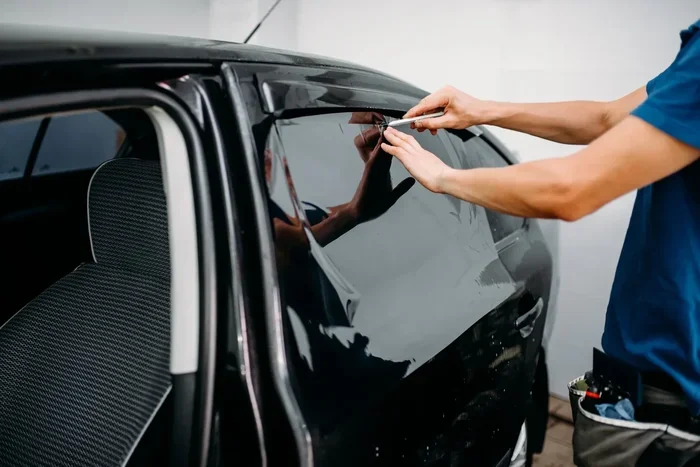
One of the best ways to ensure compliance is to work with a professional tint shop that knows the Illinois Window Tint Law inside and out. A knowledgeable shop will recommend films that meet legal requirements and will install them correctly to maintain the proper VLT.
Look for tint shops that have experience working with Illinois regulations. Read reviews, ask for recommendations from friends, and visit the shop in person if possible. A good tint shop will be happy to answer your questions and provide documentation about the VLT of the films they carry.
Professional installation also reduces the risk of bubbles, peeling, or uneven application. These issues can affect the appearance and performance of your tint and may even lead to questions from law enforcement. A clean, professional installation looks better and lasts longer.
Keeping Your Tint Legal Over Time
Window tint is not a set-it-and-forget-it modification. Over time, tint can degrade, bubble, or fade, which can change its VLT and put you out of compliance with the Illinois Window Tint Law. Inspect your tint regularly for signs of wear and tear.
If you notice bubbling, peeling, or discoloration, consider having the tint replaced. A well-maintained tint will look better, perform better, and keep you on the right side of the law. Regular maintenance is especially important for dyed film, which tends to fade faster than ceramic or carbon options.
Also, keep in mind that aftermarket tint applied to the rear windows of a vehicle should not obstruct the driver’s view through the rearview mirror. While the law does not specify a VLT limit for rear windows, the tint should still allow for safe driving conditions. Use common sense and err on the side of caution when choosing your tint darkness.
Understanding Reflectivity Limits
The Illinois Window Tint Law also addresses the reflectivity of window tint. Tint that is too reflective can create glare for other drivers, which is a safety hazard. Under Illinois law, window tint must not be more than 20% reflective on any window.
Most modern tint films, including dyed, carbon, and ceramic options, are non-reflective or only slightly reflective. Metalized films tend to be more reflective, so if you choose this type, make sure it stays within the 20% reflectivity limit. Your tint shop should be able to provide the reflectivity rating of the film they install.
Special Considerations for Trucks and SUVs
If you drive a truck, SUV, or van, there are a few additional considerations under the Illinois Window Tint Law. The rules for front side windows still apply, but the rear windows may have different requirements depending on the vehicle type. Always check the specific regulations for your vehicle category before having tint installed.
For larger vehicles like trucks, the rear windshield may be a different size or shape, which can affect how tint is applied. Work with your tint shop to ensure that the film they use meets all applicable requirements for your specific vehicle model and type.
Conclusion
The Illinois Window Tint Law is clear and straightforward once you understand the basics. The key rules are simple: front side windows must allow more than 35% VLT, rear windows can be tinted to any darkness, and the front windshield can only have a six-inch non-reflective strip at the top. Medical exemptions are available for those with qualifying conditions, and the penalties for violations can be costly.
By choosing the right tint film, working with a professional tint shop, and staying informed about the current regulations, you can enjoy all the benefits of window tint without running afoul of the law. The Illinois Window Tint Law is designed to keep drivers safe while still allowing people to customize their vehicles. Respect the rules, and you will have a great looking car that is fully compliant.
Take the time to research your options, ask questions, and make informed decisions. A little effort upfront can save you time, money, and headaches down the road. Whether you are tinting your car for the first time or replacing old tint, staying informed is the best way to ensure a smooth and legal experience.
Frequently Asked Questions
What is the legal tint darkness for front side windows in Illinois?
Under the Illinois Window Tint Law, front side windows must have a Visible Light Transmission (VLT) of more than 35%. This means the tint must let at least 35% of light pass through. Tinting your front side windows darker than this limit is illegal and can result in a citation.
Can I tint my rear windows to any darkness in Illinois?
Yes. The Illinois Window Tint Law allows rear side windows and the rear window to be tinted to any darkness level. There is no minimum VLT requirement for these windows. However, if your rear window is tinted, your vehicle must have dual side mirrors.
Is a medical exemption available for window tint in Illinois?
Yes. The Illinois Window Tint Law provides medical exemptions for individuals with qualifying conditions such as lupus, porphyria, or other photosensitive disorders. You will need documentation from a licensed physician and must apply through the Illinois DMV to receive a special permit.
What are the penalties for illegal window tint in Illinois?
Penalties for violating the Illinois Window Tint Law can include fines ranging from $50 to $500 or more, depending on the offense and your history. You may also be required to remove the illegal tint and could face complications with vehicle inspection and registration.
Can I tint my front windshield in Illinois?
The Illinois Window Tint Law only allows a non-reflective tint strip at the top of the front windshield. This strip cannot extend more than six inches below the top edge. No other tint is permitted on the front windshield.
What type of tint film is best for staying legal in Illinois?
Carbon and ceramic tint films are excellent choices because they offer good heat rejection, do not fade quickly, and are available in VLT levels that comply with the Illinois Window Tint Law. Always verify the VLT rating of the film before installation to ensure it meets the 35% minimum for front side windows.