Kawasaki Teryx 4 Common Problems and How to Fix Them
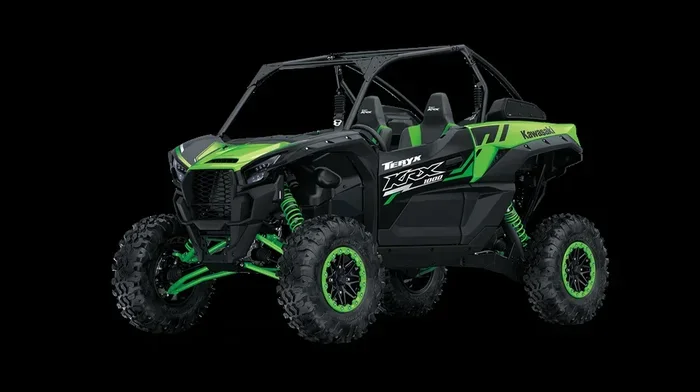
The Kawasaki Teryx 4 is a powerful side-by-side UTV, but it faces several common problems that owners should know about. From transmission issues to overheating and electrical gremlins, understanding these problems early saves time and money. This guide covers the top issues and provides clear, actionable fixes for each one.
The Kawasaki Teryx 4 is a popular side-by-side UTV loved by off-road enthusiasts and utility workers alike. It packs serious power, great suspension, and a rugged build that handles tough terrain with ease. But like any machine, it is not perfect. Owners have reported several recurring Teryx 4 problems that can affect performance and reliability over time.
If you own or are thinking about buying a Kawasaki Teryx 4, knowing these common issues ahead of time gives you a huge advantage. You can catch small problems before they turn into expensive repairs. This article walks through the most frequent Teryx 4 common problems and gives you clear, step-by-step fixes. We also share maintenance tips that keep your UTV running smoothly for years.
Whether you use your Teryx 4 for work on the farm or for weekend trail rides, this guide has something for you. Let us dive into the details and help you keep your machine in top shape.
Key Takeaways
- Transmission slipping is one of the most reported Teryx 4 issues, often caused by worn clutch components.
- Overheating can damage your engine if you ignore coolant levels or airflow blockages.
- Electrical problems like faulty ignition switches and dimming lights are common but usually easy to repair.
- CV joint and belt wear are normal maintenance items that need regular inspection.
- Throttle body buildup causes rough idling and power loss, but cleaning is straightforward.
- Regular maintenance prevents most of these problems before they become costly repairs.
📑 Table of Contents
Transmission and Clutch Issues
The transmission system in the Kawasaki Teryx 4 is one of the areas where owners report the most trouble. The dual-clutch design is clever, but it does have its weak points. Understanding how the transmission works helps you spot problems early.
Slipping Gears
One of the most common complaints is gears slipping during operation. You might notice the engine revving higher without a corresponding increase in speed. This usually points to worn clutch plates or contaminated clutch fluid. The Teryx 4 transmission problems often start with a simple fluid change. Kawasaki recommends using their specific CVT fluid, and mixing brands can cause slipping.
If a fluid change does not fix the issue, the clutch packs may need replacing. This is more involved but still manageable for a handy owner. Regular inspection of the clutch components prevents sudden failures on the trail.
Hard Shifting
Another transmission complaint is rough or hard shifting between gears. This often feels like a jolt or jerk when you accelerate. The culprit is usually the belt or the tensioner spring inside the CVT system. A worn drive belt causes inconsistent engagement, leading to that harsh shifting feel.
Replacing the belt on a Kawasaki Teryx 4 is a routine maintenance task. Owners should check the belt every 50 hours of operation or at least once a season. Like the drivetrain in a 4-wheel drive vehicle such as a Toyota Tacoma 4WD, the Teryx 4 drivetrain needs regular attention to perform well.
Engine Overheating
Engine overheating is a serious issue that can cause major damage if ignored. The Kawasaki Teryx 4 uses a liquid-cooled 4-cylinder engine, which generally runs cool under normal conditions. But certain situations push the cooling system to its limits.
Why Does the Teryx 4 Overheat?
Several factors contribute to overheating in the Teryx 4 engine problems category. Low coolant levels are the most common cause. A small leak in the radiator hose or a loose hose clamp can slowly drain the system. Owners often do not notice until the temperature gauge spikes.
Another cause is a blocked radiator. Mud, dirt, and debris can clog the radiator fins, especially after riding through tall grass or muddy trails. This restricts airflow and reduces cooling efficiency. A simple cleaning with water and a soft brush often solves this problem.
How to Fix Overheating
Start by checking the coolant reservoir when the engine is cool. Top off with Kawasaki-approved coolant and inspect all hoses for cracks or leaks. If the radiator is dirty, flush it with clean water. For persistent overheating issues, the thermostat may be stuck closed and needs replacement.
It is also worth noting that the 4-cylinder engine in the Teryx 4 shares design similarities with many 4 cylinder engine cars in India and other compact engines worldwide. These engines run efficiently but need proper cooling maintenance, especially in hot climates or during heavy use. You can read more about 4 cylinder engine cars in India for broader engine cooling insights.
Prevention Tips
- Check coolant levels before every ride.
- Flush the cooling system at least once a year.
- Clean the radiator fins regularly.
- Never ignore the temperature gauge warning.
- Ride at moderate speeds in extreme heat.
Electrical System Problems
The electrical system on the Kawasaki Teryx 4 is where many owners run into frustration. Electrical gremlins can be tricky to diagnose because the symptoms often point to different root causes. Let us break down the most common electrical issues.
Ignition Switch Failures
A faulty ignition switch is one of the most reported Teryx 4 electrical issues. You turn the key and nothing happens. Or the engine starts and then suddenly dies. This is often caused by worn contacts inside the switch or corrosion on the wiring connectors.
The fix usually involves replacing the ignition switch assembly. It is a relatively affordable part and not too difficult to install. However, always check the wiring harness first for any signs of damage or loose connections before replacing the switch.
Dimming or Flickering Lights
Dimming headlights or a flickering dash display can make night riding dangerous. This issue often traces back to a weak battery or a failing stator. The stator generates electrical power while the engine runs, and over time it can wear out.
Start by testing the battery voltage with a multimeter. A healthy battery should read 12.6 volts or higher when fully charged. If the battery tests fine, the stator is the next suspect. Replacing a stator is more involved, but many owners handle it in their garage with basic tools.
Blown Fuses
Frequent blown fuses indicate an underlying short circuit or an overloaded accessory circuit. Common causes include aftermarket lighting setups, GPS units, or speakers wired into the stock electrical system. If you have added accessories, check that they are properly fused and wired.
Keep spare fuses in your UTV at all times. A small investment that saves a lot of hassle on the trail.
CV Joint and Drivetrain Wear
The constant velocity (CV) joints on the Kawasaki Teryx 4 transfer power from the transmission to the wheels. These joints endure a lot of stress, especially during aggressive riding or heavy hauling. Over time, they wear out and need attention.
Signs of CV Joint Failure
Clicking or popping sounds when turning is the most obvious sign of a worn CV joint. You might also feel vibration through the steering wheel at higher speeds. In severe cases, the joint can fail completely, leaving you stranded.
Regularly inspect the CV boots for tears or cracks. A damaged boot lets dirt and moisture enter the joint, accelerating wear. Replacing a CV boot is much cheaper than replacing the entire joint, so catch the damage early.
Drivetrain Maintenance Schedule
Following a consistent maintenance schedule keeps the drivetrain healthy. Here is a simple checklist:
- Inspect CV boots every 25 hours of operation.
- Grease CV joints with manufacturer-approved grease.
- Check drive belt tension and condition monthly.
- Replace the drive belt every 100 hours or as needed.
- Inspect wheel bearings during every oil change.
Think of the drivetrain like the mechanical systems in a well-built 4WD SUV. Regular care and attention prevent most failures before they happen.
Throttle Body and Fuel System Issues
The fuel system and throttle body on the Kawasaki Teryx 4 can develop problems that affect how the engine runs. These issues often show up as rough idling, poor acceleration, or a noticeable loss of power.
Throttle Body Buildup
Carbon deposits build up inside the throttle body over time, especially if you frequently ride in dusty or dirty conditions. This buildup restricts airflow and causes the engine to idle roughly or hesitate when you twist the throttle.
Cleaning the throttle body is a straightforward job. Remove the air intake duct, spray throttle body cleaner on the throttle plate, and wipe it clean with a soft cloth. Do this every 50 hours of riding to keep things running smoothly.
Fuel Filter and Pump Concerns
A clogged fuel filter restricts fuel flow to the engine. Symptoms include stalling under load, difficulty starting, and a rough-running engine. The fuel filter is an inexpensive part and easy to replace. Most owners can do it in under 15 minutes.
The fuel pump is another component to watch. A failing fuel pump causes the engine to sputter or lose power at higher speeds. If you suspect a fuel pump issue, listen for a humming sound from the tank when you turn the key to the on position. No sound often means a dead pump that needs replacement.
Fuel Quality Matters
Using old or contaminated fuel causes a surprising number of problems on the Kawasaki Teryx 4. Always use fresh gasoline and add a fuel stabilizer if the UTV sits for more than a few weeks. Ethanol-blended fuels are especially problematic because they attract moisture and degrade rubber components over time.
Suspension and Steering Concerns
The Kawasaki Teryx 4 features a double A-arm suspension with independent trailing arms, which provides excellent ride quality both on and off the road. However, this system has components that wear out over time, especially with regular off-road use.
Worn Bushings
Plastic and polyurethane bushings in the suspension arms wear out with regular use. Symptoms include clunking noises over bumps, loose steering feel, and uneven tire wear. Inspecting bushings during routine maintenance catches wear before it causes bigger problems.
Replacing suspension bushings is a cost-effective way to restore the tight, confident feel of your Teryx 4. The parts are affordable and the installation process is well within the capabilities of a weekend mechanic.
Steering Linkage Play
Over time, the steering linkage can develop play or looseness. This makes the UTV feel vague or unresponsive when turning. Check all ball joints and tie rod ends for excessive movement. Tightening or replacing worn components restores precise steering response.
Shock Absorber Issues
The Teryx 4 comes with quality shocks from the factory, but they do not last forever. Leaking oil, bottoming out over bumps, or a generally rough ride all point to failing shocks. Upgrading to aftermarket shocks is a popular choice among owners who want better performance on rough terrain.
Common Mistakes Owners Make
Even the best Kawasaki Teryx 4 owners sometimes make mistakes that lead to unnecessary problems. Here are the most common ones to avoid.
- Skipping regular oil changes. Dirty oil accelerates engine wear and can lead to costly repairs.
- Ignoring warning lights. The dash warning lights exist for a reason. Ignoring them almost always makes things worse.
- Using the wrong fuel or oil. Always follow Kawasaki recommendations for fuel grade and oil type.
- Overloading the UTV. Exceeding the weight capacity stresses the engine, transmission, and suspension.
- Neglecting bolt torque checks. Vibrations from off-road riding loosen bolts over time. Regular torque checks prevent parts from falling off.
- Riding without proper warm-up. Letting the engine warm up for a few minutes before pushing it hard extends engine life significantly.
Avoiding these simple mistakes goes a long way toward preventing the most common Teryx 4 problems on this list. A little prevention saves a lot of money and frustration.
Expert Maintenance Tips for Long-Term Reliability
Keeping your Kawasaki Teryx 4 in excellent condition comes down to a consistent maintenance routine. Follow these expert tips to maximize reliability and performance.
Stick to the Service Schedule
Kawasaki provides a detailed maintenance schedule in the owner manual. Follow it closely. Each service interval addresses specific wear items and fluid changes that keep the UTV running at its best. Skipping services may seem fine in the short term, but the long-term cost is always higher.
Keep a Maintenance Log
Write down every service, repair, and inspection. A maintenance log helps you track patterns and catch recurring issues early. It also adds value if you ever decide to sell the UTV. Buyers appreciate a well-documented maintenance history.
Invest in Quality Parts
When replacing parts on your Teryx 4 common problems fixes, use OEM Kawasaki parts or high-quality aftermarket alternatives. Cheap parts fail faster and often cause additional damage. The small upfront savings are never worth the long-term risk.
Store Your Teryx 4 Properly
If you do not ride year-round, proper storage makes a huge difference. Stabilize the fuel, disconnect the battery, and cover the UTV to protect it from dust and moisture. These simple steps prevent a host of problems that show up after a long period of inactivity.
When to Seek Professional Help
Many Kawasaki Teryx 4 repairs are well within the capability of a home mechanic. But some problems require professional attention. Transmission internal failures, engine rebuilds, and complex electrical diagnostics are best left to trained technicians. If you are unsure about a repair, it is always wise to consult a certified Kawasaki dealer or a qualified UTV mechanic.
Attempting complex repairs without the right knowledge or tools can turn a small problem into a big one. Know your limits and do not hesitate to seek expert help when needed.
Conclusion
The Kawasaki Teryx 4 is an excellent side-by-side UTV, but it does come with its share of common problems. From transmission slipping and overheating to electrical gremlins and suspension wear, understanding these issues puts you ahead of the curve. The good news is that most of these problems are preventable with regular maintenance and early attention.
Follow the maintenance schedule, use quality parts, and never ignore warning signs. Your Teryx 4 will reward you with years of reliable performance on and off the trail. Keep this guide handy, share it with fellow Teryx 4 owners, and ride with confidence knowing you are prepared for whatever comes your way.
Frequently Asked Questions
What are the most common Kawasaki Teryx 4 problems?
The most common issues include transmission slipping, engine overheating, electrical failures, CV joint wear, and throttle body buildup. Most of these problems are preventable with regular maintenance and timely repairs.
How do I fix a slipping transmission on my Teryx 4?
Start by checking and replacing the CVT fluid with Kawasaki-approved fluid. If the problem persists, inspect and replace the clutch plates and drive belt. Regular belt changes every 100 hours prevent most slipping issues.
Why does my Kawasaki Teryx 4 overheat?
Overheating is usually caused by low coolant levels, a blocked radiator, or a stuck thermostat. Check coolant levels first, clean the radiator fins, and inspect the thermostat if the problem continues.
How often should I replace the drive belt on my Teryx 4?
Replace the drive belt every 100 hours of operation or at least once per season. Inspect the belt more frequently if you ride in dusty or demanding conditions.
Can I fix electrical problems on my Teryx 4 myself?
Many electrical issues like blown fuses, dimming lights, and ignition switch failures are straightforward DIY repairs. However, complex wiring or stator replacement may require professional help.
What maintenance schedule should I follow for my Kawasaki Teryx 4?
Follow the factory service schedule in your owner manual. Key tasks include oil changes every 100 hours, CVT fluid changes, belt inspections, coolant flushes, and regular bolt torque checks.