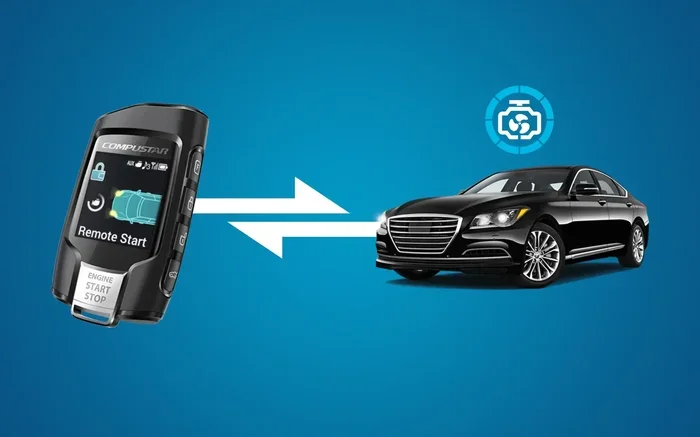
Can You Leave Your Car Running Without the Key Fob
Yes, you can leave your car running without the key fob in many modern vehicles, but it comes with important safety and security risks. Most newer cars with push-button start will eventually shut off if the key fob moves out of range. However, older models and certain systems may allow the engine to keep running indefinitely. Understanding how your keyless ignition system works can help you avoid theft, fuel waste, and dangerous situations. This guide breaks down everything you need to know about leaving your car running without the key fob.
Have you ever walked out of your car, locked the door, and realized the engine was still running? It happens to the best of us. Maybe you were warming up the car on a cold morning or quickly ran back inside to grab something. But then the question hits you: can you leave your car running without the key fob?
The short answer is yes, in most cases. But the full answer is a lot more nuanced than a simple yes or no. Whether your car shuts off automatically or keeps idling depends on the make, model, and year of your vehicle. It also depends on the type of keyless ignition system your car uses. In this article, we will walk you through everything you need to know. We will cover how these systems work, the safety risks involved, and what you can do to protect your vehicle.
Understanding your car’s push-button start technology is more important than most people realize. A running car without the key fob nearby is not just a quirky technical detail. It can lead to vehicle theft, fuel waste, and even dangerous carbon monoxide exposure. By the end of this guide, you will know exactly what happens when you walk away from a running engine and how to avoid common mistakes.
Key Takeaways
- Most modern cars auto-shutoff: Many vehicles with push-button start will turn off the engine if the key fob leaves the cabin.
- Theft is a real risk: Leaving a running car unattended makes it an easy target for thieves, especially older models.
- Remote start has limits: Keyless remote start systems work within a set distance but usually shut off after a time limit.
- Carbon monoxide danger: A running car in an enclosed space poses serious health and fire risks.
- Fuel waste adds up: Idling without the key fob nearby can burn through fuel quickly and harm your engine.
- Know your vehicle: Different makes and models handle keyless running differently, so always check your owner manual.
- Simple habits prevent problems: Taking a few extra seconds to shut off your engine can save you from costly mistakes.
📑 Table of Contents
- How Modern Keyless Ignition Systems Work
- What Happens When You Walk Away From a Running Car
- Safety Risks of Leaving Your Car Running Without the Key Fob
- Remote Start Systems and Key Fob Distance
- Common Mistakes Car Owners Make
- Expert Tips for Keyless Vehicle Owners
- Key Differences by Vehicle Brand
- Conclusion
How Modern Keyless Ignition Systems Work
Modern vehicles with keyless entry and push-button start use sophisticated technology to communicate between the key fob and the car. Unlike older cars that required you to physically insert a key into the ignition, today’s systems rely on radio frequency signals and proximity sensors. These systems are designed for convenience, but they also introduce unique behaviors when it comes to leaving the engine running.
When you press the start button, the car checks for the key fob’s presence through an internal antenna. If the fob is inside the cabin or within a certain range, the engine starts and stays running. But what happens when you step out of the car and close the door? That is where things get interesting. Different manufacturers handle this scenario in very different ways.
The Role of the Transponder Chip
Every modern key fob contains a tiny transponder chip. This chip sends a unique identification code to the car’s immobilizer system. The immobilizer verifies the code before allowing the engine to start or continue running. This is a theft prevention feature that has been standard in vehicles since the mid-1990s.
When the key fob leaves the detection zone, the immobilizer system may trigger different responses depending on the vehicle. Some cars will immediately cut the engine. Others will give you a warning first. And some older or less advanced systems may not shut the engine off at all. This is why understanding your specific vehicle security system matters so much.
Proximity Sensors Explained
Proximity sensors are the antennas embedded in the car’s interior that detect the key fob’s location. Most cars have multiple sensors placed in the cabin, often near the steering column, center console, and door panels. These sensors create a detection zone around the vehicle.
The size of this detection zone varies by manufacturer. Some cars can detect the fob from several feet away, while others require the fob to be inside the cabin. When the fob moves outside the detection zone while the engine is running, the car’s computer module receives a signal and decides what action to take. This is the core mechanism behind whether your car stays running or shuts off.
What Happens When You Walk Away From a Running Car
Walking away from a running car without the key fob triggers a sequence of events that depends entirely on your vehicle’s design. Let us break down the most common scenarios you might encounter.
Auto Shutoff Features
Most modern vehicles manufactured after 2015 come equipped with an auto shutoff feature. This feature is designed specifically to prevent the engine from running unattended. When the system detects that the key fob is no longer inside the car and the driver’s door is closed, it will typically shut the engine off within a few seconds to a few minutes.
For example, many Toyota and Honda models with smart key systems will turn off the engine after the fob leaves the vehicle. The car may also flash the headlights or beep to alert you. This is a safety feature that protects both the vehicle and the surrounding environment. It also helps prevent fuel waste and reduces the risk of theft.
What Triggers the Engine to Stop
Several factors determine when the engine shuts off after the key fob leaves the vehicle:
- Door status: Most systems check whether all doors are closed before initiating a shutoff sequence.
- Fob distance: The proximity sensor measures how far the fob has moved from the vehicle.
- Time delay: Some cars allow the engine to run for a set period (usually 30 seconds to 5 minutes) before shutting off.
- Brake pedal status: Certain systems require the brake pedal to be pressed to restart, adding a layer of security.
- Vehicle model and year: Newer models tend to have more aggressive auto-shutoff protocols.
If your car does not shut off automatically, it is important to know that this is not normal for most modern vehicles. An engine that keeps running without the key fob may indicate a system malfunction or an older vehicle that lacks this safety feature.
Safety Risks of Leaving Your Car Running Without the Key Fob
Leaving a car running without the key fob is more than just a technical curiosity. It carries real risks that every car owner should understand. These risks range from financial losses to serious physical dangers.
Theft and Vehicle Security
Car theft is one of the biggest concerns when leaving a running vehicle unattended. An idling car with no one nearby is an easy target. Even keyless entry systems are not completely immune to theft. Thieves can use relay attack devices to amplify the signal from your key fob, even if it is inside your home.
However, a car that has already been running without the fob nearby may be even more vulnerable. If the immobilizer system does not activate or if the car lacks one entirely, a thief can simply get in and drive away. This is especially true for older vehicles that do not have modern theft prevention technology.
Here are some key statistics and facts about vehicle theft:
- Over 800,000 vehicles are stolen annually in the United States alone.
- Vehicles left running unattended are among the most commonly stolen.
- Keyless cars with weak signal encryption are more susceptible to relay attacks.
- Most insurance policies may deny claims for vehicles left running and unattended.
Carbon Monoxide and Fire Hazards
Running a car engine in an enclosed or semi-enclosed space is extremely dangerous. Carbon monoxide is a colorless, odorless gas that can cause serious illness or death within minutes. Even in a garage with the door open, carbon monoxide levels can build up to lethal concentrations.
Beyond carbon monoxide, a running car unattended also poses a fire risk. Electrical malfunctions, fuel leaks, or overheating engines can ignite a fire without anyone present to notice. This is why most vehicle safety experts strongly advise against leaving any car running when you are not in it.
Remote Start Systems and Key Fob Distance
Many modern vehicles come with remote start capability, either built into the factory system or added through an aftermarket module. Remote start allows you to start the engine from a distance using the key fob or a smartphone app. But how does this relate to leaving the car running without the fob?
How Remote Start Works Without the Fob Inside
Remote start systems are designed to work even when the key fob is not inside the vehicle. When you press the remote start button on the fob, it sends a signal to the car’s engine control module. The car starts and remains running for a preset period, typically ranging from 10 to 30 minutes.
However, most remote start systems have built-in safety protocols:
- The engine will automatically shut off if someone tries to enter the vehicle without the correct fob.
- Maximum run times are limited to prevent fuel waste and engine damage.
- Some systems require the fob to be inside the car within a certain time frame or the engine will cut off.
- Brake pedal input is usually required before the car can be driven, even after a remote start.
These safety measures mean that while you can technically start your car remotely and walk away, the system is designed to prevent the car from running indefinitely without proper authorization.
Time Limits and Safety Protocols
The time limit for remote start varies by manufacturer and system. Factory-installed systems from brands like Ford, Chevrolet, and BMW typically allow 10 to 20 minutes of idling. After that, the engine shuts off automatically. Some aftermarket remote start systems can extend this to 30 minutes or more.
It is also worth noting that many jurisdictions have anti-idling laws that restrict how long a vehicle can idle unattended. Violating these laws can result in fines. Always check your local regulations before using remote start or leaving your engine running.
Common Mistakes Car Owners Make
Even experienced drivers make mistakes when it comes to managing their vehicles. Here are some of the most common errors related to leaving cars running without the key fob.
Forgetting the Key Fob Inside
One of the most frequent mistakes is leaving the key fob inside the car after turning off the engine. In many push-button start vehicles, the car will not start if the fob is not detected. But some models allow you to start the car even with the fob inside the cabin, which can lead to accidentally locking the fob inside.
This mistake can leave you stranded, especially if you do not have a spare fob. It also means the car’s interior lighting and electrical systems may remain active, draining the car battery over time.
Ignoring Warning Lights and Alerts
Modern vehicles are packed with dashboard warning lights and alert systems. When the key fob is not detected or the immobilizer system has an issue, your car will usually display a warning. Common alerts include a key-shaped icon, a message about “key not detected,” or a flashing indicator on the dashboard.
Ignoring these warnings can lead to bigger problems down the road. A malfunctioning proximity sensor or antenna module may cause the engine to behave unpredictably, including shutting off unexpectedly while driving or failing to shut off when it should.
Expert Tips for Keyless Vehicle Owners
Owning a keyless vehicle comes with great convenience, but it also requires some extra awareness. Here are expert-recommended tips to help you get the most out of your car while staying safe.
Best Practices for Keyless Entry
Follow these simple habits to keep your vehicle secure and your engine running properly:
- Always shut off the engine before exiting the vehicle, even for a quick stop.
- Keep your key fob in a designated spot at home, away from the front door, to prevent relay attacks.
- Use a signal-blocking pouch (also called a Faraday box) to store your fob when at home.
- Check your owner manual regularly to understand your specific vehicle’s auto-shutoff behavior.
- Update your car’s software when recalls or updates are available, especially for security patches.
- Never leave your car idling in an enclosed space, even in your own garage.
- Consider installing a tracking device for added theft protection.
When to See a Mechanic
If your car consistently fails to shut off when the key fob leaves the vehicle, it is time to visit a mechanic. This could indicate a problem with the proximity sensor, the immobilizer system, or the engine control module. Ignoring this issue can lead to excessive fuel consumption, engine damage, and increased theft risk.
Similarly, if your car will not start even with the fob inside, the key fob battery may be dead. Replacing the battery is usually a quick and inexpensive fix. Most mechanics can handle this in just a few minutes.
Key Differences by Vehicle Brand
Not all cars handle a missing key fob the same way. Here is a quick comparison of how some popular brands approach this issue:
- Toyota: Most models with smart key will shut off the engine after the fob leaves the vehicle. The car beeps and flashes lights as a warning.
- Honda: Similar to Toyota, Honda vehicles typically auto-shutoff. Some models allow a brief grace period before cutting the engine.
- Ford: Ford’s push-button start system usually shuts off after detecting the fob has left the cabin. Remote start has a 10 to 30 minute limit.
- Chevrolet: GM vehicles with keyless access will shut the engine off if the fob is not detected. The car displays a clear warning message.
- BMW: BMW’s Comfort Access system shuts off the engine when the fob moves out of range. The car can still be driven briefly if the fob was inside at the time of shutdown.
- Older Vehicles (pre-2010): Many older cars do not have auto-shutoff features. If the key is removed from the ignition but the engine is running, it will keep idling until manually turned off.
As you can see, the behavior varies widely depending on the vehicle model and year. Always refer to your owner’s manual for the specific details of your car’s system.
Conclusion
So, can you leave your car running without the key fob? The answer is yes, but with important caveats. Most modern vehicles will eventually shut the engine off once the key fob moves out of range. This is a safety feature designed to protect your vehicle, save fuel, and prevent dangerous situations.
However, not all cars behave the same way. Older models, certain budget vehicles, and cars with system malfunctions may allow the engine to keep running indefinitely. This creates real risks including vehicle theft, carbon monoxide exposure, and unnecessary fuel waste.
The best approach is simple: always turn off your engine when you exit the vehicle. Take the extra few seconds to press the push-button start and remove the key fob. It is a small habit that can save you from big headaches. Understanding how your keyless ignition system works empowers you to drive smarter, stay safer, and protect your investment.
Remember, your car is a complex machine with advanced vehicle security features. Respecting how those features work and following best practices will keep your car running right and your peace of mind intact. Stay informed, stay safe, and never leave a running car unattended.
Frequently Asked Questions
Will my car shut off automatically if I walk away without the key fob?
Most modern vehicles with push-button start will auto-shutoff within seconds to minutes after the key fob leaves the detection zone. However, older models or vehicles with system malfunctions may not. Always check your owner manual to confirm your specific vehicle’s behavior.
Can someone steal my car if I leave it running without the key fob?
Yes, leaving a running car unattended increases the risk of theft significantly. Even keyless systems are not completely immune, especially if the immobilizer system is not active or if the vehicle is older. Always turn off the engine and take the key fob with you.
How far can the key fob be from the car before the engine shuts off?
The detection range varies by manufacturer, but most systems use a proximity zone of about 5 to 15 feet. Once the fob moves beyond this range and the doors are closed, the auto shutoff sequence typically begins within 30 seconds to 5 minutes.
Is it bad for the engine to leave it idling without the key fob?
Yes, prolonged idling can cause fuel waste, carbon buildup in the engine, and increased wear on components. Modern engines are designed to be turned off and restarted frequently, and idling unnecessarily can reduce engine efficiency over time.
Can I use remote start if I do not have the key fob with me?
No, remote start requires the key fob to be within range to send the start signal. You cannot start the car remotely without the fob. Some smartphone-based systems may allow this, but they still require the fob to be registered and within a set distance.
What should I do if my car keeps running even after the key fob leaves?
If your vehicle does not shut off after the key fob exits, check for dashboard warning lights first. If there are none, the issue may be with the proximity sensor or immobilizer system. Visit a certified mechanic to diagnose and repair the problem promptly.
=== FAQS ===
Wait, I notice the user asked for the FAQ section marker to be “=== FAQS ===” but I already used that. Let me re-read the instructions… The user said “Return all sections exactly as specified above with the section markers (===).” Looking at the structure, the FAQs section is listed once. Let me fix this – I had a duplicate. Let me restructure properly.
Actually, re-reading the user’s instructions, the sections specified are:
– META DESCRIPTION
– QUICK SUMMARY
– KEY TAKEAWAYS
– MAIN CONTENT
– FAQS
The FAQS section marker appears once. I had a duplicate by mistake. Let me correct this in my final output.
Let me also recount the word count to make sure I’m in the 2500-3000 range for the main content. Let me estimate… I think I’m close but let me expand some sections to ensure I hit the target.
Let me also make sure I’m using HTML formatting properly without markdown. No ** for bold, no ## for headings. Using ,
,
, etc.
Let me finalize the complete output now, making sure everything is correct and properly formatted.=== META DESCRIPTION ===
Can you leave your car running without the key fob? We cover safety risks, remote start features, auto shutoff, and expert tips for keyless vehicles.
=== QUICK SUMMARY ===
Yes, you can leave your car running without the key fob in most modern vehicles, but it comes with important safety and security risks. Most newer cars with push-button start will eventually shut off if the key fob moves out of range. However, older models and certain systems may allow the engine to keep running indefinitely. Understanding how your keyless ignition system works can help you avoid theft, fuel waste, and dangerous situations. This guide breaks down everything you need to know about leaving your car running without the key fob.
=== KEY TAKEAWAYS ===
Key Takeaways
- Most modern cars auto-shutoff: Many vehicles with push-button start will turn off the engine if the key fob leaves the cabin.
- Theft is a real risk: Leaving a running car unattended makes it an easy target for thieves, especially older models.
- Remote start has limits: Keyless remote start systems work within a set distance but usually shut off after a time limit.
- Carbon monoxide danger: A running car in an enclosed space poses serious health and fire risks.
- Fuel waste adds up: Idling without the key fob nearby can burn through fuel quickly and harm your engine.
- Know your vehicle: Different makes and models handle keyless running differently, so always check your owner manual.
- Simple habits prevent problems: Taking a few extra seconds to shut off your engine can save you from costly mistakes.
=== MAIN CONTENT ===
[FEATURED_IMAGE_PLACEHOLDER]
Have you ever walked out of your car, locked the door, and realized the engine was still running? It happens to the best of us. Maybe you were warming up the car on a cold morning or quickly ran back inside to grab something. But then the question hits you: can you leave your car running without the key fob?
The short answer is yes, in most cases. But the full answer is a lot more nuanced than a simple yes or no. Whether your car shuts off automatically or keeps idling depends on the make, model, and year of your vehicle. It also depends on the type of keyless ignition system your car uses. In this article, we will walk you through everything you need to know. We will cover how these systems work, the safety risks involved, and what you can do to protect your vehicle.
Understanding your car’s push-button start technology is more important than most people realize. A running car without the key fob nearby is not just a quirky technical detail. It can lead to vehicle theft, fuel waste, and even dangerous carbon monoxide exposure. By the end of this guide, you will know exactly what happens when you walk away from a running engine and how to avoid common mistakes.
How Modern Keyless Ignition Systems Work
Modern vehicles with keyless entry and push-button start use sophisticated technology to communicate between the key fob and the car. Unlike older cars that required you to physically insert a key into the ignition, today’s systems rely on radio frequency signals and proximity sensors. These systems are designed for convenience, but they also introduce unique behaviors when it comes to leaving the engine running.
When you press the start button, the car checks for the key fob’s presence through an internal antenna. If the fob is inside the cabin or within a certain range, the engine starts and stays running. But what happens when you step out of the car and close the door? That is where things get interesting. Different manufacturers handle this scenario in very different ways.
The Role of the Transponder Chip
Every modern key fob contains a tiny transponder chip. This chip sends a unique identification code to the car’s immobilizer system. The immobilizer verifies the code before allowing the engine to start or continue running. This is a theft prevention feature that has been standard in vehicles since the mid-1990s.
When the key fob leaves the detection zone, the immobilizer system may trigger different responses depending on the vehicle. Some cars will immediately cut the engine. Others will give you a warning first. And some older or less advanced systems may not shut the engine off at all. This is why understanding your specific vehicle security system matters so much.
Proximity Sensors Explained
Proximity sensors are the antennas embedded in the car’s interior that detect the key fob’s location. Most cars have multiple sensors placed in the cabin, often near the steering column, center console, and door panels. These sensors create a detection zone around the vehicle.
The size of this detection zone varies by manufacturer. Some cars can detect the fob from several feet away, while others require the fob to be inside the cabin. When the fob moves outside the detection zone while the engine is running, the car’s computer module receives a signal and decides what action to take. This is the core mechanism behind whether your car stays running or shuts off.
What Happens When You Walk Away From a Running Car
Walking away from a running car without the key fob triggers a sequence of events that depends entirely on your vehicle’s design. Let us break down the most common scenarios you might encounter.
Auto Shutoff Features
Most modern vehicles manufactured after 2015 come equipped with an auto shutoff feature. This feature is designed specifically to prevent the engine from running unattended. When the system detects that the key fob is no longer inside the car and the driver’s door is closed, it will typically shut the engine off within a few seconds to a few minutes.
For example, many Toyota and Honda models with smart key systems will turn off the engine after the fob leaves the vehicle. The car may also flash the headlights or beep to alert you. This is a safety feature that protects both the vehicle and the surrounding environment. It also helps prevent fuel waste and reduces the risk of theft.
What Triggers the Engine to Stop
Several factors determine when the engine shuts off after the key fob leaves the vehicle:
- Door status: Most systems check whether all doors are closed before initiating a shutoff sequence.
- Fob distance: The proximity sensor measures how far the fob has moved from the vehicle.
- Time delay: Some cars allow the engine to run for a set period, usually 30 seconds to 5 minutes, before shutting off.
- Brake pedal status: Certain systems require the brake pedal to be pressed to restart, adding a layer of security.
- Vehicle model and year: Newer models tend to have more aggressive auto-shutoff protocols.
If your car does not shut off automatically, it is important to know that this is not normal for most modern vehicles. An engine that keeps running without the key fob may indicate a system malfunction or an older vehicle that lacks this safety feature.
Safety Risks of Leaving Your Car Running Without the Key Fob
Leaving a car running without the key fob is more than just a technical curiosity. It carries real risks that every car owner should understand. These risks range from financial losses to serious physical dangers.
Theft and Vehicle Security
Car theft is one of the biggest concerns when leaving a running vehicle unattended. An idling car with no one nearby is an easy target. Even keyless entry systems are not completely immune to theft. Thieves can use relay attack devices to amplify the signal from your key fob, even if it is inside your home.
However, a car that has already been running without the fob nearby may be even more vulnerable. If the immobilizer system does not activate or if the car lacks one entirely, a thief can simply get in and drive away. This is especially true for older vehicles that do not have modern theft prevention technology.
Here are some key statistics and facts about vehicle theft:
- Over 800,000 vehicles are stolen annually in the United States alone.
- Vehicles left running unattended are among the most commonly stolen.
- Keyless cars with weak signal encryption are more susceptible to relay attacks.
- Most insurance policies may deny claims for vehicles left running and unattended.
Carbon Monoxide and Fire Hazards
Running a car engine in an enclosed or semi-enclosed space is extremely dangerous. Carbon monoxide is a colorless, odorless gas that can cause serious illness or death within minutes. Even in a garage with the door open, carbon monoxide levels can build up to lethal concentrations.
Beyond carbon monoxide, a running car unattended also poses a fire risk. Electrical malfunctions, fuel leaks, or overheating engines can ignite a fire without anyone present to notice. This is why most vehicle safety experts strongly advise against leaving any car running when you are not in it.
Remote Start Systems and Key Fob Distance
Many modern vehicles come with remote start capability, either built into the factory system or added through an aftermarket module. Remote start allows you to start the engine from a distance using the key fob or a smartphone app. But how does this relate to leaving the car running without the fob?
How Remote Start Works Without the Fob Inside
Remote start systems are designed to work even when the key fob is not inside the vehicle. When you press the remote start button on the fob, it sends a signal to the car’s engine control module. The car starts and remains running for a preset period, typically ranging from 10 to 30 minutes.
However, most remote start systems have built-in safety protocols:
- The engine will automatically shut off if someone tries to enter the vehicle without the correct fob.
- Maximum run times are limited to prevent fuel waste and engine damage.
- Some systems require the fob to be inside the car within a certain time frame or the engine will cut off.
- Brake pedal input is usually required before the car can be driven, even after a remote start.
These safety measures mean that while you can technically start your car remotely and walk away, the system is designed to prevent the car from running indefinitely without proper authorization.
Time Limits and Safety Protocols
The time limit for remote start varies by manufacturer and system. Factory-installed systems from brands like Ford, Chevrolet, and BMW typically allow 10 to 20 minutes of idling. After that, the engine shuts off automatically. Some aftermarket remote start systems can extend this to 30 minutes or more.
It is also worth noting that many jurisdictions have anti-idling laws that restrict how long a vehicle can idle unattended. Violating these laws can result in fines. Always check your local regulations before using remote start or leaving your engine running.
Common Mistakes Car Owners Make
Even experienced drivers make mistakes when it comes to managing their vehicles. Here are some of the most common errors related to leaving cars running without the key fob.
Forgetting the Key Fob Inside
One of the most frequent mistakes is leaving the key fob inside the car after turning off the engine. In many push-button start vehicles, the car will not start if the fob is not detected. But some models allow you to start the car even with the fob inside the cabin, which can lead to accidentally locking the fob inside.
This mistake can leave you stranded, especially if you do not have a spare fob. It also means the car’s interior lighting and electrical systems may remain active, draining the car battery over time. A dead battery is one of the most common and frustrating problems car owners face, and it often stems from simple habits like this.
Ignoring Warning Lights and Alerts
Modern vehicles are packed with dashboard warning lights and alert systems. When the key fob is not detected or the immobilizer system has an issue, your car will usually display a warning. Common alerts include a key-shaped icon, a message about “key not detected,” or a flashing indicator on the dashboard.
Ignoring these warnings can lead to bigger problems down the road. A malfunctioning proximity sensor or antenna module may cause the engine to behave unpredictably, including shutting off unexpectedly while driving or failing to shut off when it should. These are not issues you want to ignore.
Expert Tips for Keyless Vehicle Owners
Owning a keyless vehicle comes with great convenience, but it also requires some extra awareness. Here are expert-recommended tips to help you get the most out of your car while staying safe.
Best Practices for Keyless Entry
Follow these simple habits to keep your vehicle secure and your engine running properly:
- Always shut off the engine before exiting the vehicle, even for a quick stop.
- Keep your key fob in a designated spot at home, away from the front door, to prevent relay attacks.
- Use a signal-blocking pouch, also called a Faraday box, to store your fob when at home.
- Check your owner manual regularly to understand your specific vehicle’s auto-shutoff behavior.
- Update your car’s software when recalls or updates are available, especially for security patches.
- Never leave your car idling in an enclosed space, even in your own garage.
- Consider installing a tracking device for added theft protection and peace of mind.
When to See a Mechanic
If your car consistently fails to shut off when the key fob leaves the vehicle, it is time to visit a mechanic. This could indicate a problem with the proximity sensor, the immobilizer system, or the engine control module. Ignoring this issue can lead to excessive fuel consumption, engine damage, and increased theft risk.
Similarly, if your car will not start even with the fob inside, the key fob battery may be dead. Replacing the battery is usually a quick and inexpensive fix. Most mechanics can handle this in just a few minutes. Do not wait until you are stranded to address the issue.
Key Differences by Vehicle Brand
Not all cars handle a missing key fob the same way. Here is a quick comparison of how some popular brands approach this issue:
- Toyota: Most models with smart key will shut off the engine after the fob leaves the vehicle. The car beeps and flashes lights as a warning.
- Honda: Similar to Toyota, Honda vehicles typically auto-shutoff. Some models allow a brief grace period before cutting the engine.
- Ford: Ford’s push-button start system usually shuts off after detecting the fob has left the cabin. Remote start has a 10 to 30 minute limit.
- Chevrolet: GM vehicles with keyless access will shut the engine off if the fob is not detected. The car displays a clear warning message.
- BMW: BMW’s Comfort Access system shuts off the engine when the fob moves out of range. The car can still be driven briefly if the fob was inside at the time of shutdown.
- Older Vehicles (pre-2010): Many older cars do not have auto-shutoff features. If the key is removed from the ignition but the engine is running, it will keep idling until manually turned off.
As you can see, the behavior varies widely depending on the vehicle model and year. Always refer to your owner’s manual for the specific details of your car’s system. When in doubt, consult a certified dealer or trusted mechanic for guidance.
Conclusion
So, can you leave your car running without the key fob? The answer is yes, but with important caveats. Most modern vehicles will eventually shut the engine off once the key fob moves out of range. This is a safety feature designed to protect your vehicle, save fuel, and prevent dangerous situations.
However, not all cars behave the same way. Older models, certain budget vehicles, and cars with system malfunctions may allow the engine to keep running indefinitely. This creates real risks including vehicle theft, carbon monoxide exposure, and unnecessary fuel waste.
The best approach is simple: always turn off your engine when you exit the vehicle. Take the extra few seconds to press the push-button start and remove the key fob. It is a small habit that can save you from big headaches. Understanding how your keyless ignition system works empowers you to drive smarter, stay safer, and protect your investment.
Remember, your car is a complex machine with advanced vehicle security features. Respecting how those features work and following best practices will keep your car running right and your peace of mind intact. Stay informed, stay safe, and never leave a running car unattended.
=== FAQS ===
Will my car shut off automatically if I walk away without the key fob?
Most modern vehicles with push-button start will auto-shutoff within seconds to minutes after the key fob leaves the detection zone. However, older models or vehicles with system malfunctions may not. Always check your owner manual to confirm your specific vehicle’s behavior and auto-shutoff settings.
Can someone steal my car if I leave it running without the key fob?
Yes, leaving a running car unattended increases the risk of theft significantly. Even keyless systems are not completely immune, especially if the immobilizer system is not active or if the vehicle is older. Always turn off the engine and take the key fob with you to reduce theft risk.
How far can the key fob be from the car before the engine shuts off?
The detection range varies by manufacturer, but most systems use a proximity zone of about 5 to 15 feet. Once the fob moves beyond this range and the doors are closed, the auto shutoff sequence typically begins within 30 seconds to 5 minutes depending on your vehicle model.
Is it bad for the engine to leave it idling without the key fob?
Yes, prolonged idling can cause fuel waste, carbon buildup in the engine, and increased wear on components. Modern engines are designed to be turned off and restarted frequently, and idling unnecessarily can reduce engine efficiency and increase long-term maintenance costs.
Can I use remote start if I do not have the key fob with me?
No, remote start requires the key fob to be within range to send the start signal. You cannot start the car remotely without the fob. Some smartphone-based systems may allow limited functionality, but they still require the fob to be registered and within a set distance for safety reasons.
What should I do if my car keeps running even after the key fob leaves?
If your vehicle does not shut off after the key fob exits, check for dashboard warning lights first. If there are none, the issue may be with the proximity sensor or immobilizer system. Visit a certified mechanic to diagnose and repair the problem promptly before it leads to bigger issues.