How Do You Start a Car When the Key Wont Turn Quickly
Starting a car when the key wont turn is a frustrating problem, but it is usually easy to fix. A steering wheel lock, worn key, or dry ignition cylinder are the most common causes. This guide walks you through proven steps to get your car running again without calling a mechanic. You will learn simple tricks, prevention tips, and when to seek professional help.
There is nothing worse than hopping into your car, sticking the key in the ignition, and turning it only to hear silence. You are late for work, running an errand, or heading out on a road trip, and your car just will not start. The key physically wont turn in the ignition, and panic starts to set in.
The good news is that this problem happens more often than you think. In most cases, the fix is simple, free, and takes less than five minutes. Whether your key wont turn in the ignition because of a steering wheel lock or a worn key, this guide has you covered. We will walk you through every possible cause and solution, step by step.
By the time you finish reading, you will know exactly what to do when your car key stuck in ignition won’t turn. You will also learn how to prevent this problem from happening again. Let us dive in and get you back on the road.
Key Takeaways
- Steering wheel lock is the #1 reason your key wont turn, and a gentle wiggle usually fixes it.
- Lubricating the ignition lock cylinder with graphite or silicone spray can solve stiffness fast.
- A worn or damaged key needs replacement to prevent future starting problems.
- Ignition switch failure requires professional diagnosis and possible repair.
- Regular maintenance keeps your ignition system working smoothly for years.
📑 Table of Contents
- Why Your Key Wont Turn in the Ignition
- Steering Wheel Lock: The Most Common Culprit
- Lubricate the Ignition Lock Cylinder
- Worn or Damaged Keys: When the Key Itself Is the Problem
- When the Ignition Switch Is the Problem
- Other Common Causes and Quick Fixes
- Step-by-Step Fixes to Try Right Now
- Prevention Tips to Avoid Future Problems
- When to Call a Professional
- Conclusion
Why Your Key Wont Turn in the Ignition
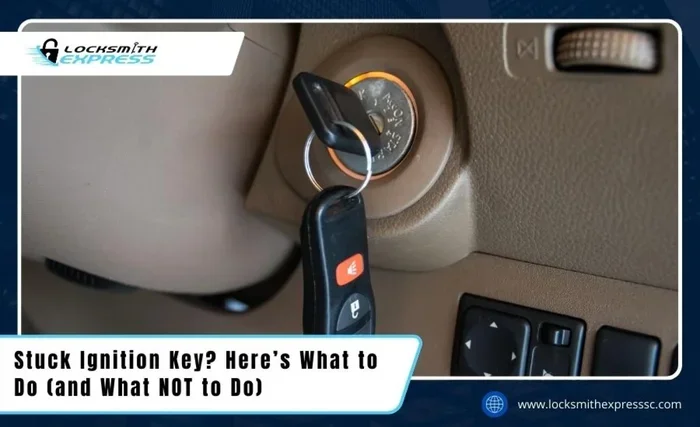
Before you try any fixes, it helps to understand what is going on inside your ignition system. The ignition lock cylinder is the small cylinder where you insert your key. When you turn the key, it engages a mechanism that starts the car’s electrical system and fires up the engine.
Several things can prevent this mechanism from working correctly. The most common reasons include:
- Steering wheel lock engaging and blocking the key
- Worn or damaged ignition key that no longer fits properly
- Dry or dirty ignition lock cylinder causing friction
- Faulty ignition switch that needs replacement
- Transmission not in park (for automatic vehicles)
- Debris or foreign objects inside the lock cylinder
Each of these causes has a clear solution. The trick is identifying which one applies to your situation. Let us go through them one by one.
Steering Wheel Lock: The Most Common Culprit
How the Steering Wheel Lock Works
If your key wont turn in ignition, the steering wheel lock is the first thing to check. This is a security feature built into every modern car. When you turn off the engine and remove the key, the steering wheel locks into place.
The problem? The locked steering wheel can also lock the ignition cylinder. This prevents the key from turning. It is a safety design, but it sure is annoying when it happens at the worst possible moment.
How to Fix It
Fixing a steering wheel lock is incredibly simple. Follow these steps:
- Do not force the key. Forcing it can bend or break the key inside the cylinder.
- Wiggle the steering wheel gently left and right while trying to turn the key.
- Apply light pressure on the key while wiggling the wheel.
- The wheel will unlock when it finds the right position.
- Once the wheel moves freely, the key should turn normally.
This works about 90% of the time. The key reason this fix works is that it releases the tension on the lock mechanism. You are essentially telling the car that the steering wheel is no longer in a locked position.
Quick Tip: If you have a key fob instead of a traditional key, make sure the battery in the fob is not dead. A dead fob battery can mimic the same symptoms as a locked steering wheel.
Lubricate the Ignition Lock Cylinder
Why Lubrication Matters
Over time, dust, grime, and dried lubricant can build up inside the ignition lock cylinder. This creates friction that makes it hard for the key to turn. The ignition cylinder is a precision mechanism, and even a tiny amount of debris can cause problems.
Cars that sit for long periods are especially prone to this issue. Humidity and temperature changes can cause internal components to swell or corrode slightly. The result is a stiff lock that resists the key.
Best Lubricants for Ignition Cylinders
Not all lubricants are created equal. Here is what works best:
- Graphite powder: The gold standard for lock lubrication. It is dry, clean, and does not attract dirt.
- Silicone-based spray: A good alternative that is easy to apply and won’t gum up the cylinder.
- Teflon-based lubricants: Excellent for reducing friction without leaving residue.
How to Apply Lubricant
Follow these simple steps to lubricate your ignition lock cylinder:
- Spray a small amount of graphite or silicone spray into the keyhole.
- Insert and remove the key several times to work the lubricant in.
- Wipe away any excess lubricant around the keyhole.
- Try turning the key again. It should move more smoothly now.
Avoid using WD-40 for long-term lubrication. It is a solvent, not a true lubricant, and it can leave behind residue that attracts more dirt over time. Use WD-40 only as a temporary cleaner, not as a permanent solution.
Expert Insight: A little goes a long way. Too much lubricant can drip into areas where it does not belong and create more problems. Two or three sprays are usually enough.
Worn or Damaged Keys: When the Key Itself Is the Problem
How Keys Wear Out
Your car key is a piece of metal that gets used every single day. Over time, the ridges and grooves on the key wear down. When this happens, the key no longer aligns properly with the pins inside the ignition cylinder. The result is a key that feels loose, sloppy, or simply will not turn.
Keys that have been copied multiple times tend to wear out faster. Each copy is slightly less precise than the original. After several copies, the key may not work reliably at all.
Signs Your Key Is Worn Out
Watch for these warning signs:
- The key feels loose or wobbly in the ignition
- You have to jiggle or wiggle the key to start the car
- The key shows visible wear, scratches, or bent edges
- The car starts inconsistently some days but not others
- You have made multiple copies of the original key
What to Do About a Worn Key
If your key is worn, you have a few options:
- Get a new key cut: Visit a locksmith or dealership and have a fresh key made from your vehicle’s code.
- Replace the ignition cylinder: If the cylinder itself is worn, a new cylinder may be needed along with a new key.
- Use a spare key: If you have a spare that is in better condition, try it first to confirm the problem is the key.
Quick Tip: Always keep a spare key in a safe place. A spare key can save you from being stranded if your primary key fails unexpectedly.
When the Ignition Switch Is the Problem
Understanding the Ignition Switch
The ignition switch is different from the ignition lock cylinder. The cylinder is where you insert the key. The switch is the electrical component behind the cylinder that sends power to the starter motor, fuel system, and other critical components.
When the ignition switch fails, you may experience symptoms like:
- The key turns but the car does not start
- Dashboard lights flicker or do not come on
- The car starts and then stalls immediately
- You need to jiggle the key repeatedly to get a connection
Can You Fix a Bad Ignition Switch?
A faulty ignition switch usually requires professional repair. The switch is located behind the ignition cylinder and involves electrical wiring. Attempting to fix it yourself can be risky if you are not experienced with automotive electrical systems.
Here is what you should do:
- Have a mechanic diagnose the problem using diagnostic tools.
- Get a quote for ignition switch replacement.
- Consider the age of your vehicle. On older cars, the repair is straightforward and affordable. On newer cars with complex electronics, costs may be higher.
- Ask about warranty coverage, especially if your car is still under manufacturer warranty.
Ignition switch replacement typically costs between $150 and $350, depending on your vehicle make and model. The part itself is relatively inexpensive. Most of the cost comes from labor.
Other Common Causes and Quick Fixes
Transmission Position
If you drive an automatic car, the vehicle must be in Park for the key to turn. Sometimes the gear selector does not fully register Park, especially if the car was recently moved. Try shifting into Park firmly and then attempt to turn the key again.
For manual transmissions, make sure the clutch pedal is fully pressed down. This is a safety feature that prevents the car from lurching forward when starting.
Debris in the Lock Cylinder
Dirt, pocket lint, and even small crumbs can find their way into the ignition lock cylinder. Over time, this debris can block the key from turning.
To fix this:
- Use compressed air to blow debris out of the keyhole
- Clean around the keyhole with a soft brush
- Avoid inserting anything into the cylinder that could make the blockage worse
Cold Weather and Frozen Locks
In cold climates, moisture inside the lock cylinder can freeze, preventing the key from turning. This is especially common in winter months.
To thaw a frozen lock:
- Use a hairdryer on a low setting to warm the keyhole
- Apply a de-icing spray designed for locks
- Never pour hot water on a frozen lock, as this can cause damage
The Immobilizer System
Modern cars have an immobilizer system that prevents the engine from starting unless the correct key is used. If the immobilizer does not recognize your key, the car will not start even if the key turns.
This is common when:
- The key battery is low (for push-button start vehicles)
- The key has been damaged or the chip is malfunctioning
- The immobilizer module needs reprogramming
Try holding the key fob directly against the start button on push-button start vehicles. This can help the system read the chip even with a low battery.
Step-by-Step Fixes to Try Right Now
If your key wont turn in ignition right now, here is a quick action plan. Work through these steps in order:
- Do not panic. Take a deep breath and stay calm. Most of these problems have simple solutions.
- Check the steering wheel. Wiggle it gently while trying to turn the key.
- Make sure the car is in Park (automatic) or the clutch is pressed (manual).
- Try the spare key if you have one available.
- Lubricate the lock cylinder with graphite or silicone spray.
- Inspect the key for visible damage or wear.
- Try jiggling the key gently while turning it. Sometimes a slight adjustment is all that is needed.
- Call a locksmith if none of the above steps work. A professional can diagnose the issue quickly.
Following this checklist will solve the problem for most drivers. The first three steps alone fix the majority of cases where a key will not turn.
Prevention Tips to Avoid Future Problems
The best way to deal with a key that wont turn is to prevent it from happening in the first place. Here are some simple habits that keep your ignition system in great shape:
- Use your key gently. Do not force it or yank it when it feels stiff.
- Lubricate the lock cylinder every six months with graphite powder.
- Keep your keys clean. Wipe them down regularly to prevent grime buildup.
- Replace worn keys promptly. Do not wait until the key completely fails.
- Avoid hanging heavy items from your keychain. Extra weight puts stress on the ignition cylinder.
- Have spare keys made and stored in a safe, accessible location.
- Get regular vehicle maintenance. A mechanic can spot ignition problems early before they leave you stranded.
Key Takeaway: A little prevention goes a long way. Spending five minutes on maintenance today can save you hours of frustration tomorrow.
When to Call a Professional
Most ignition problems can be fixed at home with basic tools and a little patience. However, some situations require professional help. Call a locksmith or mechanic if:
- The key is broken inside the ignition cylinder
- The ignition switch shows signs of electrical failure
- None of the DIY fixes listed above have worked
- Your vehicle has a complex security or immobilizer system
- You are not comfortable working on your car’s ignition system
A professional locksmith has specialized tools to extract broken keys and repair or replace ignition components safely. Trying to fix a broken key stuck inside the cylinder on your own can cause more damage and lead to expensive repairs.
On average, a locksmith visit for ignition issues costs between $75 and $200. This is a small price to pay for peace of mind and a working car.
Conclusion
Dealing with a car that will not start because the key wont turn is incredibly frustrating. But as you have learned, the cause is usually simple and the fix is within reach. The steering wheel lock is the most common culprit, and a gentle wiggle often solves the problem instantly.
Lubrication, key replacement, and regular maintenance can prevent most ignition problems from occurring. When the issue is more complex, a professional locksmith or mechanic can get you back on the road quickly.
Remember these key points: do not force the key, check the steering wheel first, keep your lock cylinder lubricated, and replace worn keys promptly. These simple habits will keep your ignition system running smoothly for years to come.
The next time you face a situation where your car key stuck in ignition will not turn, stay calm and work through the steps in this guide. You will be surprised at how often the fix is quick and easy. Share this article with a friend who might need it, and stay prepared for whatever the road throws your way.
Frequently Asked Questions
Why does my key wont turn when I try to start the car?
The most common reason is a steering wheel lock engaging with the ignition cylinder. When the steering wheel locks, it can block the key from turning. Simply wiggling the steering wheel while turning the key usually releases the lock and solves the problem immediately.
Can I use WD-40 on my ignition lock cylinder?
You can use WD-40 as a short-term cleaner to remove debris from the lock cylinder. However, it is not recommended as a long-term lubricant because it can leave behind residue that attracts dirt. Use graphite powder or silicone spray for lasting lubrication instead.
What should I do if my key breaks off inside the ignition?
Do not attempt to remove the broken key yourself with tweezers or other tools, as this can push it deeper. Call a professional locksmith who has specialized extraction tools. They can safely remove the broken key and either repair or replace the ignition cylinder.
Is it expensive to replace an ignition lock cylinder?
Replacement costs vary by vehicle make and model. On average, you can expect to pay between $150 and $350 for parts and labor. Luxury vehicles or cars with advanced security systems may cost more. Getting a quote from a trusted mechanic or locksmith is always a good first step.
Can a dead key fob battery cause the car not to start?
Yes, especially on push-button start vehicles. A low or dead battery in the key fob can prevent the immobilizer system from recognizing the key. Try holding the fob directly against the start button or replace the battery to see if this resolves the issue.
How can I prevent my car key from getting stuck in the future?
Regular maintenance is the best prevention. Lubricate the ignition lock cylinder with graphite powder every six months, replace worn keys promptly, avoid hanging heavy items from your keychain, and keep your keys clean. These simple habits will keep your ignition system working reliably for years.