How Do I Turn Cruise Control Off And Regain Control
Knowing how to turn off cruise control is a fundamental driving skill that every motorist should master. Whether you use a brake pedal, a dashboard button, or a steering wheel stalk, disengaging your cruise control system takes only a second. This guide covers every method for standard and adaptive systems, common problems, and expert safety tips to help you stay in full control.
How Do I Turn Cruise Control Off is a question that matters more than most drivers realize. Cruise control is a wonderful feature for long highway drives. It keeps your foot off the throttle and reduces fatigue. But it is not perfect. There are moments when you need your car to respond to your foot, not a computer. Understanding how to cancel cruise control quickly and confidently is a skill every driver should have. This guide breaks it all down in simple, practical terms.
Your cruise control system works by managing the throttle on your engine. Once you set a set speed, the system holds that pace for you. It uses a throttle control mechanism to keep your vehicle speed steady. But the moment you touch the brake, press a button, or pull a stalk, the system steps back. You take over again. The key is knowing exactly which action triggers the disengage cruise control response on your specific car.
Not all cars work the same way. A sedan from 2010 might use a different cruise control switch than a 2023 SUV with adaptive cruise control. Some vehicles use a lever on the steering column. Others have buttons on the steering wheel. And some modern cars use a touch screen to manage the entire on/off cruise control experience. This article covers every method so you are prepared no matter what you drive.
Key Takeaways
- Brake Pedal Method: Pressing the brake pedal is the most universal and immediate way to cancel cruise control on any vehicle.
- Button and Stalk Options: Many cars also let you turn off cruise control using a dedicated button or a steering column stalk.
- Adaptive Systems Are Different: Adaptive cruise control uses radar and sensors, and turning it off may require a different button or longer press.
- Dashboard Indicators Matter: Always watch your dashboard indicator lights to confirm whether cruise control is active or disengaged.
- Common Problems Exist: Fuse issues, faulty switches, and sensor problems can cause cruise control malfunctions that need professional attention.
- Safety First: Turn off cruise control in heavy traffic, rain, curves, and any situation that demands quick driver reaction.
📑 Table of Contents
Understanding Your Cruise Control System
How Cruise Control Works
At its core, cruise control is a speed management tool. When you activate it, the car’s computer takes over the throttle position. It holds your vehicle speed at the level you chose. The system does not steer the car. It only manages acceleration and coasting. This is why cruise control works best on open roads with steady traffic flow.
The system relies on several components working together. There is the cruise control switch that sends your command. There is the throttle control actuator that adjusts the engine’s power. And there is the dashboard indicator that tells you the system is active. If any of these parts fail, your cruise control malfunction light may come on. That is your signal to take manual control right away.
The Different Types of Cruise Control
Not all cruise control systems are created equal. There are three main types you might find in modern vehicles. Understanding each one helps you know exactly how to manage it.
- Standard Cruise Control: This is the basic system. You set a speed and the car holds it. You must manually adjust speed by pressing the brake or the set button.
- Adaptive Cruise Control (ACC): This system uses radar, cameras, or sensors to detect vehicles ahead. It automatically slows down and speeds up to maintain a safe following distance.
- Speed Limiter: This is not true cruise control. It prevents the car from exceeding a set speed. The engine will not push past the limit, but it does not maintain speed on its own.
Each type has a different way to turn off. We will cover all of them in detail below. But first, let us answer the main question: how do I turn cruise control off in the most common scenarios.
How Do I Turn Cruise Control Off?
This is the heart of the article. How Do I Turn Cruise Control Off depends on your vehicle model and the type of system you have. But there are three universal methods that work across nearly all cars on the road today. Let us walk through each one.
Method 1: Using the Brake Pedal
The brake pedal method is the most universal way to cancel cruise control. Every car with cruise control uses this method. When you press the brake pedal, the system immediately disengages. This is by design. Safety engineers made sure that braking always overrides the cruise control system.
Here is how it works in practice. You are cruising at 65 miles per hour on the highway. Traffic ahead slows down. You press the brake pedal gently. The cruise control system releases the throttle. Your car begins to slow down. The dashboard indicator light turns off. You are now in full manual control.
One thing to keep in mind. Pressing the brake pedal does not erase your saved set speed in most cars. The system remembers the speed you were traveling. You can often press the resume cruise control button to return to that speed once traffic clears. This is a very useful feature for stop-and-go highway driving.
Method 2: Using the Cruise Control Button
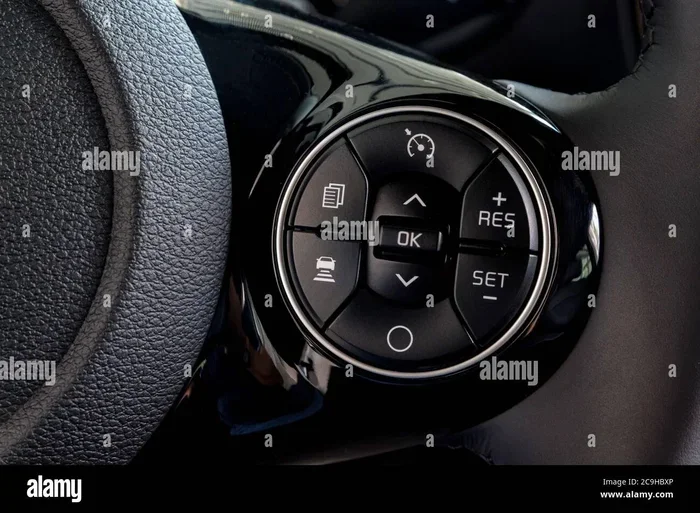
Many vehicles have a dedicated button to turn off cruise control. This button is usually found on the steering wheel. It may also be located on the turn signal stalk or the center console. The exact location depends on your car’s make and model.
Look for buttons labeled “Cruise,” “Off,” or a symbol that looks like a speedometer with an arrow. On some cars, pressing the “Off” button cancels the system instantly. On others, you may need to hold the button for a second or two. Check your owner’s manual to learn the exact method for your vehicle.
This method is especially helpful when you do not want to touch the brake. Maybe you are coasting downhill and want to reduce speed slightly. Pressing the off button lets you slow down using engine braking while keeping your foot off the brake pedal. It gives you more control over the throttle control process.
Method 3: Using the Cruise Control Stalk
Older vehicles and some modern cars use a stalk or lever to manage cruise control. This stalk is usually located on the left side of the steering column. Pulling or pushing the stalk in specific directions activates, sets, or cancels the system.
For example, pulling the stalk toward you might cancel cruise control immediately. Pushing it up might set a new speed. The exact actions vary by manufacturer. Some brands like Toyota and Honda use stalks for their cruise control switch systems. Other brands like Ford and Chevrolet prefer steering wheel buttons.
If your car uses a stalk, take a moment to study its positions. There is usually an “on,” “set,” “coast,” “accel,” and “cancel” position. The “cancel” position is your go-to for turning the system off quickly. Practice finding this position while parked. It builds muscle memory that can save you in a hurry.
What Happens When You Turn Off Cruise Control
Loss of Speed Maintenance
The most obvious change when you disengage cruise control is that your car no longer maintains speed on its own. The engine stops holding the set speed automatically. You must now manage the throttle with your foot. This might feel different at first, especially on long highway stretches where you have relied on the system for hours.
On downhill slopes, this is especially noticeable. With cruise control off, your car will pick up speed naturally. You need to either press the brake or ease off the throttle. With cruise control on, the system would have automatically adjusted the throttle to maintain your chosen speed. Turning it off gives you full responsibility for your vehicle speed at all times.
Dashboard Indicator Changes
Your car tells you when cruise control is active through a dashboard indicator. This light is usually green or white when the system is on. When you turn it off, the light goes dark. This visual confirmation is important. You should always glance at your dashboard to make sure the system has fully disengaged before making a manual speed change.
If the indicator stays on after you press the brake or the off button, there may be a problem. A persistent dashboard indicator could signal a cruise control malfunction. In that case, have the system checked by a qualified mechanic. A faulty cruise control fuse or a damaged steering wheel control module could be the cause.
Common Cruise Control Problems and How to Fix Them
Cruise Control Won’t Turn Off
This is a rare but serious issue. If pressing the brake pedal does not cancel your cruise control system, do not panic. There are a few steps you can take. First, try pressing the off button on the steering wheel or stalk. If that does not work, shift the car into neutral. This disconnects the engine from the wheels and lets you slow down safely.
Once you are safely pulled over, check the fuse box. A blown cruise control fuse can cause the system to hang. Look for the cruise control fuse in your owner’s manual. Replace it if it is blown. If the problem persists, the cruise control switch or the throttle control module may need professional diagnosis.
Cruise Control Won’t Turn On
The opposite problem can also occur. You press the on button, but nothing happens. The dashboard indicator does not light up. The most common cause is a blown fuse. Check the cruise control fuse first. It is a simple and inexpensive fix.
Other causes include a faulty brake light switch. Many cars will not activate cruise control if the brake lights are not working. This is a safety feature. The system assumes you are braking if the brake lights are on. Also check if the clutch pedal is fully pressed. In manual transmission cars, the clutch switch must be engaged for the system to activate.
Intermittent Cruise Control Failure
Sometimes cruise control works fine one day and fails the next. This intermittent behavior is frustrating and can be hard to diagnose. Common culprits include a loose cruise control stalk, a worn cruise control switch, or a failing vehicle speed sensor.
Moisture is another hidden enemy. Water can seep into the cruise control switch behind the steering wheel. This causes corrosion and intermittent electrical failures. If your system works sometimes and not others, have a mechanic inspect the wiring and connectors. A simple cruise control reset by disconnecting the battery for 15 minutes can also clear temporary electronic glitches.
Adaptive Cruise Control: How to Turn It Off
Differences from Standard Cruise Control
Adaptive cruise control adds a layer of complexity. This system uses radar, lidar, or cameras to scan the road ahead. It detects other vehicles and adjusts your speed automatically. When the car ahead slows down, your adaptive system slows down too. When the road clears, it accelerates back to your set speed.
Because of these sensors and computers, turning off adaptive cruise control may work differently than the standard system. The buttons are often the same location, but the functions can vary. Some systems have separate buttons for standard cruise control and adaptive cruise control. Others use a single button that toggles between modes.
Turning Off Adaptive Systems
To cancel adaptive cruise control, the brake pedal method still works universally. Pressing the brake disengages the system immediately. The radar and cameras go dormant until you reactivate the system.
On many vehicles, there is also a dedicated “Cancel” or “Off” button on the steering wheel. Some cars require you to hold the button for two seconds to fully disable the adaptive system. Others respond to a single tap. Check your owner’s manual for the specific instructions for your vehicle’s adaptive cruise control system.
One important note. Some adaptive systems go into standby mode rather than fully turning off. In standby, the system is ready to resume if you press the resume cruise control button. To completely power down the system, you may need to press and hold the off button or turn the ignition off. Always confirm the dashboard indicator is completely dark before assuming the system is fully off.
Safe Cruise Control Practices for Highway Driving
When to Use and When to Turn Off
Cruise control is a great tool, but it is not right for every situation. Knowing when to use it and when to turn it off is just as important as knowing how to cancel it.
- Use cruise control on: Open highways with steady traffic, long straight roads, and dry conditions with good visibility.
- Turn off cruise control when: Traffic is heavy and stop-and-go, roads are wet or icy, you are driving through curves or winding roads, visibility is poor due to rain or fog, or you are approaching a toll booth or exit ramp.
The general rule is simple. If the road demands frequent speed changes or quick reactions, turn the system off. You want your feet ready to respond. Cruise control is a helper, not a replacement for attentive driving.
Quick Tips for Better Control
Here are some practical tips that experienced drivers swear by. These habits make your highway driving safer and more efficient.
- Always check your dashboard indicator before merging back into traffic after a slowdown.
- Practice finding the off button or stalk without looking down. This keeps your eyes on the road.
- Do not rely on cruise control in heavy rain. Wet roads increase stopping distances and reduce traction.
- Perform a cruise control reset if you notice any unusual behavior from the system.
- Keep your cruise control fuse and electrical connections in good condition with regular maintenance checks.
- Remember that pressing the resume cruise control button after braking will return you to your previous speed. Make sure the road ahead is clear first.
These small habits add up over thousands of miles. They keep you safe and help your cruise control system last longer. Think of them as part of your regular driving routine, just like checking your mirrors before changing lanes.
Conclusion
Knowing how to turn off cruise control is a basic but vital driving skill. Whether you use the brake pedal, a steering wheel button, or a column stalk, the method is simple once you know where to look. Every vehicle is slightly different, but the principles are the same across the board. How Do I Turn Cruise Control Off comes down to one action: interrupt the system so you can take back the wheel.
We have covered every method, every common problem, and every safety tip you need. From standard cruise control to adaptive cruise control, you now have the knowledge to handle any situation. The next time you are on a long highway drive, remember these steps. Stay alert, stay confident, and always keep your hands ready to take full control.
Your cruise control system is designed to assist you, not replace you. Treat it that way, and it will make your drives smoother, safer, and more enjoyable. Drive smart, stay focused, and enjoy the road ahead.
Frequently Asked Questions
Can I turn off cruise control without pressing the brake pedal?
Yes, in most vehicles you can use the dedicated off button on the steering wheel or the cruise control stalk. However, the brake pedal is the universal override method that works on every car. If your button or stalk is not responding, the brake pedal is your reliable backup to cancel cruise control immediately.
Why does my cruise control keep turning off by itself?
This is usually caused by a faulty brake light switch, a blown cruise control fuse, or a problem with the cruise control switch. Moisture or corrosion in the electrical connectors can also trigger intermittent shutdowns. If the issue persists, have a mechanic inspect the throttle control system and the vehicle speed sensor for potential cruise control malfunction causes.
Does turning off cruise control erase the set speed?
In most vehicles, no. The system remembers your set speed even after you disengage cruise control. You can press the resume cruise control button to return to that speed. However, some systems clear the memory if you turn the car off or press the off button for a few seconds. Always check your owner’s manual for the specific behavior of your car.
Is it safe to use cruise control in the rain?
It is generally not recommended. Wet roads reduce tire traction and increase stopping distances. If you hydroplane while cruise control is active, the system may try to maintain speed by increasing throttle, which can worsen the skid. Turn off your cruise control system whenever road conditions are wet, icy, or uncertain for safer highway driving.
How do I turn off adaptive cruise control on a Tesla or similar modern car?
On most modern cars including Teslas, you can press the brake pedal to cancel adaptive cruise control instantly. You can also use the on-screen controls or the steering wheel button to turn the system off. Some vehicles allow you to toggle between adaptive and standard cruise control through the infotainment screen. Refer to your specific vehicle’s manual for the exact steps to cancel cruise control on your model.
What should I do if the cruise control indicator light stays on after I turn it off?
A persistent dashboard indicator light suggests a potential electrical or sensor issue. First, try turning the car off and back on to perform a cruise control reset. If the light remains, check the cruise control fuse for a blowout. If the fuse is fine, the steering wheel control module or the vehicle speed sensor may need professional inspection. Do not ignore a stuck indicator light, as it could point to a deeper cruise control malfunction.
=== CONCLUSION ===
How Do I Turn Cruise Control Off is a question with a straightforward answer once you know your vehicle. The brake pedal works everywhere. The off button and stalk give you alternatives. Understanding your cruise control system keeps you safe and confident behind the wheel. Use the tips in this guide every time you drive, and you will never feel unsure about regaining control. Stay safe, stay informed, and enjoy every journey.