How Do I Switch the Heating On in My Car to Stay Warm
Knowing how to switch the heating on in your car is essential for safe, comfortable cold-weather driving. This guide walks you through every step, from warming up your engine to adjusting vents and temperature controls. You will also learn to troubleshoot common heating problems and keep your cabin toasty all season long.
There is nothing worse than climbing into a freezing car on a winter morning. Your breath clouds the windows. Your fingers feel numb. And you are desperate for warmth. The good news is that switching the heating on in your car is usually quick and easy once you know what to do.
Whether you drive a brand-new SUV or a classic sedan, every car has a heating system. It works by using waste heat from the engine. That heat gets circulated through the cabin to keep you warm. But not everyone knows exactly how to use all the controls effectively. This guide will show you how to switch the heating on in your car to stay warm, troubleshoot common issues, and get the most out of your car heater all winter long.
## Understanding Your Car Heating System
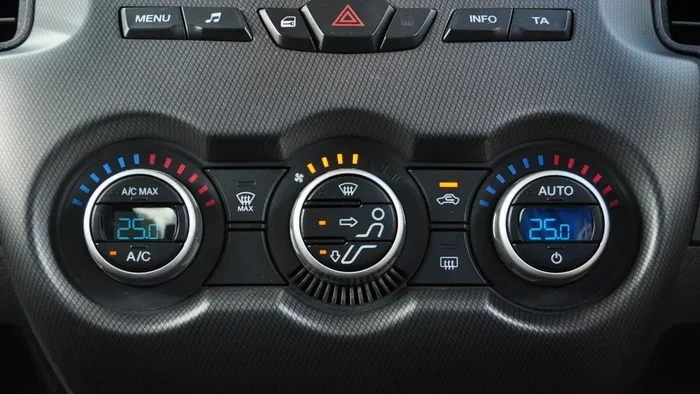
Before you touch any buttons or dials, it helps to understand what you are working with. Your car heating system is actually part of the engine cooling system. It uses hot coolant that flows through a small radiator inside your dashboard. This is called the heater core. A blower motor pushes air through the heater core and into your cabin. That is the warm air you feel on your face and feet.
The main parts of your heating system include:
– Temperature dial or control panel – This lets you set how hot or cold the air should be.
– Blower motor speed – This controls how fast air moves through the vents.
– Vent direction controls – These buttons or knobs direct air to your feet, dashboard, or windshield.
– Defrost setting – This focuses warm air on the windshield to clear fog and frost.
– Recirculation button – This switches between pulling in outside air and reusing warm cabin air.
– Rear defroster – A separate system that warms the rear windshield and side mirrors.
Knowing what each part does gives you much more control over your comfort. It also helps you spot problems faster when something goes wrong.
## Step-by-Step: How to Switch the Heating On in Your Car
Now let us get to the good stuff. Here is exactly how to switch the heating on in your car and start feeling warm fast.
### Step 1: Start Your Engine
Turn the key or press the start button. Let the engine idle for about 30 seconds to one minute. During this time, the coolant begins to circulate. The engine needs to reach a certain temperature before the heater core can produce warm air. If you crank the heat too early, you will just get cold air blowing on you.
### Step 2: Set the Temperature Dial to Hot
Look for the temperature dial or digital temperature control. Turn it toward the red “hot” side. In most cars, the red zone means heat and the blue zone means cold. Some newer vehicles use a digital display with numbers instead of a dial. Either way, the goal is the same. You want the system to pull hot air from the heater core.
### Step 3: Adjust the Blower Speed
Once the temperature is set, increase the blower motor speed. Start low and gradually raise it. This prevents a blast of cold air at the beginning. As the engine warms up, the air from the vents will gradually become hotter. Most cars have blower speeds numbered from 0 to 4 or 5. Speed 3 or 4 is usually perfect for a warm cabin.
### Step 4: Choose the Right Vent Direction
Use the vent controls to direct warm air where you want it most. Here are your options:
– Foot-level vents: Great for warming your legs and feet. This is the most comfortable setting for driving.
– Dashboard vents: Directs warm air toward your upper body. Good for quick warmth.
– Windshield defrost: Best for clearing fog or frost. It uses the most powerful fan setting and directs air upward.
– Floor and defrost combo: A popular choice that warms your feet and clears the windshield at the same time.
### Step 5: Turn Off the A/C Button
Many drivers do not realize this. The air conditioning system runs whenever the A/C button is on. Even in winter, your car might have A/C active. This cools the air before it reaches you, making your heater less effective. Press the A/C button to turn it off. Your heater will now blow much warmer air.
### Step 6: Use Recirculation Wisely
If your car has a recirculation button, press it to trap warm air inside the cabin. This is especially useful on cold days when the outside air is bitter. However, do not leave recirculation on for too long. It can cause fog to build up on the inside of your windows. Switch back to fresh air mode after a few minutes.
## Common Car Heating Problems and How to Fix Them
Sometimes you follow all the steps and your heater still does not work. That is frustrating. Here are the most common reasons your car heater might blow cold air and how to fix each one.
### Low Coolant Level
This is the top reason for weak or no heat. Coolant carries heat from the engine to the heater core. If the coolant level is low, there is not enough hot fluid to warm your cabin. Check the coolant reservoir under the hood. If it is low, add a 50/50 mix of coolant and distilled water. Never open the radiator cap when the engine is hot.
### Clogged Heater Core
Over time, rust and debris can clog the tiny tubes inside the heater core. When this happens, hot coolant cannot flow through properly. You might notice a sweet smell inside the car or dampness on the passenger floor. Flushing the heater core or replacing it usually fixes this problem. A mechanic can do this for you.
### Broken Thermostat
The thermostat regulates your engine temperature. If it is stuck open, the engine never gets hot enough to produce heat. If it is stuck closed, the engine overheats. A simple thermostat replacement costs very little and solves this issue quickly.
### Faulty Blower Motor
If you hear a clicking or rattling sound but no air is coming out of the vents, the blower motor might be failing. A worn motor resistor can also cause the fan to work only on certain speeds. Replacing the motor or resistor is a common and affordable repair.
### Blend Door Actuator Failure
The blend door controls whether hot or cold air enters the cabin. If the actuator that moves this door breaks, the system gets stuck on one setting. You might notice that the temperature dial does not change the air temperature at all. This requires a mechanic to replace the actuator.
## Tips for Maximum Warmth on Cold Days
You have your heating system on and working. But there are a few extra tricks that make a big difference on the coldest days.
### Park in a Garage When Possible
Parking in a garage keeps your car warmer overnight. This means the engine starts warmer and the heater kicks in faster. Even a covered carport helps more than leaving your car out in the open.
### Use a Windshield Cover Overnight
A windshield cover stops frost and ice from forming on your glass. You do not have to scrape the windshield for 10 minutes every morning. Just pull it off and toss it in the trunk. You will save time and stay warmer on your drive to work.
### Invest in Seat Warmers
Many newer cars come with heated seats. If your car does not, you can buy affordable seat warmer cushions that plug into your 12V outlet. They warm your bottom and back, which makes the whole cabin feel warmer even if the air is not super hot yet.
### Keep the Windows Slightly Cracked
This might sound counterintuitive. But cracking a window just a tiny bit reduces fog buildup inside the car. Fog forms when warm, moist air from your breath hits the cold glass. A small gap lets that moisture escape.
### Warm Up Gradually
Do not blast the heat on full power right away. Let the engine warm up for a few minutes first. Then ease into the heat. This helps the entire system work more efficiently and prevents that initial burst of cold air.
## Electric vs. Traditional Car Heaters
Not all cars heat the same way. Understanding the difference can help you choose the right solution for your vehicle.
### Traditional Engine-Based Heaters
Most cars use the engine’s waste heat to warm the cabin. This is the traditional method. It works well once the engine is warmed up. The downside is that it takes a few minutes to start producing heat. On extremely cold mornings, this delay can feel like forever.
### Electric Heaters and Portable Units
Electric heaters plug into your car’s power outlet. They warm up instantly, which is great for those freezing early morning commutes. Portable electric heaters are especially popular in older cars or trucks with weak factory heating systems. They come in dashboard-mounted and foot-level styles. Just make sure not to overload your car’s electrical system.
### Heat Pumps in Modern Vehicles
Some modern electric and hybrid vehicles use heat pump technology. Instead of relying on engine heat, a heat pump extracts warmth from the outside air. This is much more energy-efficient. It also works even when the engine is off. If you drive an EV or hybrid, you might already have this system.
## When to Seek Professional Help
Most heating problems are easy to fix. But some issues need a trained mechanic. Here are signs that it is time to visit a shop:
– Steam or smoke under the hood – This could mean a coolant leak.
– Sweet smell inside the car – A sign of a leaking heater core.
– Damp carpet on the passenger side – Coolant may be dripping inside the cabin.
– Temperature gauge reading high or low – The thermostat or cooling system may be failing.
– No air comes out of any vents – The blower motor or electrical system needs diagnosis.
Do not ignore these warning signs. A small problem can turn into a big repair if left unchecked.
## Quick Maintenance Tips for Your Heating System
A little maintenance goes a long way toward keeping your car heater working reliably. Here are a few simple things you can do:
– Check coolant levels monthly during winter months.
– Replace your cabin air filter once a year or as recommended by your manufacturer.
– Run the heater on high for 10 minutes once a month, even in summer. This keeps the blower motor lubricated.
– Inspect hoses under the hood for cracks or leaks.
– Flush the cooling system every two years to prevent buildup.
These small habits keep your heating system in top shape and extend its life significantly.
## Key Takeaways
Key Takeaways
- Know your controls: Understanding the temperature dial, blower speed, and vent settings makes a huge difference.
- Warm up first: Letting your engine run for a few minutes before switching on the heat prevents lukewarm air.
- Use the defrost setting wisely: It clears foggy windows fast and directs warm air where you need it most.
- Check your coolant: Low coolant is the number one reason a car heater blows cold air.
- Maintain your HVAC system: Regular upkeep keeps your heating system running efficiently year after year.
- Electric heaters are a great backup: Portable units work wonders in older vehicles with weak factory heating.
Key Takeaways
- Know your controls: Understanding the temperature dial, blower speed, and vent settings makes a huge difference in how warm your car gets.
- Warm up first: Letting your engine run for a few minutes before switching on the heat prevents lukewarm air and protects the system.
- Use the defrost setting wisely: It clears foggy windows fast and directs warm air exactly where you need it most.
- Check your coolant: Low coolant is the number one reason a car heater blows cold air or produces weak heat output.
- Maintain your HVAC system: Regular upkeep like filter changes and coolant flushes keeps your heating system running efficiently year after year.
- Electric heaters are a great backup: Portable units work wonders in older vehicles with weak factory heating systems.
- Seek help when needed: Sweet smells, damp carpets, or steam under the hood are signs that a professional should inspect your heating system.
## Frequently Asked Questions
How long does it take for a car heater to start working?
Most cars start producing warm air within 3 to 5 minutes of driving. Older vehicles or those with low coolant may take longer. Letting the engine idle for a minute before driving helps speed up the process.
Why does my car heater blow cold air even when it is set to hot?
The most common cause is low coolant. Other possible reasons include a faulty thermostat, a clogged heater core, or a broken blend door actuator. Checking the coolant level first is always a good starting point.
Is it bad to use the car heater right after starting the engine?
It is not harmful, but it does not help much either. The engine needs a few minutes to warm the coolant. Switching the heat on too early just blows cold air. Wait until the temperature gauge starts to rise before adjusting the heat.
Can I use the air conditioning with the heater on?
You can, but it is not ideal. The A/C compressor cools the air, which works against the heater. Turning off the A/C button allows the heater to blow much warmer air. Use A/C only if you need to defog windows quickly.
What should I do if my car heater stops working suddenly?
First, check the coolant level. If it is full, inspect the blower motor and fuse. If those look fine, the problem might be the thermostat or heater core. In that case, it is best to visit a trusted mechanic for a proper diagnosis.
Are portable car heaters safe to use?
Yes, as long as you buy a UL-certified or safety-approved unit. Plug it into your 12V outlet and never leave it unattended. Make sure it has an auto shut-off feature and keep it away from flammable materials like seat fabric or floor mats.
## Conclusion
Switching the heating on in your car does not have to be confusing. Once you understand the basic controls and how the system works, staying warm becomes second nature. Start your engine, set the dial to hot, adjust the blower speed, and direct the vents where you need them. These simple steps transform a freezing morning commute into a comfortable drive.
Remember to maintain your heating system with regular checks. Monitor your coolant levels, replace filters, and address problems early. A well-maintained car heater keeps you safe, comfortable, and focused on the road all winter long.
Now that you know exactly how to switch the heating on in your car to stay warm, you can face even the coldest days with confidence. Keep this guide handy, share it with a friend who needs it, and enjoy a warm, cozy ride all season through.
Frequently Asked Questions
What is How Do I Switch the Heating On in My Car??
How Do I Switch the Heating On in My Car? is an important topic with many practical applications.