How Do I Remove My Key Without Damaging The Ignition
Learning how to remove my key safely is essential for every car owner. A stuck key in your ignition can turn a simple departure into a frustrating experience, but the right approach prevents costly damage. This guide covers proven methods, common causes, and expert tips to help you remove your key without harming the ignition lock cylinder or steering column.
There is nothing more annoying than standing by your car, ready to head out, and realizing your key will not turn or come out of the ignition. Whether your key is stuck, jammed, or simply refusing to budge, knowing how to remove my key without causing damage is a skill every driver should have. Ignition systems are精密 and expensive to repair, and a single wrong move can turn a simple fix into a costly locksmith visit.
This guide walks you through every step, from understanding why keys get stuck to using the right removal techniques for different ignition types. We will cover common causes, practical solutions, prevention tips, and when it is time to call in a professional. By the end, you will feel confident handling this situation on your own.
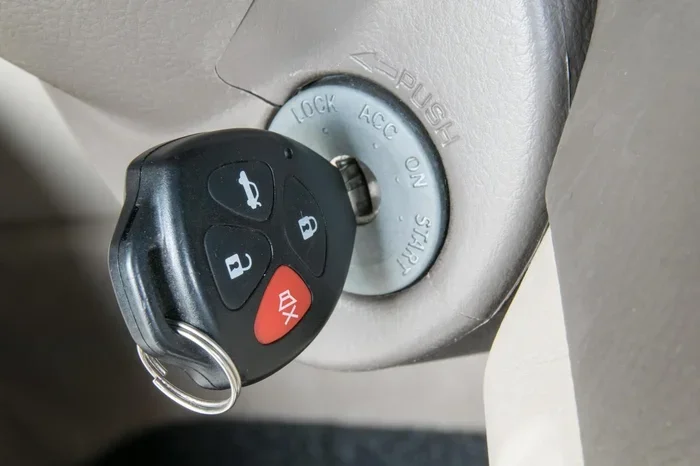
The ignition lock cylinder is the heart of your vehicle’s starting system. It houses the key mechanism that controls the steering column lock, the electrical connection to the starter motor, and the fuel system. When something goes wrong inside this small but complex component, removing your key can become a real challenge. Understanding how this system works gives you the knowledge to handle problems calmly and effectively.
Key Takeaways
- Always release the steering wheel lock before attempting to remove your key, as this is the most common reason keys get stuck.
- Never force the key out with excessive pressure, as this can break the key inside the ignition cylinder.
- Check your gear shifter position — many vehicles will not release the key unless the car is fully in Park.
- Use a spare key if available, since a worn original key may be the root cause of the problem.
- Keep your ignition cylinder clean and free of debris to prevent future key removal issues.
- Call a professional locksmith when DIY methods fail, especially with transponder or electronic keys.
- Regular maintenance of your ignition system can prevent most key removal problems before they start.
📑 Table of Contents
Why Your Key Gets Stuck in the Ignition
Before you try anything, it helps to understand why your key might be stuck in the first place. Several common issues can cause your key to refuse to turn or come out. Identifying the root cause saves you time and prevents further damage.
Steering Wheel Lock Engagement
The most frequent reason a key gets stuck is the steering wheel lock. When you turn off your car and the wheel is turned slightly, the lock mechanism engages and pins the key in place. This is a security feature designed to prevent theft, but it can leave you stranded if you do not know how to release it.
To fix this, gently wiggle the steering wheel left and right while simultaneously trying to turn the key. You should feel the lock release, and the key will turn freely. This simple move solves the problem in the majority of cases.
Gear Shifter Not Fully in Park
Many automatic transmission vehicles have a safety switch that prevents the key from being removed unless the gear shifter is completely in Park. If the shifter is even slightly in Neutral or Reverse, the key will stay locked in place.
Push the shifter firmly into Park, press the brake pedal, and try removing the key again. This tiny misalignment is one of the most overlooked causes of a stuck key.
Worn or Damaged Key
Over time, your key wears down. The ridges and grooves that match the ignition lock cylinder become less precise, making it harder to turn or remove. A key that has been bent, dropped, or exposed to heavy wear can also bind inside the cylinder.
If you have a spare key, try using that instead. A fresh key often slides in and out smoothly, confirming that the original key is the problem. In this case, getting a new key cut is a quick and affordable solution.
Debris and Dirt Inside the Cylinder
Dust, lint, pocket debris, and even small crumbs can work their way into the ignition cylinder over time. This buildup creates friction and can prevent the key from moving freely. The lock cylinder is a precision mechanism, and even a tiny particle of dirt can cause big problems.
A quick spray of electrical contact cleaner into the keyhole can dissolve grime and restore smooth operation. Just a few short bursts, followed by inserting and removing the key several times, usually clears the debris effectively.
Step-by-Step Guide to Remove My Key Safely
Now that you understand the common causes, let us walk through the safe removal process step by step. Following these steps in order protects your ignition and gets you back on the road quickly.
Step 1: Turn Off the Engine Completely
Make sure your engine is fully off and the key is in the OFF position. Some drivers accidentally leave the key in the Accessory position, which can prevent removal. The dashboard lights should be completely off before you attempt to pull the key out.
Step 2: Apply the Brake Pedal
Press the brake pedal firmly with your foot. This activates the brake safety switch, which is required for the ignition to fully disengage on most modern vehicles. Without this step, the key may remain locked even when the shifter is in Park.
Step 3: Shift to Park
Move the gear selector firmly into Park. You should feel it click into place. Do not rely on the dashboard indicator alone — push the shifter with intention to make sure it is fully engaged.
Step 4: Release the Steering Wheel Lock
Gently wiggle the steering wheel from side to side. At the same time, try turning the key gently in the ignition. The steering lock should release with a slight click, allowing the key to turn freely.
Step 5: Pull the Key Straight Out
Once the key turns smoothly, pull it straight out of the ignition cylinder. Do not yank or pull at an angle. A steady, straight pull is all you need. If the key resists, stop and reassess rather than forcing it.
Step 6: Inspect the Key and Cylinder
Take a moment to look at your key and the ignition cylinder. Check for visible damage, bending, or debris. A quick visual inspection helps you catch potential problems early before they become bigger issues.
Common Reasons Keys Get Stuck in the Ignition
Understanding the root causes of a stuck key helps you prevent the problem from happening again. Here are the most common culprits drivers face every day.
The Steering Column Lock Mechanism
As mentioned earlier, the steering column lock is the number one cause of stuck keys. This anti-theft feature engages automatically when the wheel is turned after the engine is off. Releasing it before key removal is the single most important step in the process.
Faulty Ignition Switch
Over time, the ignition switch can wear out or develop electrical faults. A failing switch may not fully disengage the lock mechanism, leaving the key stuck. Signs of a bad ignition switch include flickering dashboard lights, the engine stalling unexpectedly, or the key feeling gritty when turning.
Transponder Key Malfunctions
Modern vehicles use transponder keys with embedded chips that communicate with the car’s computer. If the chip is damaged or the battery in a key fob is dying, the system may not recognize the key properly. This can cause the key to remain locked in the cylinder even when the engine is off.
Broken Key Inside the Cylinder
A key can break inside the ignition if it is forced while stuck or if the key is already weakened from wear. A broken key left inside the cylinder requires professional extraction. Trying to dig it out with tweezers or other tools often pushes the fragments deeper and causes more damage.
Temperature and Weather Effects
Extreme cold can cause metal keys and the ignition cylinder to contract, creating a tight fit that makes removal difficult. Similarly, excessive heat can warp key edges slightly. Seasonal temperature changes are a surprisingly common reason keys get stuck, especially in older vehicles.
Tools and Techniques for Stubborn Keys
Sometimes the basic steps are not enough, and you need a few extra tools or techniques to free a stubborn key. These methods are safe, effective, and designed to protect your ignition.
Using a Spare Key
If you have a spare key, try it first. A spare key that has not worn down as much as the original often works when the main key fails. This is one of the simplest and most overlooked solutions to a stuck key problem.
Applying Graphite Lubricant
A small amount of graphite lubricant sprayed into the keyhole can reduce friction and help a stuck key slide out smoothly. Graphite is ideal because it does not attract dust or gum up over time like oil-based lubricants do. Just two or three short sprays should do the trick.
Using a Key Extraction Tool
Automotive stores sell inexpensive key extraction tools designed specifically for removing broken or stuck keys from ignition cylinders. These tools grip the key shaft and allow you to pull it out safely. They are a worthwhile addition to any roadside emergency kit.
Tapping Gently While Pulling
Sometimes a light tap on the key shaft with a small hammer or the handle of a screwdriver helps dislodge a stuck key. Hold the key partially out and tap the key gently while pulling upward. The vibration can free the key from the lock pins without damaging the cylinder.
Electrical Contact Cleaner Spray
As mentioned earlier, a can of electrical contact cleaner works wonders on dirty ignition cylinders. Spray a short burst into the keyhole, wait a few seconds, and then insert and remove the key several times. The cleaner dissolves grime and lubricates the internal components temporarily.
When to Call a Professional Locksmith
There are times when DIY methods simply will not work, and that is okay. Knowing when to call a professional saves you time, money, and the risk of causing further damage to your ignition system.
Signs You Need Professional Help
If the key is visibly broken inside the cylinder, do not attempt extraction on your own. If the key turns but will not come out despite following all the steps, a professional can diagnose the issue quickly. Signs like a grinding noise when turning, the ignition feeling loose, or the key getting stuck repeatedly all point to a deeper problem that needs expert attention.
What a Locksmith Can Do
A professional locksmith has specialized tools like key extraction sets, ignition cylinder pullers, and diagnostic equipment for modern transponder systems. They can remove a broken key, replace a damaged ignition cylinder, and even reprogram a new key on the spot in many cases.
Cost Considerations
The cost of professional ignition repair varies depending on your vehicle make and model, the type of key, and the extent of the damage. A simple key extraction typically costs between $50 and $150. Ignition cylinder replacement can range from $150 to $400 or more for luxury vehicles. Calling a locksmith is almost always cheaper than a dealership visit.
Preventing Key Stuck Situations in the Future
Prevention is always better than cure, and a few simple habits can keep your ignition system working smoothly for years to come.
Regular Maintenance Tips
- Clean your keyhole with electrical contact cleaner every few months to prevent debris buildup.
- Lubricate the lock cylinder with graphite once or twice a year for smooth key operation.
- Replace worn keys before they become too damaged to function properly.
- Always shift to Park before turning off the engine to avoid putting stress on the ignition switch.
- Do not force the key if it feels stuck. Stop, reassess, and try a gentler approach.
Habits That Protect Your Ignition
Simple daily habits make a big difference. Do not turn the key with excessive force. Do not hang heavy keychains from your ignition key, as the extra weight puts pressure on the lock cylinder. Keep your key away from extreme heat and cold when possible. And always carry your spare key as a backup.
When to Replace the Ignition Cylinder
If your key removal problems become frequent despite your best efforts, it may be time to replace the entire ignition cylinder. Worn internal pins, a damaged lock mechanism, or electrical faults in the switch all warrant a full replacement. A new ignition cylinder restores smooth operation and improves your vehicle’s security.
Key Takeaways
- Release the steering wheel lock before removing your key — this solves most stuck key problems instantly.
- Ensure the gear shifter is fully in Park and the brake pedal is pressed for proper ignition disengagement.
- Never force a stuck key or you risk breaking it inside the cylinder, which requires professional extraction.
- Use graphite lubricant and electrical contact cleaner regularly to keep the ignition cylinder functioning smoothly.
- Replace worn keys promptly and carry a spare key to avoid being stranded by a damaged original.
- Call a professional locksmith when DIY methods fail or when the key is broken inside the cylinder.
- Regular maintenance prevents most ignition problems and extends the life of your vehicle’s starting system.
Frequently Asked Questions
Why does my key get stuck in the ignition every time I try to remove it?
The most common reason is the steering wheel lock engaging automatically when the wheel is turned after shutting off the engine. Wiggling the steering wheel while gently turning the key usually releases the lock. Another frequent cause is the gear shifter not being fully in Park, which keeps the ignition lock engaged.
Can I use WD-40 to lubricate my ignition cylinder?
It is best to avoid WD-40 for ignition cylinders because it is an oil-based lubricant that attracts dust and can create a sticky residue over time. Graphite lubricant or electrical contact cleaner are much better choices. They provide smooth operation without gumming up the lock mechanism.
What should I do if my key breaks off inside the ignition?
Do not attempt to dig the broken piece out with tweezers or other tools. You risk pushing the fragment deeper into the cylinder and causing more damage. Instead, call a professional locksmith who has specialized extraction tools and the experience to remove the broken key safely.
Is it safe to drive with a key that is hard to remove from the ignition?
While a hard-to-remove key does not usually affect driving safety, it is a sign that something is wrong with the ignition system. Ignoring the problem can lead to a completely stuck key, leaving you unable to turn off or start your vehicle. Address the issue early to prevent it from worsening.
How much does it cost to replace an ignition cylinder?
The cost varies by vehicle make and model, but most ignition cylinder replacements range from $150 to $400. Luxury vehicles or those with advanced transponder key systems may cost more. A locksmith typically charges less than a dealership for the same repair.
Can a dead key fob battery cause the key to get stuck in the ignition?
Yes, in vehicles with push-button start or smart key systems, a dying key fob battery can prevent the system from recognizing the key properly. This may cause the ignition to behave erratically, including not releasing the physical key. Replacing the fob battery often resolves the issue immediately.
=== CONCLUSION ===
Knowing how to remove my key without damaging the ignition is one of those essential car skills that saves time, money, and stress. The steps are simple: release the steering lock, ensure the car is fully in Park, press the brake, and pull the key out gently. When these steps do not work, the techniques and tools covered in this guide give you reliable backup options.
Remember that prevention is your best defense. Regular maintenance, clean keyholes, fresh keys, and good daily habits keep your ignition system working smoothly for years. And when the problem goes beyond DIY fixes, a professional locksmith is always there to help.
Take a few minutes today to check your key, clean your ignition cylinder, and make sure your spare key is accessible. These small actions protect your vehicle and give you peace of mind every time you turn the key. Your ignition system works hard for you — a little care goes a long way in keeping it running perfectly.