Can a Hybrid Car Run on Gas Only and Still Save Money
Yes, a hybrid car can absolutely run on gas only. You do not need to plug it in or worry about the battery dying. Hybrid vehicles use both a gas engine and an electric motor, but they are designed to work seamlessly on gasoline alone. You can still save money on fuel even when running entirely on gas, thanks to smart engineering and fuel-efficient systems.
Have you ever wondered whether a hybrid car can run on gas only? Maybe you are considering buying one but worry about what happens when the battery dies. Or perhaps you live somewhere with no charging stations and want to know if a hybrid still makes sense.
The short answer is yes. A hybrid car can run entirely on gasoline. In fact, that is exactly how many people use their hybrids every single day. You do not need to plug in your car, and you do not need to think about electric-only mode at all. The car handles everything for you.
But here is the really good news. Even when running purely on gas, a hybrid still saves you money. The technology inside these vehicles is designed to make the gas engine work smarter, not harder. That means better fuel economy, fewer trips to the pump, and more money left in your wallet.
In this article, we will walk through exactly how hybrid cars work on gas only. We will look at the different types of hybrid systems, compare fuel costs, and share practical tips to help you get the most out of your hybrid. Whether you are a curious shopper or a current hybrid owner, this guide has something useful for you.
Key Takeaways
- Hybrid cars can run on gas only without any issues: The gas engine takes over when the battery is low or when you need more power.
- You still save money on fuel: Hybrids use less gas than conventional cars thanks to regenerative braking and smart engine management.
- There are different types of hybrids: Full hybrids, mild hybrids, and plug-in hybrids all handle gas-only driving differently.
- Driving habits matter: Smooth acceleration and steady speeds help you get the best fuel economy from any hybrid.
- Maintenance costs are often lower: Hybrid brakes last longer, and the gas engine experiences less wear overall.
- Gas-only driving is totally normal: Many hybrid owners never use electric-only mode and still enjoy great savings.
📑 Table of Contents
How Hybrid Cars Work
Before we dive into gas-only driving, it helps to understand what makes a hybrid different from a regular car. A hybrid vehicle combines two power sources. One is a conventional gasoline engine. The other is an electric motor powered by a battery pack.
These two systems work together to move the car. Sometimes the gas engine does all the work. Sometimes the electric motor helps out. And sometimes they share the job. The goal is simple. Use less gas and get better fuel efficiency.
The Gasoline Engine
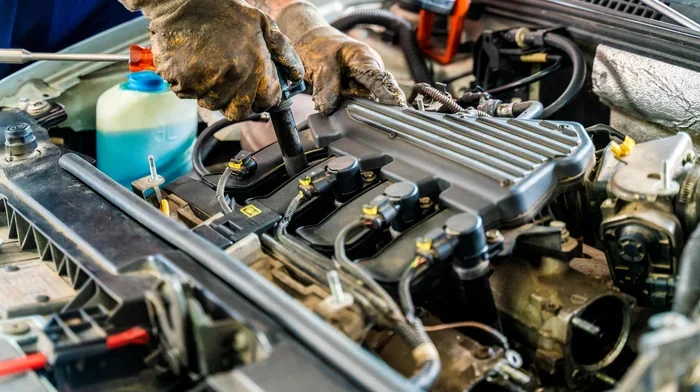
The gas engine in a hybrid works much like the one in a regular car. It burns fuel, creates combustion, and powers the wheels. But here is the key difference. In a hybrid, the gas engine is usually smaller and more efficient. Automakers design it to use less fuel while still delivering enough power for everyday driving.
When the battery has charge, the electric motor can handle low-speed driving. When you need more power, like on the highway, the gas engine kicks in. This partnership is what makes hybrids so fuel-efficient.
The Electric Motor and Battery
The electric motor in a hybrid does not need to be plugged in (at least not in most models). Instead, it charges itself through a process called regenerative braking. When you slow down or hit the brakes, the electric motor reverses and captures energy. That energy gets stored back in the battery.
The battery in a hybrid is much smaller than the one in a fully electric vehicle. It does not need to be huge because it only handles short bursts of electric power. This compact size keeps the car light and efficient.
Can a Hybrid Car Run on Gas Only?
This is the big question, and the answer is a clear yes. A hybrid car can run on gas only at all times. You never have to charge it. You never have to worry about running out of electric power. The car is built to switch between the gas engine and electric motor automatically.
When you start the car, it might use a bit of electric power. As you drive, the system monitors battery levels and fuel needs. If the battery gets low, the gas engine takes over completely. You can drive thousands of miles on gasoline alone and never give the electric system a second thought.
Full Gas Mode Explained
In full gas mode, the electric motor either sits idle or provides a small assist. The gasoline engine does the heavy lifting. This is completely normal and perfectly fine. Your car will still get better fuel economy than a similar non-hybrid model, even in this mode.
Why? Because the hybrid system optimizes everything. It controls when the engine starts and stops. It adjusts power delivery to match your driving. All of this adds up to better gas mileage compared to a traditional car.
When Does the Car Switch to Gas Only?
There are several situations where a hybrid relies mostly or entirely on the gas engine:
- Highway driving at steady speeds: The gas engine is more efficient at higher speeds.
- When the battery is low: The system automatically switches to gas to recharge the battery.
- During hard acceleration: The gas engine provides extra power when you need it.
- In cold weather: The engine may run more often to warm up the car and battery.
- When carrying heavy loads: Extra weight requires more power, so the gas engine works harder.
None of these situations are problems. They are simply how the hybrid system adapts to driving conditions. The car is smart enough to know when to use gas and when to use electric power.
Will You Still Save Money Running on Gas Only?
This is where things get really interesting. Many people assume that a hybrid only saves money when driving in electric mode. That is not true. You can still save money on fuel even if you never once drive in electric-only mode.
The reason is simple. Hybrid cars are built from the ground up to be fuel-efficient. The gas engine is smaller and more advanced. The car weighs less because of smart material choices. The transmission is optimized to work with the hybrid powertrain. All of these factors add up to real savings at the pump.
Fuel Cost Comparison
Let us look at a quick comparison. A conventional compact sedan might get around 30 miles per gallon. A hybrid version of a similar car could get 40 to 50 miles per gallon. That is a big difference.
Here is a simple example. Say you drive 12,000 miles per year and gas costs $3.50 per gallon.
- Conventional car (30 mpg): 12,000 / 30 = 400 gallons per year. Total cost = $1,400.
- Hybrid car (45 mpg): 12,000 / 45 = 267 gallons per year. Total cost = $933.
That is a savings of about $467 per year. Over five years, you would save more than $2,000. And that is just on gas alone. The savings are even better if you drive more than 12,000 miles annually.
Long-Term Savings Beyond Fuel
Fuel savings are only part of the picture. Hybrid cars also save money in other ways:
- Longer brake life: Regenerative braking reduces wear on traditional brake pads. They can last twice as long or more.
- Less engine wear: The electric motor shares the load, so the gas engine experiences less stress.
- Fewer repairs: Many hybrid owners report fewer trips to the mechanic compared to conventional car owners.
- Better resale value: Hybrids tend to hold their value well in the used car market.
These savings add up over the life of the car. Even if you never use electric-only mode, a hybrid still costs less to own than a comparable gas-only vehicle.
Types of Hybrid Systems and Gas-Only Behavior
Not all hybrids are the same. There are different types of hybrid systems, and each one handles gas-only driving a bit differently. Understanding these types can help you choose the right car for your needs.
Full Hybrids
Full hybrids are the most common type. They have a gas engine and an electric motor that can work independently or together. You can drive a full hybrid on gas only, on electric only, or on a combination of both. Popular examples include the Toyota Prius and the Honda Accord Hybrid.
When running on gas only, full hybrids still deliver excellent fuel economy. The electric motor often assists the gas engine during acceleration, which means the engine does not have to work as hard. This is where the real efficiency gains come from.
Plug-In Hybrids
Plug-in hybrids, or PHEVs, have a larger battery that you can charge by plugging into an outlet. When the battery is charged, you can drive on electric power alone for 20 to 50 miles depending on the model. Once the battery is depleted, the car switches to gas-only mode and works just like a full hybrid.
If you never plug in a plug-in hybrid, it still runs on gas. And it still saves fuel compared to a conventional car. However, you will miss out on the maximum electric-only driving benefits. For people who cannot charge at home, a plug-in hybrid still works great as a regular hybrid.
Mild Hybrids
Mild hybrids have a smaller electric motor that cannot power the car on its own. The electric motor always assists the gas engine. You cannot drive a mild hybrid on electric power alone. But the electric assist still improves fuel economy and provides a smoother driving experience.
Mild hybrids are often found in trucks and SUVs. They are a great option if you want the benefits of hybrid technology without the higher price tag of a full hybrid.
Comparison Table
| Type | Electric-Only Range | Can Run on Gas Only? | Fuel Savings vs. Conventional |
|---|---|---|---|
| Full Hybrid | 1 to 3 miles | Yes | 20 to 35 percent |
| Plug-In Hybrid | 20 to 50 miles | Yes (when battery is empty) | 30 to 50 percent |
| Mild Hybrid | None | Yes (always gas-assisted) | 10 to 15 percent |
As you can see, every type of hybrid can run on gas only. The differences lie in how much electric assist each system provides and how much extra fuel savings you can expect.
Tips to Maximize Fuel Savings in a Hybrid
Even though a hybrid saves fuel by default, you can make it even more efficient. Small changes to how you drive and maintain your car can add up to significant savings over time.
Adopt Fuel-Saving Driving Habits
How you drive has a big impact on fuel economy. Here are some habits that help:
- Accelerate gently: Smooth starts use less fuel than slamming the accelerator.
- Maintain steady speeds: Cruise control on highways helps keep fuel consumption consistent.
- Anticipate stops: Coasting to a red light lets regenerative braking capture energy.
- Avoid excessive idling: Turn off the engine if you are parked for more than a minute.
- Keep your speed under 70 mph: Fuel economy drops significantly at higher speeds.
These tips work for any car, but they are especially effective in hybrids. The electric motor responds quickly to smooth driving, making every bit of energy count.
Keep Up with Maintenance
A well-maintained hybrid runs more efficiently. Here is what to keep an eye on:
- Tire pressure: Underinflated tires reduce fuel economy. Check them monthly.
- Air filters: A clean air filter helps the gas engine breathe easier and burn fuel more efficiently.
- Engine oil: Use the recommended grade of oil. It reduces friction and improves performance.
- Battery health: The hybrid battery should last many years, but keeping it in good condition ensures optimal performance.
Regular maintenance keeps your hybrid running at its best. It also prevents small issues from becoming expensive repairs down the road.
Use the Right Fuel
Most hybrid cars run perfectly well on regular unleaded gasoline. You do not need premium fuel unless your owner’s manual specifically recommends it. Using the correct fuel grade saves money at every fill-up without sacrificing performance.
Common Myths About Hybrid Gas-Only Driving
There are a lot of misconceptions about hybrids. Let us clear up some of the most common ones.
Myth: Hybrids Only Save Money in Electric Mode
This is simply not true. Hybrids save fuel in every driving mode. The gas engine in a hybrid is designed to be more efficient than a conventional engine. Even when the electric motor is not helping, you still get better gas mileage than you would in a similar non-hybrid car.
Myth: You Need to Charge a Hybrid Every Night
Only plug-in hybrids need charging, and even then, it is optional. Full hybrids and mild hybrids charge themselves while you drive. You never need to plug them in. They are as convenient as a regular gas car.
Myth: Running on Gas Only Defeats the Purpose of a Hybrid
Not at all. The purpose of a hybrid is to use less fuel overall. The system is always working to optimize efficiency, whether it is using electric power, gas power, or a combination. Driving on gas only is still far more efficient than driving a conventional car.
Myth: Hybrid Batteries Are Expensive to Replace
Modern hybrid batteries are built to last the lifetime of the car. Many manufacturers offer warranties of 8 to 10 years on the hybrid battery. Replacement is rarely needed, and costs have dropped significantly over the years.
Is a Hybrid Right for You?
Now that you know a hybrid can run on gas only and still save money, you might be wondering if it is the right choice for you. The answer depends on your driving habits, budget, and priorities.
If you drive a lot of miles each year, a hybrid makes a lot of sense. The fuel savings add up quickly. If you live in an area with high gas prices, the savings are even more pronounced. And if you want a car that is kinder to the environment without the hassle of plugging in, a hybrid is a great option.
On the other hand, if you mostly drive short distances and can charge at home, a plug-in hybrid might be an even better fit. It gives you the best of both worlds. You can drive on electric power for your daily commute and switch to gas for longer trips.
The bottom line is this. A hybrid is a smart choice for almost anyone who wants to save money on fuel. You do not need to change your driving habits. You do not need to worry about charging. You just drive, and the car does the rest.
Final Thoughts
Can a hybrid car run on gas only? Absolutely. And you can still save money doing it. Hybrid technology is designed to make every drop of fuel count, whether you are driving in the city or on the highway.
The different types of hybrids offer flexibility for every lifestyle and budget. Full hybrids, plug-in hybrids, and mild hybrids all deliver real fuel savings, even when running entirely on gasoline. With the right driving habits and regular maintenance, your hybrid will keep saving you money for years to come.
If you have been on the fence about buying a hybrid, now is a great time to take the leap. The technology is proven, the savings are real, and the driving experience is excellent. A hybrid car gives you the best of both worlds. It gives you the convenience of a gas car with the efficiency of electric power. And that is a winning combination.
So the next time someone asks you, “Can a hybrid car run on gas only?” you can confidently say yes. And you can tell them about all the ways it saves money too.
Frequently Asked Questions
Do I need to plug in a hybrid car to make it work?
No. Most hybrid cars, known as full hybrids or self-charging hybrids, do not need to be plugged in at all. They charge their own battery through regenerative braking and the gas engine. You simply fill up the gas tank and drive.
Will running my hybrid on gas only damage the battery?
No. Running on gas only will not harm the hybrid battery. In fact, the gas engine helps keep the battery charged. The system is designed to manage battery health automatically, so you never need to worry about this.
How much money can I really save with a hybrid?
Most hybrid owners save between $400 and $1,000 per year on fuel compared to a similar conventional car. Over five to ten years, those savings can add up to several thousand dollars. The exact amount depends on your driving habits and local gas prices.
Can I drive a plug-in hybrid on gas only if I do not have a charger?
Yes. A plug-in hybrid works just like a regular hybrid when you do not charge it. It will run on gas and still deliver better fuel economy than a conventional car. You simply lose the electric-only driving range, but the gas-only savings remain.
Are hybrid cars more expensive to maintain than regular cars?
Generally, no. Hybrids often have lower maintenance costs because the regenerative braking system reduces wear on brake pads. The gas engine also experiences less strain, which can extend its lifespan. Battery replacements are rare and usually covered by warranty.
Is it worth buying a hybrid if I mostly drive on highways?
Yes. While hybrids are famous for city driving efficiency, they still save fuel on highways. The gas engine in a hybrid is designed to be highly efficient at steady speeds. You will still see meaningful fuel savings compared to a conventional highway cruiser.