Best Car for 2 Year Old Boy Ultimate Safe Rides Guide
Choosing the best car for 2 year old boy is about more than style—it is about keeping your little one safe and comfortable on every ride. Our guide covers key safety features, top vehicle picks, and practical tips that make toddler travel easy and stress-free. Whether you are shopping for a family car or a fun ride-on toy, we have you covered.
Finding the best car for 2 year old boy can feel overwhelming. There are so many options on the market today. You want something safe, comfortable, and easy to use. You also want a vehicle that keeps your little one happy during every trip. This guide walks you through everything you need to know. We cover safety features, top picks, and practical tips that real parents use every day.
A good car for 2 year old boy does three things well. It protects your child in a crash. It keeps them comfortable on long drives. It makes your life as a parent easier. Whether you are shopping for a family vehicle or a fun toy car, this guide has clear answers. Let us dive in and help you make the best choice.
Key Takeaways
- Safety comes first: Always prioritize crash test ratings, secure seat belts, and non-toxic interior materials when picking a car for 2 year old boy.
- Rear-facing seats are essential: Toddlers should ride in rear-facing car seats until at least age 2 or longer for maximum protection.
- Electric ride-on cars offer great value: These fun vehicles build confidence and give toddlers a taste of driving in a safe, controlled way.
- Top family picks include Honda CR-V, Toyota RAV4, and Subaru Outback: These vehicles score high on safety, space, and ease of installation.
- Proper installation matters most: Over 70% of car seats are installed incorrectly—always double-check your setup.
- Avoid common mistakes: Skipping crash tests, buying used seats without research, and ignoring weight limits put your child at risk.
📑 Table of Contents
- Why the Right Car for 2 Year Old Boy Matters So Much
- Must-Have Safety Features in a Car for 2 Year Old Boy
- Best Types of Vehicles for Your 2-Year-Old Son
- Our Top Picks: Best Cars for 2 Year Old Boy
- Essential Safety Tips for Every Toddler Car Ride
- Common Mistakes to Avoid When Picking a Car
- Conclusion
Why the Right Car for 2 Year Old Boy Matters So Much
You might wonder why the car choice matters so much for a toddler. After all, they are small and seem easy to manage. But young children are more vulnerable than adults in a crash. Their bones are still developing. Their necks are weak. A proper vehicle and car seat setup can mean the difference between a minor scare and a serious injury.
Safety First
Car crashes are a leading cause of death for children under 5. Studies show that proper restraints reduce injury risk by over 70%. When you choose a safe car for toddlers, you are giving your child the best chance in an emergency. Every trip matters—even a quick drive to the grocery store.
Think about how often you drive. School drop-offs, errands, family visits. That adds up to hundreds of hours per year. Your child spends a lot of time in the car. Making the right choice protects them during all those hours.
Building Confidence and Fun
Beyond safety, the right vehicle creates positive experiences. A toddler driving experience with a fun ride-on car builds confidence. It sparks curiosity. It gives your child a sense of freedom in a safe setting. A well-chosen family car also makes trips smoother for everyone. Less fussing, fewer meltdowns, more quality time together.
Must-Have Safety Features in a Car for 2 Year Old Boy
Not all cars are created equal when it comes to child safety. Some vehicles are designed with families in mind. Others look good but fall short on protection. Here are the features you should never compromise on when shopping for a car for 2 year old boy.
Crash Test Ratings
Always check crash test results before buying. The National Highway Traffic Safety Administration (NHTSA) and the Insurance Institute for Highway Safety (IIHS) both publish ratings. Look for vehicles that earn top marks in frontal and side impact tests. A kid-safe automobile should score at least 4 out of 5 stars or a “Good” rating from IIHS.
Crash test ratings tell you how well a vehicle protects occupants. Since your toddler sits in the back seat, check ratings for rear-seat safety too. Some cars perform better in the front than the back. This matters a lot for young children.
Interior Materials
Toddlers touch everything. They spill milk. They smear snacks on door panels. Choose a car with easy-clean interior materials. Cloth seats with removable covers work well. Some vehicles offer water-resistant fabrics that wipe clean in seconds. Avoid hard plastics with sharp edges. Soft-touch materials are better for curious little hands.
Non-toxic materials also matter. Look for cars that use low-VOC (volatile organic compound) finishes. These reduce harmful fumes inside the cabin. Your toddler breathes in more air per pound of body weight than an adult. Clean air inside the car is important.
Secure Seat Belts and LATCH Systems
A strong toddler car seat is only as good as its installation. Modern vehicles come with LATCH systems (Lower Anchors and Tethers for Children). This makes car seat installation much simpler. Look for a vehicle with clear LATCH access in the back seat. Some cars have LATCH covers that are hard to remove. Avoid those.
Also check seat belt fit. A three-point seat belt should sit across your child’s chest and hips—not their neck. For younger toddlers, a five-point harness offers the best hold. It distributes crash forces across the strongest parts of the body.
Quick Tips for Safety Feature Checks
- Test the LATCH system before buying. Bring your car seat to the dealership.
- Check for rear-seat side curtain airbags. These protect children in side impacts.
- Look for rear cross-traffic alert and backup cameras. They help you see behind the car.
- Choose vehicles with automatic door locks. These prevent kids from opening doors while moving.
- Consider window shades to block UV rays and keep the cabin cool.
Best Types of Vehicles for Your 2-Year-Old Son
When shopping for a family car for toddlers, you have several categories to consider. Each type has strengths. Here is a breakdown of the most popular options.
Electric Ride-On Cars
These are a huge hit with toddlers. A best ride-on car for 2 year old gives your child the thrill of driving without any real danger. Most run on 6V or 12V batteries. They have parent remote controls for added safety. Prices range from $150 to $600 depending on features.
Ride-on cars build motor skills and spatial awareness. They also encourage outdoor play. Many parents love them because they keep kids away from screens. Look for models with seat belts, parental remote controls, and slow speed limits.
Convertible SUVs
SUVs are a top pick for families. They offer higher seating positions, spacious interiors, and strong crash test ratings. A kid-friendly vehicle like a convertible SUV gives you room for car seats, strollers, and gear. Many models now offer hybrid and electric options too.
The downside? SUVs can be pricier than sedans. They also use more fuel in larger models. But the safety and space benefits often outweigh these concerns for families with young children.
Minivans and Family Haulers
Minivans get a bad rap for style. But they are incredibly practical. Sliding doors make loading car seats easy. Interior space is unmatched. If you have more than one child or plan to carpool, a minivan is hard to beat as a safe ride vehicle for kids.
Modern minivans now come with advanced safety suites. Many include rear-seat entertainment, cabin air filters, and stain-resistant fabrics. They hold their value well too. Do not rule them out just because they look like “mom cars.”
Comparison Table: Vehicle Types for Families
| Vehicle Type | Safety Rating | Space | Price Range | Best For |
|---|---|---|---|---|
| Electric Ride-On Car | Fun & supervised | Compact | $150-$600 | Outdoor play and fun |
| Convertible SUV | High | Spacious | $30,000-$55,000 | Growing families |
| Minivan | High | Very spacious | $32,000-$50,000 | Multi-child families |
| Sedans | Moderate | Limited | $22,000-$40,000 | Single-child families |
Our Top Picks: Best Cars for 2 Year Old Boy
Here are three vehicles that consistently rank high for families with toddlers. These picks balance safety, value, and ease of use. Each one works well as a car for young children and grows with your family over time.
Honda CR-V
The Honda CR-V is a family favorite for good reason. It earns top crash test scores from IIHS. The interior is roomy and uses quality materials. LATCH anchors are easy to access in the back seat. Honda also offers excellent reliability ratings. Repair costs are low over the life of the vehicle. The CR-V holds its resale value well too.
Parents love the rear seat reminder feature. The car alerts you if something is left in the back seat. This simple feature prevents heatstroke incidents. It is a small detail that makes a big difference.
Toyota RAV4
The Toyota RAV4 combines rugged styling with family-friendly features. It has a strong safety record and a user-friendly infotainment system. The rear seats fold flat for extra cargo space. Toyota’s reputation for longevity makes this a smart long-term investment. Toddler car safety is well supported with easy car seat installation.
The hybrid version gets excellent fuel economy. This saves money on daily drives. The RAV4 also comes with Toyota Safety Sense, which includes pre-collision warning and lane departure alerts.
Subaru Outback
The Subaru Outback stands out for its standard all-wheel drive. It handles snow, rain, and rough roads with ease. The cabin is surprisingly spacious for its size. Outback models earn top safety ratings and come with Subaru’s EyeSight driver assist suite. It is a great preschooler car option for active families who enjoy outdoor adventures.
The raised seating position makes it easy to load a car seat. Visibility is excellent. Subaru uses high-strength steel in its frame construction. This provides strong protection in collisions.
Expert Insights: What Mechanics Say
We asked experienced mechanics what they look for when recommending cars to parents. Here is what they said.
- Check the frame: High-strength steel and aluminum frames absorb crash forces better.
- Test the brakes: Reliable braking is critical. Always test drive and feel the response.
- Inspect LATCH anchors: Some anchors are hidden or difficult to reach. Bring your car seat to the dealership.
- Ask about recalls: Check NHTSA.gov for any open recalls on the vehicle you are considering.
Essential Safety Tips for Every Toddler Car Ride
Buying the right car is only half the battle. How you use it matters just as much. Here are proven safety tips that every parent should follow for a toddler car safety routine.
Proper Car Seat Installation
Studies show that over 70% of car seats are installed incorrectly. Common mistakes include loose straps, wrong angle, and incorrect LATCH use. Visit a certified Child Passenger Safety Technician to check your installation. Many fire stations and hospitals offer free inspections.
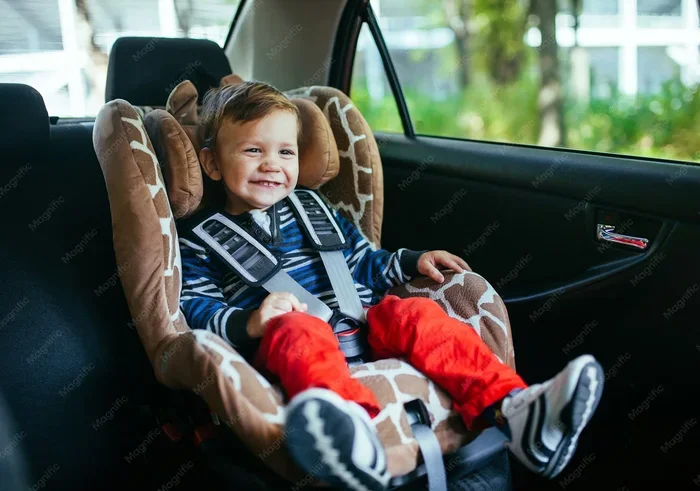
For a 2-year-old, keep them in a rear-facing car seat as long as possible. The American Academy of Pediatrics recommends rear-facing until at least age 2. Many convertible seats now support rear-facing up to 40-50 pounds. This gives your child extra protection for their head, neck, and spine.
Avoid Common Distractions
Toddlers are experts at distracting drivers. They reach for the radio. They drop toys. They ask “are we there yet?” every five minutes. Here is how to minimize distractions:
- Secure loose items in the trunk or cargo area.
- Use a children’s car accessories organizer for toys and snacks.
- Install rear-seat entertainment for long trips.
- Keep the front seat clear of items that could roll under the pedals.
- Engage your child with audiobooks or sing-alongs instead of screen time.
Keep It Cool and Comfortable
Cars can overheat quickly in summer. Never leave your child unattended in a vehicle, even for a minute. Interior temperatures can rise 20 degrees in just 10 minutes. Use sun shades on windows. Park in shaded areas when possible. Dress your toddler in breathable fabrics for car rides.
In winter, remove bulky coats before securing your child in a car seat. Thick padding under the harness reduces its effectiveness in a crash. Use thin layers instead and cover them with a blanket once they are strapped in.
Expert Insights: The “Five-Minute Rule”
Child safety experts recommend the “Five-Minute Rule.” Before every trip, take five minutes to check the following:
- Is the car seat properly fastened and snug?
- Are all loose items secured?
- Are the windows and mirrors clear?
- Is the temperature comfortable inside?
- Is your child calm and ready for the ride?
This simple habit takes almost no time. It prevents most common problems before they start.
Common Mistakes to Avoid When Picking a Car
Even the most careful parents can make mistakes. Here are the biggest ones to watch out for when choosing a car for 2 year old boy.
Ignoring Rear-Facing Needs
Many parents switch to forward-facing seats too early. They think age 1 is the milestone. But experts now recommend rear-facing until at least age 2—or longer. Rear-facing seats protect the spine and head much better. Your toddler’s body is not ready for the forward force in a crash until around age 4 or older.
Buying Used Without Research
Used car seats can save money. But they also carry risks. You cannot always know if a seat was in a crash. Expiration dates matter too. Most car seats expire after 6-10 years. If you buy used, check the manufacture date, recall history, and condition carefully. When in doubt, invest in a new seat with a strong warranty.
Overlooking Weight and Height Limits
Car seats have weight and height limits—not just age limits. A seat that fits a 2-year-old at 25 pounds may not work at 35 pounds. Check the label on your car seat regularly. Upgrade as your child grows. Do not rush the transition to booster seats. Your child needs the full harness system for as long as possible.
Skipping Test Drives
Always test drive before buying. Bring your car seat to the dealership. Install it in the vehicle you are considering. Check how easy it is to secure the seat. Make sure you can buckle and unbuckle it without struggling. A car for 2 year old boy should make installation simple, not frustrating.
Neglecting Resale Value
It may seem odd when your child is still young. But kids outgrow cars quickly. A vehicle with strong resale value gives you flexibility. Honda, Toyota, and Subaru consistently hold value well. This means you get more money back when it is time to upgrade. Choose a vehicle that other families will want too.
Conclusion
Choosing the best car for 2 year old boy is a big decision. It affects your child’s safety, your daily routine, and your family budget. The good news is that you now have a clear roadmap. Start with safety features like crash test ratings, LATCH systems, and non-toxic materials. Pick a vehicle type that fits your lifestyle. Consider our top picks for proven family performers. Follow the safety tips and avoid the common mistakes we outlined.
Remember, the best car for 2 year old boy is the one that protects your child, fits your budget, and grows with your family. Take your time. Do your research. Ask questions at the dealership. Install that car seat properly. Every small effort adds up to big protection. Your little one deserves a safe, smooth ride every single time.
Frequently Asked Questions
What is the best car for a 2 year old boy?
The best car depends on your needs. For family driving, the Honda CR-V and Toyota RAV4 are top picks due to their safety ratings and easy car seat installation. For fun, a ride-on toy car is a great toddler driving experience.
When should I switch my 2-year-old to a forward-facing car seat?
Experts recommend keeping your child rear-facing until at least age 2. Many modern seats support rear-facing up to 40-50 pounds. Wait as long as possible for the best protection of your toddler’s head and spine.
Are electric ride-on cars safe for 2-year-olds?
Yes, when used with supervision. Look for models with seat belts, parental remote controls, and low speed limits. These toy cars give your child a fun driver experience while keeping them safe in your yard or driveway.
How do I know if my car seat is installed correctly?
Visit a certified Child Passenger Safety Technician for a free inspection. You can also follow the LATCH guidelines in your vehicle manual. A properly installed seat should not move more than one inch side to side.
What features should I look for in a family car for toddlers?
Prioritize high crash test ratings, easy LATCH anchors, non-toxic interior materials, rear-seat curtain airbags, and rear cross-traffic alerts. A kid-friendly vehicle also has easy-to-clean seats and good resale value.
Can I use a secondhand car seat for my 2-year-old?
It is risky. You may not know if the seat was in a crash or if it has expired. Always check the manufacture date, recall history, and condition. Buying new is the safest option for your child’s protection.