Black Smoke From Car What It Means and How to Fix It
Black smoke from car is a clear sign that your engine is burning too much fuel. This issue can stem from dirty air filters, faulty fuel injectors, or a damaged catalytic converter. Learning the root cause early can save you money and prevent serious engine damage down the road.
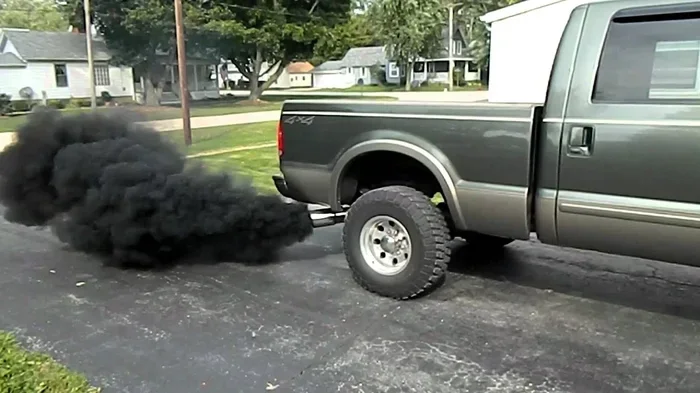
You’re driving down the road, minding your own business, when you look in the rearview mirror and see a dark cloud trailing behind you. Black smoke from car exhaust is not something you want to ignore. It’s one of the most noticeable signs that something is wrong under the hood. Whether you drive a gas-powered sedan or a heavy-duty diesel truck, black exhaust smoke is your car waving a red flag at you.
The good news? You don’t need to be a master mechanic to understand what’s going on. Most causes of black smoke from car exhaust are well-known and fixable. In this guide, we’ll walk you through exactly what that dark plume means, why it happens, and the steps you can take to get your car running clean again. Let’s dive in.
Key Takeaways
- Black exhaust smoke usually means your engine is burning too much fuel, a condition known as running rich.
- Common causes include clogged air filters, bad fuel injectors, faulty fuel pressure regulators, and malfunctioning sensors.
- Diesel engines are especially prone to black smoke when the combustion chamber isn’t getting enough air.
- Ignoring exhaust smoke can lead to expensive repairs, reduced fuel economy, and failed emissions tests.
- Simple fixes like replacing an air filter or cleaning fuel injectors can often resolve the problem at home.
- Regular car maintenance is the best way to prevent black smoke from returning.
📑 Table of Contents
- What Does Black Smoke from Your Car Mean?
- Top Causes of Black Exhaust Smoke
- Common Symptoms That Point to Black Smoke Problems
- How to Diagnose the Root Cause
- How to Fix Black Smoke from Your Car
- Quick Tips to Prevent Black Smoke
- Common Mistakes People Make with Black Smoke
- When Should You See a Mechanic?
- Final Thoughts on Black Smoke from Your Car
- FAQs
What Does Black Smoke from Your Car Mean?
When your car produces black exhaust smoke, it means the engine is burning too much fuel relative to the air it takes in. This is called a “rich fuel mixture.” Think of it like a campfire. If you stuff too much wood into the fire and smother it with dirt, you get thick, dark smoke. Your car engine works the same way. When there’s too much fuel and not enough air, the combustion process becomes incomplete, and you get that ugly black cloud.
In a perfect world, your engine mixes fuel and air in just the right ratio. This is called the fuel mixture, and your car’s computer controls it carefully. When something goes wrong with that balance, fuel doesn’t burn completely. The leftover fuel turns into soot and exits through your exhaust system as black smoke.
Why Black Smoke Matters More Than You Think
Some drivers see black smoke and think, “It’s just a little smoke, no big deal.” That’s a dangerous assumption. Black smoke from car exhaust doesn’t just look bad. It wastes fuel, reduces engine performance, and can cause long-term damage to expensive parts like your catalytic converter. Over time, the soot buildup can clog your exhaust system and lead to even bigger problems. Plus, black smoke means your car is failing to burn fuel efficiently, which means you’re spending more money at the pump than you need to.
Top Causes of Black Exhaust Smoke
So what exactly triggers that dark smoke? There are several culprits, and they range from simple fixes to more complex repairs. Let’s break them down one by one.
1. Clogged or Dirty Air Filter
This is the simplest and most common cause. Your engine needs air to burn fuel properly. If your air filter is clogged with dirt and debris, your engine can’t get enough air. The result? Too much fuel and not enough air, which creates black smoke. A dirty air filter is one of the easiest things to check and replace. Most car owners can do this themselves in under 15 minutes.
2. Faulty Fuel Injectors
Fuel injectors spray fuel into the engine’s cylinders in a fine mist. When they work correctly, the fuel mixes perfectly with air. But when injectors become clogged or start leaking, they dump too much fuel into the combustion chamber. This excess fuel can’t burn completely, and you guessed it, black smoke appears. Dirty injectors are a very common problem, especially in older vehicles or cars driven in areas with poor fuel quality.
3. Bad Fuel Pressure Regulator
The fuel pressure regulator controls how much fuel goes to the injectors. If this part fails, it can push too much fuel into the system. A faulty regulator is a less common cause, but it’s a serious one. When the regulator goes bad, your engine runs rich constantly, and black smoke from car becomes a regular occurrence rather than an occasional annoyance.
4. Malfunctioning Mass Airflow Sensor
Your car has a sensor called the mass airflow sensor (MAF sensor). It measures the amount of air entering the engine and tells the computer how much fuel to add. If the MAF sensor is dirty or broken, it sends wrong readings. The computer then adds too much fuel, and black smoke comes out of the tailpipe. This is a common issue in vehicles with over 60,000 miles.
5. Diesel-Specific Issues
If you drive a diesel vehicle, you’re more likely to see black smoke than gas car owners. Diesel engines rely on precise fuel timing and air pressure. Problems like a worn turbocharger, incorrect fuel injection timing, or a clogged diesel particulate filter can all cause black diesel smoke. Diesel owners should pay extra attention to their exhaust color and any changes in performance.
6. Damaged Catalytic Converter
The catalytic converter is part of your exhaust system that cleans up harmful emissions before they leave the tailpipe. When it gets clogged or damaged, exhaust can’t flow properly. This can cause a buildup of pressure in the engine, leading to incomplete combustion and black smoke. A damaged catalytic converter is a more expensive fix, which is why catching the problem early matters so much.
Common Symptoms That Point to Black Smoke Problems
Black smoke rarely appears on its own. Your car usually gives you other warning signs first. Here’s what to watch for:
- Reduced fuel economy – You’re filling up more often than usual, and your miles per gallon have dropped noticeably.
- Foul smell from the exhaust – A strong, fuel-heavy smell is a sign that unburned fuel is exiting the engine.
- Rough idle or engine misfire – If your car shakes or sounds rough when stopped, the fuel mixture might be off.
- Check engine light – Your car’s computer may detect the rich fuel mixture and trigger the warning light on your dashboard.
- Sluggish acceleration – The engine feels slow to respond when you press the gas pedal.
- Soot buildup around the exhaust pipe – You might notice black, powdery residue forming near the tailpipe.
If you notice any of these symptoms along with black exhaust smoke, don’t wait. The longer you ignore the problem, the more damage it can cause to your engine performance and overall vehicle health.
How to Diagnose the Root Cause
Figuring out why your car is producing black smoke starts with a few simple checks. You don’t need expensive tools to begin.
Step 1: Check the Air Filter
Pop the hood and locate your air filter box. Remove the filter and hold it up to the light. If you can’t see light through it, it’s time for a replacement. This is the fastest and cheapest fix for black smoke and should always be your first step.
Step 2: Inspect the Fuel Injectors
Listen to your engine while it’s running. If you hear a rough or uneven sound, one or more injectors might be malfunctioning. You can also use a fuel pressure gauge to check if the injectors are delivering the right amount of fuel. If you’re not comfortable doing this yourself, a mechanic can test it quickly.
Step 3: Read the Error Codes
Modern cars have an onboard diagnostic system that stores error codes when something goes wrong. You can buy a cheap OBD2 scanner or visit any auto parts store, where they’ll often read the codes for free. Codes related to the MAF sensor, fuel pressure, or oxygen sensor can point you directly to the cause of your black smoke from car problem.
Step 4: Check the Fuel Pressure
Using a fuel pressure tester, you can verify whether the fuel pressure regulator is working correctly. Too much pressure means too much fuel is reaching the engine. This is a straightforward test that can save you hours of guesswork.
How to Fix Black Smoke from Your Car
Once you’ve identified the cause, fixing the problem is usually straightforward. Here are the most effective solutions.
Replace the Air Filter
If a dirty air filter was the culprit, swap it out for a new one. This is a five-minute job that costs under $30 for most vehicles. After replacing the filter, take your car for a test drive and watch for the black smoke to clear up. In many cases, this simple fix does the trick.
Clean or Replace Fuel Injectors
Clogged injectors can often be cleaned with a fuel injector cleaner additive. You add it to your gas tank, and it works its way through the fuel system. For severely clogged or damaged injectors, you’ll need to replace them. This repair costs more but restores proper fuel delivery and eliminates black smoke.
Fix the Fuel Pressure Regulator
A bad fuel pressure regulator needs to be replaced. This part is usually located on or near the fuel rail. The cost varies by vehicle, but it’s a repair that most mechanics can handle in an afternoon. Once replaced, your fuel mixture should return to normal and the black smoke should stop.
Replace or Clean the MAF Sensor
A dirty MAF sensor can often be cleaned with a special sensor cleaner spray. If cleaning doesn’t work, replacement is the next step. The MAF sensor is an affordable part, and the repair is quick. After the new sensor is installed, your car’s computer can once again manage the fuel mixture correctly.
Diesel-Specific Repairs
For diesel owners, fixing black smoke might involve cleaning or replacing the turbocharger, adjusting fuel injection timing, or servicing the diesel particulate filter. These repairs require a mechanic with diesel-specific experience. Regular diesel maintenance, including timely oil changes and fuel filter replacements, goes a long way toward preventing black smoke issues.
Repair or Replace the Catalytic Converter
A clogged catalytic converter is a more involved repair. In many cases, the converter needs to be replaced entirely. This is one of the pricier fixes, which is exactly why you should address black smoke early before it damages this expensive component. Protecting your catalytic converter protects your wallet.
Quick Tips to Prevent Black Smoke
Prevention is always better than repair. Here are some easy habits that keep your engine running clean and your exhaust smoke-free:
- Change your air filter regularly – Check it every 15,000 miles and replace it when it looks dirty.
- Use quality fuel – Cheap gas can contain contaminants that clog injectors and cause combustion problems.
- Add fuel system cleaner – Use a reputable fuel additive every few tankfuls to keep injectors clean.
- Stay on top of oil changes – Old oil can burn in the combustion chamber and contribute to smoke problems.
- Don’t ignore warning lights – If the check engine light comes on, get it checked promptly.
- Schedule regular tune-ups – Routine car maintenance catches small problems before they become big ones.
- Listen to your car – Unusual sounds, smells, or changes in performance are early warning signs you shouldn’t ignore.
These simple steps take very little time but add up to a healthier engine, better fuel economy, and fewer trips to the repair shop.
Common Mistakes People Make with Black Smoke
When black smoke appears, drivers often make mistakes that make the problem worse. Here’s what to avoid:
- Ignoring it and hoping it goes away – Black smoke won’t fix itself. The underlying problem will only get worse over time.
- Adding too much fuel additive – More is not always better. Overuse of certain additives can damage your fuel system.
- Driving long distances with black smoke – Continuing to drive with a rich fuel mixture can damage your catalytic converter and other expensive parts.
- Trying to fix everything at once – Start with the simplest and cheapest fixes first, like the air filter, before moving on to more complex repairs.
- Skipping professional diagnosis – If you can’t identify the cause, a professional engine diagnostic can save you time and money in the long run.
Avoiding these mistakes keeps your repair costs down and gets your car back to running clean and efficiently.
When Should You See a Mechanic?
Some causes of black smoke from car are simple enough to handle at home. But there are times when professional help is the right call. See a mechanic if you’ve replaced the air filter and the smoke persists. Get professional help if your check engine light is flashing, not just steady. You should also visit a shop if you notice a significant drop in engine performance, hear unusual knocking sounds, or see smoke that doesn’t clear up after a short drive.
Mechanics have specialized tools like compression testers, engine diagnostic scanners, and exhaust gas analyzers that can pinpoint the exact cause quickly. If you’ve tried the basic fixes and the problem continues, don’t hesitate to get expert help. It’s always better to pay for a proper diagnosis now than to pay for a much bigger repair later.
Final Thoughts on Black Smoke from Your Car
Black smoke from car exhaust is a problem you should take seriously, but it’s rarely a reason to panic. In most cases, the cause is something simple and affordable to fix, like a dirty air filter or a clogged fuel injector. The key is to pay attention early. The moment you notice that dark plume trailing behind you, start investigating.
Your car is designed to run cleanly and efficiently. When it produces black smoke, it’s telling you that something in the fuel mixture or air intake is out of balance. By following the steps in this guide, you can identify the cause, apply the right fix, and get back to driving with confidence. Remember, consistent car maintenance is your best defense against black smoke and a long list of other engine problems. Keep your car well-maintained, use quality fuel, and don’t ignore warning signs. Your car and your wallet will thank you.
FAQs
Can black smoke from my car damage the engine?
Yes, absolutely. Black smoke means your engine is burning too much fuel, which creates soot buildup over time. This can damage your catalytic converter, clog your exhaust system, and reduce overall engine performance. The longer you ignore it, the more expensive the repairs become.
Is black smoke from a diesel car more serious than from a gas car?
Not necessarily more serious, but diesel engines are more prone to producing black smoke due to their design and fuel type. Common diesel causes include turbocharger issues, incorrect fuel timing, and clogged filters. Both gas and diesel black smoke should be addressed promptly.
How much does it cost to fix black smoke from a car?
The cost varies widely depending on the cause. Replacing an air filter might cost under $30. Cleaning fuel injectors could run $100 to $300. Replacing a catalytic converter can cost $500 to $2,000 or more. Getting a proper diagnosis first helps you budget for the right repair.
Can bad fuel cause black smoke?
Yes, contaminated or low-quality fuel can cause black smoke. Poor fuel can clog injectors, create deposits in the combustion chamber, and disrupt the proper fuel-air mixture. Always try to buy fuel from reputable stations to reduce this risk.
Will black smoke go away on its own?
Rarely. Black smoke is a symptom of an underlying problem that won’t fix itself. In some cases, a very minor issue like a slightly dirty air filter might clear up after a few drives, but most causes require active intervention. Don’t count on it going away without addressing the root cause.
How can I tell if the black smoke is from a fuel or oil problem?
Black smoke is almost always a fuel-related issue, meaning too much fuel is being burned. Blue or gray smoke usually indicates oil burning. If you’re unsure, a mechanic can perform an exhaust gas analysis to determine exactly what’s happening inside your engine.