What Do Car Detailers Use to Clean Leather Seats Today
Professional car detailers use a specific set of tools and products to clean leather seats effectively. They rely on pH-balanced leather cleaners, soft microfiber cloths, and gentle brushes to lift dirt without damaging the material. This guide reveals the exact products and methods experts use to keep your leather seats looking brand new.
If you own a car with leather seats, you already know they look amazing when they are clean. But keeping them clean is not always easy. Dirt, spills, and everyday wear can take a toll on your seats fast. That is exactly why many car owners turn to professional detailers for help.
So what do car detailers use to clean leather seats? The answer might surprise you. It is not just one magic product. Professionals use a carefully chosen combination of tools, cleaners, and techniques. Each one plays a specific role in getting leather seats looking their best. In this guide, we will break down every single product and method they use.
Whether you want to detail your car at home or simply understand what happens during a professional service, this article has you covered. We will walk you through the exact products, the step-by-step process, and the mistakes you should avoid. By the end, you will know exactly how to keep your leather seats looking factory fresh for years to come.
Key Takeaways
- pH-balanced leather cleaners are essential: They clean without stripping natural oils from your seats.
- Microfiber cloths and soft brushes do the heavy lifting: These tools prevent scratches and swirl marks on leather.
- Conditioning after cleaning is non-negotiable: It keeps leather soft, supple, and protected from cracks.
- Avoid household cleaners like dish soap: They can dry out and damage leather over time.
- Regular maintenance beats deep cleaning: Quick weekly wipes prevent buildup and extend seat life.
- Steam cleaners can help with stubborn stains: But use them carefully to avoid over-wetting the leather.
📑 Table of Contents
The Tools and Products Professional Detailers Reach For
When a car detailer walks up to a vehicle with dirty leather seats, they do not just grab whatever is nearby. They have a toolkit full of specialized products. Each product serves a purpose. Let us look at exactly what they use and why it matters for leather seat cleaning.
Leather Cleaners
The most important product in any detailer’s kit is a dedicated leather seat cleaner. These cleaners are specially formulated for automotive leather. They are designed to lift dirt, grime, and stains without damaging the material.
Most professional detailers prefer pH-balanced leather cleaners. Why? Because regular leather has a specific pH level. Using the wrong cleaner can strip away natural oils. This leads to dryness, cracking, and premature aging. A pH-balanced cleaner respects the leather’s natural balance.
Some detailers also use foam-based cleaners. Foam is great because it stays on the surface longer. This gives the cleaner more time to break down dirt. Others prefer liquid cleaners for a more targeted approach. Both types work well when used correctly.
Brushes and Applicators
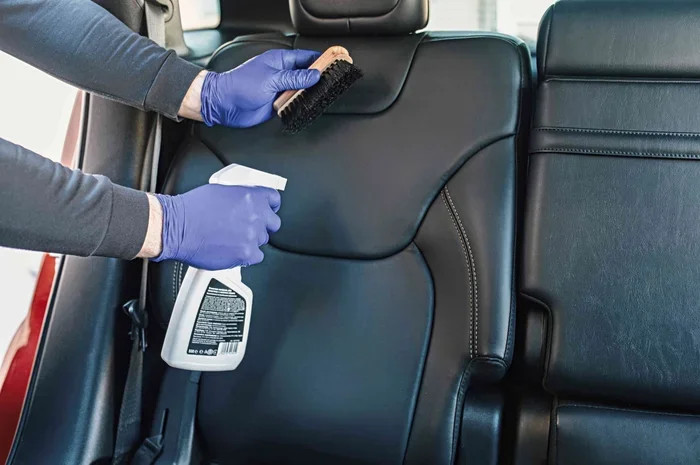
Next up, detailers reach for soft-bristle brushes. These brushes are used to gently agitate the cleaner into the leather. They help lift dirt from deep within the pores of the material.
The key here is softness. A hard brush can scratch leather and leave visible marks. Professional detailers use brushes specifically designed for automotive interiors. These brushes have ultra-soft bristles that clean effectively without causing damage.
Applicator pads are another tool detailers love. They allow for even distribution of cleaner across the seat surface. This ensures no area is missed and no product is wasted. It also gives the detailer more control over how much pressure is applied.
Microfiber Cloths and Towels
After cleaning, detailers wipe away residue with high-quality microfiber cloths. Microfiber is the go-to material for several reasons.
First, microfiber is incredibly soft. It will not scratch leather even when used repeatedly. Second, it is highly absorbent. It picks up dirt, cleaner residue, and moisture quickly. Third, microfiber leaves virtually no lint behind. This is especially important on dark leather seats where lint is very visible.
Professional detailers often use multiple cloths during a single session. One cloth applies the cleaner. Another wipes it away. A third cloth is used for the final buff. This layering approach keeps the cleaning process efficient and effective.
Vacuum Cleaners for Automotive Interiors
Before any cleaner touches the leather, a detailer always starts with a thorough vacuum. A vacuum cleaner for car interiors is essential for removing loose dirt, crumbs, and debris.
Professional detailers use shop-grade wet/dry vacuums. These machines are far more powerful than household vacuums. They can pull dirt out of seams, crevices, and cracks that regular vacuums miss. Many also come with specialized attachments designed for automotive use.
The vacuum step might seem simple, but it is critically important. Skipping it can push dirt deeper into the leather during the cleaning process. Always vacuum first for the best results.
Leather Conditioners and Protectants
Cleaning is only half the battle. After removing dirt, detailers apply a leather conditioner. Conditioner replaces the natural oils that cleaning removes. It keeps leather soft, supple, and resistant to cracking.
Professional detailers choose conditioners that are specifically designed for automotive use. These products create a protective barrier on the leather surface. This barrier helps repel water, stains, and UV damage. Some popular choices include products with lanolin, beeswax, or keratin-based formulas.
Protectants are often applied after conditioning. These add an extra layer of defense against daily wear and tear. Together, conditioner and protectant form a powerful team for long-term leather seats maintenance.
Step-by-Step Process for Cleaning Leather Seats
Now that you know the products, let us look at how detailers actually use them. The process is methodical and follows a specific order. Each step builds on the last for the best possible outcome.
Step 1: Vacuum the Seats Thoroughly
Every professional cleaning session starts with vacuuming. Detailers use the crevice tool to get into seams and edges. Then they use the main attachment to cover the entire seat surface.
This step removes loose dirt, dust, and debris. It also pulls out any crumbs that have worked their way into the seat stitching. A thorough vacuum ensures that no particles get ground into the leather during the cleaning step.
Step 2: Apply the Leather Cleaner
With the seats clean of loose dirt, the detailer applies the leather seat cleaner. They spray it onto an applicator pad rather than directly onto the seat. This prevents over-saturation and gives better control.
The cleaner is applied in small sections. Working section by section ensures nothing gets missed. It also prevents the cleaner from drying on the leather before it can do its job.
Step 3: Agitate and Wipe Away Dirt
Next, the detailer uses a soft brush to gently work the cleaner into the leather. This agitation loosens embedded dirt and stains. It reaches into the pores of the material where regular wiping cannot go.
After brushing, the detailer wipes away the dirty cleaner with a clean microfiber cloth. They repeat this process until the cloth comes away clean. This step is where the real magic happens for leather upholstery cleaning.
Step 4: Condition the Leather
Once the seats are clean and dry, the detailer applies leather conditioner. They use a fresh applicator pad for this step. The conditioner is spread evenly across the entire seat surface.
Conditioning restores moisture to the leather. It prevents the drying and cracking that can happen after cleaning. Most detailers let the conditioner absorb for 10 to 15 minutes before buffing off any excess.
Step 5: Final Inspection and Protectant
The final step is a thorough inspection. The detailer checks every seat for any missed spots. They also apply a leather protectant for added defense. This protects against future spills, stains, and UV damage.
Many detailers also use a leather seat shine product at this stage. It gives the seats a subtle, healthy glow that makes them look brand new. The entire process typically takes between 45 minutes and two hours depending on the vehicle size and seat condition.
Best Leather Cleaners on the Market
Not all leather cleaners are created equal. Some are designed for light maintenance, while others tackle heavy stains and buildup. Here is a closer look at what top detailers recommend.
| Product Type | Best For | Pros | Cons |
|---|---|---|---|
| pH-Balanced Foam Cleaner | Regular maintenance and light cleaning | Gentle, safe for all leather, easy to use | May not handle heavy stains alone |
| Liquid Leather Cleaner | Stubborn stains and deep cleaning | Strong cleaning power, penetrates deep | Requires careful application to avoid over-wetting |
| All-in-One Cleaner Conditioner | Quick cleaning and conditioning in one step | Saves time, convenient for busy car owners | Less effective than separate cleaner and conditioner |
| Steam Cleaner | Sanitizing and removing tough stains | Chemical-free, kills bacteria, great for odors | Can over-wet leather if not used carefully |
When choosing a cleaning leather car seats product, always check the label. Look for pH-balanced formulas that are safe for automotive leather. Avoid anything that contains harsh chemicals or abrasive ingredients. The best detailing products for leather are those that clean effectively while nourishing the material.
Quick Tips for Choosing a Leather Cleaner
- Always check if the product is pH-balanced.
- Read reviews from other car owners and detailers.
- Test any new product on a small hidden area first.
- Avoid cleaners that contain silicone or petroleum-based ingredients.
- Choose a cleaner that is specifically designed for automotive leather.
Common Mistakes People Make When Cleaning Leather Seats
Even with the best intentions, many car owners make mistakes when cleaning their leather seats. These mistakes can cause lasting damage. Here are the most common ones to avoid.
Using Household Cleaners
One of the biggest mistakes is reaching for household cleaners. Dish soap, all-purpose sprays, and window cleaners are not designed for leather. They can strip away the natural oils that keep leather soft and supple. Over time, this leads to dryness, cracking, and premature aging.
Always use a cleaner specifically formulated for automotive leather. These products are pH-balanced and safe for the material. They clean effectively without causing damage.
Skipping the Conditioning Step
Some people clean their leather seats but skip conditioning afterward. This is a big mistake. Cleaning removes dirt, but it also removes some of the leather’s natural moisture. Without conditioner, the leather can become dry and brittle.
Conditioning after every cleaning session is essential for long-term leather seats maintenance. It keeps the material hydrated and prevents cracks from forming.
Using Too Much Water
Leather and excessive moisture do not mix well. Using too much water during cleaning can cause the leather to warp, stain, or develop mildew. This is especially true for seats that do not dry properly.
Always use cleaners sparingly and wipe away excess moisture promptly. If you are using a steam cleaner, keep the nozzle moving and avoid holding it in one spot for too long.
Scrubbing Too Hard
When a stain does not come out easily, the instinct is to scrub harder. This is exactly the wrong approach. Aggressive scrubbing can scratch the leather surface and damage the finish.
Instead, apply cleaner to a soft brush and use gentle, circular motions. Let the cleaner do the work. If a stain persists, repeat the process rather than pressing harder.
Expert Insight
Professional detailers often say that patience is the most important tool in leather cleaning. Rushing through the process or using harsh methods will do more harm than good. Take your time, use the right products, and let the cleaner do the heavy lifting.
How Often Should You Clean Leather Seats
The frequency of cleaning depends on several factors. How often you use the car, what the seats are exposed to, and your local climate all play a role.
As a general rule, cleaning leather car seats every four to six weeks is ideal for regular use. This keeps dirt and oils from building up and causing long-term damage.
For cars that see heavy daily use, weekly spot cleaning is recommended. Wipe down spills immediately and do a quick wipe-down of the entire seat surface once a week. This prevents stains from setting in and reduces the need for deep cleaning sessions.
In humid climates, leather seats may need more frequent attention. Moisture can promote mold and mildew growth. In dry climates, leather can crack more easily and may benefit from more frequent conditioning.
The key is to stay consistent. Regular maintenance is always easier and more effective than waiting until seats are heavily soiled. A little effort every week goes a long way toward preserving your leather seats.
Maintaining Leather Seats After Cleaning
Cleaning is just the first step. Proper maintenance after cleaning ensures your leather seats stay in great shape for years. Here is what you should do after every cleaning session.
Keep Seats Dry and Ventilated
After cleaning, make sure the leather is completely dry before using the seats. Open the windows or use a fan to speed up the drying process. Sitting on damp leather can cause water spots and promote mold growth.
Apply Protectant Regularly
A good leather protectant creates a barrier against spills, stains, and UV rays. Apply it after every conditioning session for ongoing protection. This is especially important for cars parked outdoors or exposed to direct sunlight.
Address Spills Immediately
The faster you clean up a spill, the easier it is to remove. Keep a small kit of leather cleaning supplies in your car at all times. This way, you can address spills on the spot before they have a chance to set in.
Use Seat Covers When Needed
If you frequently transport pets, children, or messy items, consider using seat covers. They provide an extra layer of protection and reduce the frequency of deep cleanings. Just make sure the covers are breathable to prevent moisture buildup underneath.
Final Thoughts
Knowing what car detailers use to clean leather seats gives you the power to achieve professional results at home. The process is not complicated, but it does require the right products and a patient approach. Start with a good vacuum, use a pH-balanced leather cleaner, and always finish with a quality conditioner.
Avoid common mistakes like using household cleaners or scrubbing too aggressively. Stay consistent with your cleaning routine and your leather seats will reward you with years of comfortable, great-looking use. The investment in proper automotive leather care pays off every time you slide into clean, soft seats.
Take what you have learned here and put it into practice. Your leather seats deserve the best care you can give them. With the right approach, you can enjoy that showroom-fresh look every time you get behind the wheel.
Frequently Asked Questions
Can I use household cleaners like dish soap on leather seats?
It is not recommended. Household cleaners like dish soap are not pH-balanced for leather. They can strip away natural oils and cause the leather to dry out, crack, and deteriorate over time. Always use a cleaner specifically designed for automotive leather to keep your seats in the best condition.
How long does it take to professionally clean leather seats?
A full professional leather seat cleaning session typically takes between 45 minutes and two hours. The time depends on the size of the vehicle, the condition of the seats, and the level of cleaning required. Regular maintenance can reduce the time needed for each session significantly.
Can I use a steam cleaner on leather seats at home?
Yes, steam cleaners can be effective for leather seat cleaning and odor removal. However, you must use them carefully. Avoid holding the steam nozzle in one spot for too long and do not over-saturate the leather. Always follow up with a conditioner after steam cleaning to restore moisture.
What is the best leather conditioner for car seats?
The best conditioner depends on your specific needs. Look for conditioners that are pH-balanced and designed for automotive use. Ingredients like lanolin, beeswax, and keratin are excellent for nourishing leather. Always test a new conditioner on a small hidden area before applying it to the entire seat surface.
How can I prevent stains on my leather car seats?
The best way to prevent stains is to clean up spills immediately and apply a leather protectant regularly. Using seat covers for pets or children also helps. Regular weekly wiping with a damp microfiber cloth prevents dirt and oils from building up and causing permanent stains.
Is it worth paying for professional leather seat detailing?
Absolutely. Professional detailers have access to high-grade products and specialized tools that deliver results most home cleaning methods cannot match. They also know the correct techniques to avoid damaging the leather. For heavily soiled or neglected seats, professional detailing can restore them to near-factory condition.